Sylvia Nagl – författare
Visar alla böcker från författaren Sylvia Nagl. Handla med fri frakt och snabb leverans.
3 produkter
3 produkter
1 728 kr
Skickas
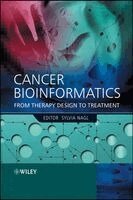
"The development and application of bioinformatics tools to basic and translational cancer research is, in fact, a rapidly expanding field that deserves a timely review. Therefore, a publication of this type is needed. The editors have done an excellent job in recruiting well-established scientists to author the various chapters of the book."—Dieter Naf, Jackson Laboratory, USA Cancer bioinformatics is now emerging as a new interdisciplinary field, which is facilitating an unprecedented synthesis of knowledge arising from the life and clinical sciences.This groundbreaking title provides a comprehensive and up-to-date account of the enormous range of bioinformatics for cancer therapy development from the laboratory to clinical trials. It functions as a guide to integrated data exploitation and synergistic knowledge discovery, and support the consolidation of the interdisciplinary research community involved.
Role of Model Integration in Complex Systems Modelling
An Example from Cancer Biology
Inbunden, Engelska, 2010
1 098 kr
Skickas inom 10-15 vardagar
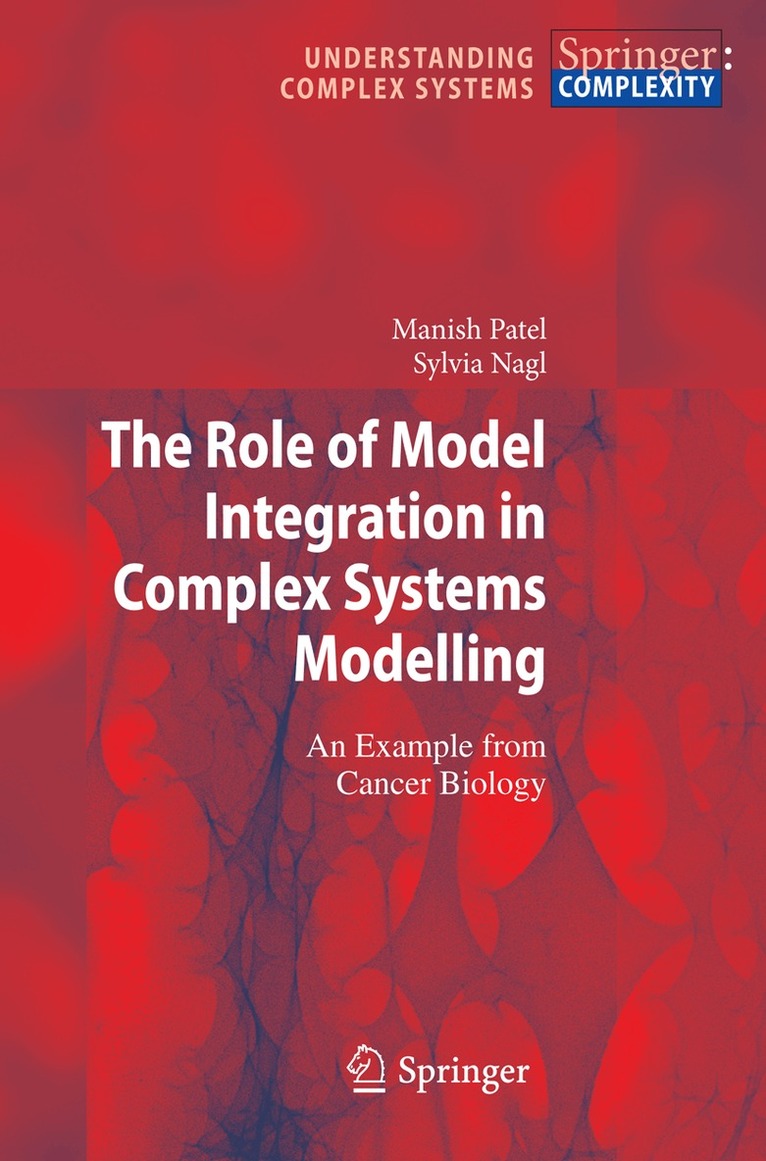
Model integration – the process by which different modelling efforts can be brought together to simulate the target system – is a core technology in the field of Systems Biology. In the work presented here model integration was addressed directly taking cancer systems as an example. An in-depth literature review was carried out to survey the model forms and types currently being utilised. This was used to formalise the main challenges that model integration poses, namely that of paradigm (the formalism on which a model is based), focus (the real-world system the model represents) and scale.A two-tier model integration strategy, including a knowledge-driven approach to address model semantics, was developed to tackle these challenges. In the first step a novel description of models at the level of behaviour, rather than the precise mathematical or computational basis of the model, is developed by distilling a set of abstract classes and properties. These can accurately describe model behaviour and hence describe focus in a way that can be integrated with behavioural descriptions of other models. In the second step this behaviour is decomposed into an agent-based system by translating the models into local interaction rules.The book provides a detailed and highly integrated presentation of the method, encompassing both its novel theoretical and practical aspects, which will enable the reader to practically apply it to their model integration needs in academic research and professional settings. The text is self-supporting. It also includes an in-depth current bibliography to relevant research papers and literature. The review of the current state of the art in tumour modelling provides added value.
Role of Model Integration in Complex Systems Modelling
An Example from Cancer Biology
Häftad, Engelska, 2014
1 098 kr
Skickas inom 10-15 vardagar
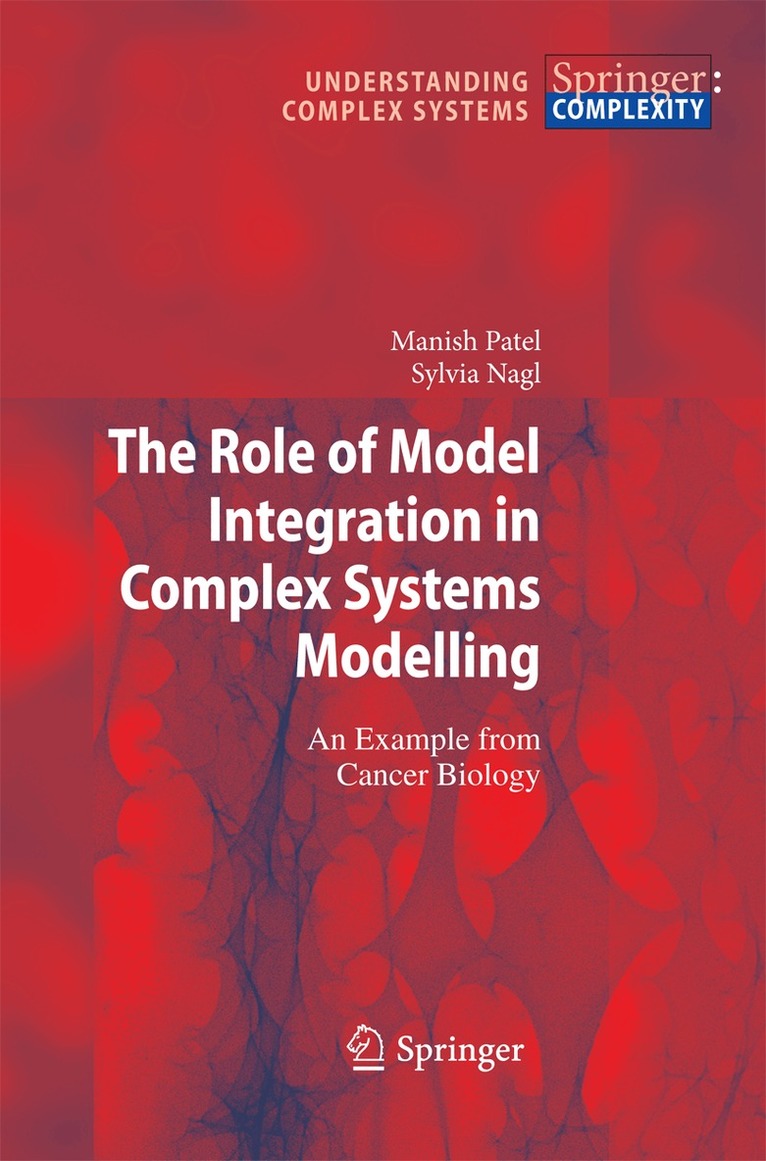
Model integration – the process by which different modelling efforts can be brought together to simulate the target system – is a core technology in the field of Systems Biology. In the work presented here model integration was addressed directly taking cancer systems as an example. An in-depth literature review was carried out to survey the model forms and types currently being utilised. This was used to formalise the main challenges that model integration poses, namely that of paradigm (the formalism on which a model is based), focus (the real-world system the model represents) and scale.A two-tier model integration strategy, including a knowledge-driven approach to address model semantics, was developed to tackle these challenges. In the first step a novel description of models at the level of behaviour, rather than the precise mathematical or computational basis of the model, is developed by distilling a set of abstract classes and properties. These can accurately describe model behaviour and hence describe focus in a way that can be integrated with behavioural descriptions of other models. In the second step this behaviour is decomposed into an agent-based system by translating the models into local interaction rules.The book provides a detailed and highly integrated presentation of the method, encompassing both its novel theoretical and practical aspects, which will enable the reader to practically apply it to their model integration needs in academic research and professional settings. The text is self-supporting. It also includes an in-depth current bibliography to relevant research papers and literature. The review of the current state of the art in tumour modelling provides added value.