T. Bremer – författare
Visar alla böcker från författaren T. Bremer. Handla med fri frakt och snabb leverans.
6 produkter
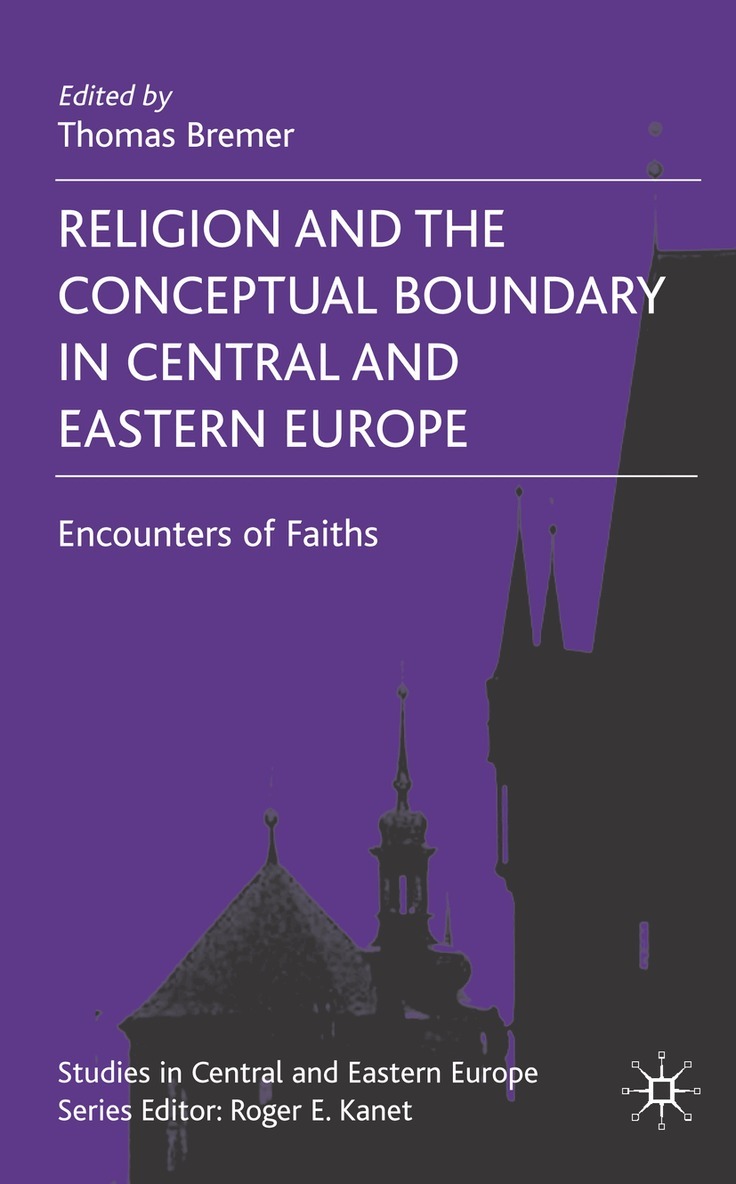
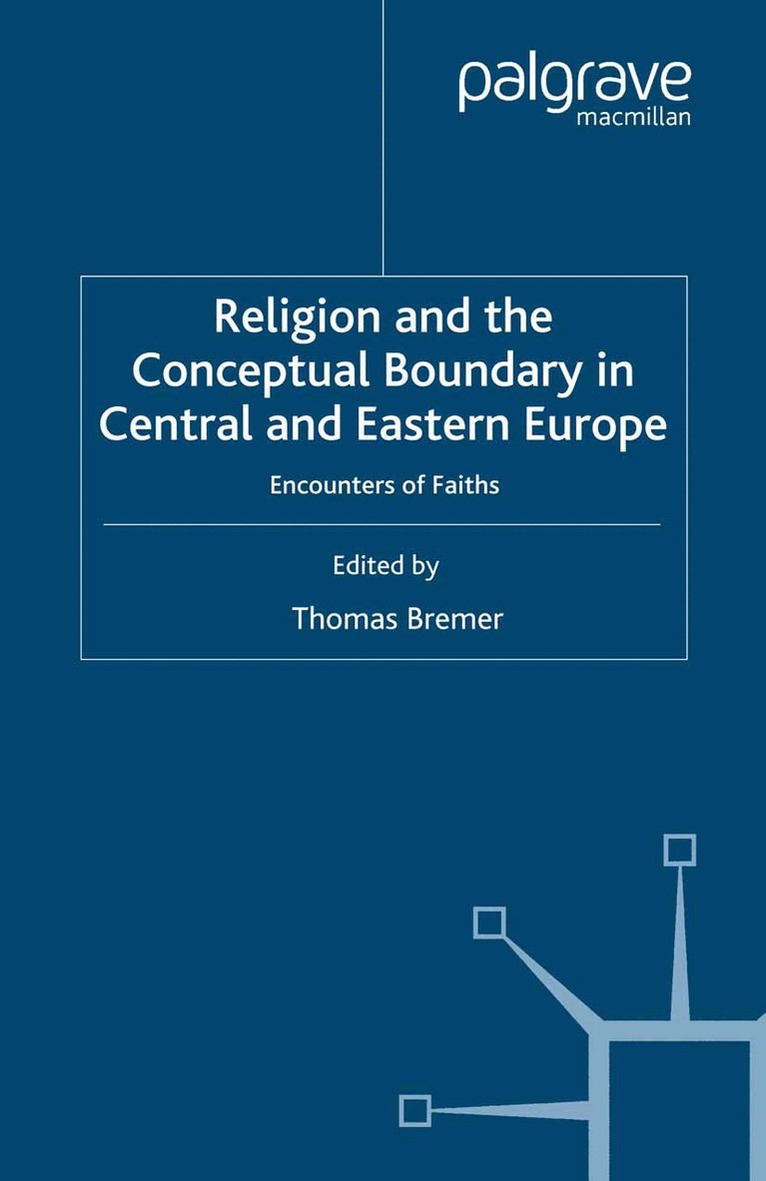
Religion and the Conceptual Boundary in Central and Eastern Europe
Encounters of Faiths
Av T. Bremer
Inbunden, 2008
552 kr
Lägg i varukorg
This volume concentrates on the 'conceptual boundary' through Europe which is determined by Western and Eastern Christianity. The chapters show that the boundary has never been a stable and defined division, but that it was also subject to change and development and a place of encounter and …
Religion and the Conceptual Boundary in Central and Eastern Europe
Encounters of Faiths
Av T. Bremer
E-bok, 2015
779 kr
Lägg i varukorg
This volume concentrates on the ''conceptual boundary'' through Europe which is determined by Western and Eastern Christianity. The chapters show that the boundary has never been a stable and defined division, but that it was also subject to change and development and a place of encounter and …
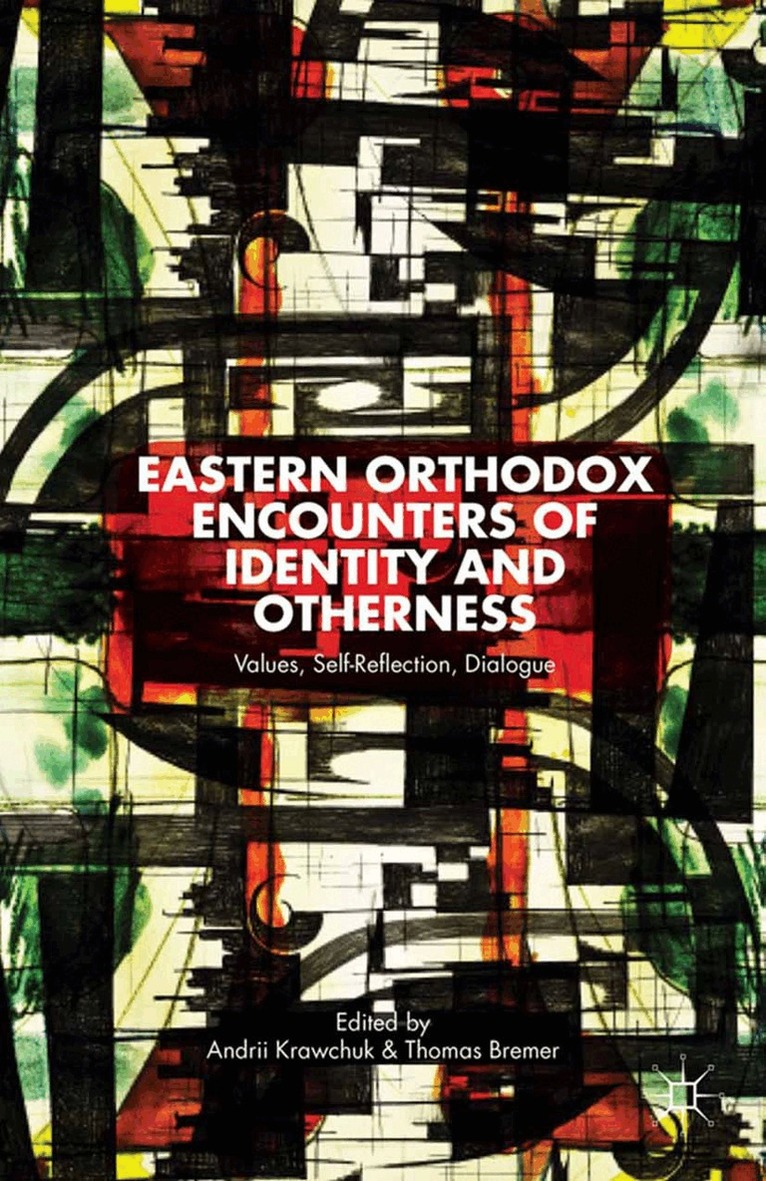
Eastern Orthodox Encounters of Identity and Otherness
Values, Self-Reflection, Dialogue
Av T. Bremer, A. Krawchuk
E-bok, 2014
1550 kr
Lägg i varukorg
From diverse international and multi-disciplinary perspectives, the contributors to this volume analyze the experiences, challenges and responses of Orthodox Churches to the foundational transformations associated with the dissolution of the USSR.
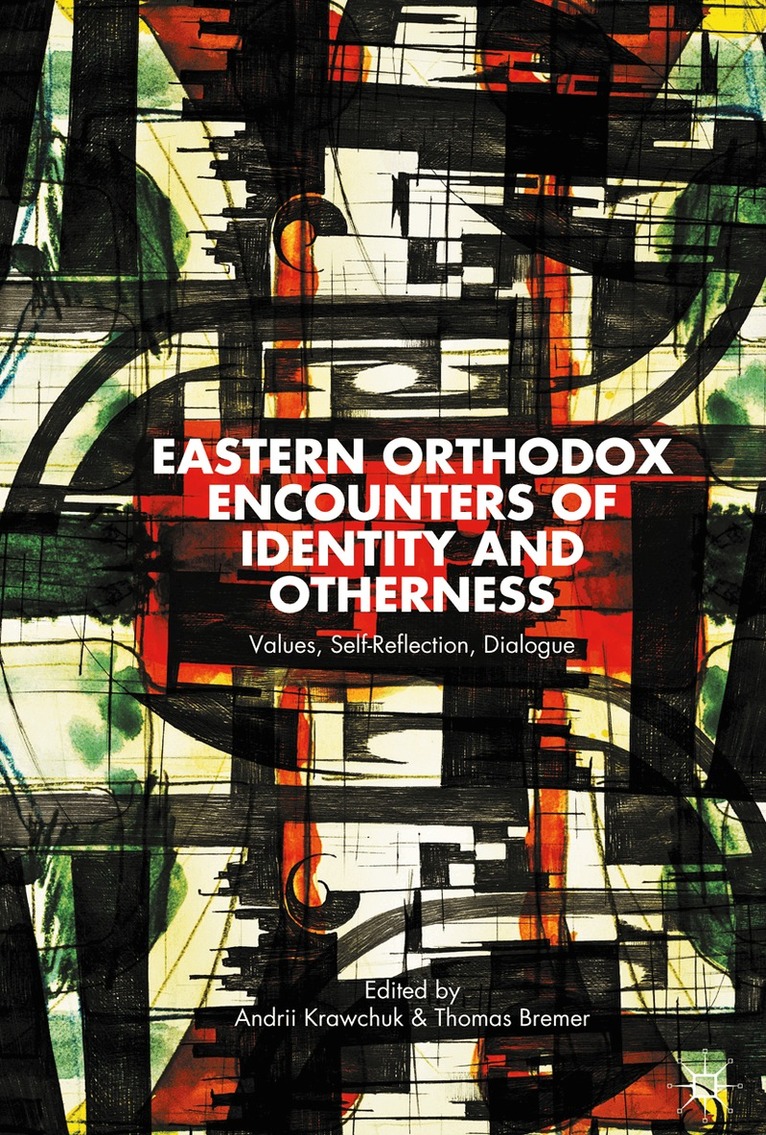
Eastern Orthodox Encounters of Identity and Otherness
Values, Self-Reflection, Dialogue
Av A. Krawchuk, T. Bremer
Inbunden, 2014
1096 kr
Lägg i varukorg
From diverse international and multi-disciplinary perspectives, the contributors to this volume analyze the experiences, challenges and responses of Orthodox Churches to the foundational transformations associated with the dissolution of the USSR.
Religion and the Conceptual Boundary in Central and Eastern Europe
Encounters of Faiths
Av T. Bremer
Häftad, 2008
552 kr
Lägg i varukorg
This volume concentrates on the 'conceptual boundary' through Europe which is determined by Western and Eastern Christianity. The chapters show that the boundary has never been a stable and defined division, but that it was also subject to change and development and a place of encounter and …
Eastern Orthodox Encounters of Identity and Otherness
Values, Self-Reflection, Dialogue
Av A. Krawchuk, T. Bremer
Häftad, 2014
1096 kr
Lägg i varukorg
From diverse international and multi-disciplinary perspectives, the contributors to this volume analyze the experiences, challenges and responses of Orthodox Churches to the foundational transformations associated with the dissolution of the USSR.