T. Elon Dancy – författare
Visar alla böcker från författaren T. Elon Dancy. Handla med fri frakt och snabb leverans.
6 produkter
6 produkter
E-bok
Engelska, 2012371 kr
Läs direkt efter köp
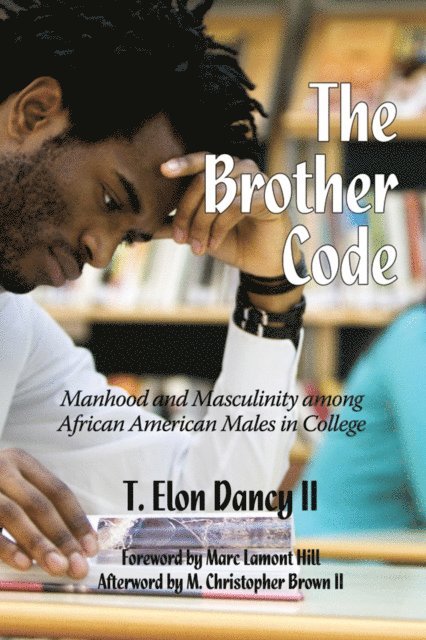
The Brother Code: What is the role of manhood and masculinity in the lives of African American males in college? How do manhood norms influence decisions within and beyond college? How might mothers and fathers differentially affect manhood and masculinity in their sons? What are African American's men unique ways of knowing themselves and their surroundings? The Brother Code: Manhood and Masculinity among African American Men in College situates itself at the intersection of higher education and cultural studies to address these questions and more. Primarily, this book offers colleges and universities a penetrative gaze into a complex web of identities-the manhood of African American males in college. Yet the book also seizes a rare opportunity in higher education research to review six historical eras of African American manhood as well as the troublesome relationship between African American males and education in general.This knowledge is important for understanding all aspects of African American male participation in college, including enrollment, retention, curricular, and co-curricular involvement. Based on an empirical study, the data in this book emerged from one-on-one interviews in which 24 African American males enrolled in 12 colleges discussed how manhood matters in their social and college lives. The aim is to help unearth the marginalized topics of manhood, gender, and masculinity in males generally but, more specifically among African American males, a marginalized student group in education. Using an interdisciplinary approach, the book draws upon literature in history, African American studies, gender studies, sociology, cultural studies, psychology, and anthropology.
E-bok
Engelska, 2012371 kr
Läs direkt efter köp
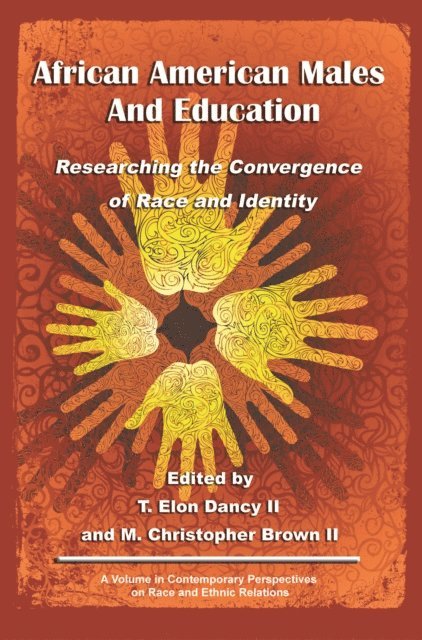
African American Males in Education: Researching the Convergence of Race and Identity addresses a number of research gaps. This book emerges at a time when new social dynamics of race and other identities are shaping, but also shaped by, education. Educational settings consistently perpetuate racial and other forms of privilege among students, personnel, and other participants in education. For instance, differential access to social networks still visibly cluster by race, continuing the work of systemic privilege by promoting outcome inequalities in education and society.The issues defining the relationship between African American males and education remain complex. Although there has been substantial discussion about the plight of African American male participants and personnel in education, only modest attempts have been made to center analysis of identity and identity intersections in the discourse. Additionally, more attention to African American male teachers and faculty is needed in light of their unique cultural experiences in educational settings and expectations to mentor and/or socialize other African Americans, particularly males.
E-bok
Engelska, 2012557 kr
Läs direkt efter köp
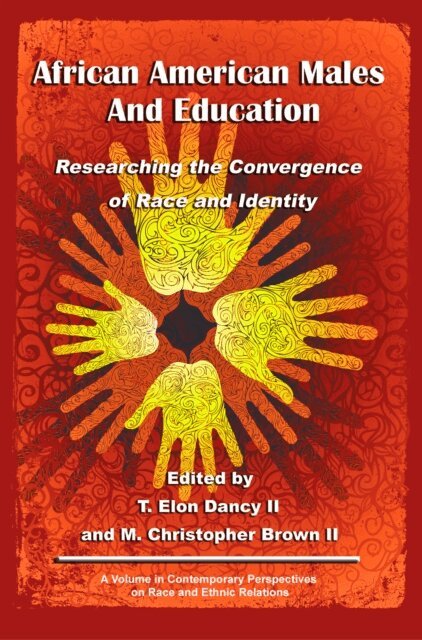
African American Males in Education: Researching the Convergence of Race and Identity addresses a number of research gaps. This book emerges at a time when new social dynamics of race and other identities are shaping, but also shaped by, education. Educational settings consistently perpetuate racial and other forms of privilege among students, personnel, and other participants in education. For instance, differential access to social networks still visibly cluster by race, continuing the work of systemic privilege by promoting outcome inequalities in education and society.The issues defining the relationship between African American males and education remain complex. Although there has been substantial discussion about the plight of African American male participants and personnel in education, only modest attempts have been made to center analysis of identity and identity intersections in the discourse. Additionally, more attention to African American male teachers and faculty is needed in light of their unique cultural experiences in educational settings and expectations to mentor and/or socialize other African Americans, particularly males.
E-bok
Engelska, 2012562 kr
Läs direkt efter köp
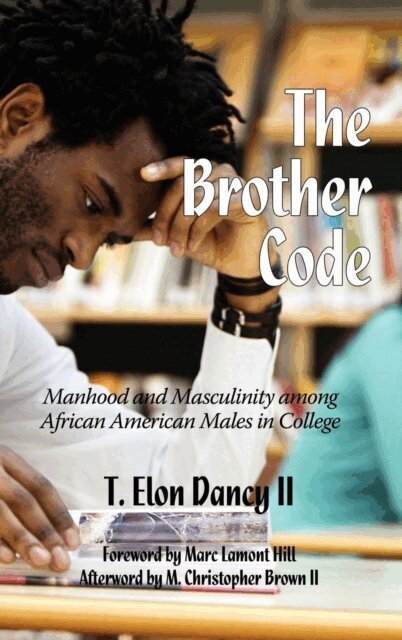
The Brother Code: What is the role of manhood and masculinity in the lives of African American males in college? How do manhood norms influence decisions within and beyond college? How might mothers and fathers differentially affect manhood and masculinity in their sons? What are African American's men unique ways of knowing themselves and their surroundings? The Brother Code: Manhood and Masculinity among African American Men in College situates itself at the intersection of higher education and cultural studies to address these questions and more. Primarily, this book offers colleges and universities a penetrative gaze into a complex web of identities-the manhood of African American males in college. Yet the book also seizes a rare opportunity in higher education research to review six historical eras of African American manhood as well as the troublesome relationship between African American males and education in general.This knowledge is important for understanding all aspects of African American male participation in college, including enrollment, retention, curricular, and co-curricular involvement. Based on an empirical study, the data in this book emerged from one-on-one interviews in which 24 African American males enrolled in 12 colleges discussed how manhood matters in their social and college lives. The aim is to help unearth the marginalized topics of manhood, gender, and masculinity in males generally but, more specifically among African American males, a marginalized student group in education. Using an interdisciplinary approach, the book draws upon literature in history, African American studies, gender studies, sociology, cultural studies, psychology, and anthropology.
Inbunden, Engelska, 2025
410 kr
Tillfälligt slut
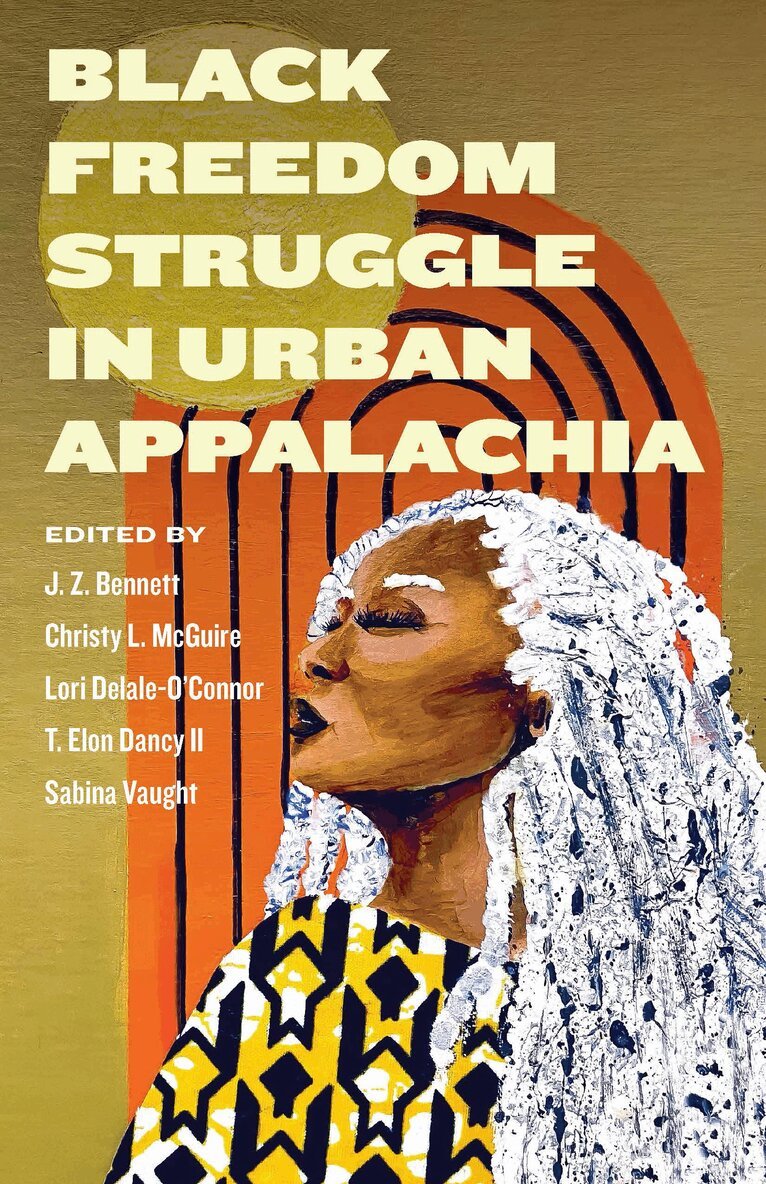
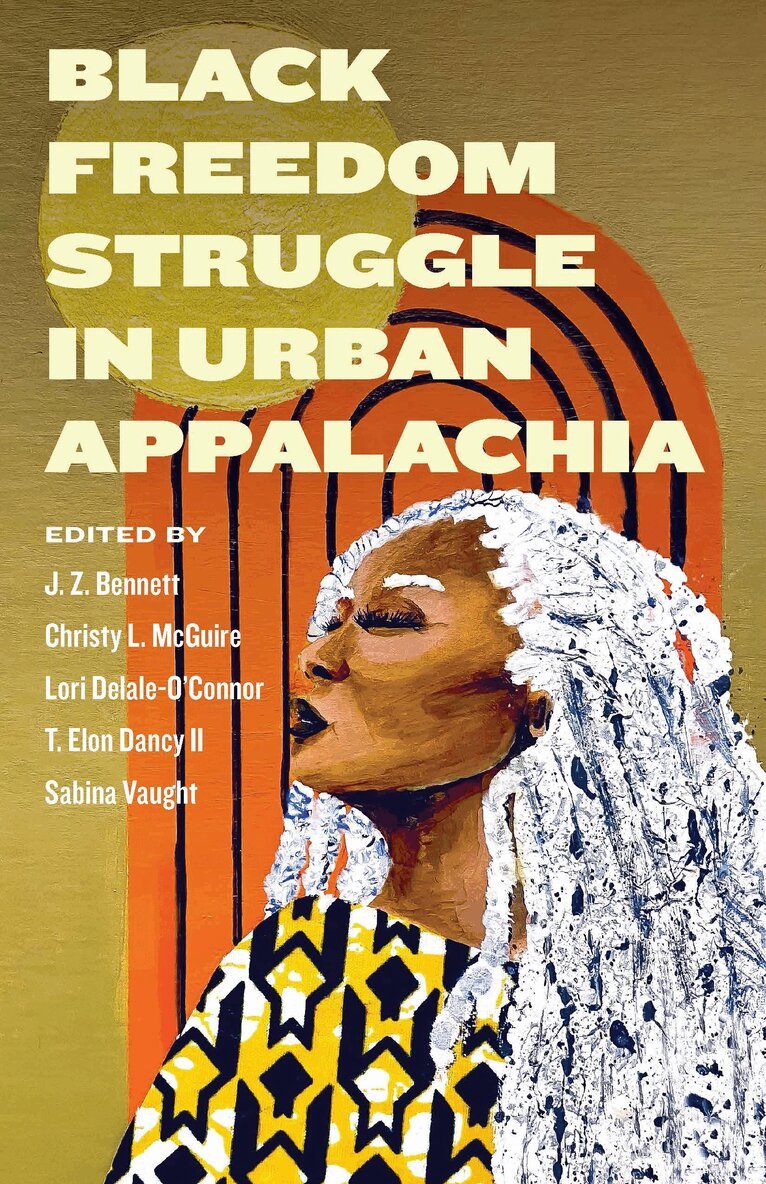
The largest urban center in Appalachia, Pittsburgh has long been a hub of Black freedom work. It has also been an enduring center of carcerality in the United States. Local experiences reflect a strong tradition of resisting systemic antiblackness, state and corporate divestment, repression, and broader carceral forces and highlight Pittsburgh's record of labor radicalism, environmental activism, and community educational efforts._x000D_Black Freedom Struggle in Urban Appalachia explores the interplay of creative self-determination, intellectual insurgency, and political education in Pittsburgh. This collection gathers dynamic artists, thinkers, and organizers, all contributing unique perspectives through essays, poems, scholarly chapters, interviews, and imagery. Positioning Pittsburgh as a pivotal space within the region while proposing an anti-carceral framework for understanding education, the anthology examines how people live the struggle for freedom and broadens discussions about the prison-industrial complex, labor, and place in Appalachia—sparking questions motivated by a shared commitment to liberation._x000D_By fostering dialogue among contributors and elevating diverse forms of analysis, Black Freedom Struggle in Urban Appalachia offers a valuable resource for educators, students, creatives, activists, policymakers, and communities alike, encouraging us all to forge stronger connections and continue the fight for a free world.
Häftad, Engelska, 2025
295 kr
Tillfälligt slut
The largest urban center in Appalachia, Pittsburgh has long been a hub of Black freedom work. It has also been an enduring center of carcerality in the United States. Local experiences reflect a strong tradition of resisting systemic antiblackness, state and corporate divestment, repression, and broader carceral forces and highlight Pittsburgh's record of labor radicalism, environmental activism, and community educational efforts._x000D_Black Freedom Struggle in Urban Appalachia explores the interplay of creative self-determination, intellectual insurgency, and political education in Pittsburgh. This collection gathers dynamic artists, thinkers, and organizers, all contributing unique perspectives through essays, poems, scholarly chapters, interviews, and imagery. Positioning Pittsburgh as a pivotal space within the region while proposing an anti-carceral framework for understanding education, the anthology examines how people live the struggle for freedom and broadens discussions about the prison-industrial complex, labor, and place in Appalachia—sparking questions motivated by a shared commitment to liberation._x000D_By fostering dialogue among contributors and elevating diverse forms of analysis, Black Freedom Struggle in Urban Appalachia offers a valuable resource for educators, students, creatives, activists, policymakers, and communities alike, encouraging us all to forge stronger connections and continue the fight for a free world.