T. O'Keefe – författare
Visar alla böcker från författaren T. O'Keefe. Handla med fri frakt och snabb leverans.
6 produkter
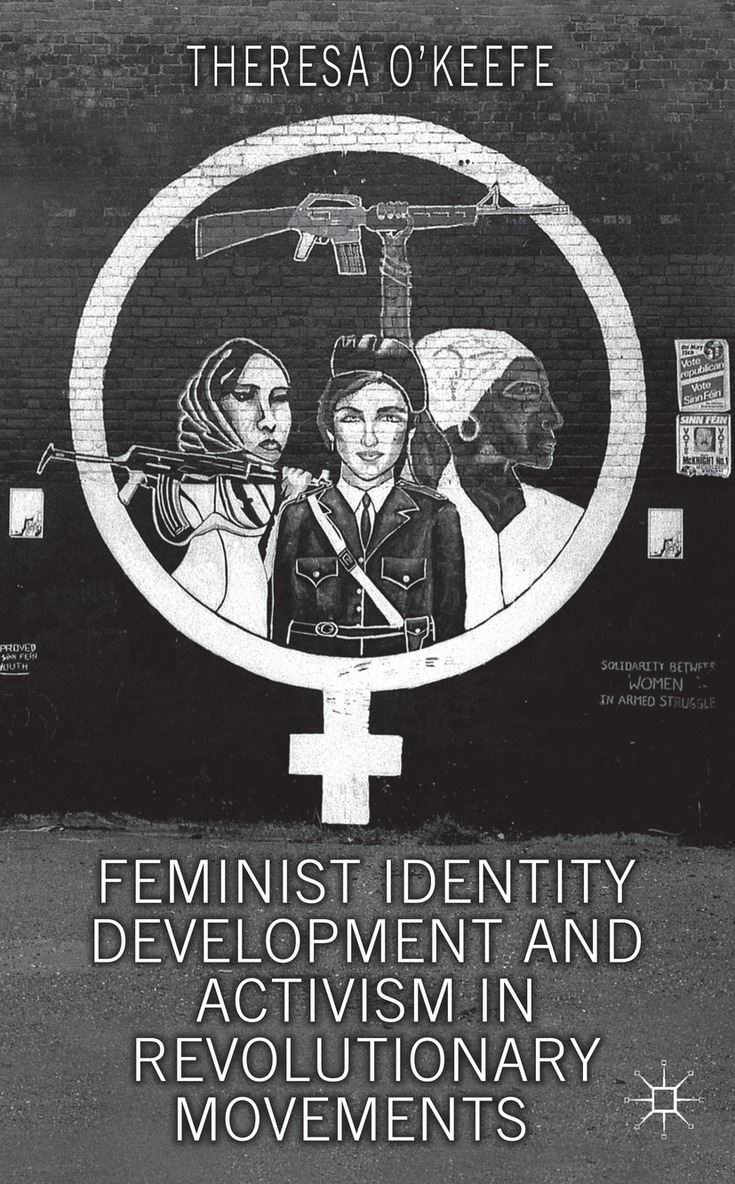
Feminist Identity Development and Activism in Revolutionary Movements
Av T. O'Keefe
Inbunden, 2013
551 kr
Lägg i varukorg
This book examines how many women active in revolutionary movements develop feminist identities and how this identity simultaneously contributes to and conflicts with the struggle for women's emancipation.
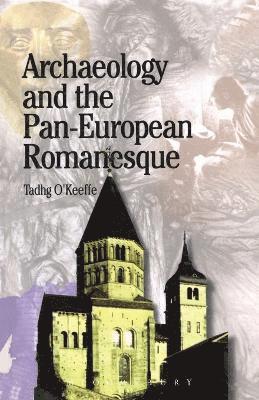
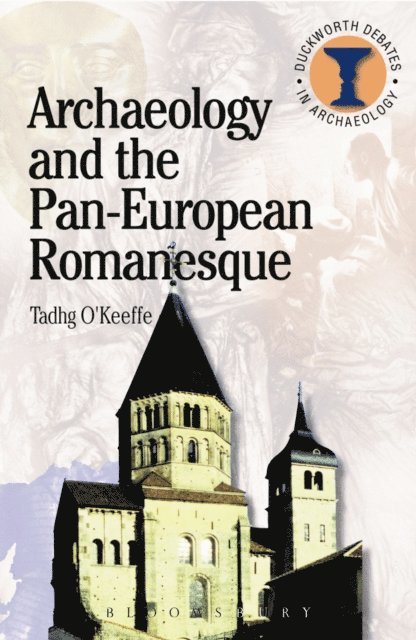
Archaeology and the Pan-European Romanesque
Häftad, 2007
399 kr
Lägg i varukorg
Romanesque is the style name given to the art and architecture of Europe in the eleventh and twelfth centuries. First used in the early nineteenth century to express the perceived indebtedness of the visual-artistic and architectural cultures of this period to their Classical antecedents, the term …
Feminist Identity Development and Activism in Revolutionary Movements
Av T. O'Keefe
E-bok, 2013
779 kr
Lägg i varukorg
This book examines how many women active in revolutionary movements develop feminist identities and how this identity simultaneously contributes to and conflicts with the struggle for women''s emancipation.
Feminist Identity Development and Activism in Revolutionary Movements
Av T. O'Keefe
Häftad, 2013
551 kr
Lägg i varukorg
This book examines how many women active in revolutionary movements develop feminist identities and how this identity simultaneously contributes to and conflicts with the struggle for women's emancipation.
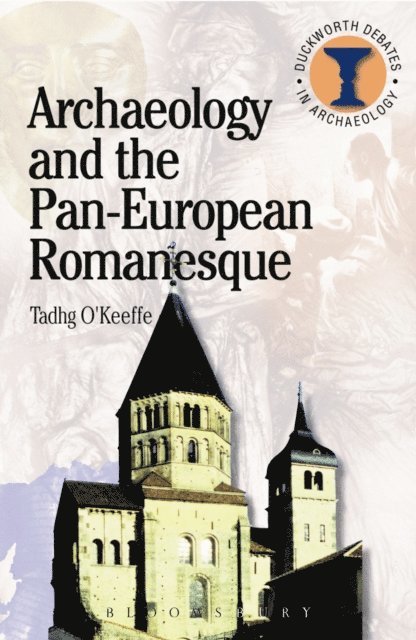
Archaeology and the Pan-European Romanesque
Av T. O'Keefe
E-bok, 2015
421 kr
Lägg i varukorg
Romanesque is the style name given to the art and architecture of Europe in the eleventh and twelfth centuries. First used in the early nineteenth century to express the perceived indebtedness of the visual-artistic and architectural cultures of this period to their Classical antecedents, the term …
Archaeology and the Pan-European Romanesque
Av T. O'Keefe
E-bok, 2015
434 kr
Lägg i varukorg
Romanesque is the style name given to the art and architecture of Europe in the eleventh and twelfth centuries. First used in the early nineteenth century to express the perceived indebtedness of the visual-artistic and architectural cultures of this period to their Classical antecedents, the term …