T. Pradeep – författare
Visar alla böcker från författaren T. Pradeep. Handla med fri frakt och snabb leverans.
7 produkter
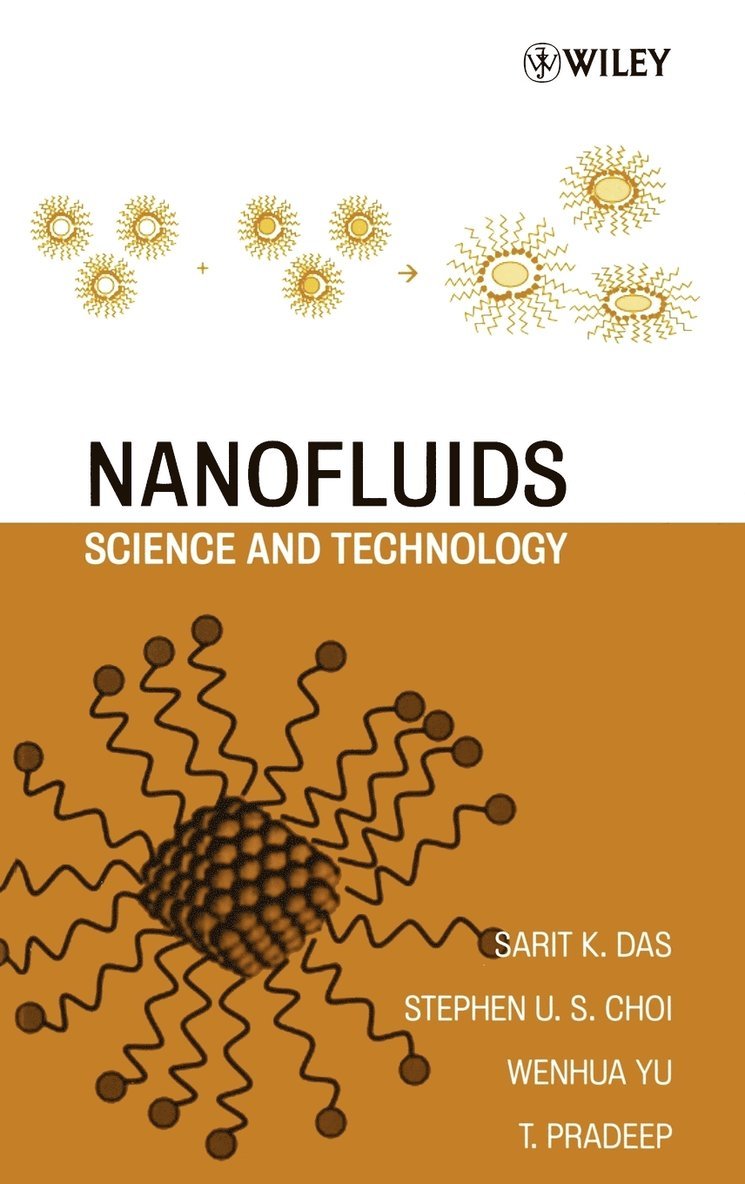
Nanofluids
Science and Technology
Av Sarit K. Das, Stephen U. Choi m. fl.
Inbunden, 2007
2224 kr
Lägg i varukorg
Introduction to nanofluids--their properties, synthesis, characterization, and applications Nanofluids are attracting a great deal of interest with their enormous potential to provide enhanced performance properties, particularly with respect to heat transfer. In response, this text takes you on a …
Nanofluids
Science and Technology
Av T. Pradeep, Wenhua Yu m. fl.
E-bok, 2007
2590 kr
Lägg i varukorg
Introduction to nanofluids--their properties, synthesis, characterization, and applications Nanofluids are attracting a great deal of interest with their enormous potential to provide enhanced performance properties, particularly with respect to heat transfer. In response, this text takes you on a …
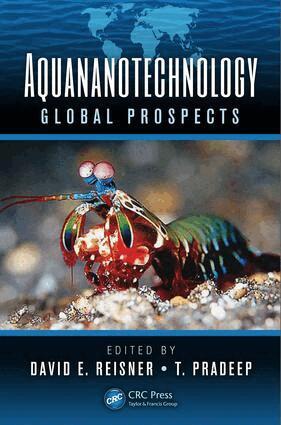
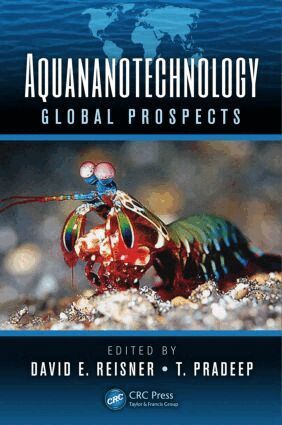
Aquananotechnology
Global Prospects
Av David E. Reisner, T. Pradeep
E-bok, 2014
1576 kr
Lägg i varukorg
The world's fresh water supplies are dwindling rapidly-even wastewater is now considered an asset. By 2025, most of the world's population will be facing serious water stresses and shortages. Aquananotechnology: Global Prospects breaks new ground with its informative and innovative introduction of …
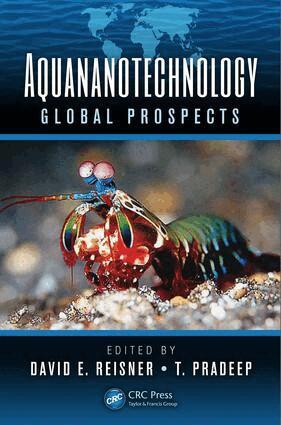
Aquananotechnology
Global Prospects
Av David E. Reisner, T. Pradeep
Häftad, 2018
1336 kr
Lägg i varukorg
The world’s fresh water supplies are dwindling rapidly—even wastewater is now considered an asset. By 2025, most of the world's population will be facing serious water stresses and shortages. Aquananotechnology: Global Prospects breaks new ground with its informative and innovative introduction of …
Aquananotechnology
Global Prospects
Av David E. Reisner, T. Pradeep
Inbunden, 2014
3439 kr
Lägg i varukorg
The world’s fresh water supplies are dwindling rapidly—even wastewater is now considered an asset. By 2025, most of the world's population will be facing serious water stresses and shortages. Aquananotechnology: Global Prospects breaks new ground with its informative and innovative introduction of …
Aquananotechnology
Global Prospects
Av David E. Reisner, T. Pradeep
E-bok, 2014
1530 kr
Lägg i varukorg
The world's fresh water supplies are dwindling rapidly-even wastewater is now considered an asset. By 2025, most of the world's population will be facing serious water stresses and shortages. Aquananotechnology: Global Prospects breaks new ground with its informative and innovative introduction of …
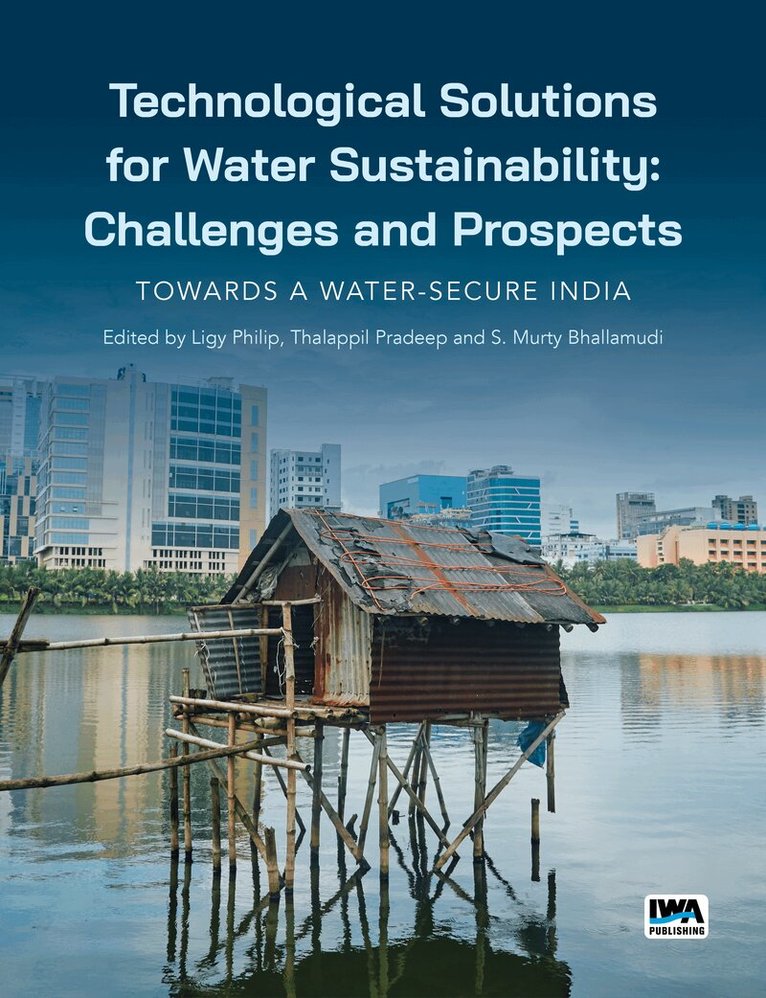
Technological Solutions for Water Sustainability
Challenges & Prospects - towards a water-secure India
Av Ligy Philip, T. Pradeep m. fl.
Häftad, 2023
1728 kr
Lägg i varukorg
The book provides an overview of technical sustainable water management in the Global South, mainly in India. The book is structured in five sections: (1) current state and challenges, (2) new age materials in (waste) water treatment, (3) new technologies developed for (waste) water treatment, (4) …