T. Ryan Byerly – författare
1 254 kr
Läs direkt efter köp
1 254 kr
Läs direkt efter köp
1 129 kr
Skickas inom 5-8 vardagar
1 681 kr
Skickas inom 5-8 vardagar
2 176 kr
Skickas inom 10-15 vardagar
2 176 kr
Skickas inom 10-15 vardagar
581 kr
Skickas inom 10-15 vardagar
595 kr
Skickas inom 10-15 vardagar
746 kr
Läs direkt efter köp
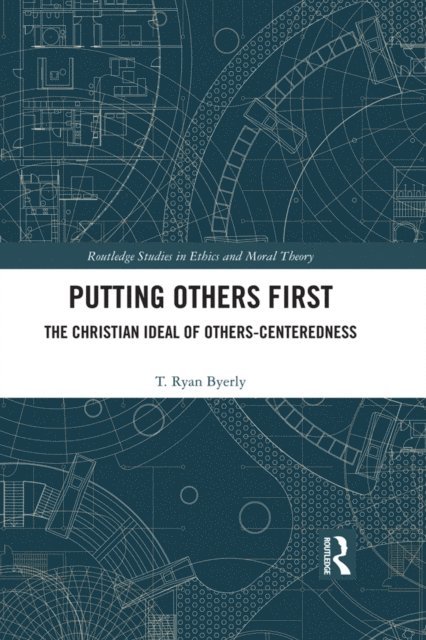
When deciding what to do, is it best to treat one’s own interests as more important than the interests of others, others’ interests as more important than one’s own, or one’s own and others’ interests as equally important? This book develops an account of others-centeredness, a way of putting others first in the process of deciding what to do. Over the course of six chapters, Putting Others First investigates other-centeredness by drawing upon a wide range of academic disciplines including biblical studies, feminist scholarship, philosophy, psychology, and theology.
The author begins by explaining the nature of others-centeredness as a character trait in detail and connecting it with other contemporary projects in virtue theory. He argues that foundational texts of the New Testament can be plausibly read as advocating for others-centeredness. He then develops a provisional case for the value of others-centeredness from the perspective of each of the three major approaches to normative ethics: consequentialism, deontology, and virtue ethics. Next, the author confronts challenging questions about the value of others-centeredness, including whether others-centeredness requires an impossibly strong sort of altruism, whether it leads its possessors into self-destructive relationships, and whether it leads to offering help that hurts others. Finally, he examines the place of others-centeredness within a person’s moral psychology by considering the relationship between it and other virtues and vices, and reviews relevant scientific findings that illuminate the value and causal role of others-centeredness.
746 kr
Läs direkt efter köp
When deciding what to do, is it best to treat one’s own interests as more important than the interests of others, others’ interests as more important than one’s own, or one’s own and others’ interests as equally important? This book develops an account of others-centeredness, a way of putting others first in the process of deciding what to do. Over the course of six chapters, Putting Others First investigates other-centeredness by drawing upon a wide range of academic disciplines including biblical studies, feminist scholarship, philosophy, psychology, and theology.
The author begins by explaining the nature of others-centeredness as a character trait in detail and connecting it with other contemporary projects in virtue theory. He argues that foundational texts of the New Testament can be plausibly read as advocating for others-centeredness. He then develops a provisional case for the value of others-centeredness from the perspective of each of the three major approaches to normative ethics: consequentialism, deontology, and virtue ethics. Next, the author confronts challenging questions about the value of others-centeredness, including whether others-centeredness requires an impossibly strong sort of altruism, whether it leads its possessors into self-destructive relationships, and whether it leads to offering help that hurts others. Finally, he examines the place of others-centeredness within a person’s moral psychology by considering the relationship between it and other virtues and vices, and reviews relevant scientific findings that illuminate the value and causal role of others-centeredness.
245 kr
Skickas
682 kr
Läs direkt efter köp
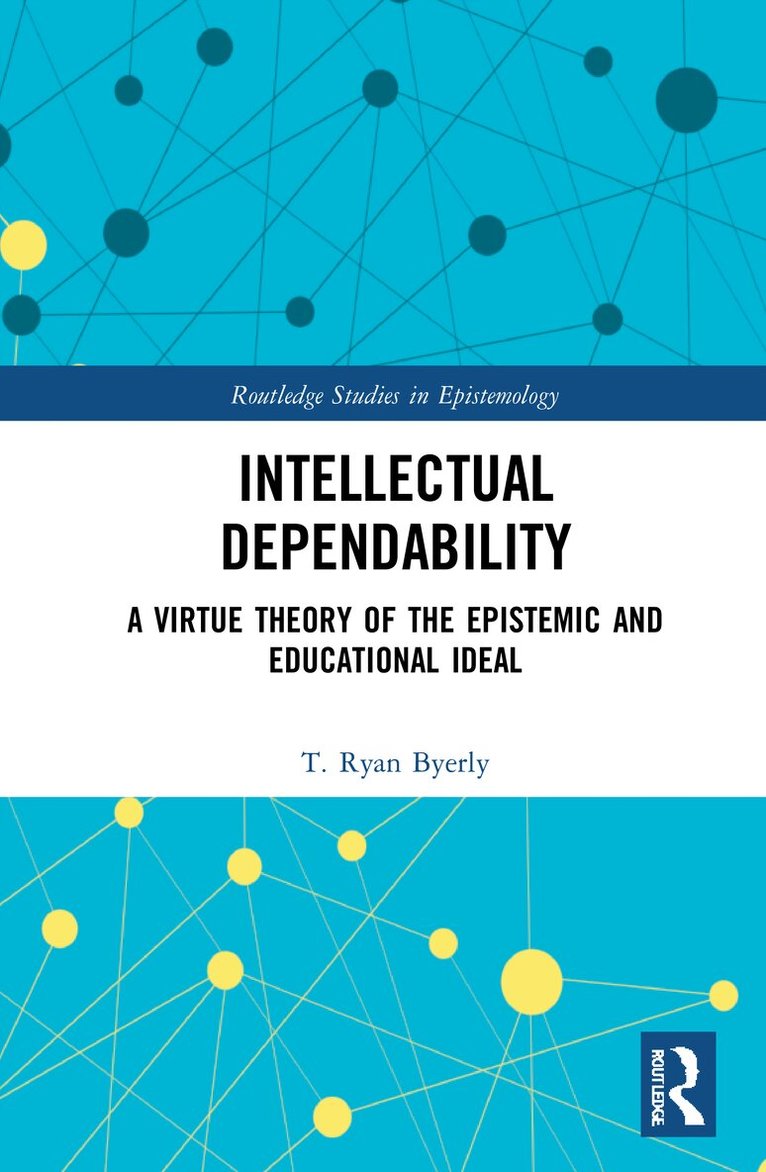
Intellectual Dependability is the first research monograph devoted to addressing the question of what it is to be an intellectually dependable person—the sort of person on whom one’s fellow inquirers can depend in their pursuit of epistemic goods. While neglected in recent scholarship, this question is an important one for both epistemology—how we should conceptualize the ideal inquirer—and education—how we can enable developing learners to grow toward this ideal.
The book defends a virtue theory according to which being an intellectually dependable person is distinctively a matter of possessing a suite of neglected virtues called "the virtues of intellectual dependability" that are themselves distinctively concerned with promoting epistemic goods in others’ inquiries. After defending the existence and educational significance of these virtues as a group, the book turns toward the project of identifying and conceptualizing several specific instances of these virtues in detail. Virtues discussed include intellectual benevolence, intellectual transparency, communicative clarity, audience sensitivity, and epistemic guidance. In each case, an interdisciplinary treatment of the nature of the virtue and its relationship to other virtues, vices, and personality features is offered, drawing especially on relevant research in Philosophy and Psychology. The book concludes with a chapter devoted to identifying distinctive ways these virtues of intellectual dependability are manifested when it is inquiring communities, rather than individuals, that occupy the position of intellectual dependence.
By directing attention to the ideal of intellectual dependability, the book marks a novel turn of scholarly interest explicitly toward a neglected dimension of the ideal inquirer that will inform both epistemological theorizing and educational practice.
682 kr
Läs direkt efter köp
Intellectual Dependability is the first research monograph devoted to addressing the question of what it is to be an intellectually dependable person—the sort of person on whom one’s fellow inquirers can depend in their pursuit of epistemic goods. While neglected in recent scholarship, this question is an important one for both epistemology—how we should conceptualize the ideal inquirer—and education—how we can enable developing learners to grow toward this ideal.
The book defends a virtue theory according to which being an intellectually dependable person is distinctively a matter of possessing a suite of neglected virtues called "the virtues of intellectual dependability" that are themselves distinctively concerned with promoting epistemic goods in others’ inquiries. After defending the existence and educational significance of these virtues as a group, the book turns toward the project of identifying and conceptualizing several specific instances of these virtues in detail. Virtues discussed include intellectual benevolence, intellectual transparency, communicative clarity, audience sensitivity, and epistemic guidance. In each case, an interdisciplinary treatment of the nature of the virtue and its relationship to other virtues, vices, and personality features is offered, drawing especially on relevant research in Philosophy and Psychology. The book concludes with a chapter devoted to identifying distinctive ways these virtues of intellectual dependability are manifested when it is inquiring communities, rather than individuals, that occupy the position of intellectual dependence.
By directing attention to the ideal of intellectual dependability, the book marks a novel turn of scholarly interest explicitly toward a neglected dimension of the ideal inquirer that will inform both epistemological theorizing and educational practice.
665 kr
Läs direkt efter köp
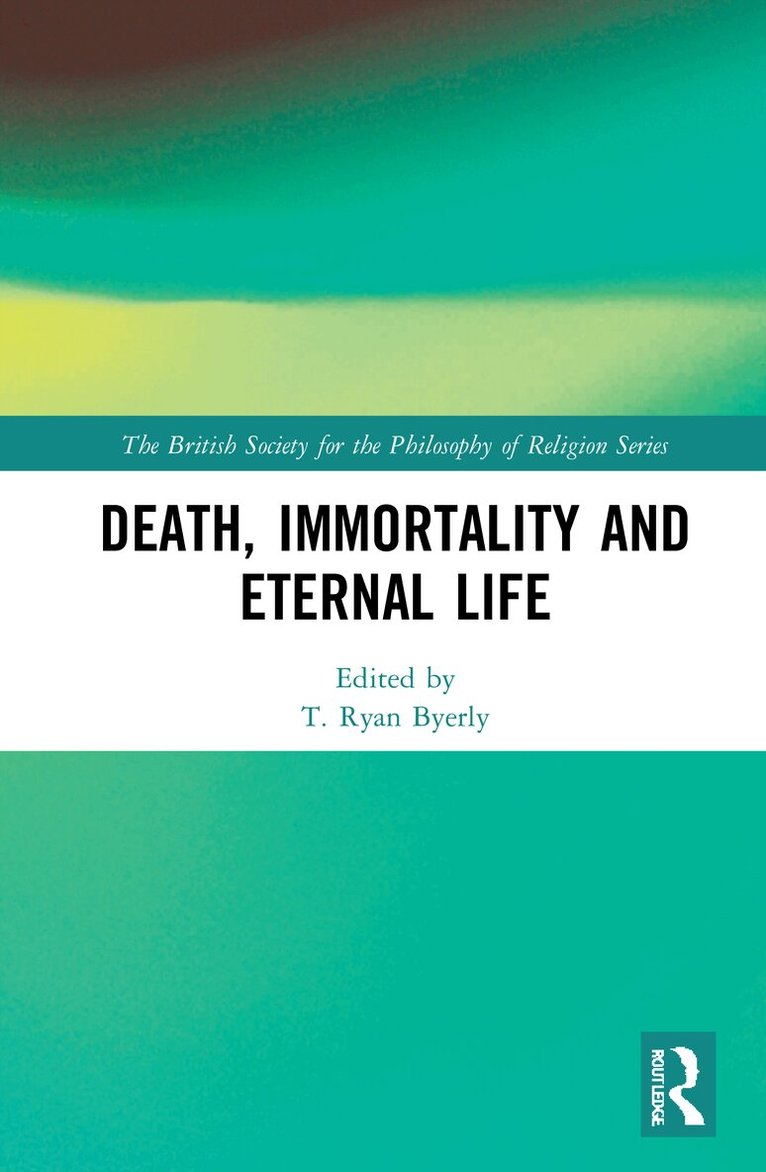
This book offers a multifaceted exploration of death and the possibilities for an afterlife. By incorporating a variety of approaches to these subjects, it provides a unique framework for extending and reshaping enduring philosophical debates around human existence up to and after death.
Featuring original essays from a diverse group of international scholars, the book is arranged in four main sections. Firstly, it addresses how death is or should be experienced, engaging with topics such as near-death experiences, continuing bonds with the deceased, and attitudes toward dying. Secondly, it looks at surviving death, addressing the metaphysics of human persons, the nature of time, the nature of the true self, and the nature of the divine. It then evaluates the value of mortality and immortality, drawing upon the resources of the history of philosophy, meta-analysis of contemporary debates, and the analogy between individual death and species extinction. Finally, it explores what an eternal life might be like, examining the place of selflessness, embodiment, and racial identity in such a life.
This volume allows for a variety of philosophical and theological perspectives to be brought to bear on the end of life and what might be beyond. As such, it will be a fascinating resource for scholars in the philosophy of religion, theology, and death studies.
665 kr
Läs direkt efter köp
This book offers a multifaceted exploration of death and the possibilities for an afterlife. By incorporating a variety of approaches to these subjects, it provides a unique framework for extending and reshaping enduring philosophical debates around human existence up to and after death.
Featuring original essays from a diverse group of international scholars, the book is arranged in four main sections. Firstly, it addresses how death is or should be experienced, engaging with topics such as near-death experiences, continuing bonds with the deceased, and attitudes toward dying. Secondly, it looks at surviving death, addressing the metaphysics of human persons, the nature of time, the nature of the true self, and the nature of the divine. It then evaluates the value of mortality and immortality, drawing upon the resources of the history of philosophy, meta-analysis of contemporary debates, and the analogy between individual death and species extinction. Finally, it explores what an eternal life might be like, examining the place of selflessness, embodiment, and racial identity in such a life.
This volume allows for a variety of philosophical and theological perspectives to be brought to bear on the end of life and what might be beyond. As such, it will be a fascinating resource for scholars in the philosophy of religion, theology, and death studies.
651 kr
Skickas inom 10-15 vardagar
2 176 kr
Skickas inom 10-15 vardagar
294 kr
Läs direkt efter köp
544 kr
Skickas inom 10-15 vardagar
1 660 kr
Skickas inom 10-15 vardagar
570 kr
Läs direkt efter köp
575 kr
Läs direkt efter köp