T. Stephen Whitman – författare
Visar alla böcker från författaren T. Stephen Whitman. Handla med fri frakt och snabb leverans.
6 produkter
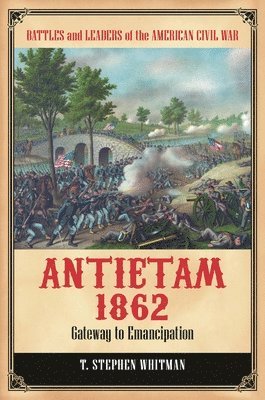
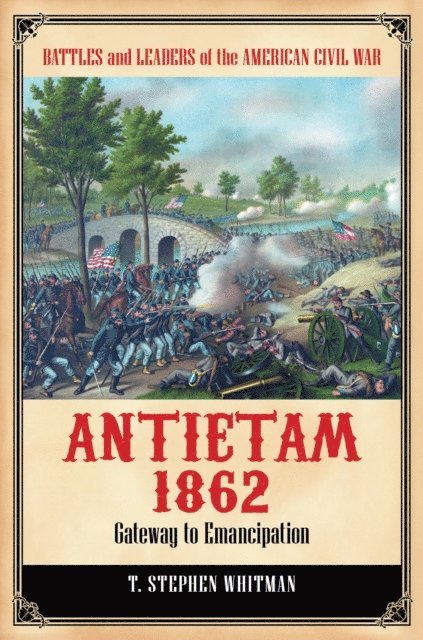
Antietam 1862
Gateway to Emancipation
Inbunden, 2012
732 kr
Lägg i varukorg
This book explains how the Battle of Antietam—a conflict that changed nothing militarily—still played a pivotal role in the Civil War by affording Abraham Lincoln an opportunity to announce the emancipation of slaves in states in rebellion.Antietam 1862: Gateway to Emancipation examines the …
Antietam 1862
Gateway to Emancipation
E-bok, 2012
803 kr
Lägg i varukorg
This book explains how the Battle of Antietam—a conflict that changed nothing militarily—still played a pivotal role in the Civil War by affording Abraham Lincoln an opportunity to announce the emancipation of slaves in states in rebellion. Antietam 1862: Gateway to Emancipation examines the …
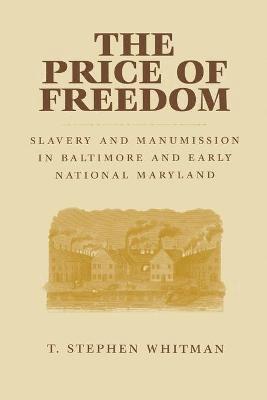
Price of Freedom
Slavery and Manumission in Baltimore and Early National Maryland
Häftad, 2014
458 kr
Lägg i varukorg
A stereotypical image of manumission is that of a benign plantation owner freeing his slaves on his deathbed. But as Stephen Whitman demonstrates, the truth was far more complex, especially in border states where manumission was much more common. Whitman analyzes the economic and social history of …
Price of Freedom
Slavery and Manumission in Baltimore and Early National Maryland
E-bok, 2014
539 kr
Lägg i varukorg
A stereotypical image of manumission is that of a benign plantation owner freeing his slaves on his deathbed. But as Stephen Whitman demonstrates, the truth was far more complex, especially in border states where manumission was much more common. Whitman analyzes the economic and social history of …
Antietam 1862
Gateway to Emancipation
E-bok, 2012
785 kr
Lägg i varukorg
This book explains how the Battle of Antietam—a conflict that changed nothing militarily—still played a pivotal role in the Civil War by affording Abraham Lincoln an opportunity to announce the emancipation of slaves in states in rebellion. Antietam 1862: Gateway to Emancipation examines the …
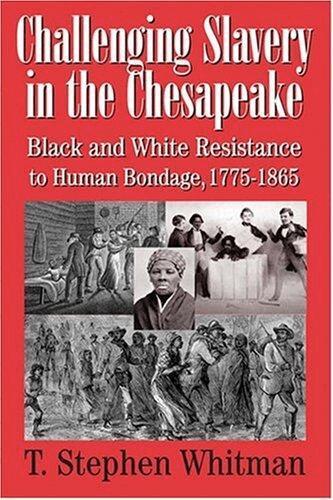
Challenging Slavery in the Chesapeake – Black and White Resistance to Human Bondage 1775–1865
Inbunden, 2007
208 kr
Tillfälligt slut
A chronological account of nine decades of antislavery activity in Maryland, Delaware, and Virginia, culminating in the Civil War. Challenging slavery could entail negotiating for freedom by manumission; grasping freedom by flight or insurrection; or uniting with external allies in the American …