Takuan Soho – författare
Visar alla böcker från författaren Takuan Soho. Handla med fri frakt och snabb leverans.
6 produkter
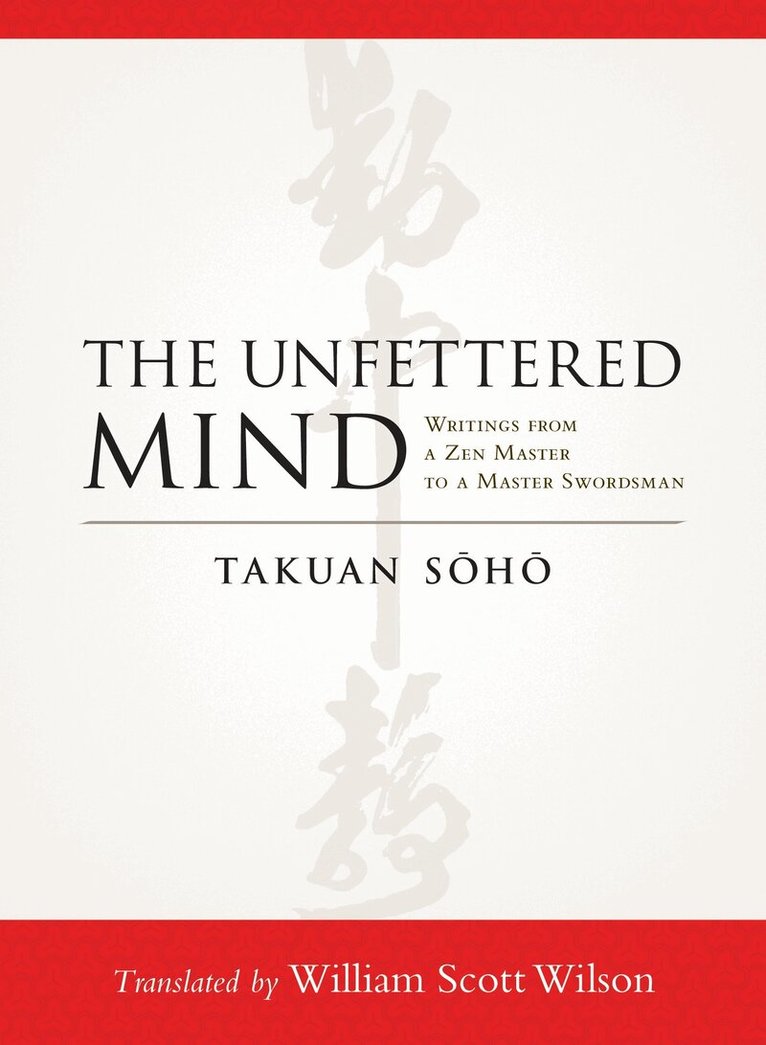
Unfettered Mind
Writings from a Zen Master to a Master Swordsman
Av Takuan Soho
Häftad, 2012
5,0 utav 5 stjärnor. Totalt antal röster: (1)
218 kr
Lägg i varukorg
The classic samurai-era text that fused Japanese swordsmanship with Zen philosophy—written by the incomparable Zen master Takuan Soho Written by the seventeenth-century Zen master Takuan Soho (1573–1645), The Unfettered Mind is a book of advice on swordsmanship and the cultivation of right mind and …
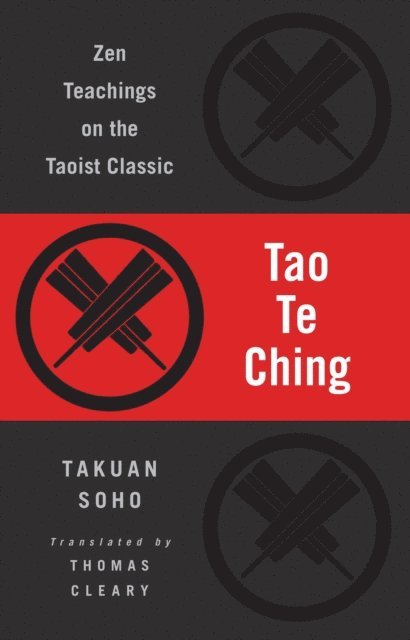
Tao Te Ching
Zen Teachings on the Taoist Classic
Av Takuan Soho, Lao Tzu
E-bok, 2011
165 kr
Lägg i varukorg
This version of the Tao Te Ching presents the classic in a unique light, through the eyes of a renowned master of the Rinzai Zen tradition. Takuan Soho, who lived from 1573 to 1645, was an acerbic, witty, free spirit who; a painter, poet, author, calligrapher, gardener, and a tea master. He was …
Unfettered Mind
Writings from a Zen Master to a Master Swordsman
Av Takuan Soho
E-bok, 2012
215 kr
Lägg i varukorg
This classic samurai-era text fused Japanese swordsmanship with Zen and influenced the direction that the art has taken ever since. Written by the seventeenth-century Zen master Takuan Soho (1573–1645), The Unfettered Mind is a book of advice on swordsmanship and the cultivation of right mind and …
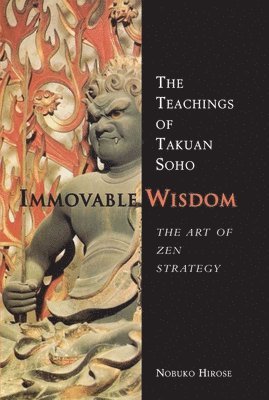
Immovable Wisdom, the Art of Zen Strategy
The Art of Zen Strategy, the Teachings of Takuan Soho
Av Takuan Soho
Häftad, 2014
305 kr
Lägg i varukorg
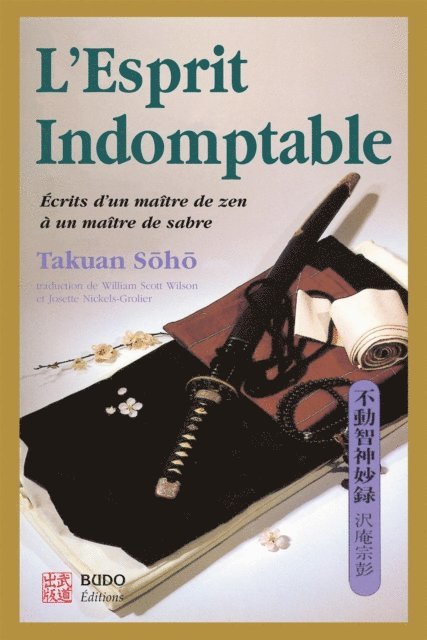
L'esprit indomptable
Av Takuan Soho
E-bok, 2016
153 kr
Lägg i varukorg
Dans leur ensemble, les trois écrits qui constituent cet ouvrage s’adressent à la classe des samouraïs et ont pour objet d’unifier l’esprit du zen à l’esprit du sabre. Les conseils donnés mêlent les aspects pratiques, techniques et philosophiques qui président à toute confrontation et apportent à …
L'esprit indomptable
Av Takuan Soho
E-bok, 2016
156 kr
Lägg i varukorg
Dans leur ensemble, les trois écrits qui constituent cet ouvrage s’adressent à la classe des samouraïs et ont pour objet d’unifier l’esprit du zen à l’esprit du sabre. Les conseils donnés mêlent les aspects pratiques, techniques et philosophiques qui président à toute confrontation et apportent à …