Takuji Sasaki – författare
Visar alla böcker från författaren Takuji Sasaki. Handla med fri frakt och snabb leverans.
10 produkter
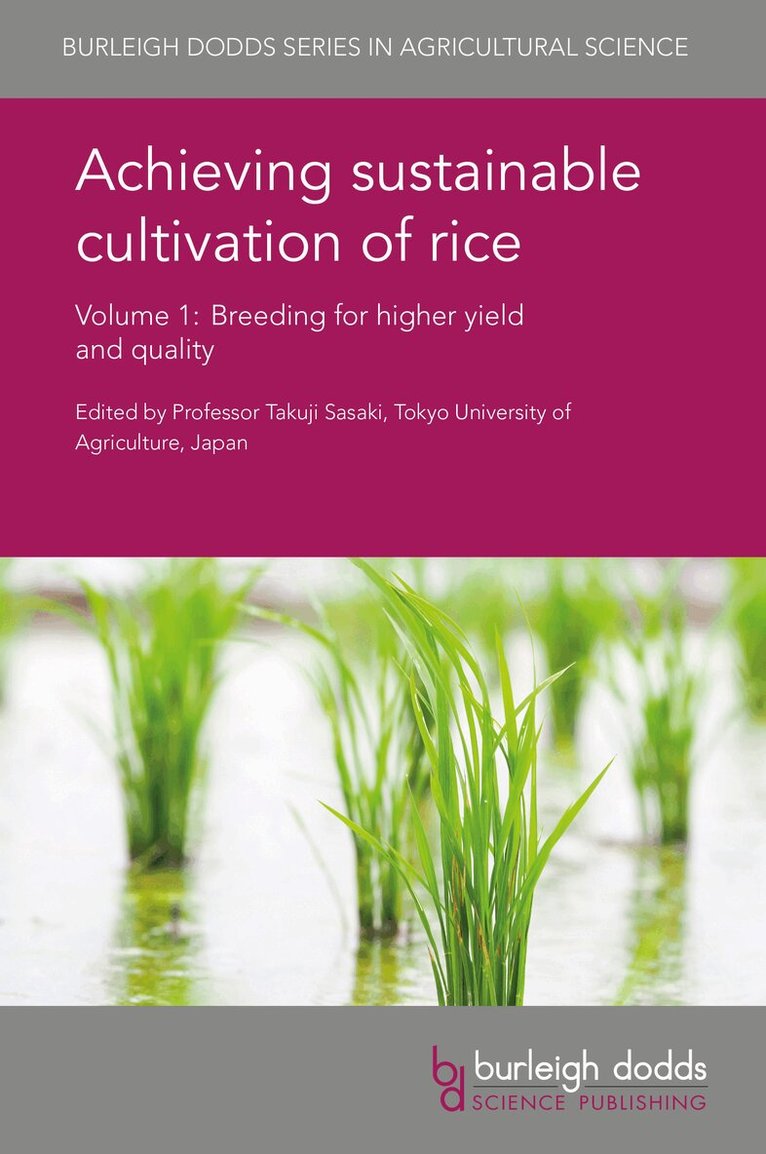
Achieving Sustainable Cultivation of Rice Volume 1
Breeding for Higher Yield and Quality
Inbunden, 2017
2329 kr
Lägg i varukorg
Rice is one of the most important foods in the world. As the demand for rice continues to increase, there is an urgent need to increase yields in the face of such challenges as climate change, threats from pests and diseases and the need to make cultivation more resource-efficient and …
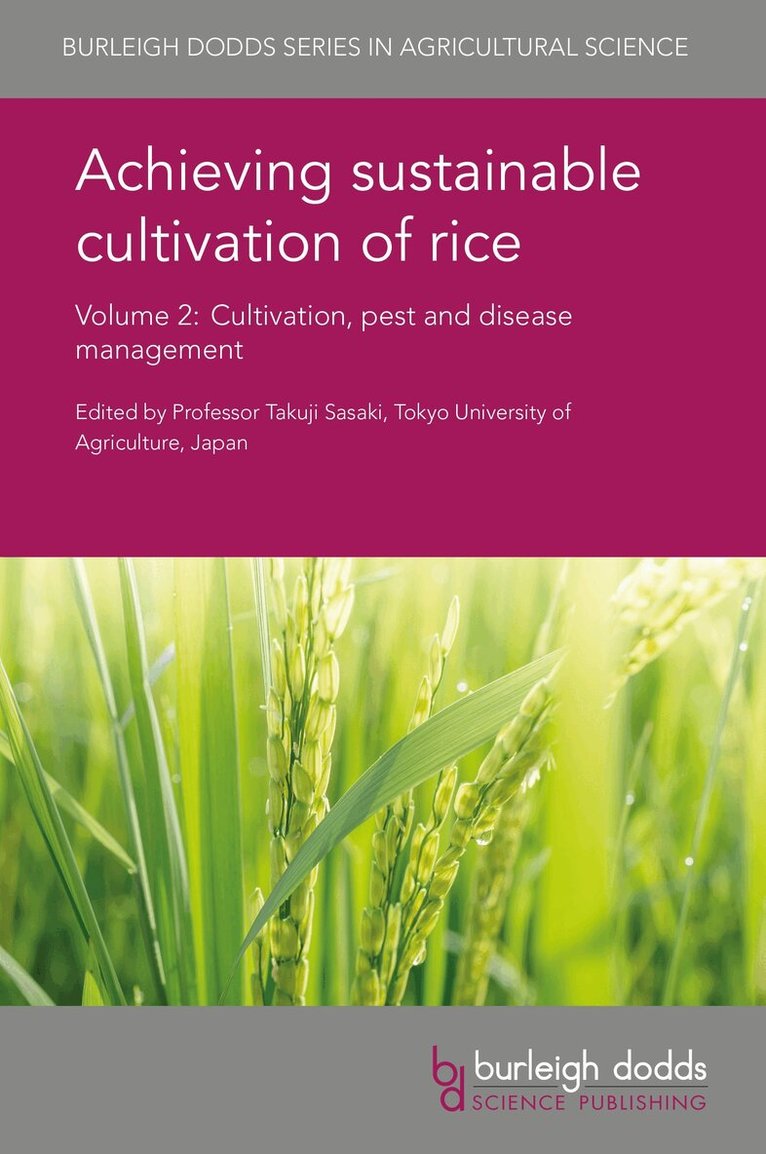
Achieving Sustainable Cultivation of Rice Volume 2
Cultivation, Pest and Disease Management
Inbunden, 2017
2621 kr
Lägg i varukorg
Rice is one of the most important foods in the world. As the demand for rice continues to increase, there is an urgent need to increase yields in the face of such challenges as climate change, threats from pests and diseases and the need to make cultivation more resource-efficient and …
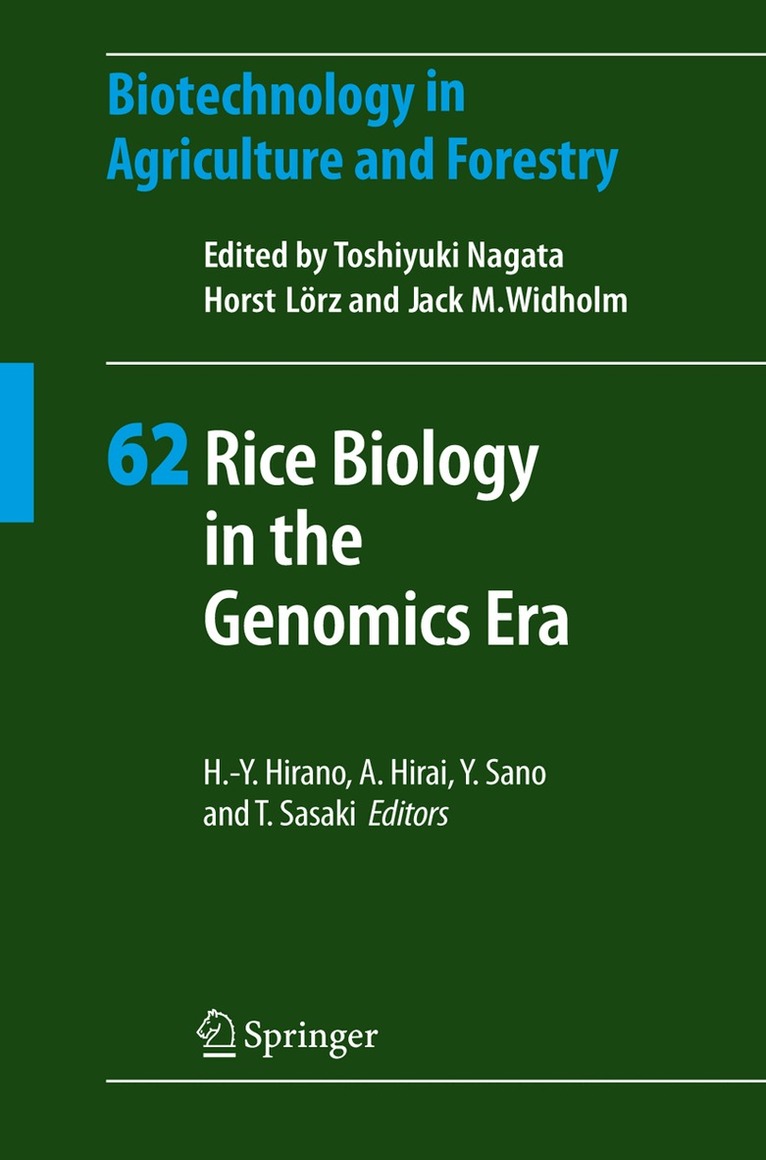
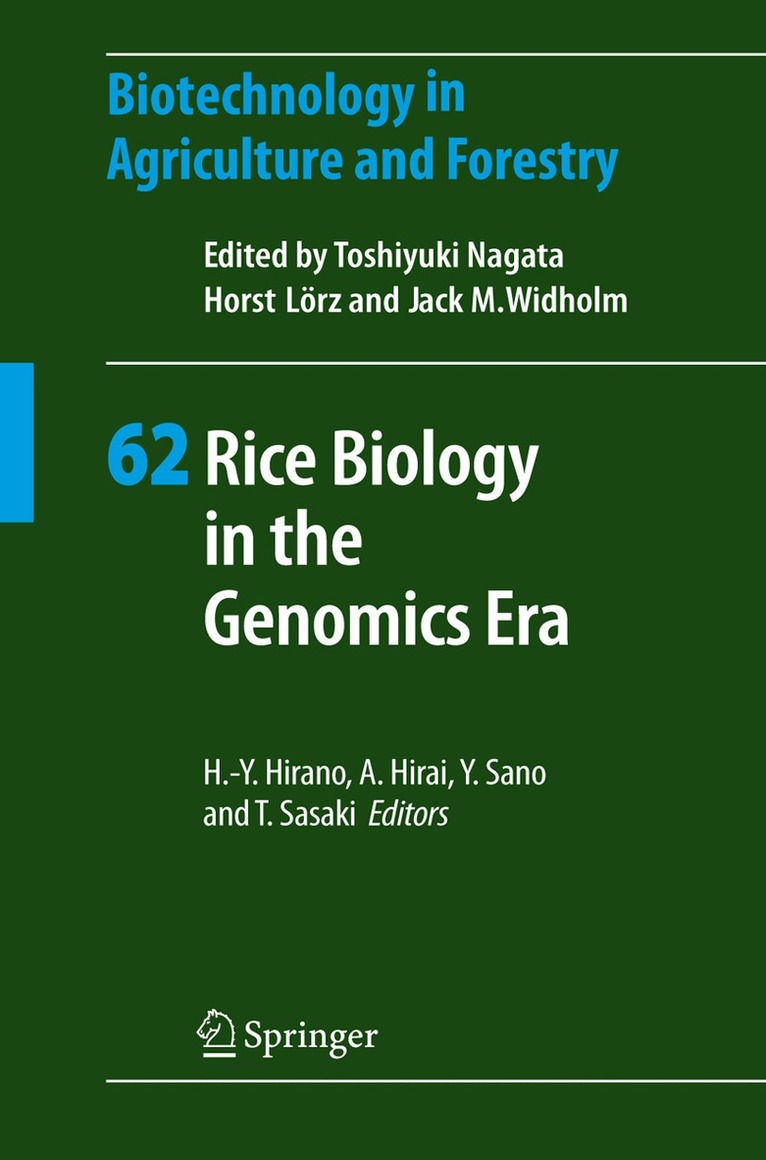
Rice Biology in the Genomics Era
Av Hiro-Yuki Hirano, Atshushi Hirai m. fl.
Inbunden, 2008
2183 kr
Lägg i varukorg
Rice (Oryza sativa) is one of the most important staple food crops in the world. Breeding efforts to improve the agronomical quality of rice have been conducted, and studies on rice from the viewpoint of basic biological interest have also been carried out. In 1991, a book entitled Rice (edited by …
Rice Biology in the Genomics Era
Av Takuji Sasaki, Yoshio Sano m. fl.
E-bok, 2008
2925 kr
Lägg i varukorg
Rice (Oryza sativa) is one of the most important staple food crops in the world. Breeding efforts to improve the agronomical quality of rice have been conducted, and studies on rice from the viewpoint of basic biological interest have also been carried out. In 1991, a book entitled Rice (edited by …
Rice Biology in the Genomics Era
Av Hiro-Yuki Hirano, Atshushi Hirai m. fl.
Häftad, 2010
2183 kr
Lägg i varukorg
Rice (Oryza sativa) is one of the most important staple food crops in the world. Breeding efforts to improve the agronomical quality of rice have been conducted, and studies on rice from the viewpoint of basic biological interest have also been carried out. In 1991, a book entitled Rice (edited by …
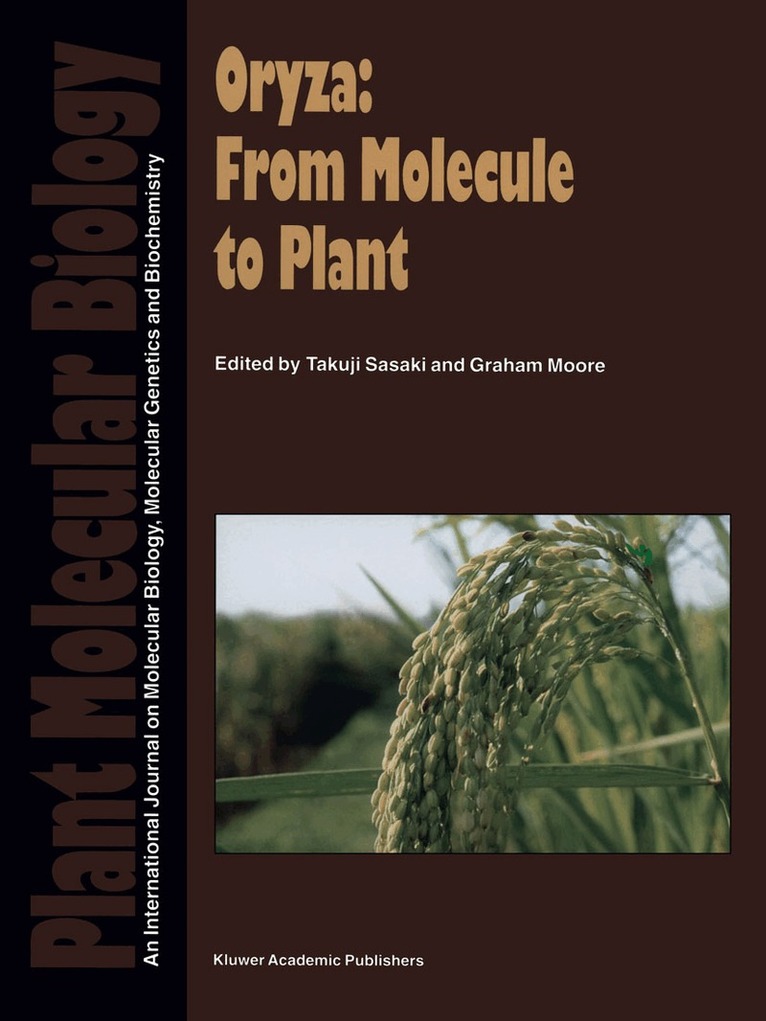
Oryza: From Molecule to Plant
Av Takuji Sasaki, Graham Moore
Häftad, 2013
1095 kr
Lägg i varukorg
Recent studies have shown that despite gross differences in genome size, the gene order in the cereal genomes has remained remarkably similar. This observation implies that the small genome of rice will reflect the basic structure of the cereal genomes. Rice will therefore become an important tool …
Oryza: From Molecule to Plant
Av Graham Moore, Takuji Sasaki
E-bok, 2012
1459 kr
Lägg i varukorg
Recent studies have shown that despite gross differences in genome size, the gene order in the cereal genomes has remained remarkably similar. This observation implies that the small genome of rice will reflect the basic structure of the cereal genomes. Rice will therefore become an important tool …
Rice Genomics, Genetics and Breeding
Av Takuji Sasaki, Motoyuki Ashikari
Inbunden, 2018
3054 kr
Lägg i varukorg
This book presents the latest advances in rice genomics, genetics and breeding, with a special focus on their importance for rice biology and how they are breathing new life into traditional genetics. Rice is the main staple food for more than half of the world’s population. Accordingly, …
Rice Genomics, Genetics and Breeding
Av Motoyuki Ashikari, Takuji Sasaki
E-bok, 2018
4066 kr
Lägg i varukorg
This book presents the latest advances in rice genomics, genetics and breeding, with a special focus on their importance for rice biology and how they are breathing new life into traditional genetics. Rice is the main staple food for more than half of the world’s population. Accordingly, …
Rice Genomics, Genetics and Breeding
Av Takuji Sasaki, Motoyuki Ashikari
Häftad, 2019
3054 kr
Lägg i varukorg
This book presents the latest advances in rice genomics, genetics and breeding, with a special focus on their importance for rice biology and how they are breathing new life into traditional genetics. Rice is the main staple food for more than half of the world’s population. Accordingly, …