Talwinder Kaur – författare
Visar alla böcker från författaren Talwinder Kaur. Handla med fri frakt och snabb leverans.
3 produkter
3 produkter
Inbunden, Engelska, 2026
2 308 kr
Kommande
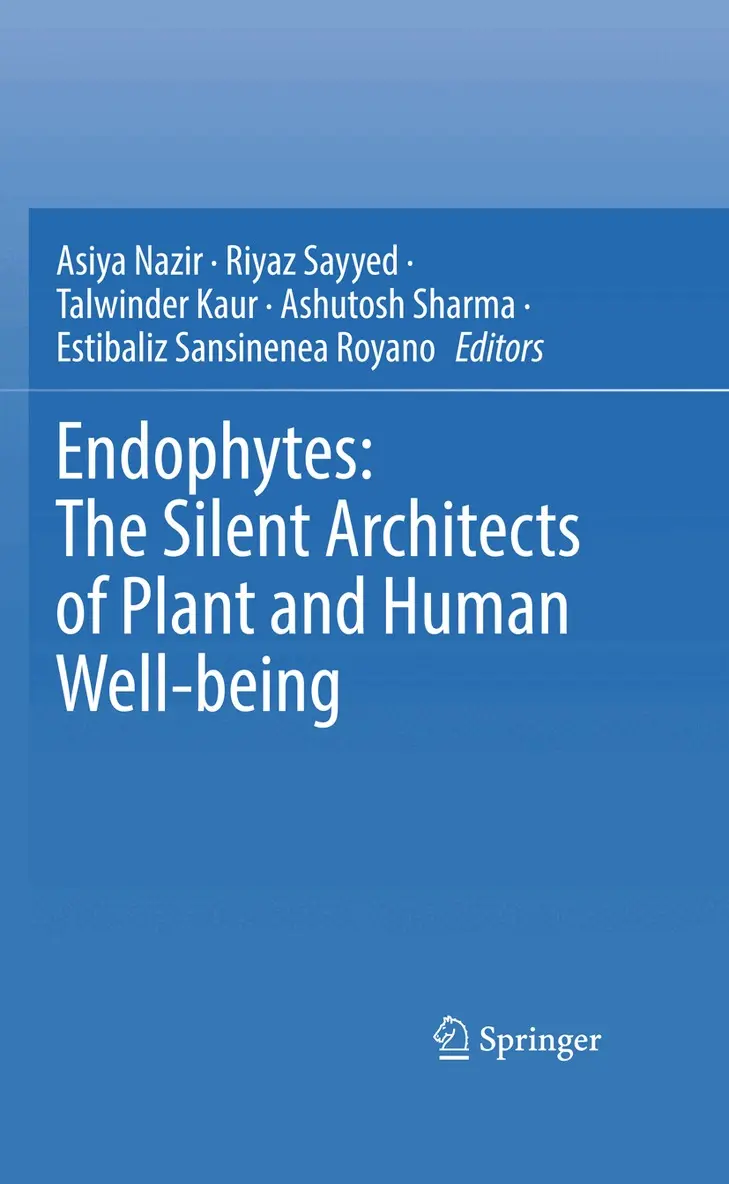
This book provides a clear and accessible overview of endophytes and their significance across plant biology, human health, and biotechnology. It introduces the biology of bacterial and fungal endophytes and describes their long‑established symbiotic interactions with plants. Emphasis is placed on their contributions to plant growth, nutrient uptake, stress tolerance, and resistance to pathogens.The volume outlines current insights into the diverse secondary metabolites produced by endophytes, many of which exhibit antimicrobial, antifungal, anticancer, or immunomodulatory activities. These characteristics highlight their growing relevance for pharmaceutical research, including the development of new antibiotics and therapeutic agents. Additional chapters address emerging applications in dermatology, probiotic development, and microbiome studies.In agricultural settings, endophytes serve as effective biostimulants and biocontrol agents, offering environmentally sustainable alternatives to synthetic agrochemicals. Their ability to enhance plant resilience makes them an important component of future crop production strategies.The book also explores the expanding role of endophytes in industrial and environmental biotechnology. Their capacity to degrade pollutants, support bioremediation processes, and contribute to the production of biofuels, bioplastics, and other bio‑based materials underscores their broad technological potential.Providing an interdisciplinary and up‑to‑date perspective, this volume is intended for researchers, academics, students and industry professionals in biotechnology‑related fields. It offers a concise yet comprehensive introduction to the diverse applications and future possibilities of endophyte research.
Inbunden, Engelska, 2026
2 174 kr
Skickas inom 10-15 vardagar
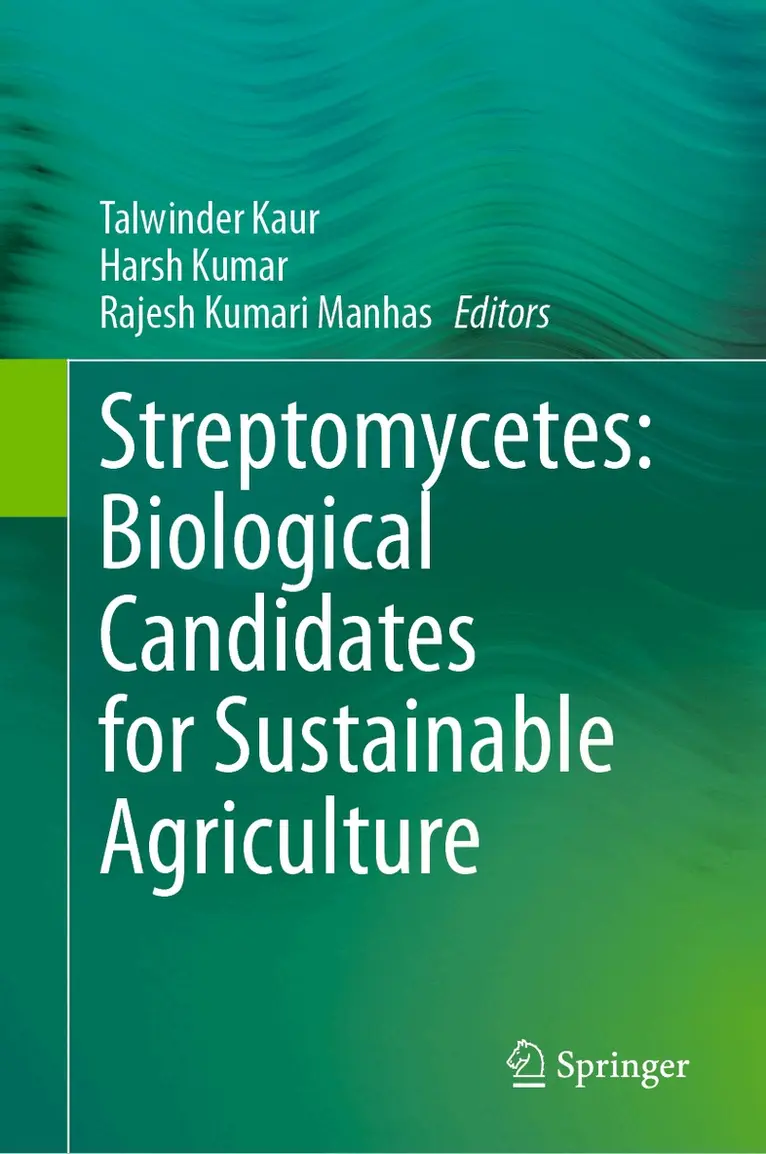
This edited book offers a comprehensive exploration of the role that Streptomyces, a genus of actinobacteria, plays in sustainable agriculture. As the world grapples with the dual challenges of a growing population and environmental sustainability, Streptomyces emerges as a promising solution to enhance agricultural productivity while reducing reliance on harmful chemicals. This volume sheds new light on how Streptomyces can mitigate biotic and abiotic stresses, enhancing plant health and soil quality.The chapters cover topics such as the diversity of Streptomyces species and their bioactive metabolites, and their applications as biocontrol agents against phytopathogens, insect pests, and plant-parasitic nematodes. The book delves into the mechanisms by which these bacteria promote plant growth, offering insights into their potential to revolutionize agricultural practices. The book discusses the latest advancements in utilizing Streptomycetes for sustainable food production, addressing critical questions about their role in future agricultural systems.This volume is valuable for researchers, scholars, and practitioners in the fields of agriculture, microbiology, and environmental science. It invites readers to explore the intersection of microbial diversity and sustainable farming, providing insights that are crucial for developing innovative agricultural solutions.
E-bok
Engelska, 20262 741 kr
Läs direkt efter köp
This edited book offers a comprehensive exploration of the role that Streptomyces, a genus of actinobacteria, plays in sustainable agriculture. As the world grapples with the dual challenges of a growing population and environmental sustainability, Streptomyces emerges as a promising solution to enhance agricultural productivity while reducing reliance on harmful chemicals. This volume sheds new light on how Streptomyces can mitigate biotic and abiotic stresses, enhancing plant health and soil quality.The chapters cover topics such as the diversity of Streptomyces species and their bioactive metabolites, and their applications as biocontrol agents against phytopathogens, insect pests, and plant-parasitic nematodes. The book delves into the mechanisms by which these bacteria promote plant growth, offering insights into their potential to revolutionize agricultural practices. The book discusses the latest advancements in utilizing Streptomycetes for sustainable food production, addressing critical questions about their role in future agricultural systems.This volume is valuable for researchers, scholars, and practitioners in the fields of agriculture, microbiology, and environmental science. It invites readers to explore the intersection of microbial diversity and sustainable farming, providing insights that are crucial for developing innovative agricultural solutions.