Tamao Endo – författare
Visar alla böcker från författaren Tamao Endo. Handla med fri frakt och snabb leverans.
4 produkter
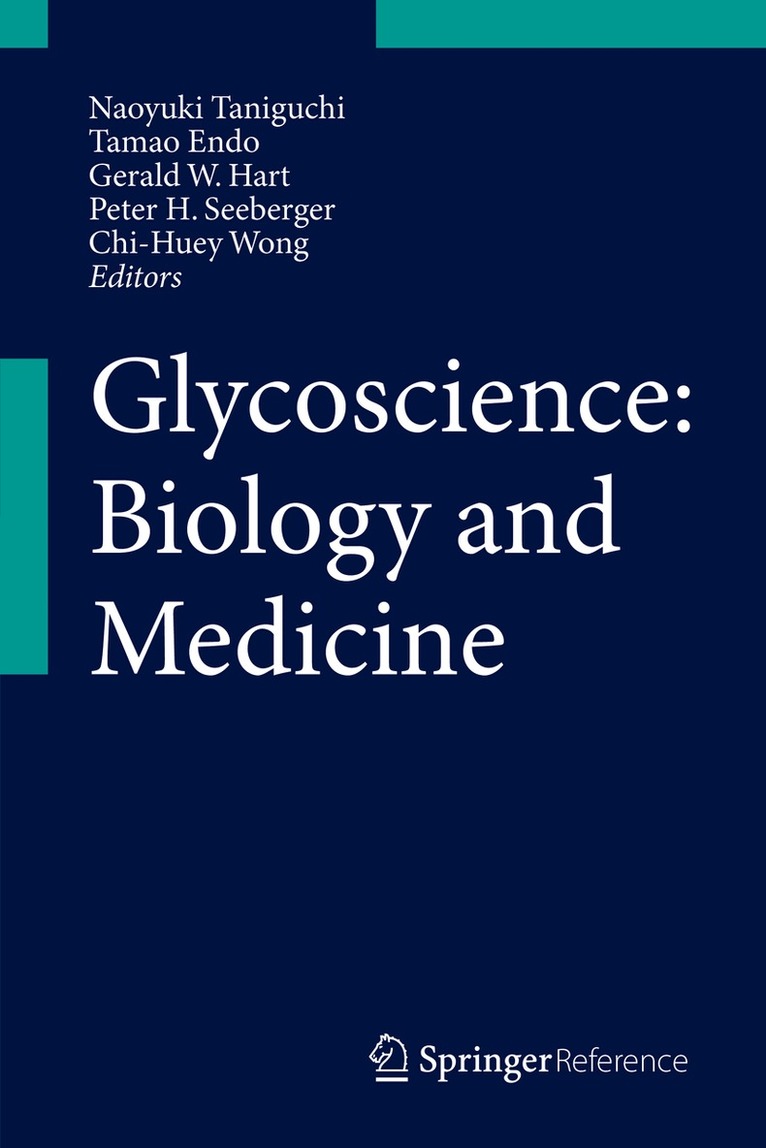
Glycoscience: Biology and Medicine
Av Naoyuki Taniguchi, Tamao Endo m. fl.
2014
6616 kr
Lägg i varukorg
The aim of the book is to provide a succinct overview of the current status of glycoscience from both basic biological and medical points of view and to propose future directions, in order to facilitate further integrations of glycoscience with other fields in biological and medical studies.Glycans …
Glycoscience: Biology and Medicine
Av Chi-Huey Wong, Peter H. Seeberger m. fl.
E-bok, 2014
7367 kr
Lägg i varukorg
The aim of the book is to provide a succinct overview of the current status of glycoscience from both basic biological and medical points of view and to propose future directions, in order to facilitate further integrations of glycoscience with other fields in biological and medical studies. …
Glycoscience: Basic Science to Applications
Insights from the Japan Consortium for Glycobiology and Glycotechnology (JCGG)
Av Kiyoko F. Aoki-Kinoshita, Kazunari Akiyoshi m. fl.
E-bok, 2019
2509 kr
Lägg i varukorg
This book presents the state of the art in glycoscience and proposes a road map for the coming decade, focusing on the potential of glycoscience research to shed light on important basic science issues and give rise to exciting new applications, especially in the field of diagnosis and …
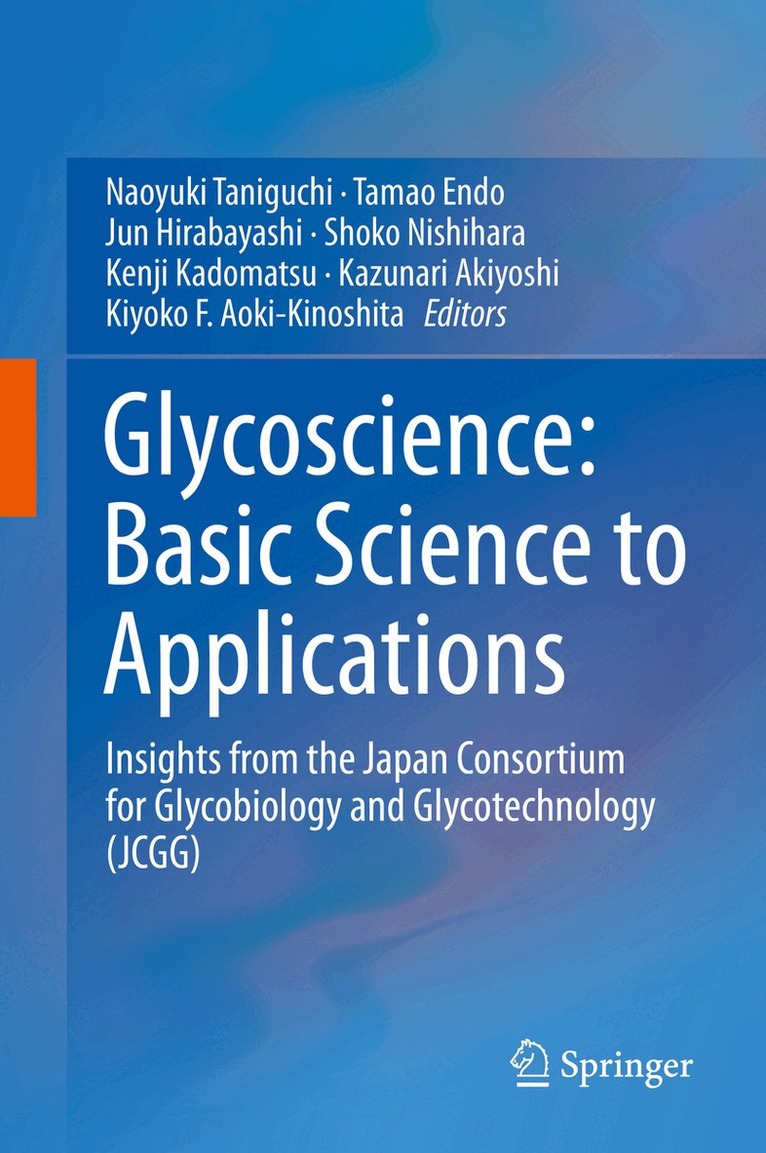
Glycoscience: Basic Science to Applications
Insights from the Japan Consortium for Glycobiology and Glycotechnology (JCGG)
Av Naoyuki Taniguchi, Tamao Endo m. fl.
Inbunden, 2019
2364 kr
Tillfälligt slut
This book presents the state of the art in glycoscience and proposes a road map for the coming decade, focusing on the potential of glycoscience research to shed light on important basic science issues and give rise to exciting new applications, especially in the field of diagnosis and …