Tamar Herzog – författare
Visar alla böcker från författaren Tamar Herzog. Handla med fri frakt och snabb leverans.
12 produkter
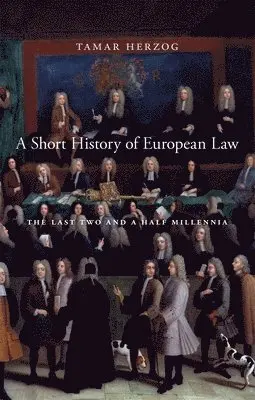
Short History of European Law
The Last Two and a Half Millennia
Av Tamar Herzog
Häftad, 2019
248 kr
Lägg i varukorg
A Short History of European Law brings to life 2,500 years of legal history, tying current norms to the circumstances of their conception. Tamar Herzog describes how successive legal systems built upon one another, from ancient times through the European Union. Roman law formed the backbone of each …
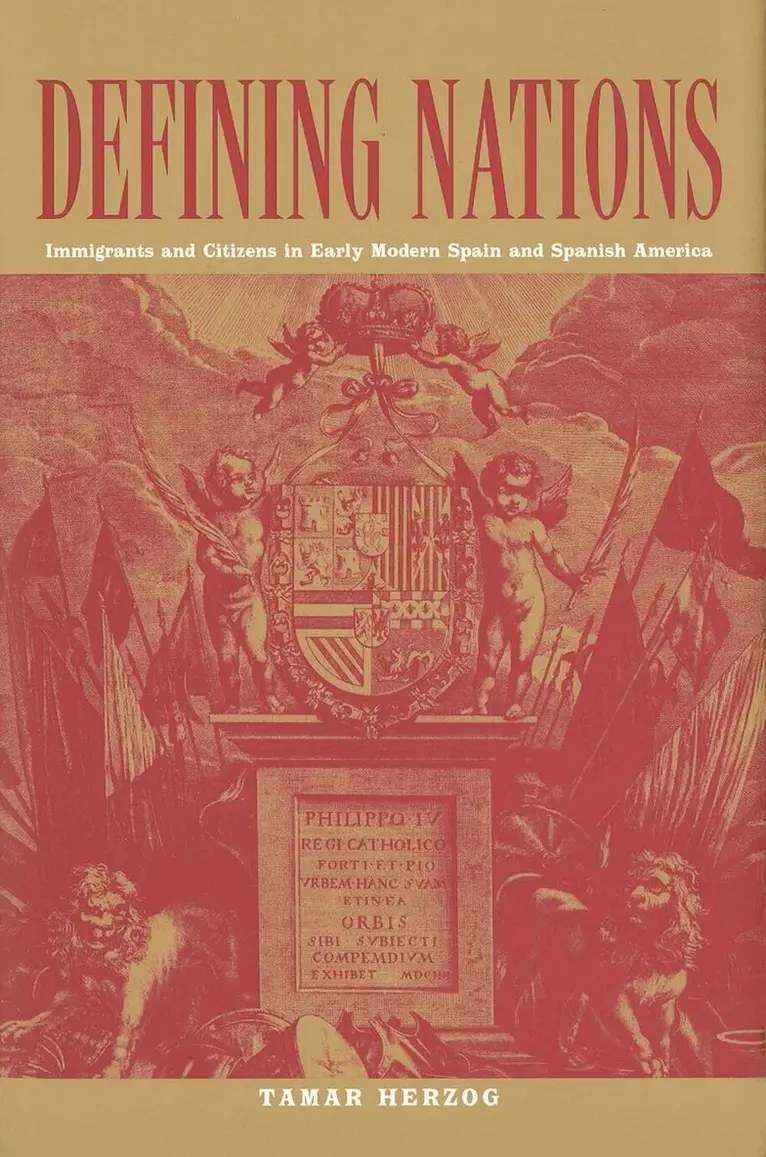
Defining Nations
Immigrants and Citizens in Early Modern Spain and Spanish America
Av Tamar Herzog
Häftad, 2011
563 kr
Lägg i varukorg
In this book Tamar Herzog explores the emergence of a specifically Spanish concept of community in both Spain and Spanish America in the eighteenth century. Challenging the assumption that communities were the natural result of common factors such as language or religion, or that they were …
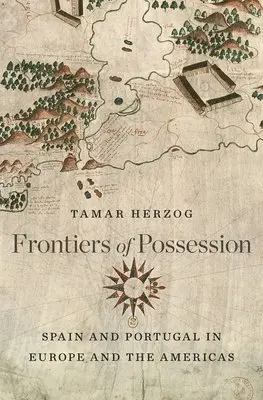
Frontiers of Possession
Spain and Portugal in Europe and the Americas
Av Tamar Herzog
Inbunden, 2015
429 kr
Lägg i varukorg
Frontiers of Possession asks how territorial borders were established in Europe and the Americas during the early modern period and challenges the standard view that national boundaries are largely determined by military conflicts and treaties. Focusing on Spanish and Portuguese claims in the New …
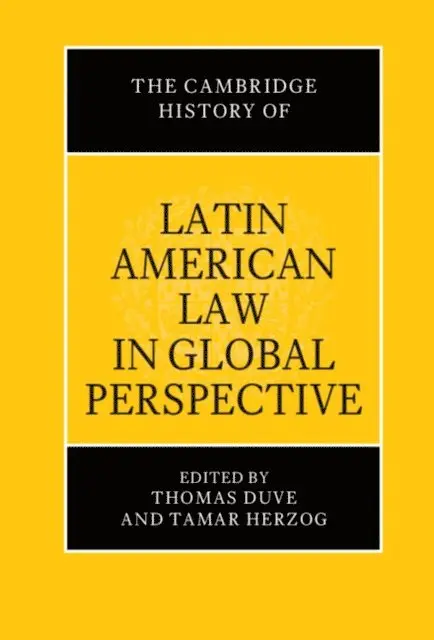
The Cambridge History of Latin American Law in Global Perspective
Inbunden, 2024
2130 kr
Lägg i varukorg
Covering the precolonial period to the present, The Cambridge History of Latin American Law in Global Perspective provides a comprehensive overview of Latin American law, revealing the vast commonalities and differences within the continent as well as entanglements with countries around the world. …
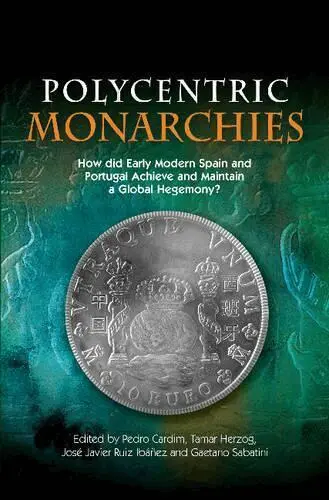
Polycentric Monarchies
How Did Early Modern Spain and Portugal Achieve and Maintain a Global Hegemony?
Inbunden, 2012
1957 kr
Lägg i varukorg
Having succeeded in establishing themselves in Europe, Asia, Africa and the Americas, in the early 16th century Spain and Portugal became the first imperial powers on a worldwide scale. Between 1580 and 1640, when these two entities were united, they achieved an almost global hegemony, constituting …
Collective and the Public in Latin America
Cultural Identities and Political Order
Häftad, 2013
563 kr
Lägg i varukorg
This book traces the interplay between the public structuring and regulation of identities and the creative processes of collective identification, appropriation and evasion of identities. It deals with the ways in which individuals and social groups have developed and enacted identities as …
Polycentric Monarchies
How Did Early Modern Spain and Portugal Achieve and Maintain a Global Hegemony?
Av Cardim, Pedro Cardim m. fl.
Häftad, 2014
635 kr
Lägg i varukorg
Having succeeded in establishing themselves in Europe, Asia, Africa and the Americas, in the early 16th century Spain and Portugal became the first imperial powers on a worldwide scale. Between 1580 and 1640, when these two entities were united, they achieved an almost global hegemony, constituting …
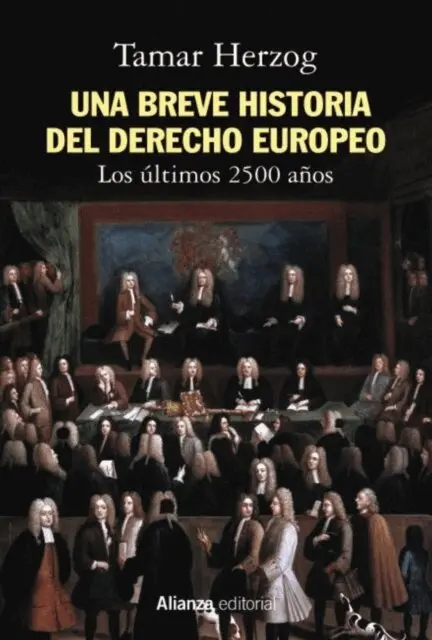
Una breve historia del derecho europeo
Los últimos 2.500 años
Av Tamar Herzog
E-bok, 2019
153 kr
Lägg i varukorg
"Una breve historia del derecho europeo" recorre los últimos dos mil quinientos años, desde los orígenes del derecho romano hasta las últimas transformaciones del derecho comunitario de la actual Unión Europea. Incide en los periodos y momentos de intensa transformación de la realidad jurídica, de …
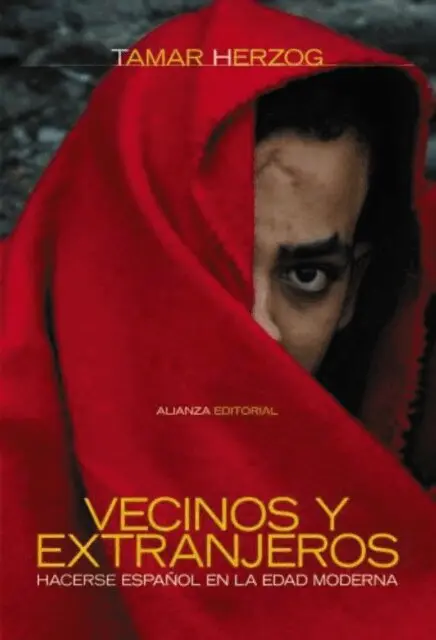
Vecinos y extranjeros
Hacerse español en la Edad Moderna
Av Tamar Herzog
E-bok, 2019
158 kr
Lägg i varukorg
¿Quién es español? ¿Qué condiciones deben darse para que alguien pueda ser considerado español? ¿Cuándo un extranjero deja de serlo? Estas y otras preguntas, implícitas en los debates actuales acerca de la identidad nacional y la inserción de los inmigrantes, pueden ser abordadas desde una …
Upholding Justice
Society, State, and the Penal System in Quito (1650-1750)
Av Tamar Herzog
Inbunden, 2004
1369 kr
Tillfälligt slut
In colonies like Quito, order was typically maintained by local, private law enforcement, while weak and impoverished bureaucratic infrastructures receded into the background. Judicial administration was therefore open to the influences of social networks, rumor, and reputation. Upholding justice …