Tamás Turányi – författare
Visar alla böcker från författaren Tamás Turányi. Handla med fri frakt och snabb leverans.
2 produkter
2 produkter
1 062 kr
Skickas inom 10-15 vardagar
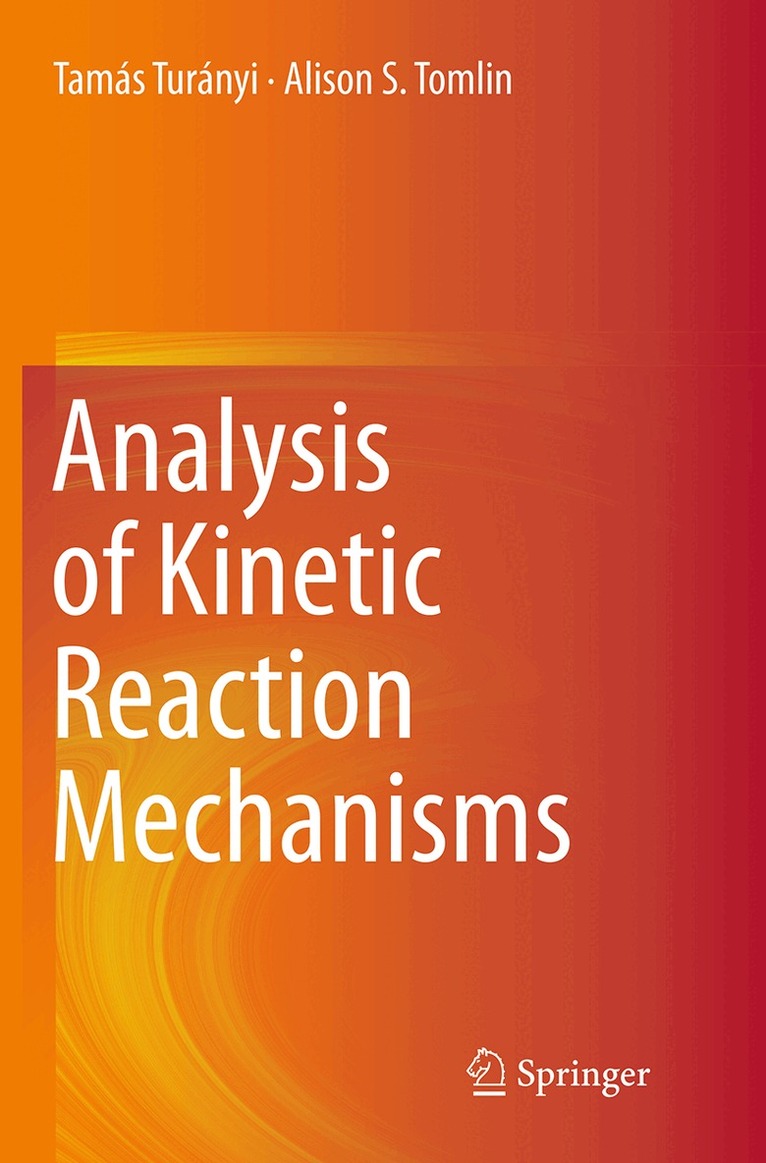
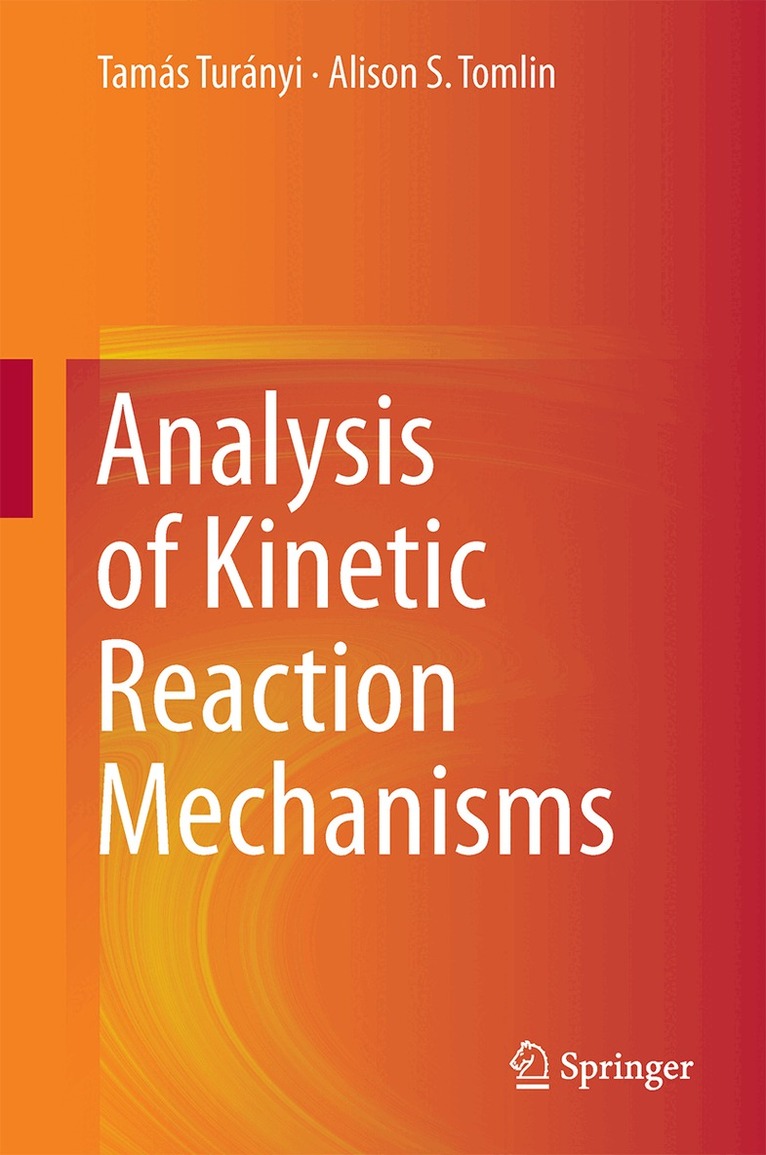
Chemical processes in many fields of science and technology, including combustion, atmospheric chemistry, environmental modelling, process engineering, and systems biology, can be described by detailed reaction mechanisms consisting of numerous reaction steps. This book describes methods for the analysis of reaction mechanisms that are applicable in all these fields. Topics addressed include: how sensitivity and uncertainty analyses allow the calculation of the overall uncertainty of simulation results and the identification of the most important input parameters, the ways in which mechanisms can be reduced without losing important kinetic and dynamic detail, and the application of reduced models for more accurate engineering optimizations. This monograph is invaluable for researchers and engineers dealing with detailed reaction mechanisms, but is also useful for graduate students of related courses in chemistry, mechanical engineering, energy and environmental science and biology.
1 062 kr
Skickas inom 10-15 vardagar
Chemical processes in many fields of science and technology, including combustion, atmospheric chemistry, environmental modelling, process engineering, and systems biology, can be described by detailed reaction mechanisms consisting of numerous reaction steps. This book describes methods for the analysis of reaction mechanisms that are applicable in all these fields. Topics addressed include: how sensitivity and uncertainty analyses allow the calculation of the overall uncertainty of simulation results and the identification of the most important input parameters, the ways in which mechanisms can be reduced without losing important kinetic and dynamic detail, and the application of reduced models for more accurate engineering optimizations. This monograph is invaluable for researchers and engineers dealing with detailed reaction mechanisms, but is also useful for graduate students of related courses in chemistry, mechanical engineering, energy and environmental science and biology.