Tamas Zetenyi – författare
Visar alla böcker från författaren Tamas Zetenyi. Handla med fri frakt och snabb leverans.
4 produkter
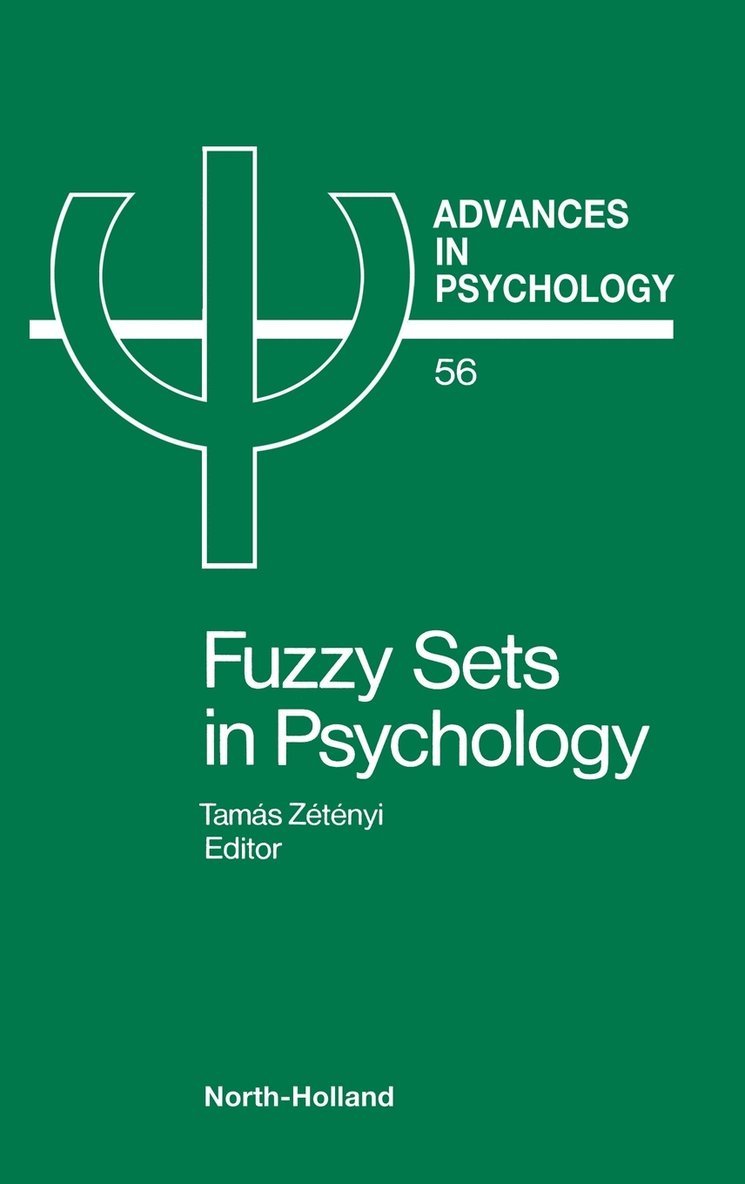
Fuzzy Sets in Psychology
Av Tamas Zetenyi, T. Zetenyi T. m. fl.
Inbunden, 1988
2306 kr
Lägg i varukorg
This volume provides an up-to-date picture of the current status of theoretical and empirical developments in the application of fuzzy sets in psychology. Fuzzy set theory could benefit researchers in at least two ways: first, as a metaphor or model for ordinary thought, and secondly, as an aid to …
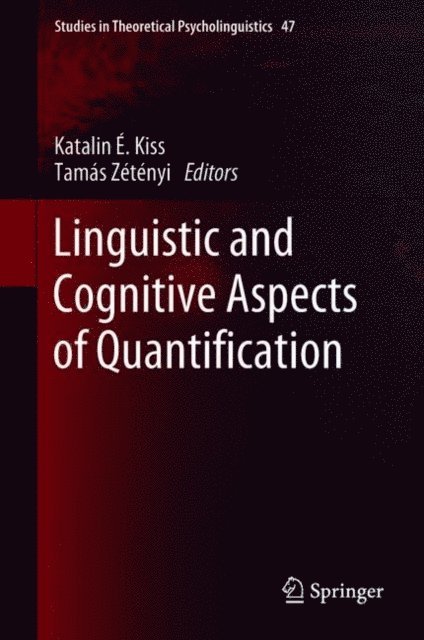
Linguistic and Cognitive Aspects of Quantification
Av Katalin É. Kiss, Tamás Zétényi
Häftad, 2018
1065 kr
Lägg i varukorg
This volume presents the results of psycholinguistic research into various aspects of the grammar of quantification. The investigations involve children and adults, speakers of different languages, using a variety of experimental paradigms. A shared aspect of the studies is that they present their …
Linguistic and Cognitive Aspects of Quantification
Av Katalin É. Kiss, Tamás Zétényi
Inbunden, 2018
1489 kr
Lägg i varukorg
This volume presents the results of psycholinguistic research into various aspects of the grammar of quantification. The investigations involve children and adults, speakers of different languages, using a variety of experimental paradigms. A shared aspect of the studies is that they present their …
Linguistic and Cognitive Aspects of Quantification
Av Tamas Zetenyi, Katalin E. Kiss
E-bok, 2018
1418 kr
Lägg i varukorg
This volume presents the results of psycholinguistic research into various aspects of the grammar of quantification. The investigations involve children and adults, speakers of different languages, using a variety of experimental paradigms. A shared aspect of the studies is that they present their …