Tamer Çetin - Böcker
Visar alla böcker från författaren Tamer Çetin. Handla med fri frakt och snabb leverans.
4 produkter
4 produkter
1 096 kr
Skickas inom 10-15 vardagar
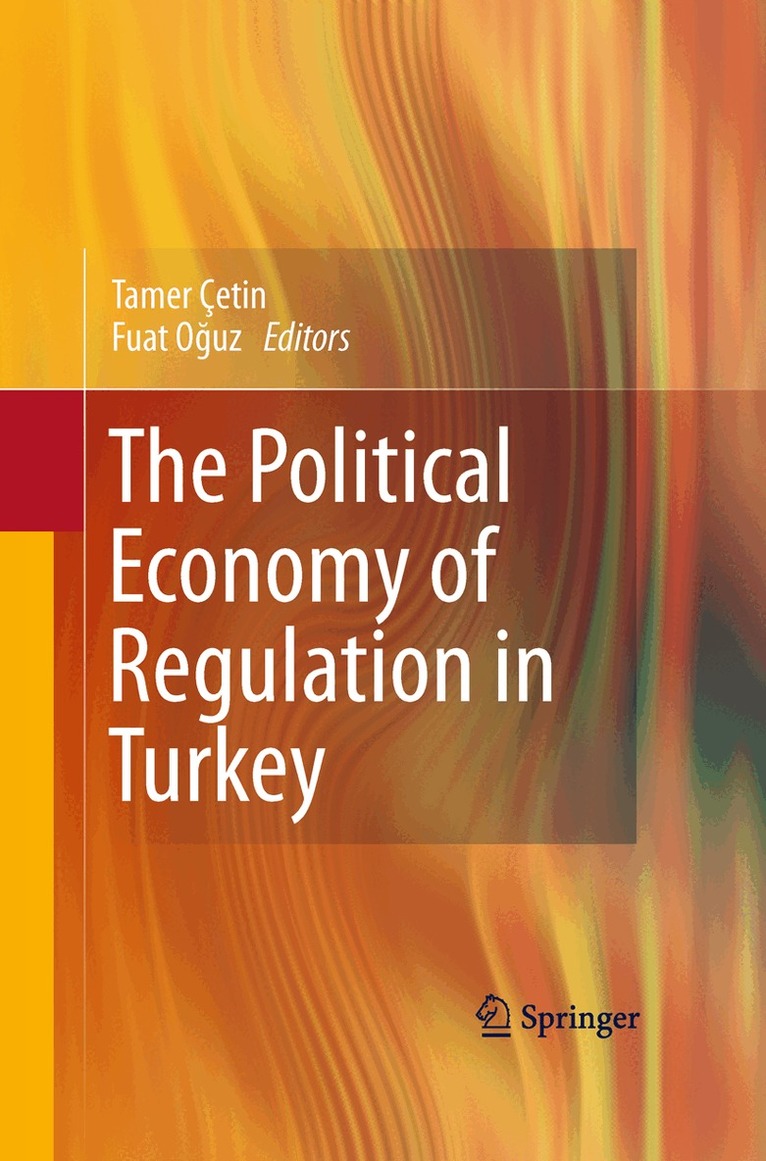
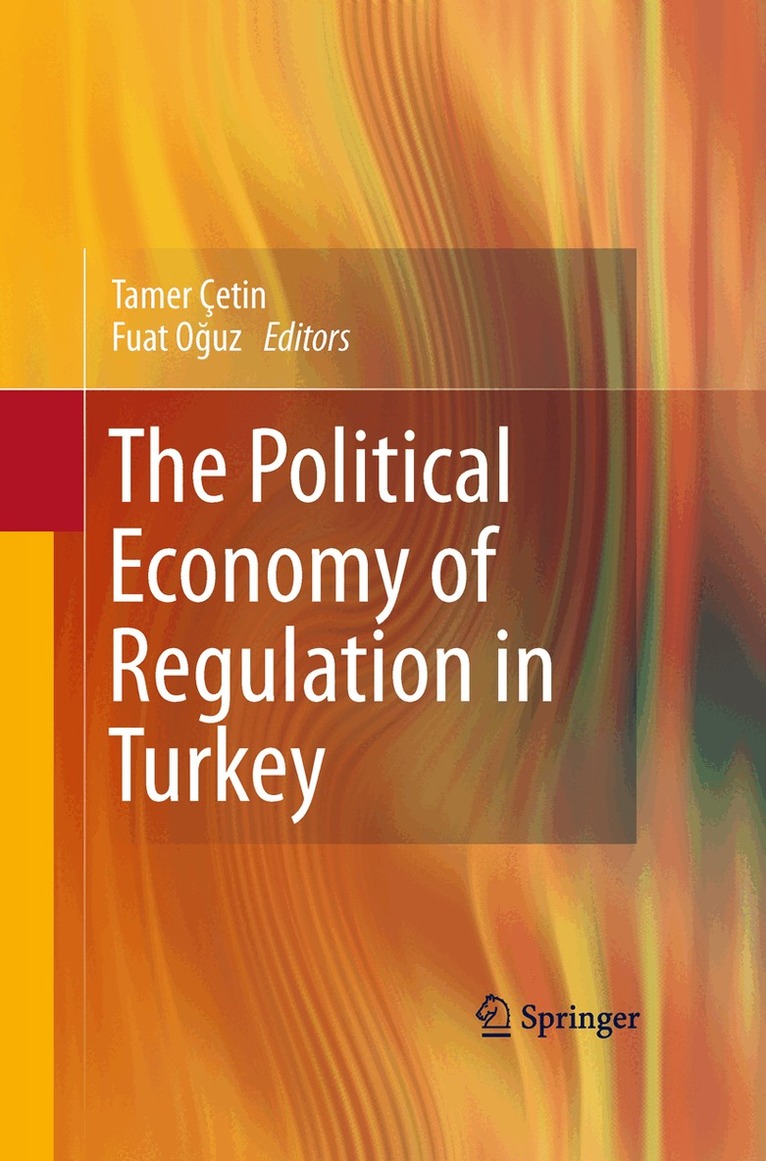
The Political Economy of Regulation in Turkey brings together leading international scholars and experts on Turkey and regulatory reform to provide essential information on the recent Turkish experience and its relation to competition policy. After the 1980 liberalization reform, Turkey tried to introduce competition in many industries, but network industries have remained as monopolies. At the end of the 1990s, regulatory reform was initiated and independent regulatory agencies have been established by the government. Comprehensive discussions of these network industries, in particular airlines, electricity, natural gas, telecommunications and environment regulations, are offered. The contributors inquire how economic theory and historical analyses can enlighten the character of market processes and the role for government action in these industries, and the contributions shed light on the very recent changes in the regulatory structure and important legal cases that shape the future of regulated industries. This book discusses these issues in an international perspective and relates the Turkish experience to other similar countries, such as in Eastern Europe and Central America. This book serves as a useful guide to those who want to understand major changes in Turkey and regulatory reforms in other emerging markets, making it of interest to researchers and PhD students concerned with regulatory economics, the Turkish economy, and economic policy in emerging markets.
Reforming Turkish Energy Markets
Political Economy, Regulation and Competition in the Search for Energy Policy
Inbunden, Engelska, 2012
979 kr
Skickas inom 10-15 vardagar
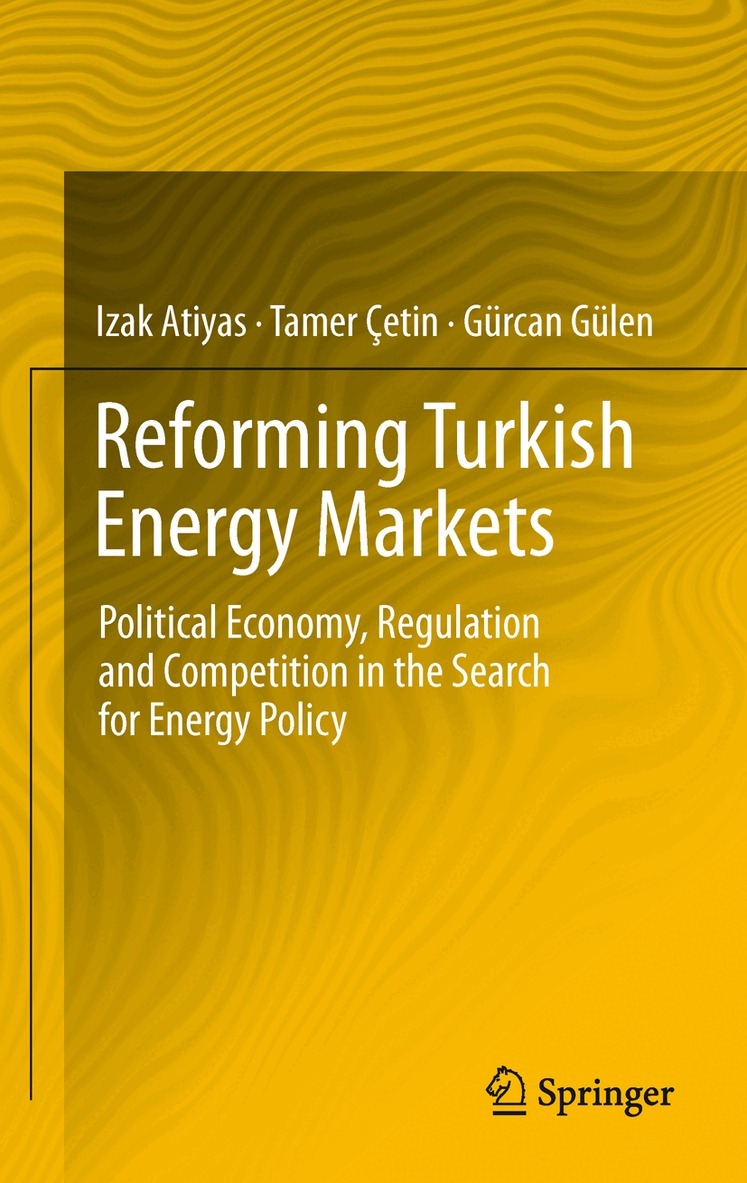
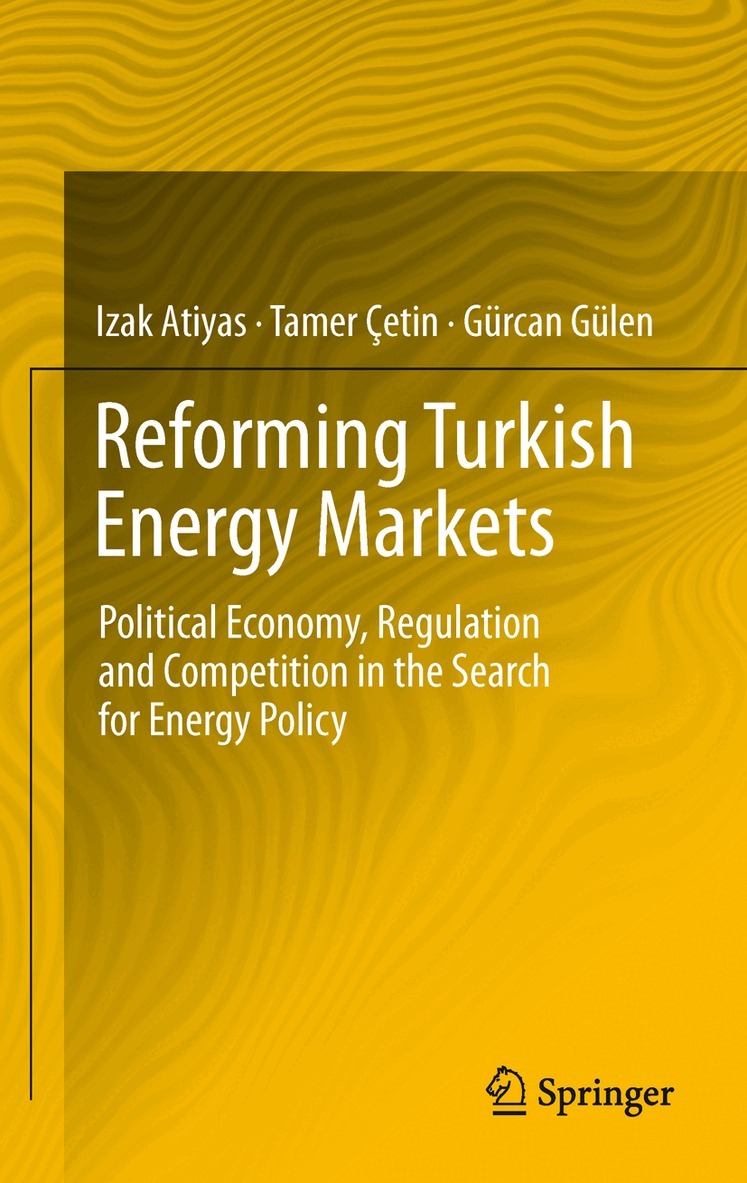
Turkey has been reforming its energy markets since the 1980s, culminating in two major bills in the early 2000s. The country has restructured electricity and natural gas markets, establishing an independent regulatory agency (EMRA) and passed legislation on renewable and nuclear energy. With these regulatory reforms, Turkey, as a candidate country for accession to the European Union (EU), has aimed to direct the energy markets to a more competitive environment in parallel with EU energy directives. This book contains an analysis of regulatory reforms in Turkish energy markets (electricity, natural gas, renewable and nuclear energy), the impact of these reforms on country’s energy portfolio and role in global energy trade, especially between the EU, the Caspian, Caucasus, and Central Asia. Finally, the book concludes with recommendations for Turkish energy policy.The authors are expert scholars who have written extensively on Turkish regulatory reform and energy economics and who have broad knowledge of global energy market dynamics. The book will be a unique guide for those concerned with the different areas of the Turkish economy and international audiences interested in energy markets of Turkey and surrounding regions, making the book of interest to not only researchers in academia but also industry practitioners, regulators and policy makers as well.
1 314 kr
Skickas inom 10-15 vardagar
The Political Economy of Regulation in Turkey brings together leading international scholars and experts on Turkey and regulatory reform to provide essential information on the recent Turkish experience and its relation to competition policy. After the 1980 liberalization reform, Turkey tried to introduce competition in many industries, but network industries have remained as monopolies. At the end of the 1990s, regulatory reform was initiated and independent regulatory agencies have been established by the government. Comprehensive discussions of these network industries, in particular airlines, electricity, natural gas, telecommunications and environment regulations, are offered. The contributors inquire how economic theory and historical analyses can enlighten the character of market processes and the role for government action in these industries, and the contributions shed light on the very recent changes in the regulatory structure and important legal cases that shape the future of regulated industries. This book discusses these issues in an international perspective and relates the Turkish experience to other similar countries, such as in Eastern Europe and Central America. This book serves as a useful guide to those who want to understand major changes in Turkey and regulatory reforms in other emerging markets, making it of interest to researchers and PhD students concerned with regulatory economics, the Turkish economy, and economic policy in emerging markets.
Reforming Turkish Energy Markets
Political Economy, Regulation and Competition in the Search for Energy Policy
Häftad, Engelska, 2014
1 064 kr
Skickas inom 10-15 vardagar
Turkey has been reforming its energy markets since the 1980s, culminating in two major bills in the early 2000s. The country has restructured electricity and natural gas markets, establishing an independent regulatory agency (EMRA) and passed legislation on renewable and nuclear energy. With these regulatory reforms, Turkey, as a candidate country for accession to the European Union (EU), has aimed to direct the energy markets to a more competitive environment in parallel with EU energy directives. This book contains an analysis of regulatory reforms in Turkish energy markets (electricity, natural gas, renewable and nuclear energy), the impact of these reforms on country’s energy portfolio and role in global energy trade, especially between the EU, the Caspian, Caucasus, and Central Asia. Finally, the book concludes with recommendations for Turkish energy policy.The authors are expert scholars who have written extensively on Turkish regulatory reform and energy economics and who have broad knowledge of global energy market dynamics. The book will be a unique guide for those concerned with the different areas of the Turkish economy and international audiences interested in energy markets of Turkey and surrounding regions, making the book of interest to not only researchers in academia but also industry practitioners, regulators and policy makers as well.