Tan Heçheng – författare
Visar alla böcker från författaren Tan Heçheng. Handla med fri frakt och snabb leverans.
3 produkter
3 produkter
Inbunden, Engelska, 2017
473 kr
Skickas inom 5-8 vardagar
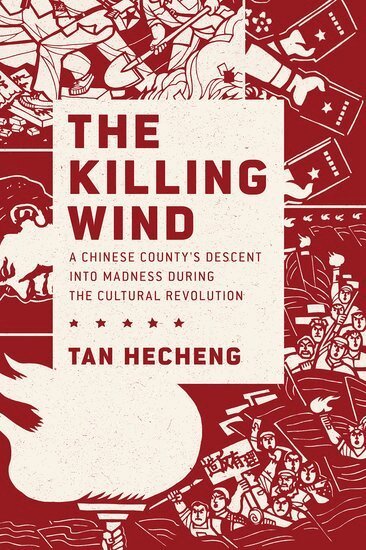
A spasm of extreme radicalism that rocked China to its foundations in the mid- to late 1960s, the Cultural Revolution has generated a vast literature. Much of it, however, is at a birds-eye level, and we have very few detailed accounts of how it worked on the ground. Long after the event, Tan Hecheng, now a retired Chinese writer and editor, was sent to Daoxian, Mao's home county, to report on the official investigation into the massacre that took place there during the Cultural Revolution. In The Killing Wind, Tan recounts how over the course of 66 days in 1967, over 9,000 Chinese "class enemies" were massacred in the Daoxian, in the Hunan Province. The killings were unprovoked and carried out with incredible, stomach-churning brutality, which is documented here in excruciating detail. But although this could easily be just a compendium of horrors, it's also a meditation on memory, moral culpability, and the failure of the Chinese government to come to terms with the crimes of the Maoist era. Tan interweaves the story of his research with the recollections of survivors and reflections on the long-term consequences of the Cultural Revolution. Akin to Jan Gross's Neighbors, about the Holocaust in a Polish town, The Killing Wind likewise paints a single episode in extraordinary detail in order to make a broader argument about the long term consequences flowing from one of the twentieth century's greatest human tragedies.
E-bok
PDF, Engelska, 2016389 kr
Läs direkt efter köp
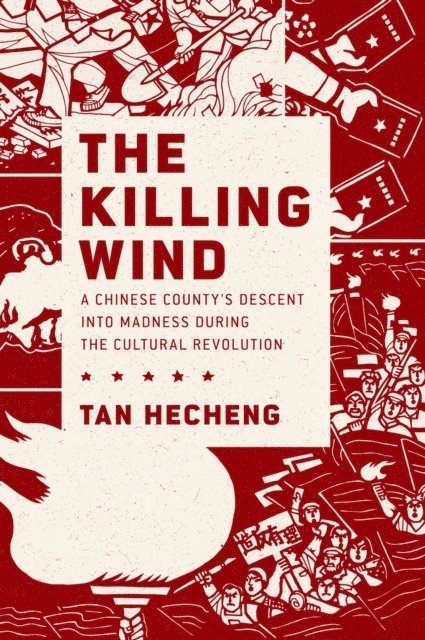
Over the course of 66 days in 1967, more than 4,000 "class enemies"--including young children and the elderly--were murdered in Daoxian, a county in China''s Hunan province. The killings spread to surrounding counties, resulting in a combined death toll of more than 9,000. Commonly known as the Daoxian massacre, the killings were one of many acts of so-called mass dictatorship and armed factional conflict that rocked China during the Cultural Revolution. However, in spite of the scope and brutality of the killings, there are few detailed accounts of mass killings in China''s countryside during the Cultural Revolution''s most tumultuous years. Years after the massacre, journalist Tan Hecheng was sent to Daoxian to report on an official investigation into the killings. Tan was prevented from publishing his findings in China, but in 2010, he published the Chinese edition of The Killing Wind in Hong Kong. Tan''s first-hand investigation of the atrocities, accumulated over the course of more than 20 years, blends his research with the recollections of survivors to provide a vivid account exploring how and why the massacre took place and describing its aftermath. Dispelling the heroic aura of class struggle, Tan reveals that most of the Daoxian massacre''s victims were hard-working, peaceful members of the rural middle class blacklisted as landlords or rich peasants. Tan also describes how political pressure and brainwashing turned ordinary people into heartless killing machines.More than a catalog of horrors, The Killing Wind is also a poignant meditation on memory, moral culpability, and the failure of the Chinese government to come to terms with the crimes of the Maoist era. By painting a detailed portrait of this massacre, Tan makes a broader argument about the long-term consequences of the Cultural Revolution, one of the most violent political movements of the twentieth century. A compelling testament to the victims and survivors of the Daoxian massacre, The Killing Wind is a monument to historical truth: one that fills an immense gap in our understanding of the Mao era, the Cultural Revolution, and the status of truth in contemporary China.
E-bok
Engelska, 2016404 kr
Läs direkt efter köp
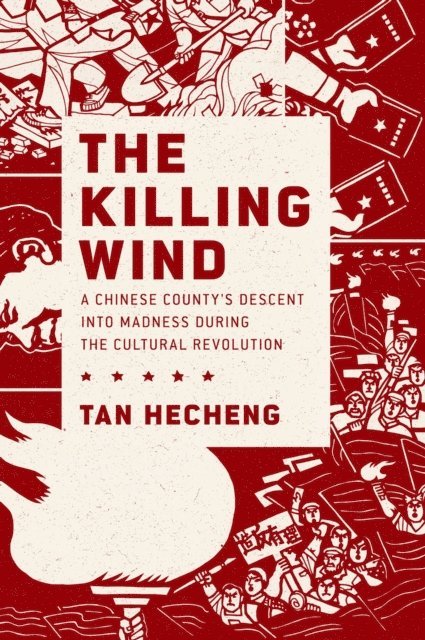
Over the course of 66 days in 1967, more than 4,000 "class enemies"--including young children and the elderly--were murdered in Daoxian, a county in China''s Hunan province. The killings spread to surrounding counties, resulting in a combined death toll of more than 9,000. Commonly known as the Daoxian massacre, the killings were one of many acts of so-called mass dictatorship and armed factional conflict that rocked China during the Cultural Revolution. However, in spite of the scope and brutality of the killings, there are few detailed accounts of mass killings in China''s countryside during the Cultural Revolution''s most tumultuous years. Years after the massacre, journalist Tan Hecheng was sent to Daoxian to report on an official investigation into the killings. Tan was prevented from publishing his findings in China, but in 2010, he published the Chinese edition of The Killing Wind in Hong Kong. Tan''s first-hand investigation of the atrocities, accumulated over the course of more than 20 years, blends his research with the recollections of survivors to provide a vivid account exploring how and why the massacre took place and describing its aftermath. Dispelling the heroic aura of class struggle, Tan reveals that most of the Daoxian massacre''s victims were hard-working, peaceful members of the rural middle class blacklisted as landlords or rich peasants. Tan also describes how political pressure and brainwashing turned ordinary people into heartless killing machines.More than a catalog of horrors, The Killing Wind is also a poignant meditation on memory, moral culpability, and the failure of the Chinese government to come to terms with the crimes of the Maoist era. By painting a detailed portrait of this massacre, Tan makes a broader argument about the long-term consequences of the Cultural Revolution, one of the most violent political movements of the twentieth century. A compelling testament to the victims and survivors of the Daoxian massacre, The Killing Wind is a monument to historical truth: one that fills an immense gap in our understanding of the Mao era, the Cultural Revolution, and the status of truth in contemporary China.