Tanja Mortelmans – författare
Visar alla böcker från författaren Tanja Mortelmans. Handla med fri frakt och snabb leverans.
5 produkter
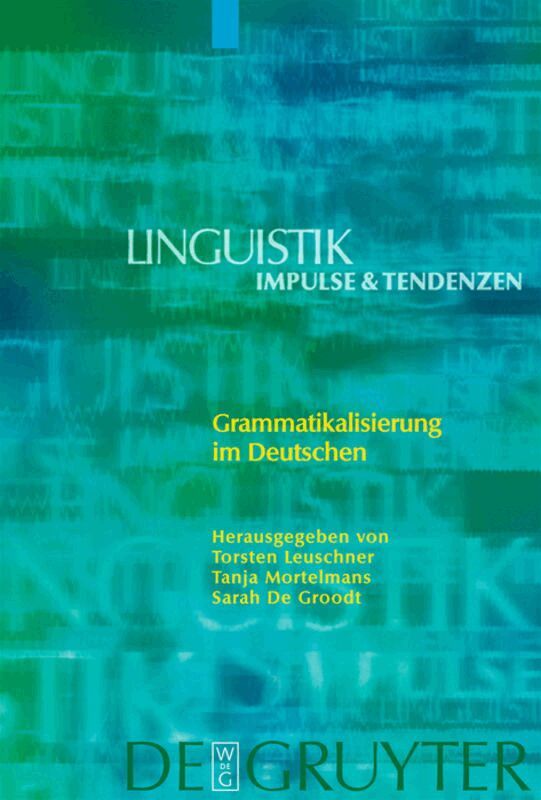
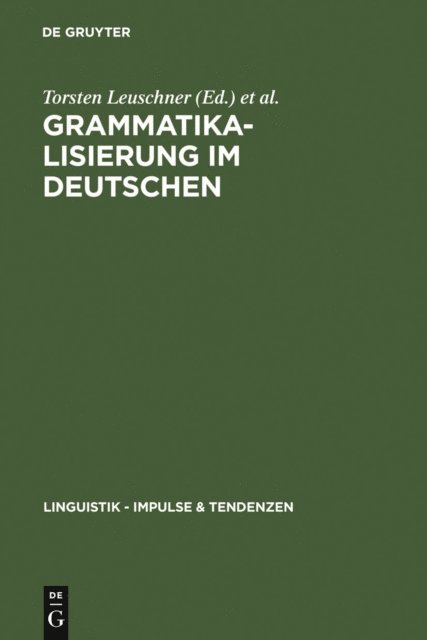
Grammatikalisierung im Deutschen
Av Torsten Leuschner, Tanja Mortelmans m. fl.
Inbunden, 2005
2306 kr
Lägg i varukorg
Der vorliegende Sammelband ist das erste Werk seiner Art, das speziell der Grammatikalisierung im Deutschen gewidmet ist. In 15 Artikeln befassen sich die Autoren mit der Entstehung und dem historischen Wandel von grammatischen Elementen und Konstruktionen im nominalen Bereich, im verbalen Bereich …
Funktionale Grammatik
Av Elena Smirnova, Tanja Mortelmans
Inbunden, 2010
455 kr
Lägg i varukorg
In den letzten Jahrzehnten hat die linguistische Theorie viele entscheidende Neuerungen und Entwicklungen erfahren. Eine besondere Stellung in diesem Prozess nehmen die funktionalen Sprachbeschreibungen ein. Angefangen mit der Funktionalen Grammatik von Simon Dik in den 70er Jahren des letzten …
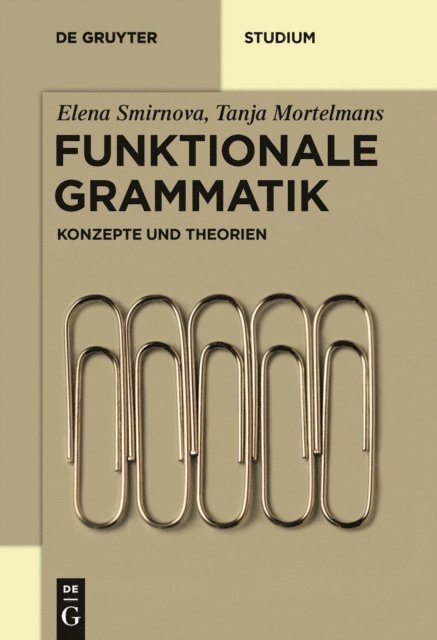
Funktionale Grammatik
Konzepte und Theorien
Av Tanja Mortelmans, Elena Smirnova
E-bok, 2010
397 kr
Lägg i varukorg
In den letzten Jahrzehnten hat die linguistische Theorie viele entscheidende Neuerungen und Entwicklungen erfahren. Eine besondere Stellung in diesem Prozess nehmen die funktionalen Sprachbeschreibungen ein. Angefangen mit der Funktionalen Grammatik von Simon Dik in den 70er Jahren des letzten …
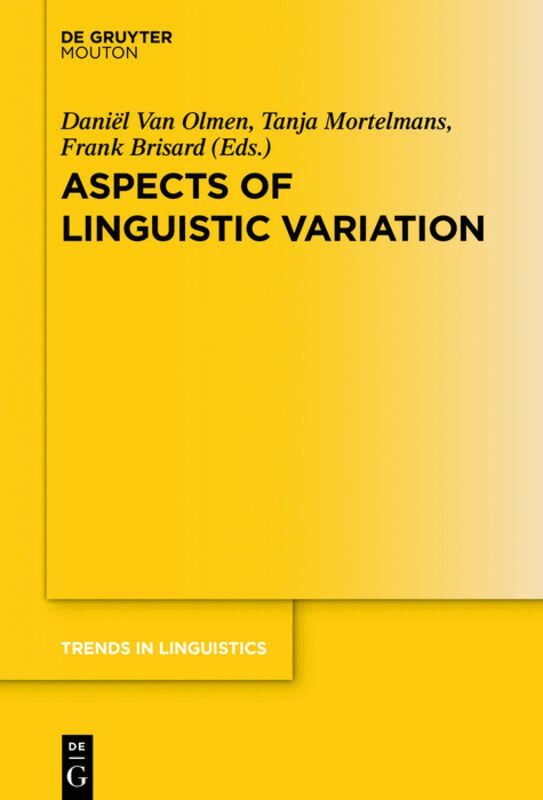
Aspects of Linguistic Variation
Av Daniël Olmen, Tanja Mortelmans m. fl.
Inbunden, 2018
1844 kr
Lägg i varukorg
Linguistic variation is a topic of ongoing interest to the field. Its description and its explanations continue to intrigue scholars from many different backgrounds. By taking a deliberately broad perspective on the matter, covering not only crosslinguistic and diachronic but also intralinguistic …
Grammatikalisierung im Deutschen
Av Sarah Groodt, Tanja Mortelmans m. fl.
E-bok, 2011
2108 kr
Lägg i varukorg
Der vorliegende Sammelband ist das erste Werk seiner Art, das speziell der Grammatikalisierung im Deutschen gewidmet ist. In 15 Artikeln befassen sich die Autoren mit der Entstehung und dem historischen Wandel von grammatischen Elementen und Konstruktionen im nominalen Bereich, im verbalen Bereich …