Tanzil Shafique – författare
Visar alla böcker från författaren Tanzil Shafique. Handla med fri frakt och snabb leverans.
4 produkter
4 produkter
360 kr
Skickas inom 7-10 vardagar
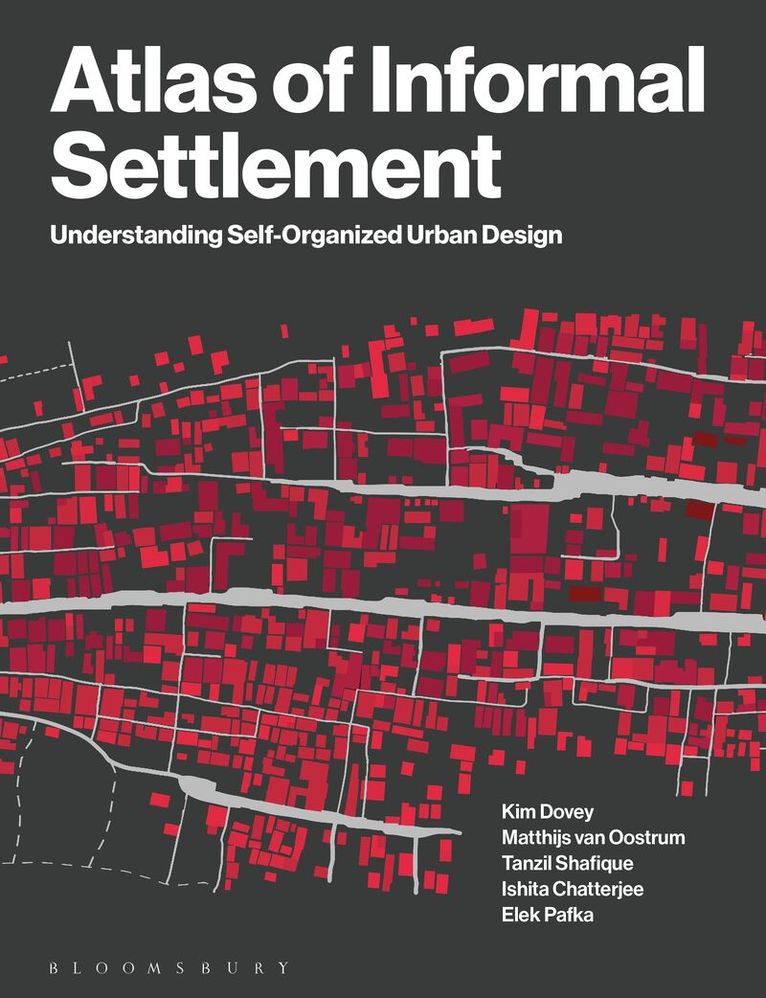
While often seen as unplanned or spontaneous, informal settlement is better understood as a mode of production: a co-evolution of architecture, urban design and planning that embodies informal rules and shapes urban development. The Atlas of Informal Settlement is a comparative study of the spatial logic of informal settlement based on mapping and analysing the evolution of urban form (morphogenesis) in 51 contemporary settlements across the planet – the first of its kind and a fundamental change in thinking for urban studies and built environment professionals. Each of the 51 case studies uses maps and aerial photographs to examine key stages of development, showing how informal settlement adapts to different contexts of political economy, topography, culture, climate and land tenure; revealing a complex range of actors from settlers and states to land mafias and pirate developers. It demonstrates the range of design processes and formal outcomes; how the informal becomes formalized and vice versa. Interspersed with short chapters introducing key theoretical concepts, the Atlas shows how such practices may or may not produce ‘slums’, and how settlement is already a form of ‘upgrading’. Informal settlement is the primary mode of production of affordable housing and neighbourhood infrastructure within cities of the Global South; with detailed mapping and profiling of 51 settlements this book shows how such urban morphologies emerge in terms of architecture, urban design and planning.
1 093 kr
Skickas inom 7-10 vardagar
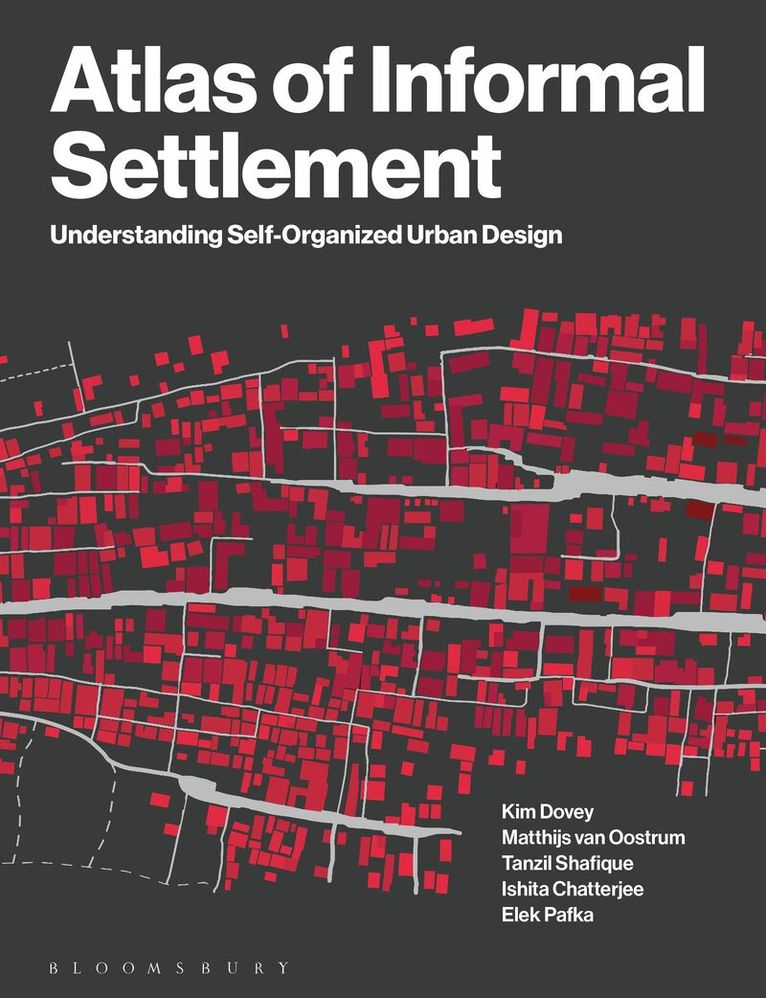
While often seen as unplanned or spontaneous, informal settlement is better understood as a mode of production: a co-evolution of architecture, urban design and planning that embodies informal rules and shapes urban development. The Atlas of Informal Settlement is a comparative study of the spatial logic of informal settlement based on mapping and analysing the evolution of urban form (morphogenesis) in 51 contemporary settlements across the planet – the first of its kind and a fundamental change in thinking for urban studies and built environment professionals. Each of the 51 case studies uses maps and aerial photographs to examine key stages of development, showing how informal settlement adapts to different contexts of political economy, topography, culture, climate and land tenure; revealing a complex range of actors from settlers and states to land mafias and pirate developers. It demonstrates the range of design processes and formal outcomes; how the informal becomes formalized and vice versa. Interspersed with short chapters introducing key theoretical concepts, the Atlas shows how such practices may or may not produce ‘slums’, and how settlement is already a form of ‘upgrading’. Informal settlement is the primary mode of production of affordable housing and neighbourhood infrastructure within cities of the Global South; with detailed mapping and profiling of 51 settlements this book shows how such urban morphologies emerge in terms of architecture, urban design and planning.
1 142 kr
Skickas inom 10-15 vardagar
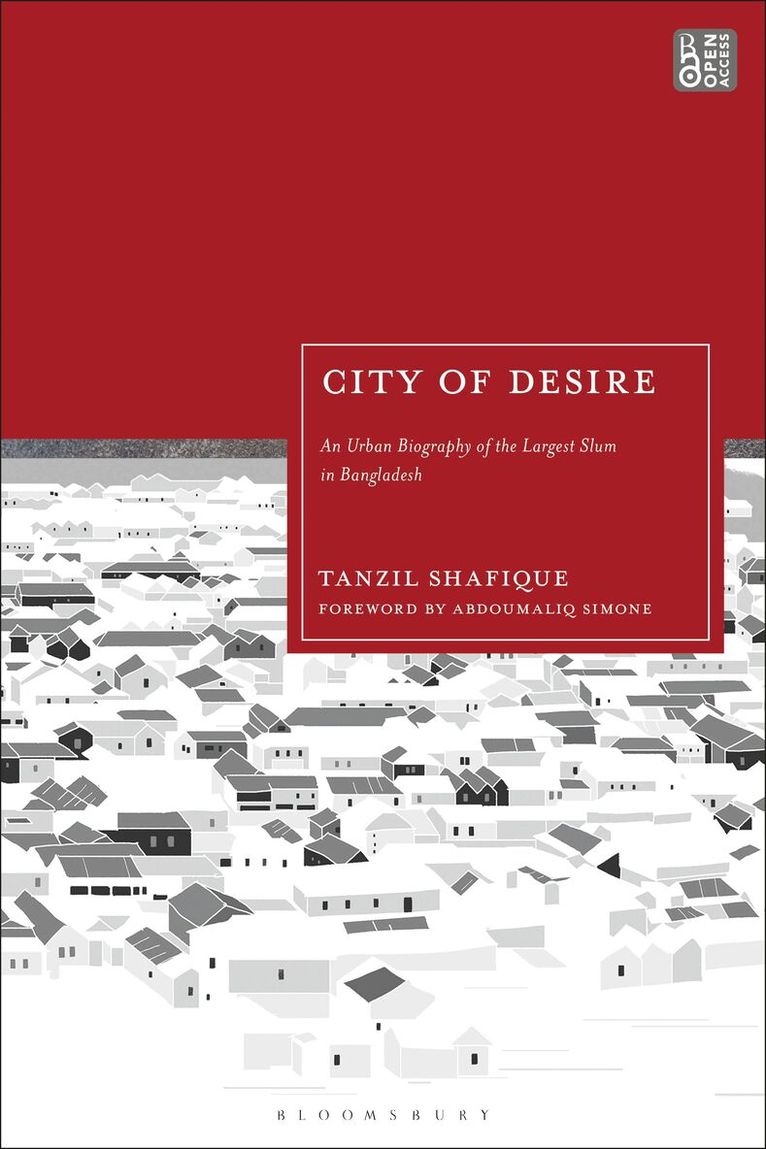
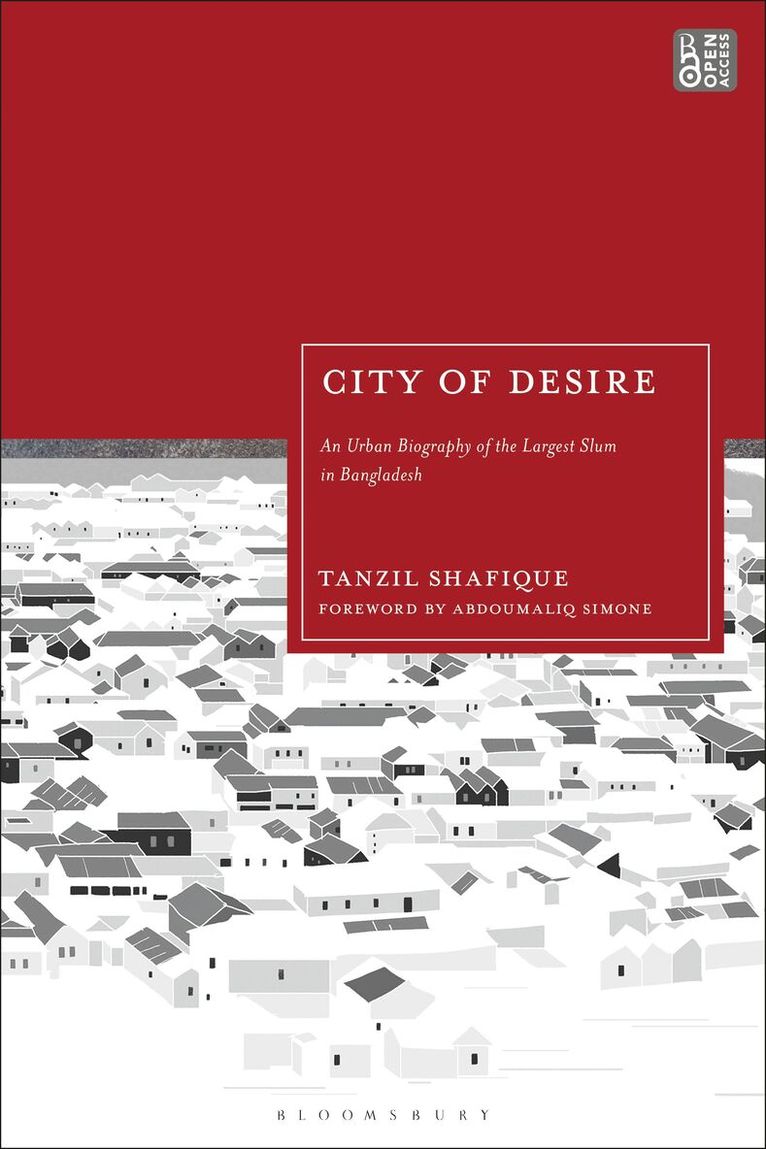
In this major open access contribution to Global South urban studies, Tanzil Shafique offers a new way of knowing and engaging with the most common urban environment in the Global South – informal settlements, or “slums”.Informal settlements house more than a billion people now and will house three billion people by 2050. Yet they remain marginalised in urban theory and practice, and most projects to improve them fail due to a lack of knowledge of the ongoing processes that build them.Through a detailed case study of Karail, the largest informal settlement in Bangladesh, Shafique offers ground-breaking insights into the production of informal urbanism through a brand-new approach rooted in deep ethnography and spatial mapping. Shafique explores, for the first time, the many different desires of settlement-dwellers and how these drive everyday urban change. He also offers brilliantly innovative recommendations for the policy-making, upgrading and management of both existing and future informal settlements.Written in an engaging narrative that weaves local stories with theoretical insight, this book is essential reading for anyone interested in international development, urban studies, sociology, and architecture.The ebook editions of this book are available open access under a CC BY licence on bloomsburycollections.com. Open access was funded by the University of Sheffield.
484 kr
Kommande
In this major open access contribution to Global South urban studies, Tanzil Shafique offers a new way of knowing and engaging with the most common urban environment in the Global South – informal settlements, or “slums”.Informal settlements house more than a billion people now and will house three billion people by 2050. Yet they remain marginalised in urban theory and practice, and most projects to improve them fail due to a lack of knowledge of the ongoing processes that build them.Through a detailed case study of Karail, the largest informal settlement in Bangladesh, Shafique offers ground-breaking insights into the production of informal urbanism through a brand-new approach rooted in deep ethnography and spatial mapping. Shafique explores, for the first time, the many different desires of settlement-dwellers and how these drive everyday urban change. He also offers brilliantly innovative recommendations for the policy-making, upgrading and management of both existing and future informal settlements.Written in an engaging narrative that weaves local stories with theoretical insight, this book is essential reading for anyone interested in international development, urban studies, sociology, and architecture.The ebook editions of this book are available open access under a CC BY licence on bloomsburycollections.com. Open access was funded by the University of Sheffield.