Tarfia Faizullah - Böcker
Visar alla böcker från författaren Tarfia Faizullah. Handla med fri frakt och snabb leverans.
3 produkter
3 produkter
196 kr
Skickas inom 11-20 vardagar
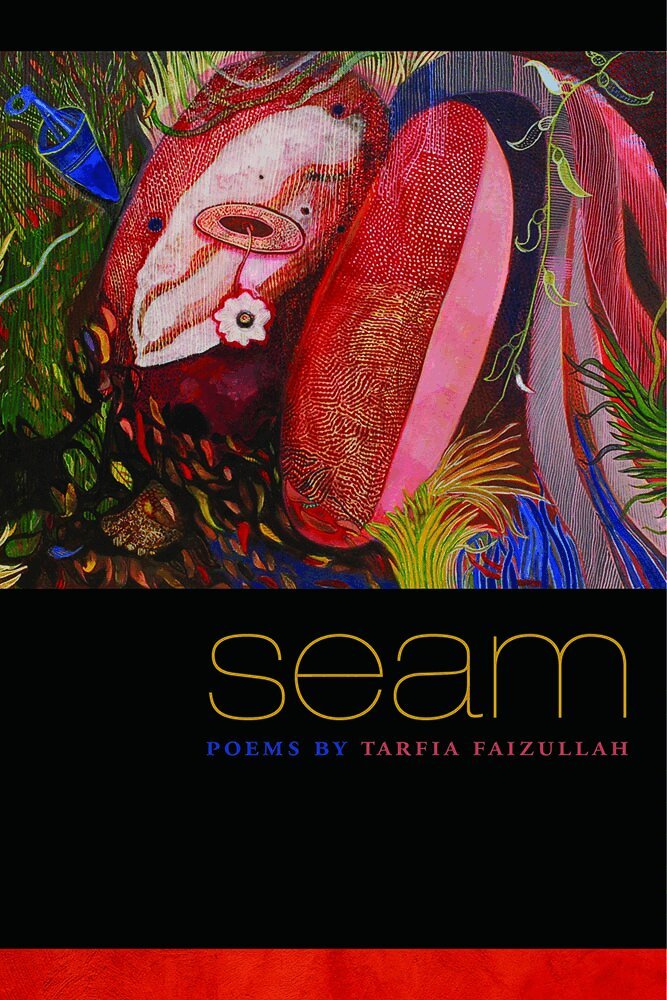
The poems in this captivating collection weave beauty with violence, the personal with the historic as they recount the harrowing experiences of the two hundred thousand female victims of rape and torture at the hands of the Pakistani army during the 1971 Liberation War. As the child of Bangladeshi immigrants, the poet in turn explores her own losses, as well as the complexities of bearing witness to the atrocities these war heroines endured.Throughout the volume, the narrator endeavours to bridge generational and cultural gaps even as the victims recount the horror of grief and personal loss. As we read, we discover the profound yet fragile seam that unites the fields, rivers, and prisons of the 1971 war with the poet’s modern-day hotel, or the tragic death of a loved one with the holocaust of a nation.Moving from West Texas to Dubai, from Virginia to remote villages in Bangladesh and back again, the narrator calls on the legacies of Willa Cather, César Vallejo, Tomas Tranströmer, and Paul Celan to give voice to the voiceless. Fierce yet loving, devastating and magical at once, Seam is a testament to the lingering potency of memory and the bravery of a nation’s victims.
268 kr
Skickas inom 3-6 vardagar
329 kr
Skickas inom 7-10 vardagar
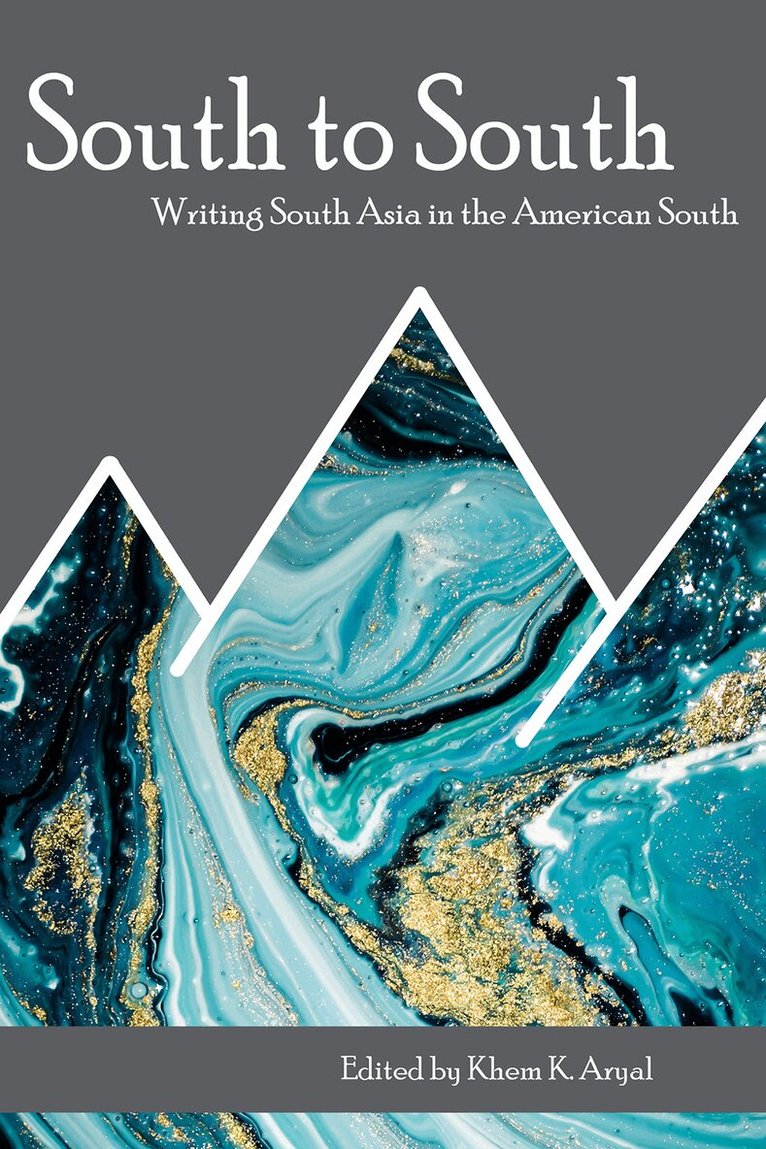
This anthology of eight short stories and eight narrative essays depicts diverse facets of the South Asian experience in the American South. Some of them relate to the proverbial longing for what the immigrants have left behind, while the others spotlight the immigrants’ struggles to reconcile with realities they did not sign up for. In Chaitali Sen’s “The Immigrant,” Dhruv is unable to talk about a lost boy because he feels “as if he were trapping the boy with his story,” as if the lost boy’s story were his own story of getting lost in a foreign country. In Hasanthika Sirisena’s “Pine,” a Christmas tree becomes more than “only a pine tree with decorations thrown on it” when Lakshmi’s ex-husband lets her know he is converting to Christianity “to get ahead in this country.” Aruni Kashyap’s “Nafisa Ali’s Life, Love, and Friendships, Before and after the Travel Ban” tell a post-2016 immigrant story in which love is baffling. In “Gettysburg,” Kirtan Nautiyal asks, how does an immigrant become part of the new country’s history? Soniah Kamal’s essay “Writing the Immigrant Southern in the New New South” reflects on what it means to be an immigrant writer and if one can write from two places at once. Together, the stories and essays in the anthology compose a mosaic of South Asian lived experiences in the American South.