Teagan Bradway – författare
Visar alla böcker från författaren Teagan Bradway. Handla med fri frakt och snabb leverans.
5 produkter
5 produkter
E-bok
Engelska, 2017455 kr
Läs direkt efter köp
This volume argues that postwar writers queer the affective relations of reading through experiments with literary form. Tyler Bradway conceptualizes “bad reading” as an affective politics that stimulates queer relations of erotic and political belonging in the event of reading. These incipiently social relations press back against legal, economic, and discursive forces that reduce queerness into a mode of individuality. Each chapter traces the affective politics of bad reading against moments when queer relationality is prohibited, obstructed, or destroyed—from the pre-Stonewall literary obscenity debates, through the AIDS crisis, to the emergence of neoliberal homonormativity and the gentrification of the queer avant-garde. Bradway contests the common narrative that experimental writing is too formalist to engender a mode of social imagination. Instead, he illuminates how queer experimental literature uses form to redraw the affective and social relations that structure the heteronormative public sphere. Through close readings informed by affect theory, Queer Experimental Literature offers new perspectives on writers such as William S. Burroughs, Samuel R. Delany, Kathy Acker, Jeanette Winterson, Eve Kosofsky Sedgwick, Alison Bechdel, and Chuck Palahniuk. Queer Experimental Literature ultimately reveals that the recent turn to affective reading in literary studies is underwritten by a para-academic history of bad reading that offers new idioms for understanding the affective agencies of queer aesthetics.
Häftad, Engelska, 2018
379 kr
Skickas inom 10-15 vardagar
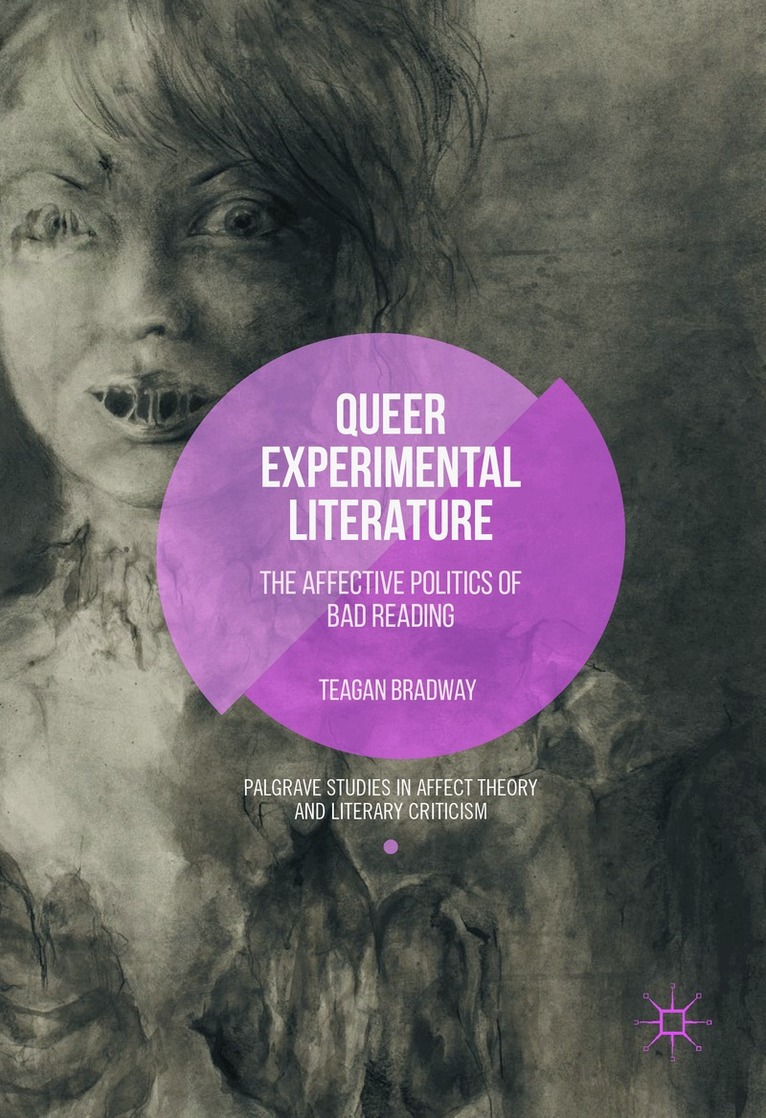
This volume argues that postwar writers queer the affective relations of reading through experiments with literary form. Teagan Bradway conceptualizes “bad reading” as an affective politics that stimulates queer relations of erotic and political belonging in the event of reading. These incipiently social relations press back against legal, economic, and discursive forces that reduce queerness into a mode of individuality. Each chapter traces the affective politics of bad reading against moments when queer relationality is prohibited, obstructed, or destroyed—from the pre-Stonewall literary obscenity debates, through the AIDS crisis, to the emergence of neoliberal homonormativity and the gentrification of the queer avant-garde. Bradway contests the common narrative that experimental writing is too formalist to engender a mode of social imagination. Instead, he illuminates how queer experimental literature uses form to redraw the affective and social relations that structure the heteronormative public sphere. Through close readings informed by affect theory, Queer Experimental Literature offers new perspectives on writers such as William S. Burroughs, Samuel R. Delany, Kathy Acker, Jeanette Winterson, Eve Kosofsky Sedgwick, Alison Bechdel, and Chuck Palahniuk. Queer Experimental Literature ultimately reveals that the recent turn to affective reading in literary studies is underwritten by a para-academic history of bad reading that offers new idioms for understanding the affective agencies of queer aesthetics.
Inbunden, Engelska, 2022
1 156 kr
Skickas inom 5-8 vardagar
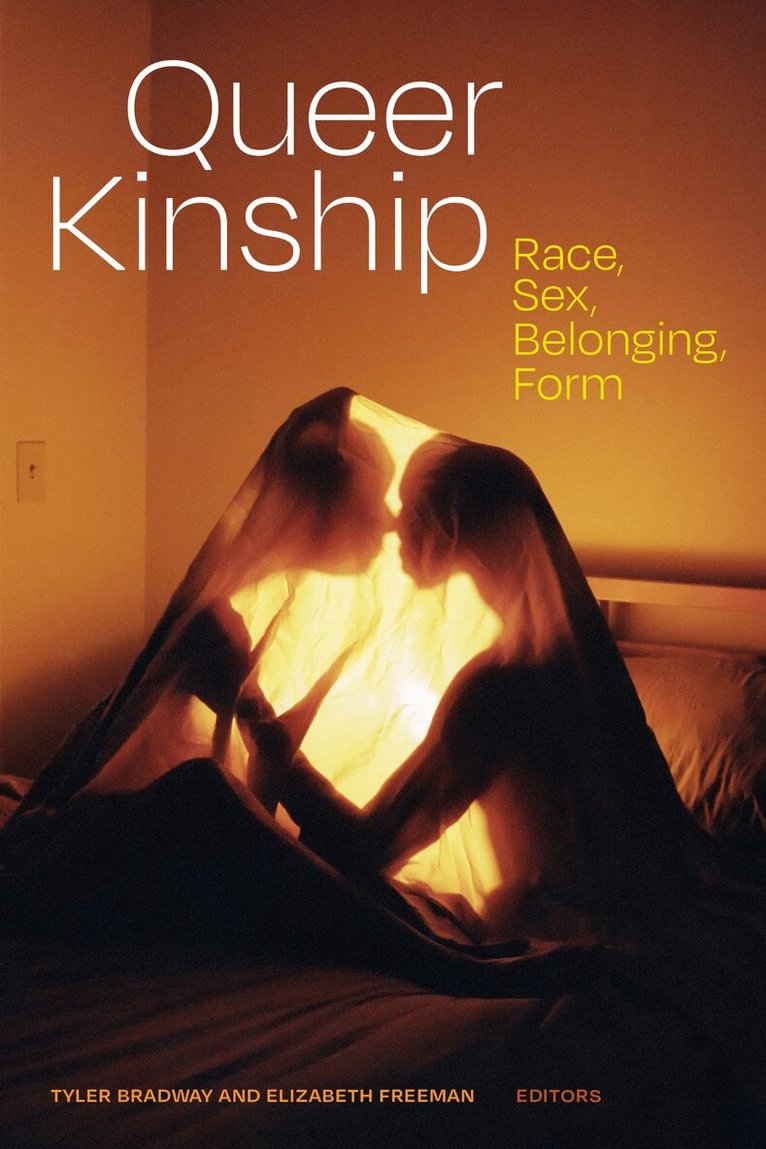
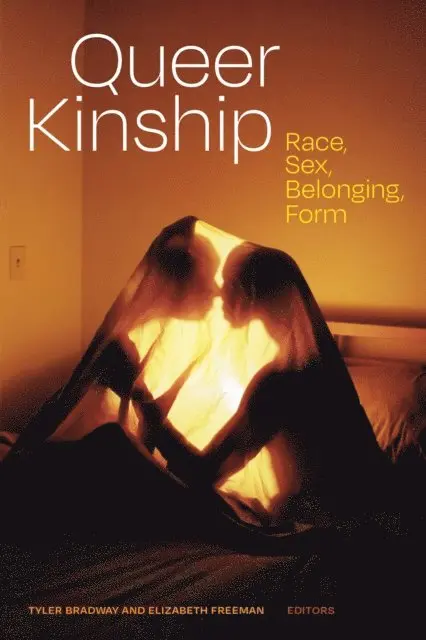
The contributors to this volume assert the importance of queer kinship to queer and trans theory and to kinship theory. In a contemporary moment marked by the rising tides of neoliberalism, fascism, xenophobia, and homo- and cis-nationalism, they approach kinship as both a horizon and a source of violence and possibility. The contributors challenge dominant theories of kinship that ignore the devastating impacts of chattel slavery, settler colonialism, and racialized nationalism on the bonds of Black and Indigenous people and people of color. Among other topics, they examine the “blood tie” as the legal marker of kin relations, the everyday experiences and memories of trans mothers and daughters in Istanbul, the outsourcing of reproductive labor in postcolonial India, kinship as a model of governance beyond the liberal state, and the intergenerational effects of the adoption of Indigenous children as a technology of settler colonialism. Queer Kinship pushes the methodological and theoretical underpinnings of queer theory forward while opening up new paths for studying kinship.Contributors. Aqdas Aftab, Leah Claire Allen, Teagan Bradway, Juliana Demartini Brito, Judith Butler, Dilara Çalışkan, Christopher Chamberlin, Aobo Dong, Brigitte Fielder, Elizabeth Freeman, John S. Garrison, Nat Hurley, Joseph M. Pierce, Mark Rifkin, Poulomi Saha, Kath Weston
Häftad, Engelska, 2022
308 kr
Skickas inom 5-8 vardagar
The contributors to this volume assert the importance of queer kinship to queer and trans theory and to kinship theory. In a contemporary moment marked by the rising tides of neoliberalism, fascism, xenophobia, and homo- and cis-nationalism, they approach kinship as both a horizon and a source of violence and possibility. The contributors challenge dominant theories of kinship that ignore the devastating impacts of chattel slavery, settler colonialism, and racialized nationalism on the bonds of Black and Indigenous people and people of color. Among other topics, they examine the “blood tie” as the legal marker of kin relations, the everyday experiences and memories of trans mothers and daughters in Istanbul, the outsourcing of reproductive labor in postcolonial India, kinship as a model of governance beyond the liberal state, and the intergenerational effects of the adoption of Indigenous children as a technology of settler colonialism. Queer Kinship pushes the methodological and theoretical underpinnings of queer theory forward while opening up new paths for studying kinship.Contributors. Aqdas Aftab, Leah Claire Allen, Teagan Bradway, Juliana Demartini Brito, Judith Butler, Dilara Çalışkan, Christopher Chamberlin, Aobo Dong, Brigitte Fielder, Elizabeth Freeman, John S. Garrison, Nat Hurley, Joseph M. Pierce, Mark Rifkin, Poulomi Saha, Kath Weston
E-bok
PDF, Engelska, 2022458 kr
Läs direkt efter köp
The contributors to this volume assert the importance of queer kinship to queer and trans theory and to kinship theory. In a contemporary moment marked by the rising tides of neoliberalism, fascism, xenophobia, and homo- and cis-nationalism, they approach kinship as both a horizon and a source of violence and possibility. The contributors challenge dominant theories of kinship that ignore the devastating impacts of chattel slavery, settler colonialism, and racialized nationalism on the bonds of Black and Indigenous people and people of color. Among other topics, they examine the “blood tie” as the legal marker of kin relations, the everyday experiences and memories of trans mothers and daughters in Istanbul, the outsourcing of reproductive labor in postcolonial India, kinship as a model of governance beyond the liberal state, and the intergenerational effects of the adoption of Indigenous children as a technology of settler colonialism. Queer Kinship pushes the methodological and theoretical underpinnings of queer theory forward while opening up new paths for studying kinship.Contributors. Aqdas Aftab, Leah Claire Allen, Teagan Bradway, Juliana Demartini Brito, Judith Butler, Dilara Çalışkan, Christopher Chamberlin, Aobo Dong, Brigitte Fielder, Elizabeth Freeman, John S. Garrison, Nat Hurley, Joseph M. Pierce, Mark Rifkin, Poulomi Saha, Kath Weston