Teckyoung Kwon - Böcker
Visar alla böcker från författaren Teckyoung Kwon. Handla med fri frakt och snabb leverans.
3 produkter
3 produkter
1 391 kr
Skickas inom 10-15 vardagar
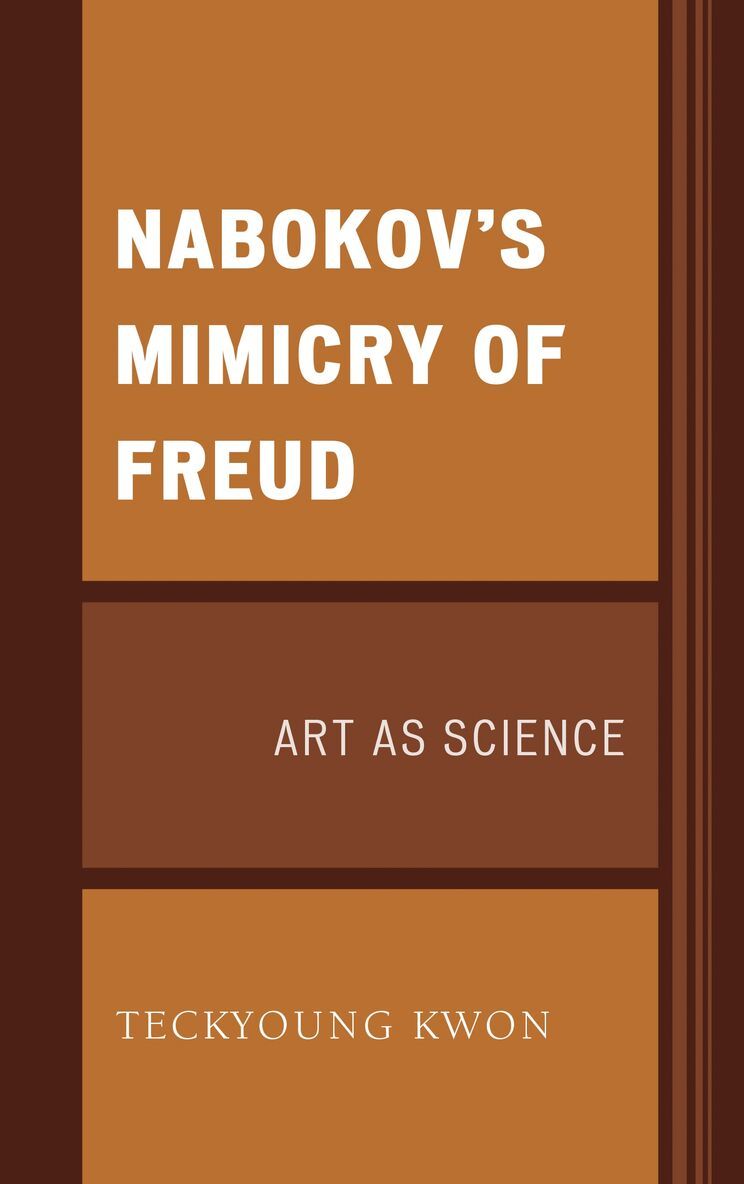
In Nabokov’s Mimicry of Freud: Art as Science, Teckyoung Kwon examines the manner in which Nabokov invited his readers to engage in his ongoing battle against psychoanalysis. Kwon looks at Nabokov’s use of literary devices that draw upon psychology and biology, characters that either imitate Freud or Nabokov in behavior or thought, and Jamesian concepts of time, memory, and consciousness in The Defense, Despair, Lolita, Pale Fire, and Ada. As Kwon notes, the transfiguration of biological mimicry and memory into an artistic form involves numerous components, including resemblance with a difference, contingency, the double, riddles, games, play, theatricality, transgression, metamorphosis, and combinational concoction. Nabokov, as a mimic, functions as a poet who is also a scientist, while his model, Freud, operates as a scientist who is also a poet. Both writers were gifted humorists, regarding art as a formidable vehicle for the repudiation of all forms of totality. This book is recommended for scholars of psychology, literary studies, film studies, and philosophy.
622 kr
Skickas inom 10-15 vardagar
In Nabokov’s Mimicry of Freud: Art as Science, Teckyoung Kwon examines the manner in which Nabokov invited his readers to engage in his ongoing battle against psychoanalysis. Kwon looks at Nabokov’s use of literary devices that draw upon psychology and biology, characters that either imitate Freud or Nabokov in behavior or thought, and Jamesian concepts of time, memory, and consciousness in The Defense, Despair, Lolita, Pale Fire, and Ada. As Kwon notes, the transfiguration of biological mimicry and memory into an artistic form involves numerous components, including resemblance with a difference, contingency, the double, riddles, games, play, theatricality, transgression, metamorphosis, and combinational concoction. Nabokov, as a mimic, functions as a poet who is also a scientist, while his model, Freud, operates as a scientist who is also a poet. Both writers were gifted humorists, regarding art as a formidable vehicle for the repudiation of all forms of totality. This book is recommended for scholars of psychology, literary studies, film studies, and philosophy.
1 110 kr
Skickas inom 10-15 vardagar
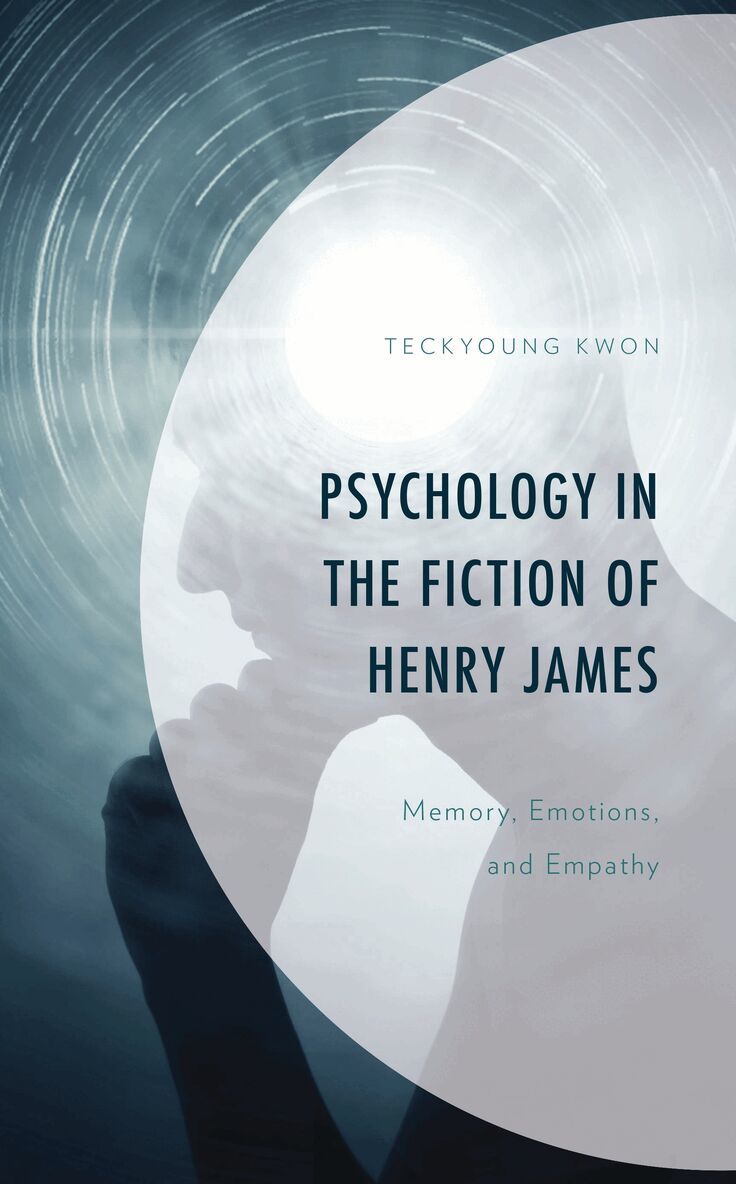
Psychology in the Fiction of Henry James: Memory, Emotions, and Empathy focuses on the study of consciousness, also examines new ways to read fiction from a scientific perspective, one that draws upon early psychological theories and recent neuroscientific research. Freud and William James stand together as intellectual pioneers who contributed to our understanding of the revolutionary concept of consciousness. Meanwhile, Henry James devoted his life to the development of narrative methods that would extend the realm of Realism: a pursuit that led him to draw upon consciousness and experience alike. When examining these three figures, the key components of consciousness that they shared in common turn out to be memory, emotions, and empathy. This volume deals with theoretical works on those three concepts by the works of Freud, William James, and recent neuroscientists, as well as two narrative techniques Henry James devised to represent consciousness: ghosts and Free Indirect Discourse. Additionally, this book is an analysis of Henry’s major fictions to show how those scientific terms have been used to achieve a fresh reading of his novels. Overall, this volume demonstrates that the three components are elements in the dual-aspect monism that Freud proposed earlier.