Ted Jojola - Böcker
Visar alla böcker från författaren Ted Jojola. Handla med fri frakt och snabb leverans.
2 produkter
2 produkter
474 kr
Skickas inom 10-15 vardagar
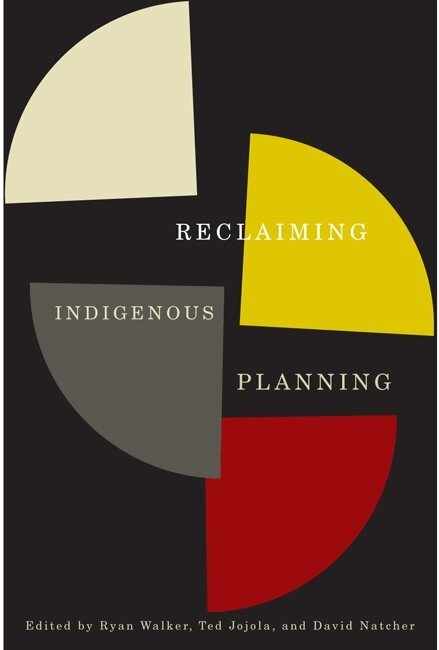
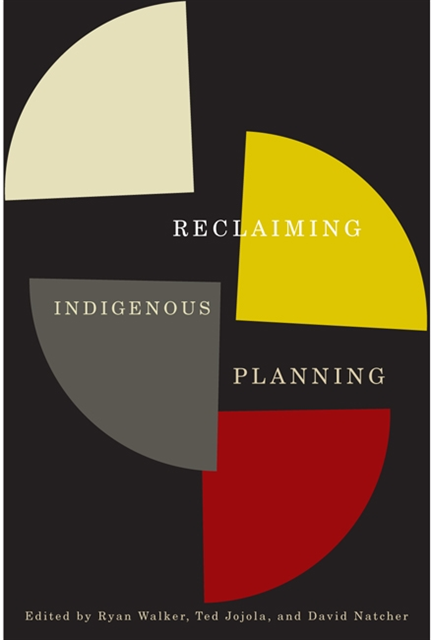
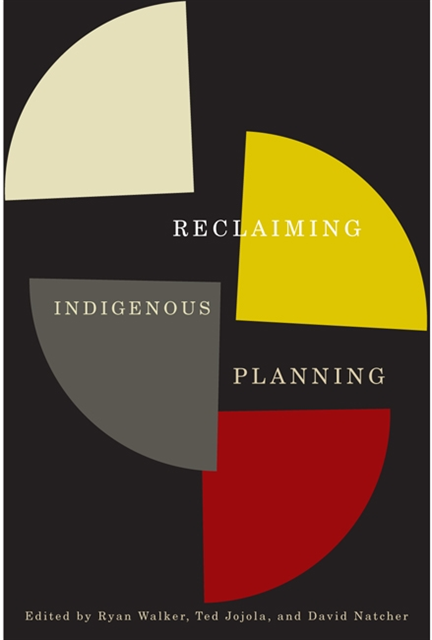
Centuries-old community planning practices in Indigenous communities in Canada, the United States, New Zealand, and Australia have, in modern times, been eclipsed by ill-suited western approaches, mostly derived from colonial and neo-colonial traditions. Since planning outcomes have failed to reflect the rights and interests of Indigenous people, attempts to reclaim planning have become a priority for many Indigenous nations throughout the world. In Reclaiming Indigenous Planning, scholars and practitioners connect the past and present to facilitate better planning for the future. With examples from the Canadian Arctic to the Australian desert, and the cities, towns, reserves and reservations in between, contributors engage topics including Indigenous mobilization and resistance, awareness-raising and seven-generations visioning, Indigenous participation in community planning processes, and forms of governance. Relying on case studies and personal narratives, these essays emphasize the critical need for Indigenous communities to reclaim control of the political, socio-cultural, and economic agendas that shape their lives. The first book to bring Indigenous and non-Indigenous authors together across continents, Reclaiming Indigenous Planning shows how urban and rural communities around the world are reformulating planning practices that incorporate traditional knowledge, cultural identity, and stewardship over land and resources. Contributors include Robert Adkins (Community and Economic Development Consultant, USA), Chris Andersen (Alberta), Giovanni Attili (La Sapienza), Aaron Aubin (Dillon Consulting), Shaun Awatere (Landcare Research, New Zealand), Yale Belanger (Lethbridge), Keith Chaulk (Memorial), Stephen Cornell (Arizona), Sherrie Cross (Macquarie), Kim Doohan (Native Title and Resource Claims Consultant, Australia), Kerri Jo Fortier (Simpcw First Nation), Bethany Haalboom (Victoria University, New Zealand), Lisa Hardess (Hardess Planning Inc.), Garth Harmsworth (Landcare Research, New Zealand), Sharon Hausam (Pueblo of Laguna), Michael Hibbard (Oregon), Richard Howitt (Macquarie), Ted Jojola (New Mexico), Tanira Kingi (AgResearch, New Zealand), Marcus Lane (Griffith), Rebecca Lawrence (Umea), Gaim Lunkapis (Malaysia Sabah), Laura Mannell (Planning Consultant, Canada), Hirini Matunga (Lincoln University, New Zealand), Deborah McGregor (Toronto), Oscar Montes de Oca (AgResearch, New Zealand), Samantha Muller (Flinders), David Natcher (Saskatchewan), Frank Palermo (Dalhousie), Robert Patrick (Saskatchewan), Craig Pauling (Te Runanga o Ngai Tahu), Kurt Peters (Oregon State), Libby Porter (Monash), Andrea Procter (Memorial), Sarah Prout (Combined Universities Centre for Rural Health, Australia), Catherine Robinson (Commonwealth Scientific and Industrial Research Organization, Australia), Shadrach Rolleston (Planning Consultant, New Zealand), Leonie Sandercock (British Columbia), Crispin Smith (Planning Consultant, Canada), Sandie Suchet-Pearson (Macquarie), Siri Veland (Brown), Ryan Walker (Saskatchewan), Liz Wedderburn (AgResearch, New Zealand).
427 kr
Skickas inom 3-6 vardagar
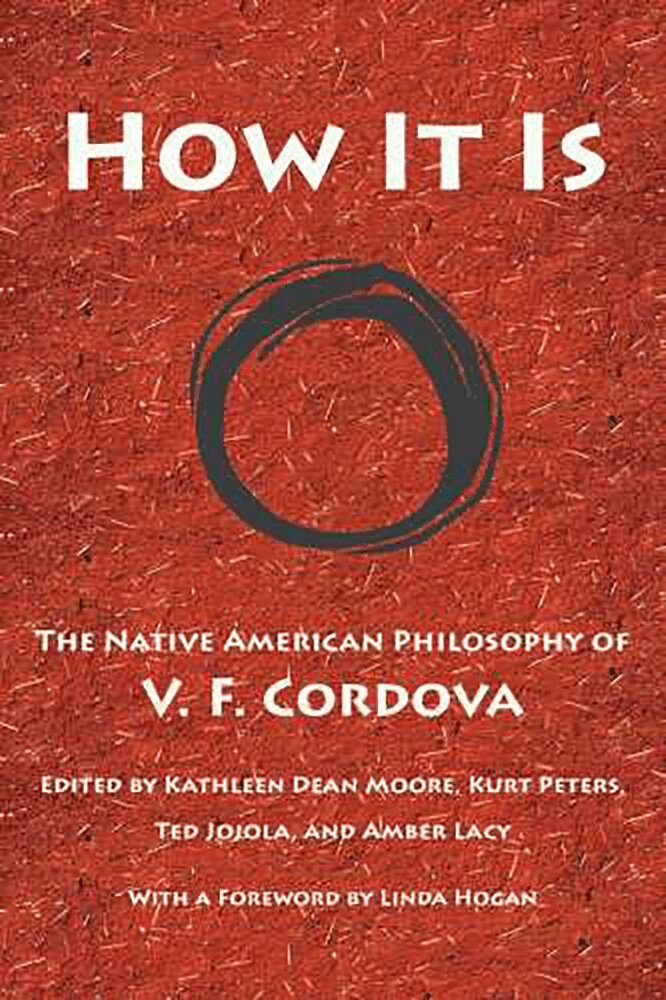
Viola Cordova was the first Native American woman to receive a PhD in philosophy. Even as she became an expert on canonical works of traditional Western philosophy, she devoted herself to defining a Native American philosophy. Although she passed away before she could complete her life's work, some of her colleagues have organized her pioneering contributions into this provocative book.In three parts, Cordova sets out a complete Native American philosophy. First she explains her own understanding of the nature of reality itself the origins of the world, the relation of matter and spirit, the nature of time, and the roles of culture and language in understanding all of these. She then turns to our role as residents of the Earth, arguing that we become human as we deepen our relation to our people and to our places, and as we understand the responsibilities that grow from those relationships. In the final section, she calls for a new reverence in a world where there is no distinction between the sacred and the mundane.Cordova clearly contrasts Native American beliefs with the traditions of the Enlightenment and Christianized Europeans (what she calls Euroman? philosophy).By doing so, she leads her readers into a deeper understanding of both traditions and encourages us to question any view that claims a singular truth. From these essays?which are lucid, insightful, frequently funny, and occasionally angry?we receive a powerful new vision of how we can live with respect, reciprocity, and joy.