Tejendra Pherali – Författare
Visar alla böcker från författaren Tejendra Pherali. Handla med fri frakt och snabb leverans.
3 produkter
3 produkter
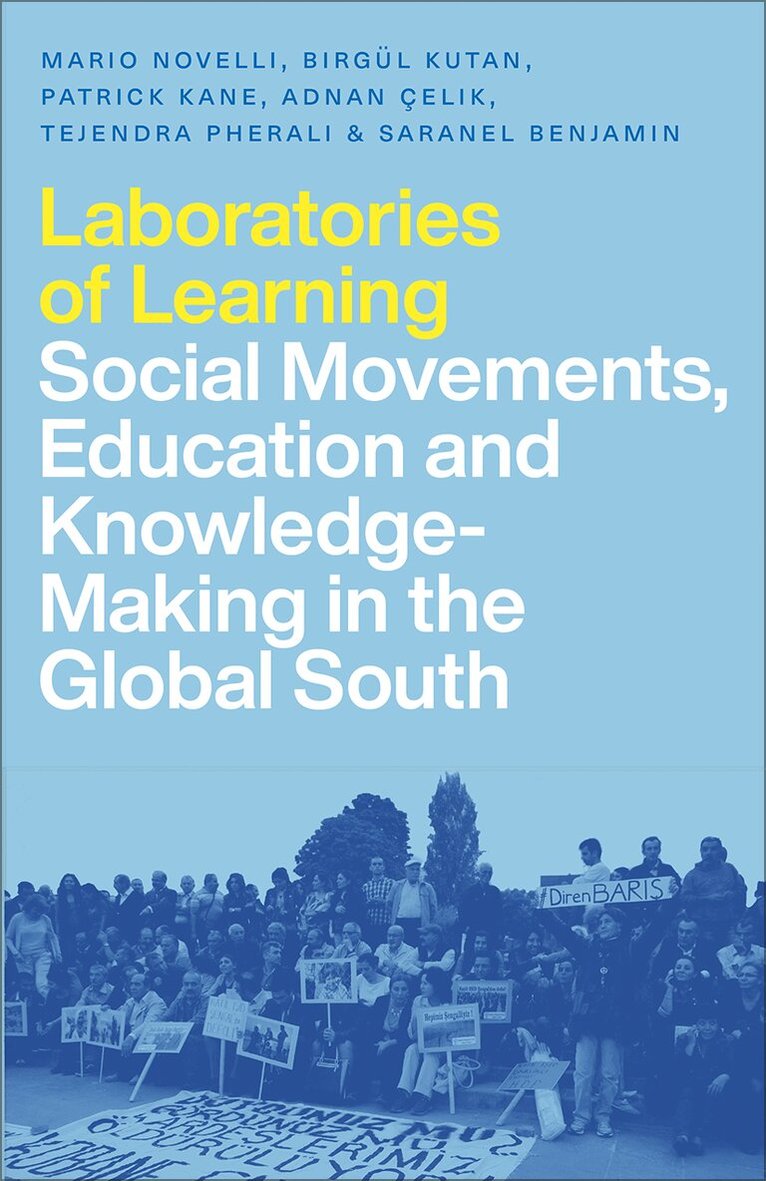
Laboratories of Learning
Social Movements, Education and Knowledge-Making in the Global South
Häftad, Engelska, 2024
197 kr
Skickas inom 7-10 vardagar
'Outstanding ... This book is a must-read for scholars and activists interested in the impact of grassroots knowledge-making on individuals, institutions and society' Rebecca Tarlau, author of Occupying Schools, Occupying Land'In social movements, people [learn how to] re-imagine their worlds. This powerful and inspiring book shows that movement education is not a luxury but a central part of effective struggle' Laurence Cox, author of Why Social Movements MatterLaboratories of Learning proves, through exploring inspiring social movements around the world, that the education and knowledge-making happening inside these movements is crucial for the future of social justice for all. It asks three simple but profound questions: How do movements learn and make knowledge? What kinds of knowledge do movements make? And what is its effect on individual activists, movements and even whole societies? Written in collaboration with leading activists from different movements in Turkey, Colombia, Nepal and South Africa, each case shows that these activists in the Global South can offer exciting insights into the myriad of ways that movements learn and produce knowledge as they struggle for a better world.Designed to inspire and innovate, Laboratories of Learning is an opportunity for activists to learn new, ground-breaking ideas, born out of moments working at the intersection of theory and practice, pushing the boundaries of new thinking and the limits of the possible.
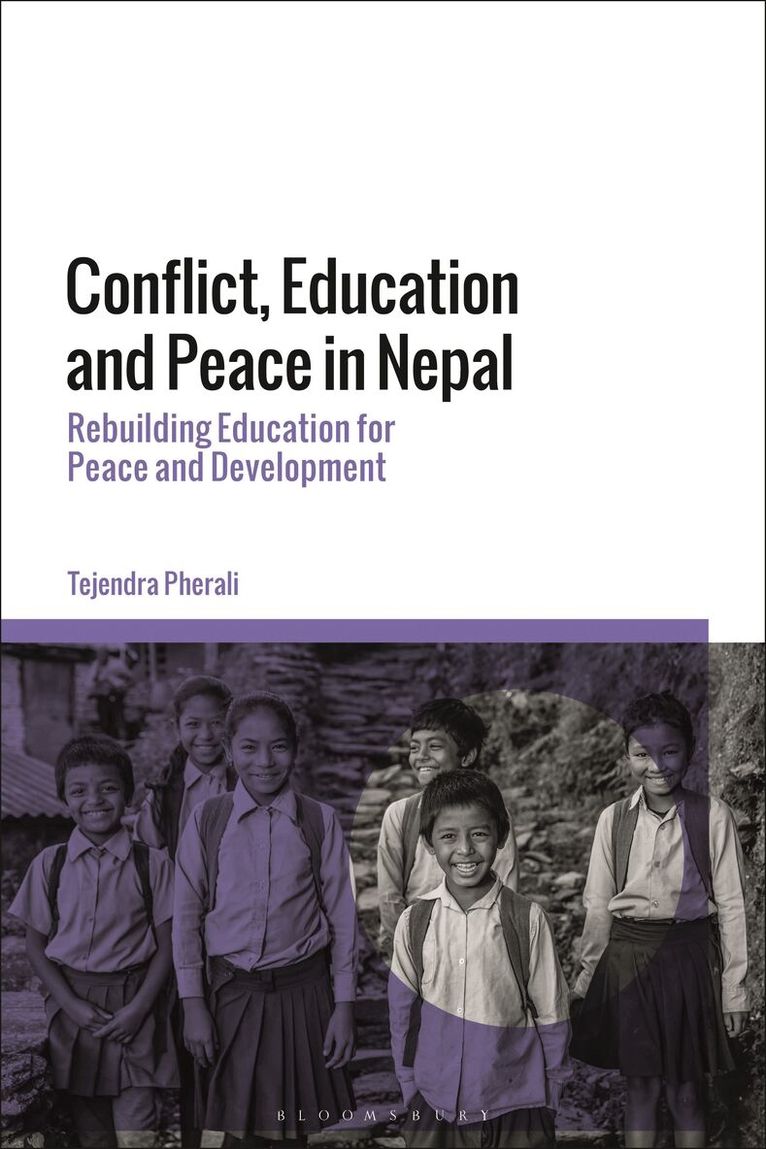
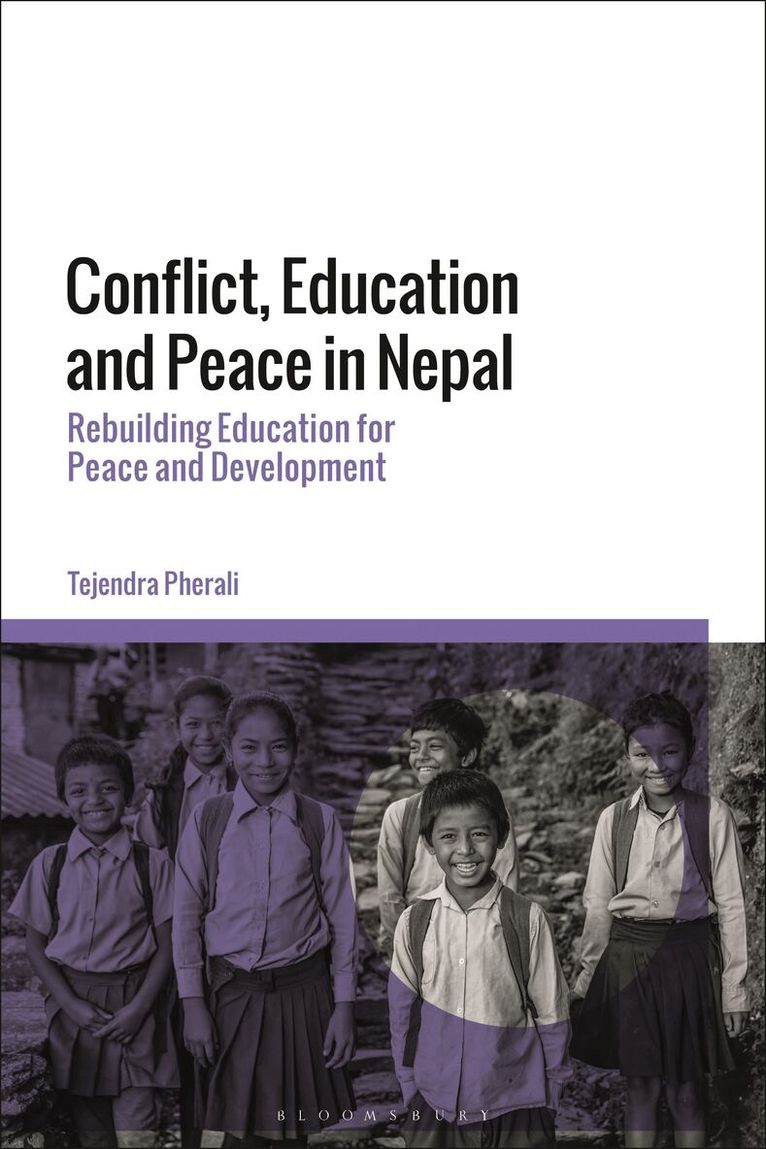
Conflict, Education and Peace in Nepal
Rebuilding Education for Peace and Development
Inbunden, Engelska, 2022
1 305 kr
Skickas inom 10-15 vardagar
Increasing inequalities, political movements and violent extremism across the world cause social and political instability in which education is enormously implicated. Placed firmly in this wider global context, this volume explores interactions between education and armed conflict during the ‘People’s War’ (1996 – 2006) in Nepal. Building upon theoretical concepts that deal with multifarious links between education and conflict, Tejendra Pherali provides a critical analysis of the contentious role of education in the emergence of conflict, as well as the effects of violence on education. Pherali engages with sociological and political theories to analyse the emergence and expansion of armed rebellion and discuss implications for peacebuilding and social transformation. He argues that education in Nepal played a complicit role in the conflict, primarily benefitting the traditionally privileged social groups in the society and hence, perpetuating the existing structural inequalities, which were the major causes of the rebellion. Schools, trapped in the middle of the conflict between the Maoists and the security forces, became a significant political space that facilitated critical education, providing intellectual strength to the violent rebellion. Exploring education after the conflict, the author argues that the reconstruction should adopt a ‘conflict-sensitive’ approach to deal with issues concerning educational inequity, social exclusion, and political hegemony of the privileged social groups. The volume provides invaluable insights into post-conflict opportunities and challenges for educational reforms that align with inclusive democracy, social justice and equitable development.
Conflict, Education and Peace in Nepal
Rebuilding Education for Peace and Development
Häftad, Engelska, 2024
396 kr
Skickas inom 10-15 vardagar
Increasing inequalities, political movements and violent extremism across the world cause social and political instability in which education is enormously implicated. Placed firmly in this wider global context, this volume explores interactions between education and armed conflict during the ‘People’s War’ (1996 – 2006) in Nepal. Building upon theoretical concepts that deal with multifarious links between education and conflict, Tejendra Pherali provides a critical analysis of the contentious role of education in the emergence of conflict, as well as the effects of violence on education. Pherali engages with sociological and political theories to analyse the emergence and expansion of armed rebellion and discuss implications for peacebuilding and social transformation. He argues that education in Nepal played a complicit role in the conflict, primarily benefitting the traditionally privileged social groups in the society and hence, perpetuating the existing structural inequalities, which were the major causes of the rebellion. Schools, trapped in the middle of the conflict between the Maoists and the security forces, became a significant political space that facilitated critical education, providing intellectual strength to the violent rebellion. Exploring education after the conflict, the author argues that the reconstruction should adopt a ‘conflict-sensitive’ approach to deal with issues concerning educational inequity, social exclusion, and political hegemony of the privileged social groups. The volume provides invaluable insights into post-conflict opportunities and challenges for educational reforms that align with inclusive democracy, social justice and equitable development.