Teresa Cecchi - Böcker
Visar alla böcker från författaren Teresa Cecchi. Handla med fri frakt och snabb leverans.
4 produkter
4 produkter
1 080 kr
Skickas inom 10-15 vardagar
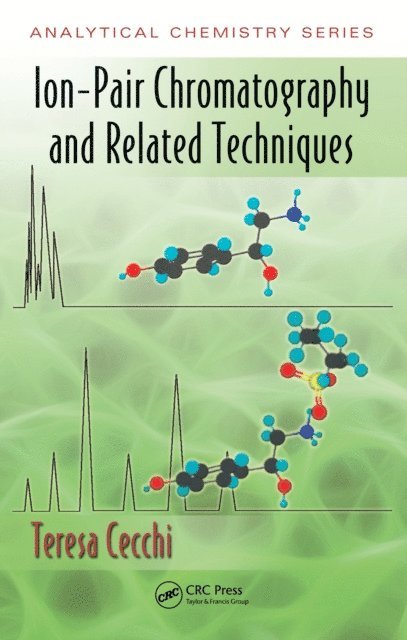
Ion-Pair Chromatography (IPC) is a rapidly evolving method for difficult analyses of organic and inorganic ions and ionogenic, neutral, and zwitterionic compounds. The possibilities for this technology continue to grow as novel ion-pair reagents and strategies are introduced at an accelerated level. Compensating for a dearth in the literature, Ion-Pair Chromatography and Related Techniques details the basics and the evolution of this established and easily tunable technique and explains its influence on similar methods.Theoretical modeling to applicationProviding a thorough exploration of the multiplicity of interactions involved in an IPC system, this book emphasizes the progress from theoretical modeling to application. It explores the practical potential of IPC in the life science, medicine, pharmacology, forensic, food, and environmental sectors. It examines the upgrade of column technology and instrumentation to improve data quality and to increase sample throughput. The book also compares IPC to other instrumental methods of analysis and discusses the rising importance of the ion-pair concept in different analytical techniques.Future endeavorsIPC has the potential to have lasting impact in the field of chromatography. Distilling the knowledge gained from preeminent research, this volume is a critical resource that is destined to stimulate future endeavors by separation scientists working in the area of high performance liquid chromatography.
2 982 kr
Skickas inom 7-10 vardagar
Ion-Pair Chromatography (IPC) is a rapidly evolving method for difficult analyses of organic and inorganic ions and ionogenic, neutral, and zwitterionic compounds. The possibilities for this technology continue to grow as novel ion-pair reagents and strategies are introduced at an accelerated level. Compensating for a dearth in the literature, Ion-Pair Chromatography and Related Techniques details the basics and the evolution of this established and easily tunable technique and explains its influence on similar methods.Theoretical modeling to applicationProviding a thorough exploration of the multiplicity of interactions involved in an IPC system, this book emphasizes the progress from theoretical modeling to application. It explores the practical potential of IPC in the life science, medicine, pharmacology, forensic, food, and environmental sectors. It examines the upgrade of column technology and instrumentation to improve data quality and to increase sample throughput. The book also compares IPC to other instrumental methods of analysis and discusses the rising importance of the ion-pair concept in different analytical techniques.Future endeavorsIPC has the potential to have lasting impact in the field of chromatography. Distilling the knowledge gained from preeminent research, this volume is a critical resource that is destined to stimulate future endeavors by separation scientists working in the area of high performance liquid chromatography.
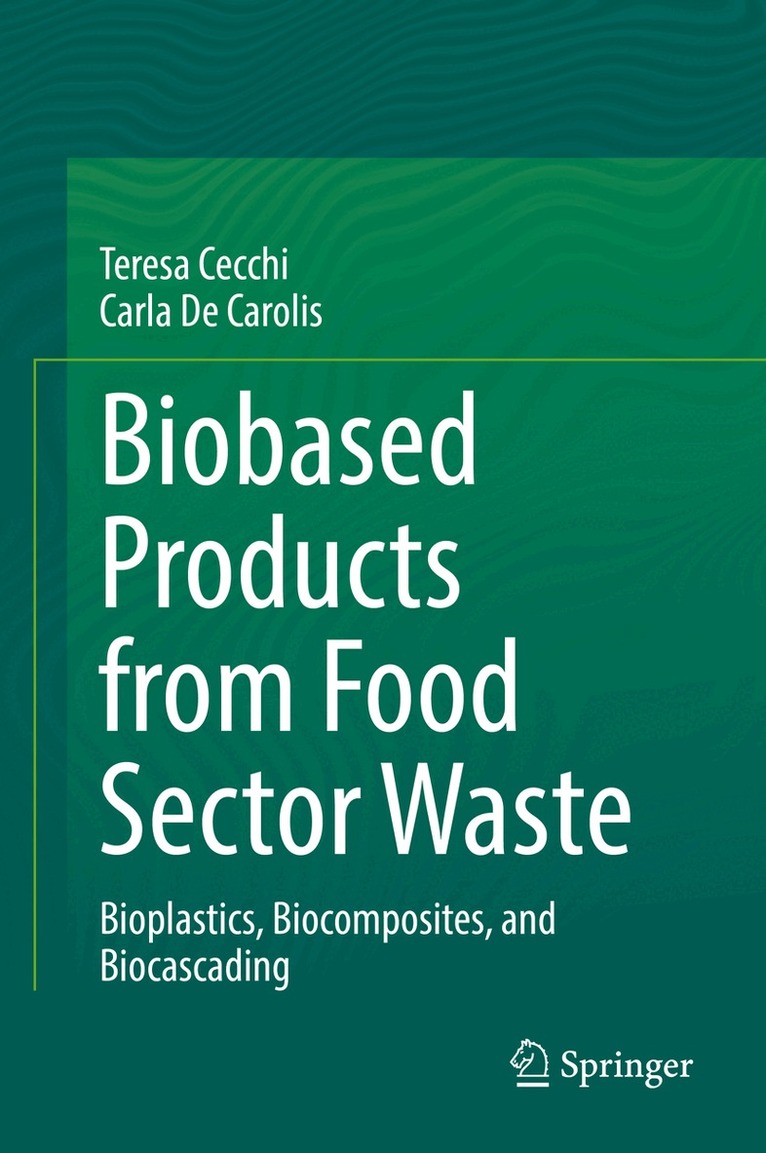
Biobased Products from Food Sector Waste
Bioplastics, Biocomposites, and Biocascading
Inbunden, Engelska, 2021
1 906 kr
Skickas inom 10-15 vardagar
In the past, food waste has been used to produce biogas and biofuels, fertilizers, and animal feed. Using it as a feedstock for innovative biorefineries is not only an ethical issue but also a smart application of the circular economy. This book explores the zero-waste concept in the thriving biobased sector, proposing technologies and procedures to meet the sustainable development goals.The volume categorizes food waste sources and proposes an impressive number of high value-added compounds (e.g., platform chemicals, enzymes, nutraceuticals, antioxidants, organic acids, phosphate, bioadsorbents, pectin, solvents, and pigments) that can be obtained in a sequential biocascade, via chemical, biochemical, thermal, and physical technologies.The synthesis of bioplastics from food waste, their copolymerization and blending, as well as the production of biocomposites and bionanocomposite with biofillers from food scraps, are presented: eluding the cost of waste disposal, reducing biobased materials price, and avoiding using edible resources as a starting material for biobased items are the main beneficial peculiarities of the process. The Authors illustrate challenging characteristics of new biobased materials, such as their mechanical and physico-chemical features, their biodegradability, compostability, recyclability, chemical compatibility, and barrier properties. The volume also delves into socioeconomic considerations and environmental concerns related to the upcycling of food waste, as well as the safety and life cycle assessment of biobased products. Finally, the authors address how advances in digital technology can make food waste upcycling a negative-cost process and discuss best practices to practically implement the biorefinery concept. Research gaps and needs are suggested, and recommendations for food waste handling and management during this COVID-19 pandemic are provided.
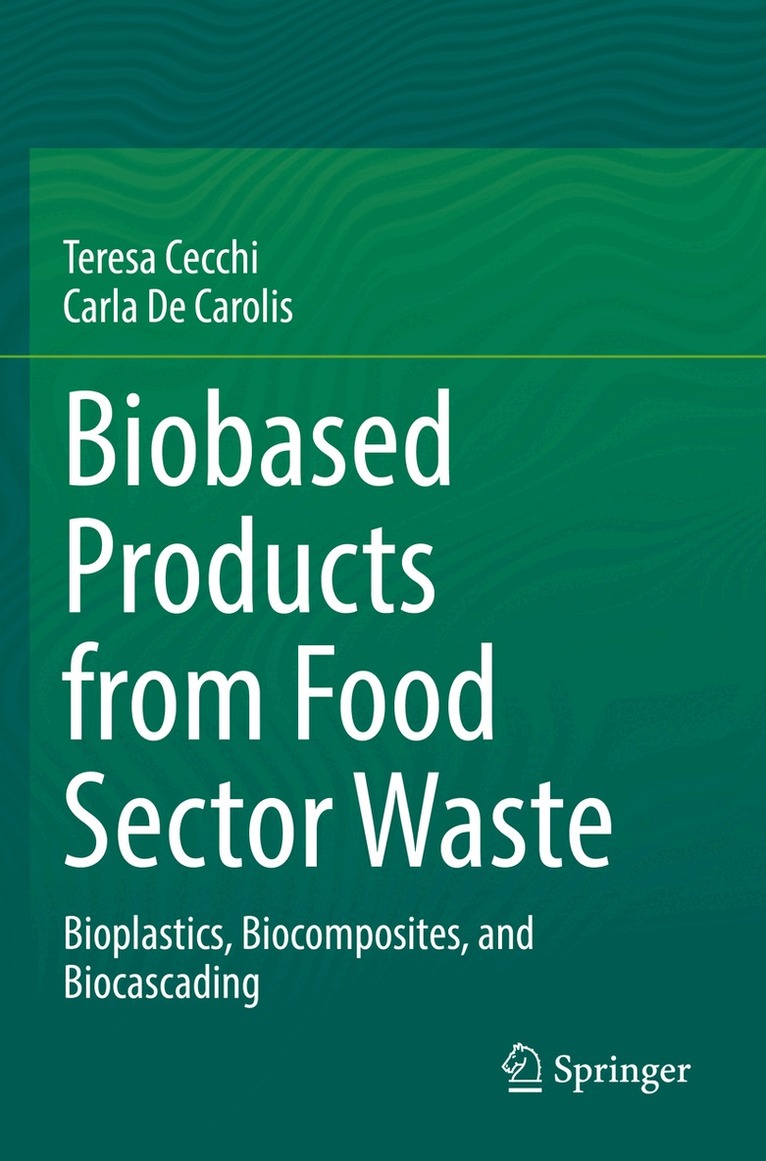
Biobased Products from Food Sector Waste
Bioplastics, Biocomposites, and Biocascading
Häftad, Engelska, 2022
1 273 kr
Skickas inom 10-15 vardagar
In the past, food waste has been used to produce biogas and biofuels, fertilizers, and animal feed. Using it as a feedstock for innovative biorefineries is not only an ethical issue but also a smart application of the circular economy. This book explores the zero-waste concept in the thriving biobased sector, proposing technologies and procedures to meet the sustainable development goals.The volume categorizes food waste sources and proposes an impressive number of high value-added compounds (e.g., platform chemicals, enzymes, nutraceuticals, antioxidants, organic acids, phosphate, bioadsorbents, pectin, solvents, and pigments) that can be obtained in a sequential biocascade, via chemical, biochemical, thermal, and physical technologies.The synthesis of bioplastics from food waste, their copolymerization and blending, as well as the production of biocomposites and bionanocomposite with biofillers from food scraps, are presented: eluding the cost of waste disposal, reducing biobased materials price, and avoiding using edible resources as a starting material for biobased items are the main beneficial peculiarities of the process. The Authors illustrate challenging characteristics of new biobased materials, such as their mechanical and physico-chemical features, their biodegradability, compostability, recyclability, chemical compatibility, and barrier properties. The volume also delves into socioeconomic considerations and environmental concerns related to the upcycling of food waste, as well as the safety and life cycle assessment of biobased products. Finally, the authors address how advances in digital technology can make food waste upcycling a negative-cost process and discuss best practices to practically implement the biorefinery concept. Research gaps and needs are suggested, and recommendations for food waste handling and management during this COVID-19 pandemic are provided.