Terry A. Brown – författare
Visar alla böcker från författaren Terry A. Brown. Handla med fri frakt och snabb leverans.
4 produkter
4 produkter
972 kr
Skickas inom 10-15 vardagar
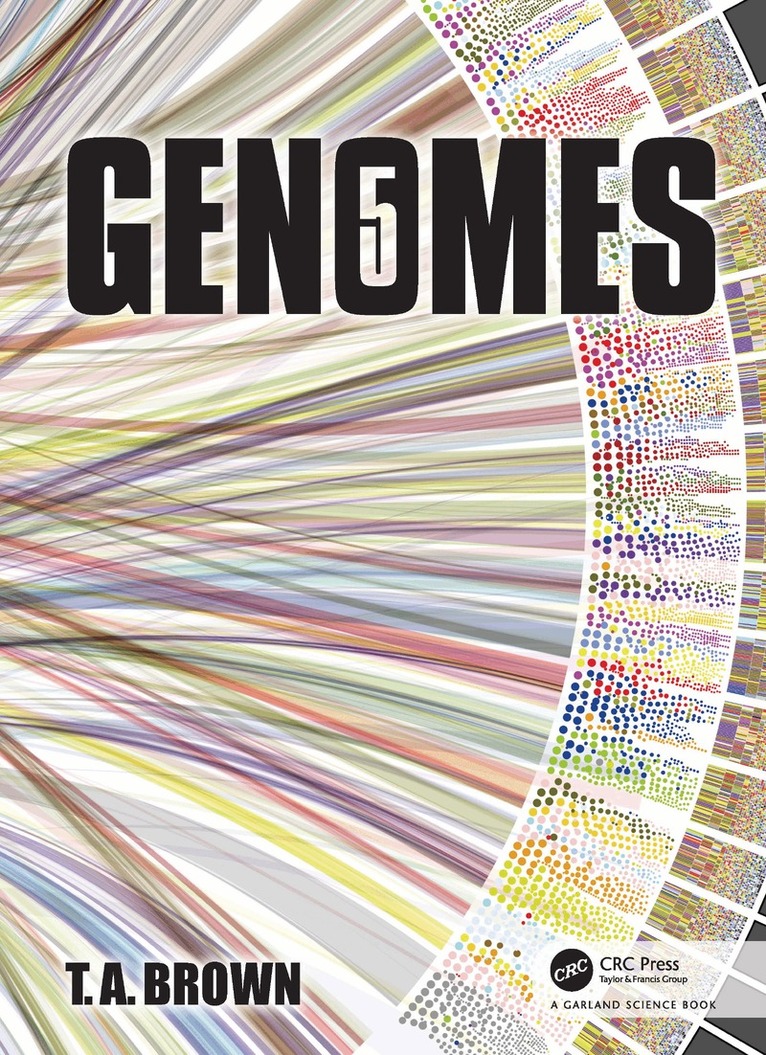
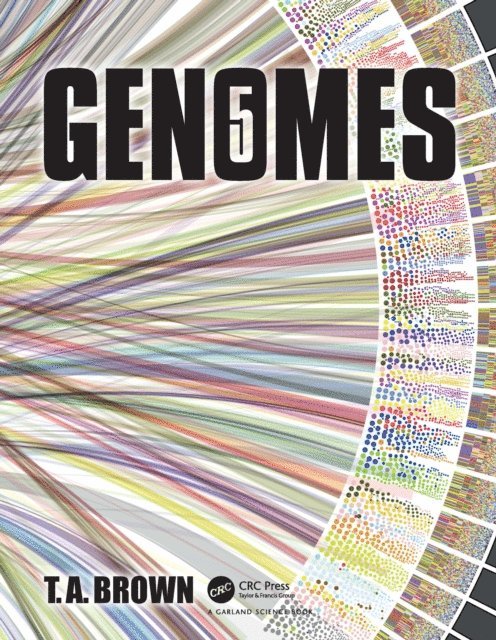
Genomes 5 has been completely revised and updated. It is a thoroughly modern textbook about genomes and how they are investigated. As with previous Genomes editions, techniques come first, then genome anatomies, followed by genome function, and finally genome evolution. The genomes of all types of organism are covered: viruses, bacteria, fungi, plants, and animals, including humans and other hominids.Genome sequencing and assembly methods have been thoroughly revised to include new developments in long-read DNA sequencing. Coverage of genome annotation emphasizes genome-wide RNA mapping, with CRISPR-Cas 9 and GWAS methods of determining gene function covered. The knowledge gained from these techniques forms the basis of the chapters that describe the three main types of genomes: eukaryotic, prokaryotic (including eukaryotic organelles), and viral (including mobile genetic elements). Coverage of genome expression and replication is truly genomic, concentrating on the genome-wide implications of DNA packaging, epigenome modifications, DNA-binding proteins, non-coding RNAs, regulatory genome sequences, and protein-protein interactions. Also included are examples of the applications of metabolomics and systems biology. The final chapter is on genome evolution, including the evolution of the epigenome, using genomics to study human evolution, and using population genomics to advance plant breeding. Established methods of molecular biology are included if they are still relevant today and there is always an explanation as to why the method is still important.Genomes 5 is the ideal text for upper-level courses focused on genomes and genomics.Key FeaturesA highly accessible and well-structured book with chapters organized into four parts to aid navigationSuperb artwork illustrates the key concepts and mechanismsEach chapter has a set of short-answer questions and in-depth problems to test the reader’s understanding of the materialThoroughly up to date with references to the latest research from the 2020s
2 385 kr
Skickas inom 10-15 vardagar
Genomes 5 has been completely revised and updated. It is a thoroughly modern textbook about genomes and how they are investigated. As with previous Genomes editions, techniques come first, then genome anatomies, followed by genome function, and finally genome evolution. The genomes of all types of organism are covered: viruses, bacteria, fungi, plants, and animals, including humans and other hominids.Genome sequencing and assembly methods have been thoroughly revised to include new developments in long-read DNA sequencing. Coverage of genome annotation emphasizes genome-wide RNA mapping, with CRISPR-Cas 9 and GWAS methods of determining gene function covered. The knowledge gained from these techniques forms the basis of the chapters that describe the three main types of genomes: eukaryotic, prokaryotic (including eukaryotic organelles), and viral (including mobile genetic elements). Coverage of genome expression and replication is truly genomic, concentrating on the genome-wide implications of DNA packaging, epigenome modifications, DNA-binding proteins, non-coding RNAs, regulatory genome sequences, and protein-protein interactions. Also included are examples of the applications of metabolomics and systems biology. The final chapter is on genome evolution, including the evolution of the epigenome, using genomics to study human evolution, and using population genomics to advance plant breeding. Established methods of molecular biology are included if they are still relevant today and there is always an explanation as to why the method is still important.Genomes 5 is the ideal text for upper-level courses focused on genomes and genomics.Key FeaturesA highly accessible and well-structured book with chapters organized into four parts to aid navigationSuperb artwork illustrates the key concepts and mechanismsEach chapter has a set of short-answer questions and in-depth problems to test the reader’s understanding of the materialThoroughly up to date with references to the latest research from the 2020s
788 kr
Skickas inom 10-15 vardagar
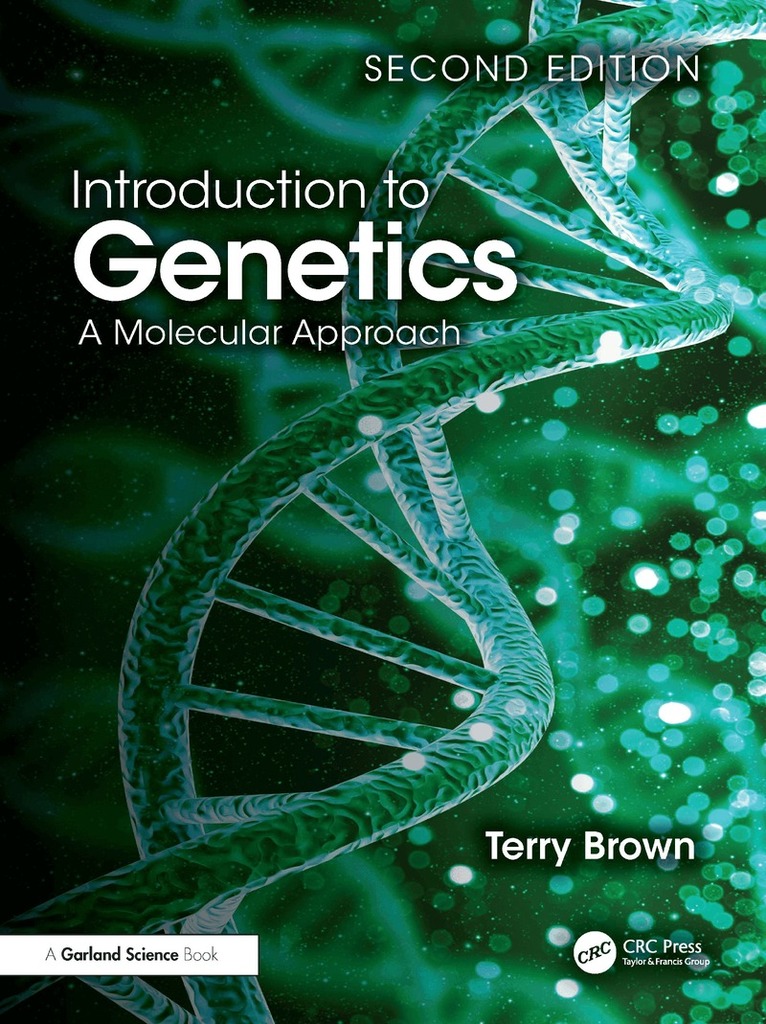
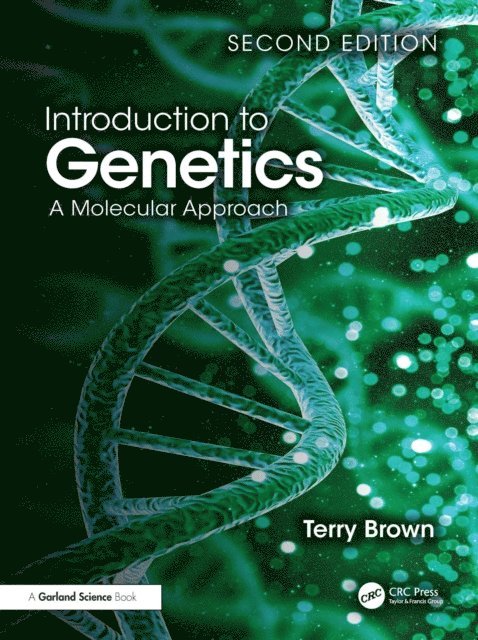
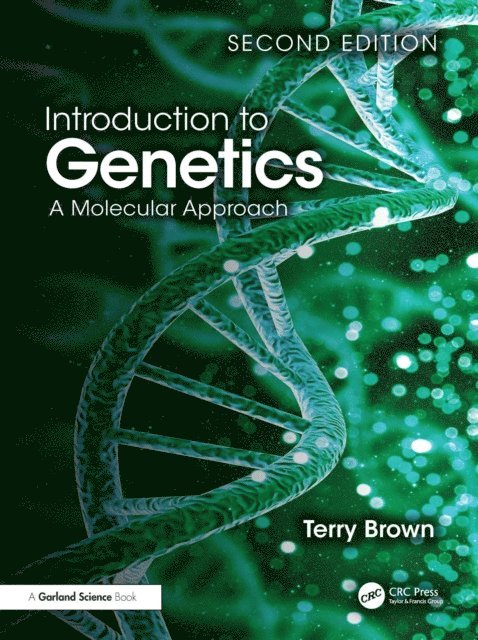
Nowadays, genetics focuses on DNA. Just like the first edition, the theme of this new edition, Introduction to Genetics: A Molecular Approach, is therefore the progression from molecules (DNA and genes) to processes (gene expression and DNA replication) to systems (cells, organisms and populations). This progression reflects both the basic logic of life and the way in which modern biological research is structured. The molecular approach is particularly suitable for students for whom genetics is part of a broader program in biology, biochemistry, the biomedical sciences or biotechnology. This book presents the basic facts and concepts with enough depth of knowledge to stimulate students to move on to more advanced aspects of the subject.This second edition has been thoroughly updated to cover new discoveries and developments in genetics from the last ten years. There are new chapters that introduce important techniques such as DNA sequencing and gene editing, and the applications of genetics in our modern world are covered in chapters describing topics as diverse as gene therapy and the use of ancient DNA to study prehistoric ecosystems.Key Features:This book provides a molecular approach to the study of genetics.It is a highly accessible and well-structured book with chapters organized into four parts to aid navigation.It presents high-quality illustrations to elucidate the various concepts and mechanisms.Each chapter ends with a Key Concepts section, which serves to summarize the most essential points.Self-study questions enable the reader to assess their comprehension of chapter content, and discussion topics facilitate a deeper understanding of the material by encouraging conversation and critical evaluation.Key terms are emboldened throughout the text and are listed at the end of each chapter, and definitions can be found in the Glossary.For instructors who adopt the book, an affiliated question bank is free to download.
2 106 kr
Skickas inom 10-15 vardagar
Nowadays, genetics focuses on DNA. Just like the first edition, the theme of this new edition, Introduction to Genetics: A Molecular Approach, is therefore the progression from molecules (DNA and genes) to processes (gene expression and DNA replication) to systems (cells, organisms and populations). This progression reflects both the basic logic of life and the way in which modern biological research is structured. The molecular approach is particularly suitable for students for whom genetics is part of a broader program in biology, biochemistry, the biomedical sciences or biotechnology. This book presents the basic facts and concepts with enough depth of knowledge to stimulate students to move on to more advanced aspects of the subject.This second edition has been thoroughly updated to cover new discoveries and developments in genetics from the last ten years. There are new chapters that introduce important techniques such as DNA sequencing and gene editing, and the applications of genetics in our modern world are covered in chapters describing topics as diverse as gene therapy and the use of ancient DNA to study prehistoric ecosystems.Key Features:This book provides a molecular approach to the study of genetics.It is a highly accessible and well-structured book with chapters organized into four parts to aid navigation.It presents high-quality illustrations to elucidate the various concepts and mechanisms.Each chapter ends with a Key Concepts section, which serves to summarize the most essential points.Self-study questions enable the reader to assess their comprehension of chapter content, and discussion topics facilitate a deeper understanding of the material by encouraging conversation and critical evaluation.Key terms are emboldened throughout the text and are listed at the end of each chapter, and definitions can be found in the Glossary.For instructors who adopt the book, an affiliated question bank is free to download.