Terry Gudaitis - Böcker
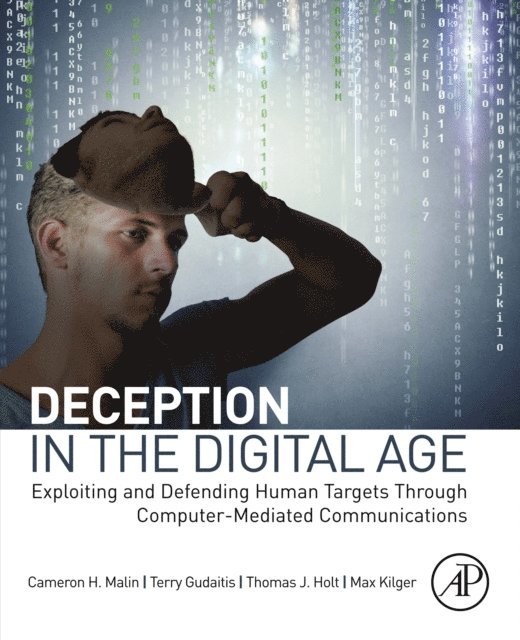
Deception in the Digital Age
Exploiting and Defending Human Targets through Computer-Mediated Communications
698 kr
Skickas inom 7-10 vardagar
Deception in the Digital Age: Exploiting and Defending Human Targets Through Computer-Mediated Communication guides readers through the fascinating history and principles of deception-and how these techniques and stratagems are now being effectively used by cyber attackers. Users will find an in-depth guide that provides valuable insights into the cognitive, sensory and narrative bases of misdirection, used to shape the targeted audience's perceptions and beliefs.
The text provides a detailed analysis of the psychological, sensory, sociological, and technical precepts that reveal predictors of attacks-and conversely postmortem insight about attackers-presenting a unique resource that empowers readers to observe, understand and protect against cyber deception tactics.
Written by information security experts with real-world investigative experience, the text is the most instructional book available on the subject, providing practical guidance to readers with rich literature references, diagrams and examples that enhance the learning process.
Deeply examines the psychology of deception through the lens of misdirection and other techniques used by master magicians Explores cognitive vulnerabilities that cyber attackers use to exploit human targets Dissects the underpinnings and elements of deception narratives Examines group dynamics and deception factors in cyber attacker underground markets Provides deep coverage on how cyber attackers leverage psychological influence techniques in the trajectory of deception strategies Explores the deception strategies used in today's threat landscape-phishing, watering hole, scareware and ransomware attacks Gives unprecedented insight into deceptive Internet video communications Delves into the history and deception pathways of nation-state and cyber terrorism attackers Provides unique insight into honeypot technologies and strategies Explores the future of cyber deception406 kr
Skickas inom 7-10 vardagar
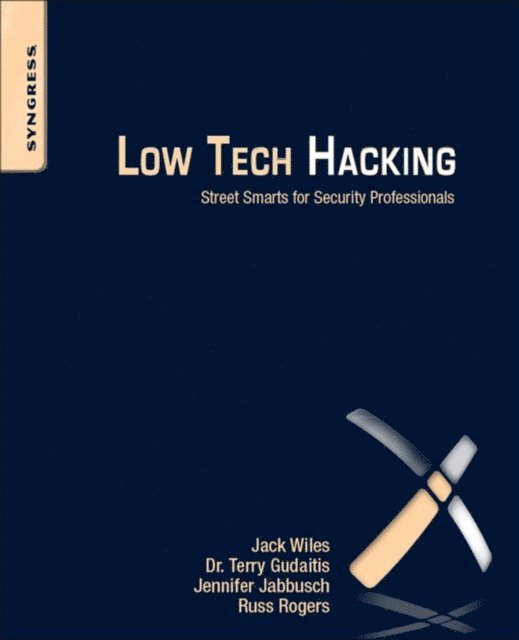
Low Tech Hacking teaches your students how to avoid and defend against some of the simplest and most common hacks. Criminals using hacking techniques can cost corporations, governments, and individuals millions of dollars each year. While the media focuses on the grand-scale attacks that have been planned for months and executed by teams and countries, there are thousands more that aren't broadcast. This book focuses on the everyday hacks that, while simple in nature, actually add up to the most significant losses. It provides detailed descriptions of potential threats and vulnerabilities, many of which the majority of the information systems world may be unaware. It contains insider knowledge of what could be your most likely low-tech threat, with timely advice from some of the top security minds in the world.
Author Jack Wiles spent many years as an inside penetration testing team leader, proving that these threats and vulnerabilities exist and their countermeasures work. His contributing authors are among the best in the world in their respective areas of expertise. The book is organized into 8 chapters covering social engineering; locks and ways to low tech hack them; low tech wireless hacking; low tech targeting and surveillance; low tech hacking for the penetration tester; the law on low tech hacking; and information security awareness training as a countermeasure to employee risk.
This book will be a valuable resource for penetration testers, internal auditors, information systems auditors, CIOs, CISOs, risk managers, fraud investigators, system administrators, private investigators, ethical hackers, black hat hackers, corporate attorneys, and members of local, state, and federal law enforcement.
Contains insider knowledge of what could be your most likely Low Tech threat Includes timely advice from some of the top security minds in the world Covers many detailed countermeasures that you can employ to improve your security posture