Terry L. Maple – författare
Visar alla böcker från författaren Terry L. Maple. Handla med fri frakt och snabb leverans.
10 produkter
10 produkter
502 kr
Skickas inom 3-6 vardagar
Inbunden, Engelska, 2019
1 266 kr
Skickas inom 7-10 vardagar
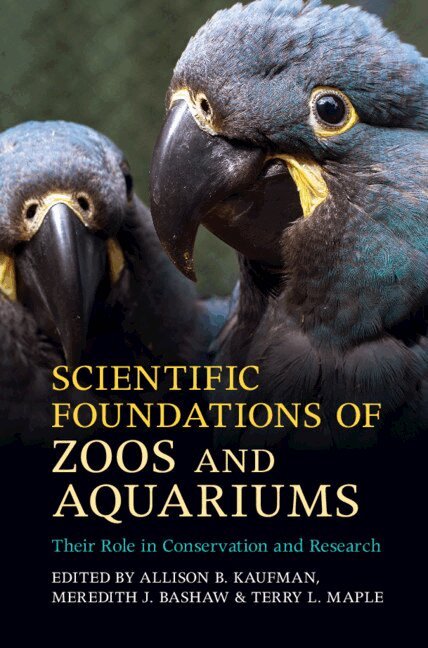
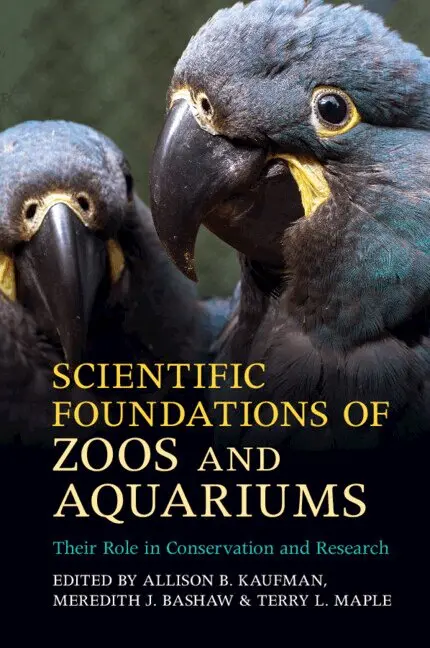
In the modern era, zoos and aquariums fight species extinction, educate communities, and advance learning of animal behaviour. This book features first person stories and scientific reviews to explore ground breaking projects run by these institutions. Large-scale conservation initiatives that benefit multiple species are detailed in the first section, including critical habitat protection, evidence-based techniques to grow animal populations and the design of community education projects. The second section documents how zoos use science to improve the health and welfare of animals in captivity and make difficult management decisions. The section on saving species includes personal tales of efforts to preserve wild populations through rehabilitation, captive breeding, reintroduction, and public outreach. The concluding section details scientific discoveries about animals that would have been impossible without the support of zoos and aquariums. The book is for animal scientists, zoo professionals, educators and researchers worldwide, as well as students of zookeeping and conservation.
E-bok
Engelska, 2019776 kr
Läs direkt efter köp
In the modern era, zoos and aquariums fight species extinction, educate communities, and advance learning of animal behaviour. This book features first person stories and scientific reviews to explore ground breaking projects run by these institutions. Large-scale conservation initiatives that benefit multiple species are detailed in the first section, including critical habitat protection, evidence-based techniques to grow animal populations and the design of community education projects. The second section documents how zoos use science to improve the health and welfare of animals in captivity and make difficult management decisions. The section on saving species includes personal tales of efforts to preserve wild populations through rehabilitation, captive breeding, reintroduction, and public outreach. The concluding section details scientific discoveries about animals that would have been impossible without the support of zoos and aquariums. The book is for animal scientists, zoo professionals, educators and researchers worldwide, as well as students of zookeeping and conservation.
E-bok
PDF, Engelska, 2019776 kr
Läs direkt efter köp
In the modern era, zoos and aquariums fight species extinction, educate communities, and advance learning of animal behaviour. This book features first person stories and scientific reviews to explore ground breaking projects run by these institutions. Large-scale conservation initiatives that benefit multiple species are detailed in the first section, including critical habitat protection, evidence-based techniques to grow animal populations and the design of community education projects. The second section documents how zoos use science to improve the health and welfare of animals in captivity and make difficult management decisions. The section on saving species includes personal tales of efforts to preserve wild populations through rehabilitation, captive breeding, reintroduction, and public outreach. The concluding section details scientific discoveries about animals that would have been impossible without the support of zoos and aquariums. The book is for animal scientists, zoo professionals, educators and researchers worldwide, as well as students of zookeeping and conservation.
Häftad, Engelska, 2019
637 kr
Skickas inom 7-10 vardagar
In the modern era, zoos and aquariums fight species extinction, educate communities, and advance learning of animal behaviour. This book features first person stories and scientific reviews to explore ground breaking projects run by these institutions. Large-scale conservation initiatives that benefit multiple species are detailed in the first section, including critical habitat protection, evidence-based techniques to grow animal populations and the design of community education projects. The second section documents how zoos use science to improve the health and welfare of animals in captivity and make difficult management decisions. The section on saving species includes personal tales of efforts to preserve wild populations through rehabilitation, captive breeding, reintroduction, and public outreach. The concluding section details scientific discoveries about animals that would have been impossible without the support of zoos and aquariums. The book is for animal scientists, zoo professionals, educators and researchers worldwide, as well as students of zookeeping and conservation.
Häftad, Engelska, 2019
361 kr
Skickas inom 3-6 vardagar
Häftad, Engelska, 2020
347 kr
Skickas inom 3-6 vardagar
E-bok
Engelska, 2016489 kr
Läs direkt efter köp
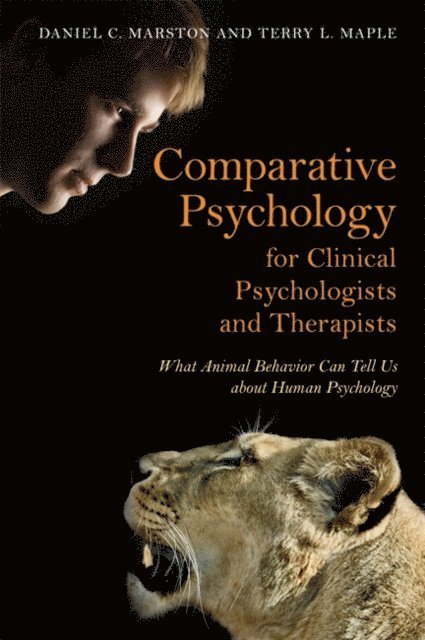
Featuring animal research, from pigeons to primates, this book explains how comparative psychology can enrich our insights into human psychological processes.Each chapter covers a different clinical disorder or problem commonly encountered by clinical psychologists and therapists, including depression, autism and social communication disorders, substance abuse and obesity, and reviews related research into animal behaviors. Revealing how animal models can grant psychologists a better understanding of the motivations and causes for behaviors that are impossible or challenging to study in humans, the authors suggest interventions, drawn from research findings in comparative psychology, that can effectively address psychological disorders in humans.
Häftad, Engelska, 2016
537 kr
Skickas inom 5-8 vardagar
Featuring animal research, from pigeons to primates, this book explains how comparative psychology can enrich our insights into human psychological processes.Each chapter covers a different clinical disorder or problem commonly encountered by clinical psychologists and therapists, including depression, autism and social communication disorders, substance abuse and obesity, and reviews related research into animal behaviors. Revealing how animal models can grant psychologists a better understanding of the motivations and causes for behaviors that are impossible or challenging to study in humans, the authors suggest interventions, drawn from research findings in comparative psychology, that can effectively address psychological disorders in humans.
E-bok
Engelska, 2014442 kr
Läs direkt efter köp
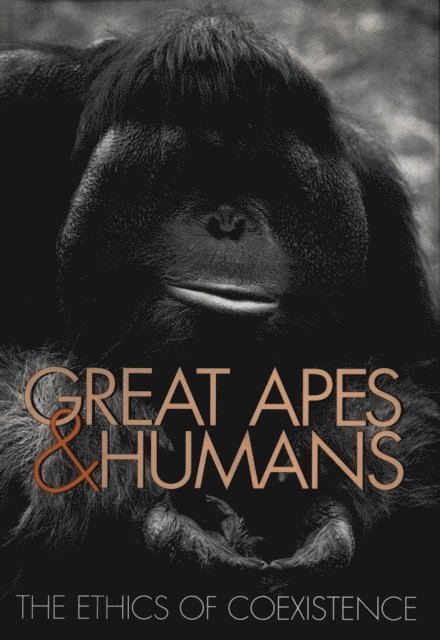
The great apes -- gorillas, chimpanzees, bonobos, and orangutans -- are known to be our closest living relatives. Chimpanzees in particular share 98 percent of our DNA, and scientists widely agree that they exhibit intellectual abilities long thought to be unique to humans, such as self-awareness and the ability to interpret the moods and identify the needs of others. The close relation of apes to humans raises important ethical questions. Are they better protected in the wild or in zoos? Should they be used in biomedical research? Should they be afforded the same legal protections as humans?Great Apes and Humans is the first book to present a spectrum of viewpoints on human responsibilities toward great apes. A variety of field biologists, academic scientists, zoo professionals, psychologists, sociologists, ethicists, and legal scholars consider apes in both the wild and captivity. They present sobering statistics on the declining numbers of wild apes, specifically discussing the decimation of great ape populations due to wild game consumption. They explore the role of apes in the educational missions of zoos as well as the need for sanctuaries for wild ape orphans and former research subjects. After examining the social division between apes and humans from historical, evolutionary, and cognitive perspectives, they conclude by reviewing the current moral and legal status of great apes as well as how apes'' cognitive skills inform these issues.Although this provocative book contains many different opinions, the uniting concern of the contributors is the safety and well-being of great apes. Only by continuing the dialogue so clearly presented here can we hope to ensure their future.