
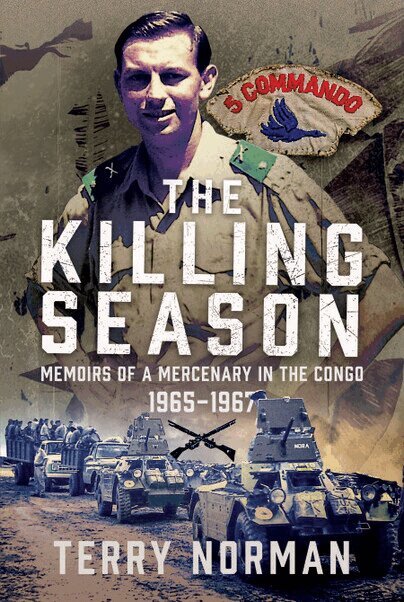
Set in the Congo during the 1960s, this narrative explores the violent aftermath of the country’s independence, a period marked by civil war, political upheaval, and international interference. Written in the third person with names changed for anonymity, the story opens with a foreword outlining the Congo’s descent into chaos, as competing factions—including foreign mercenaries—struggled for control of its vast natural resources and strategic influence.The story follows several key characters: Morgan, a seasoned mercenary conflicted by the moral weight of his actions; Brogan, a ruthless sergeant enforcing discipline with brutality; and Lagache, a Belgian plantation owner driven by revenge for his wife’s death at the hands of rebel leader Kimbiti. As these men navigate ambushes, battles, and personal dilemmas, they embody the larger questions of morality, survival, and humanity during wartime.The climax centers on a brutal assault on the rebel stronghold of Lukamba, involving ground and air forces. The battle is fierce, with heavy losses, leading to a sobering reflection on the futility of war. The story ends without resolution, emphasizing the emotional scars left behind and the enduring complexities of conflict in a fractured nation torn between colonial legacies and Cold War interests.
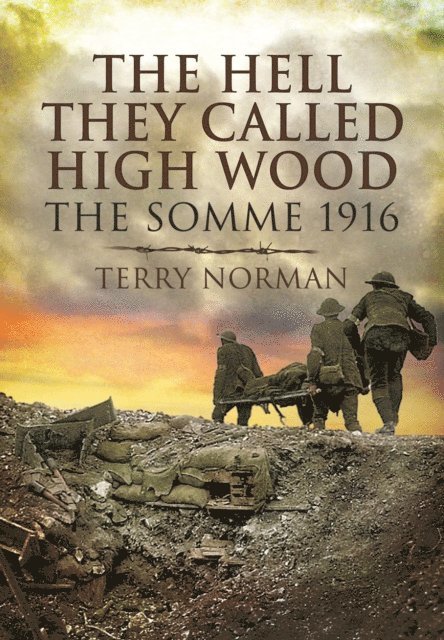
This WWI military history presents a close examination of the costly but victorious Attack on High Wood during the Battle of the Somme.From July 1st to November 18th of 1916, British and French allies fought against the German Empire in the Battle of the Somme, one of the bloodiest military engagements of all time. Its fiercely contested focal point was a 75-acre patch of forest known as High Wood. The Germans showed great determination and sacrifice defending the feature. It was not until September that it finally fell to the attackers. Yet despite the historic victory, the successful divisional commander was dismissed for "wanton waste of men".In The Hell They Called High Wood, military historian Terry Norman paints a graphic and gruesome picture of the fighting in this pivotal battle. He also sheds light on the frontline force''s relationship to high command—and the problems it caused.
The Somme was surely one of the bloodiest rendezvous for battle of all time. High Wood, dominating the Bazentin Ridge, was the fiercely contested focal point of the battle. The Germans showed great determination and sacrifice defending the feature and it was not until September that it finally fell to the attackers. ironically the successful divisional commander was rewarded with dismissal for "wanton waste of men". This exceptional book not only paints a graphic and gruesome picture of the fighting but sheds light on the problems of high command.
Set in the Congo during the 1960s, this narrative explores the violent aftermath of the country’s independence, a period marked by civil war, political upheaval, and international interference. Written in the third person with names changed for anonymity, the story opens with a foreword outlining the Congo’s descent into chaos, as competing factions—including foreign mercenaries—struggled for control of its vast natural resources and strategic influence.The story follows several key characters: Morgan, a seasoned mercenary conflicted by the moral weight of his actions; Brogan, a ruthless sergeant enforcing discipline with brutality; and Lagache, a Belgian plantation owner driven by revenge for his wife’s death at the hands of rebel leader Kimbiti. As these men navigate ambushes, battles, and personal dilemmas, they embody the larger questions of morality, survival, and humanity during wartime.The climax centers on a brutal assault on the rebel stronghold of Lukamba, involving ground and air forces. The battle is fierce, with heavy losses, leading to a sobering reflection on the futility of war. The story ends without resolution, emphasizing the emotional scars left behind and the enduring complexities of conflict in a fractured nation torn between colonial legacies and Cold War interests.
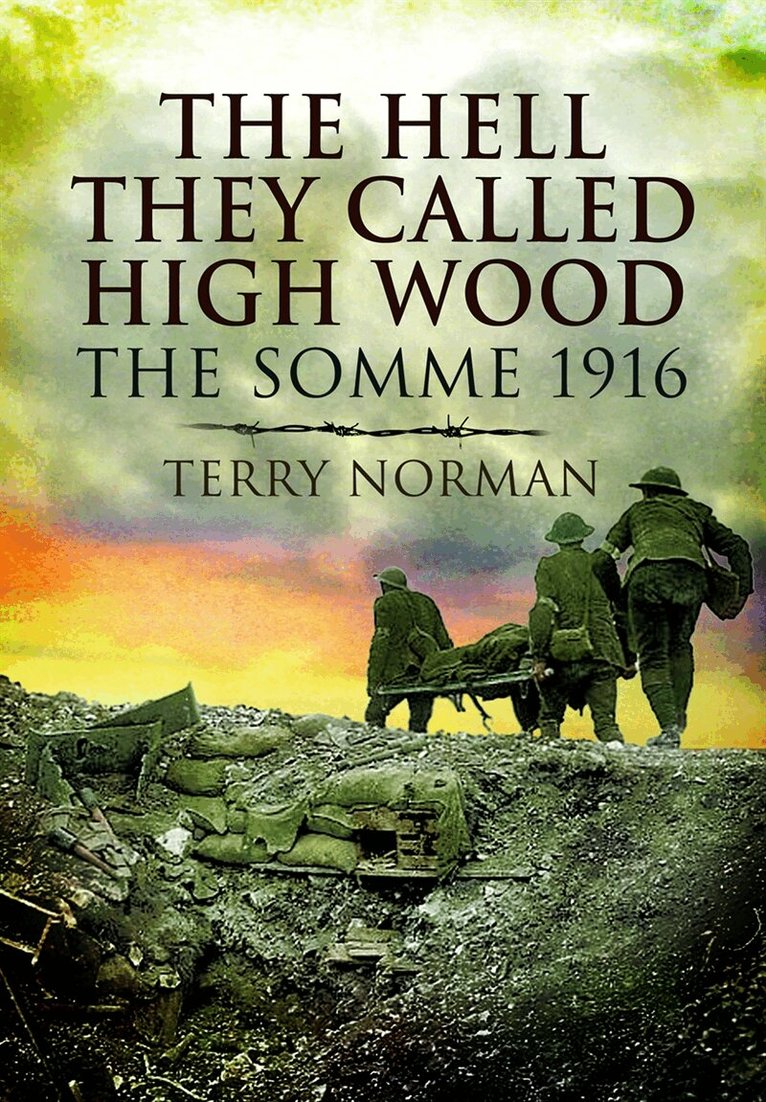
This WWI military history presents a close examination of the costly but victorious Attack on High Wood during the Battle of the Somme.From July 1st to November 18th of 1916, British and French allies fought against the German Empire in the Battle of the Somme, one of the bloodiest military engagements of all time. Its fiercely contested focal point was a 75-acre patch of forest known as High Wood. The Germans showed great determination and sacrifice defending the feature. It was not until September that it finally fell to the attackers. Yet despite the historic victory, the successful divisional commander was dismissed for "wanton waste of men".In The Hell They Called High Wood, military historian Terry Norman paints a graphic and gruesome picture of the fighting in this pivotal battle. He also sheds light on the frontline force''s relationship to high command—and the problems it caused.
The Somme was surely one of the bloodiest rendezvous for battle of all time. High Wood, dominating the Bazentin Ridge, was the fiercely contested focal point of the battle. The Germans showed great determination and sacrifice defending the feature and it was not until September that it finally fell to the attackers. ironically the successful divisional commander was rewarded with dismissal for "wanton waste of men". This exceptional book not only paints a graphic and gruesome picture of the fighting but sheds light on the problems of high command.