Tetsuo Abo – författare
Visar alla böcker från författaren Tetsuo Abo. Handla med fri frakt och snabb leverans.
6 produkter
The Hybrid Factory
The Japanese Production System in the United States
Av Tetsuo Abo
Inbunden, 1994
2186 kr
Lägg i varukorg
This book describes the results of a ten-year research project by a joint US/Japanese study team focusing on Japanese automotive and electronics firms engaged in local production in the US. The project is concerned with the potential for effective international transfer of the Japanese management …
Hybrid Factory
The Japanese Production System in The United States
Av Tetsuo Abo
E-bok, 1994
1171 kr
Lägg i varukorg
As Japanese automotive and electronics firms have expanded their operations into the United States more attention has been focused on Japanese management and manufacturing. In Hybrid Factory a team of Japanese and American scholars explores the potential for the effective transfer of Japanese …
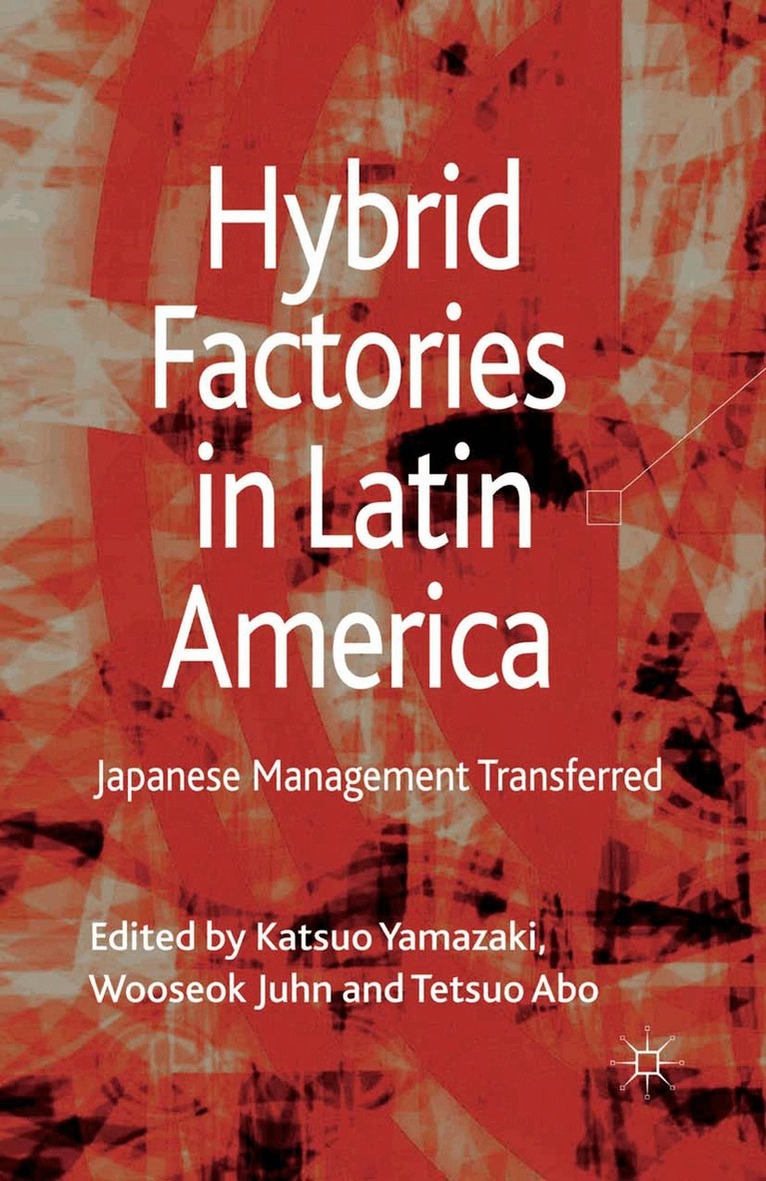
Hybrid Factories in Latin America
Japanese Management Transferred
Av Katsuo Yamazaki, Tetsuo Abo m. fl.
Inbunden, 2013
1130 kr
Lägg i varukorg
Explores the Latin American economy and management through the study of Japanese companies in countries such as Argentina, Brazil, and Mexico. Based on detailed case studies, this volume offers a bird's eye view of foreign investments in Latin America.
Hybrid Factories in Latin America
Japanese Management Transferred
Av JuhnWooseok Juhn, Tetsuo Abo m. fl.
E-bok, 2013
1562 kr
Lägg i varukorg
Explores the Latin American economy and management through the study of Japanese companies in countries such as Argentina, Brazil, and Mexico. Based on detailed case studies, this volume offers a bird''s eye view of foreign investments in Latin America.
Hybrid Factories in Latin America
Japanese Management Transferred
Av Katsuo Yamazaki, Tetsuo Abo m. fl.
Häftad, 2013
1130 kr
Lägg i varukorg
Explores the Latin American economy and management through the study of Japanese companies in countries such as Argentina, Brazil, and Mexico. Based on detailed case studies, this volume offers a bird's eye view of foreign investments in Latin America.
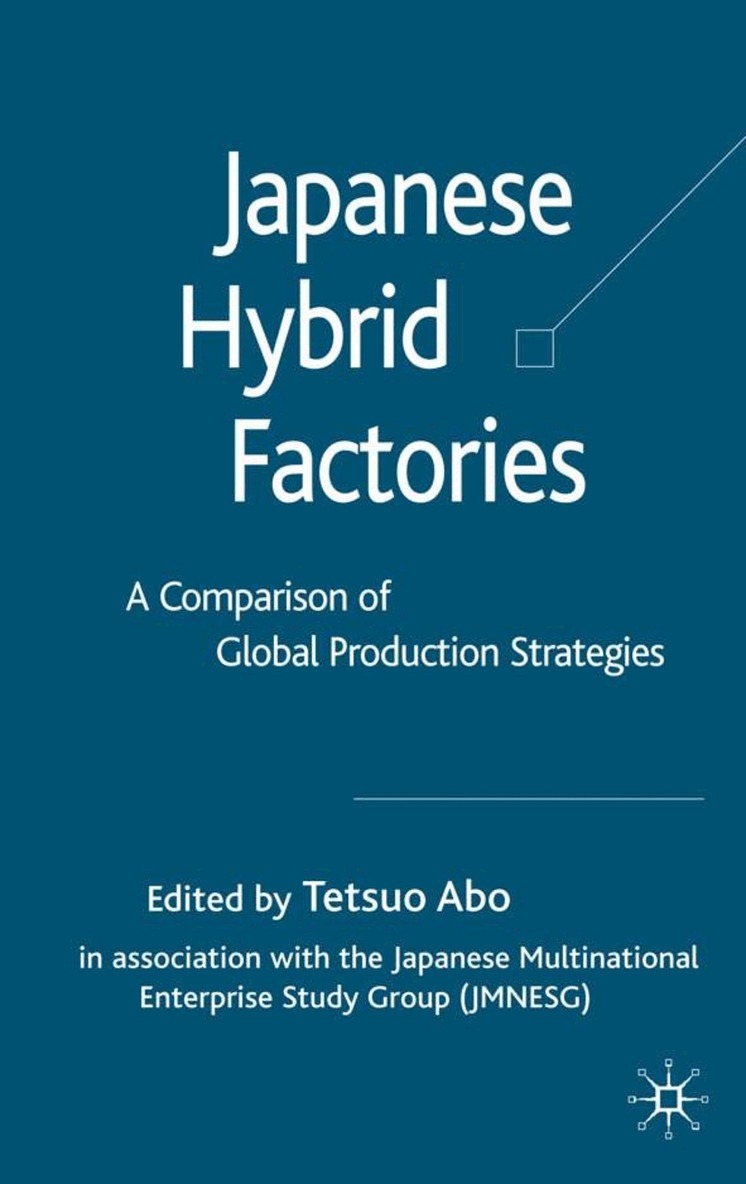
Japanese Hybrid Factories
A Comparison of Global Production Strategies
Av Tetsuo Abo, T. Abo
Inbunden, 2007
1128 kr
Lägg i varukorg
This book presents the findings of the Japanese Multinational Enterprise Study Group and offers the 'Application-adaptation' framework as a means of measuring the degree to which Japanese parent systems are transferred to the subsidiary. It proposes this as a model for assessing the transferability …