Tevi Troy - Böcker
Visar alla böcker från författaren Tevi Troy. Handla med fri frakt och snabb leverans.
7 produkter
7 produkter
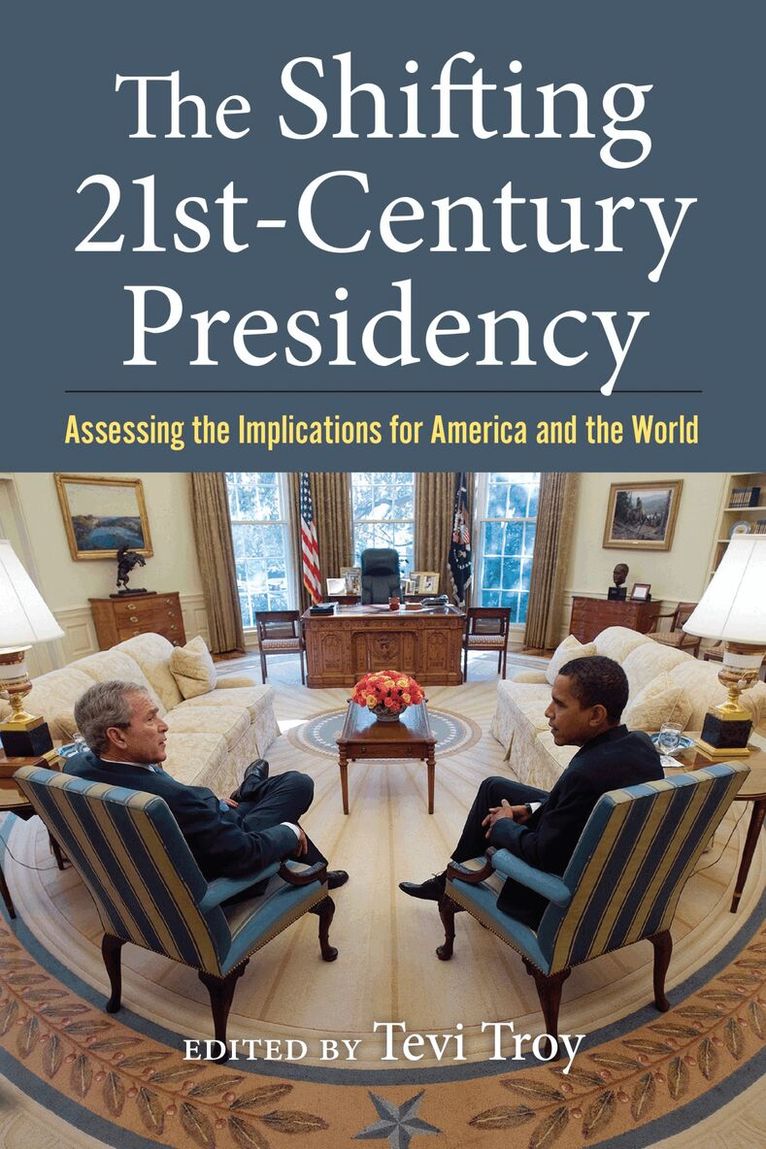
Shifting Twenty-First Century Presidency
Assessing the Implications for America and the World
Inbunden, Engelska, 2024
538 kr
Skickas inom 10-15 vardagar
The role and range of the American presidency has undergone significant changes in the twenty-first century, with George W. Bush, Barack Obama, Donald Trump, and now Joe Biden transforming the office in distinct ways. Many but not all of these changes stem from the numerous crises of this young century: 9/11 and the resulting war on terror, Hurricane Katrina, the Great Recession, the COVID-19 pandemic, and the social unrest of 2020.While crisis brings rapid change, there are other factors at work as well. Increased polarization has led presidents of both parties to press existing rules and norms to their limits in an attempt to accomplish more during their brief tenures. The result is a lot of policy and structural change in a short period, including new cabinet departments, new election rules, and significantly increased spending and debt, among other things. For the most part, these changes have occurred with little thought to what it all means for the functionality and stability of our democratic institutions and, consequently, our nation’s capacity to address the needs as well as the aspirations of the American people.The Bipartisan Policy Center’s Tevi Troy has brought together a group of presidential scholars and political experts to address these important issues and to reflect on how the presidency has changed and what it might mean for the future. Contributors include Elaine Kamarck (former aide to President Clinton), Jonathan Burks (former chief of staff to Speaker Paul Ryan), Kenneth Baer (former aide to presidents Clinton and Obama), and Kristen Soltis Anderson (Republican pollster and radio host).
Shifting Twenty-First Century Presidency
Assessing the Implications for America and the World
Häftad, Engelska, 2024
312 kr
Skickas inom 10-15 vardagar
The role and range of the American presidency has undergone significant changes in the twenty-first century, with George W. Bush, Barack Obama, Donald Trump, and now Joe Biden transforming the office in distinct ways. Many but not all of these changes stem from the numerous crises of this young century: 9/11 and the resulting war on terror, Hurricane Katrina, the Great Recession, the COVID-19 pandemic, and the social unrest of 2020.While crisis brings rapid change, there are other factors at work as well. Increased polarization has led presidents of both parties to press existing rules and norms to their limits in an attempt to accomplish more during their brief tenures. The result is a lot of policy and structural change in a short period, including new cabinet departments, new election rules, and significantly increased spending and debt, among other things. For the most part, these changes have occurred with little thought to what it all means for the functionality and stability of our democratic institutions and, consequently, our nation’s capacity to address the needs as well as the aspirations of the American people.The Bipartisan Policy Center’s Tevi Troy has brought together a group of presidential scholars and political experts to address these important issues and to reflect on how the presidency has changed and what it might mean for the future. Contributors include Elaine Kamarck (former aide to President Clinton), Jonathan Burks (former chief of staff to Speaker Paul Ryan), Kenneth Baer (former aide to presidents Clinton and Obama), and Kristen Soltis Anderson (Republican pollster and radio host).
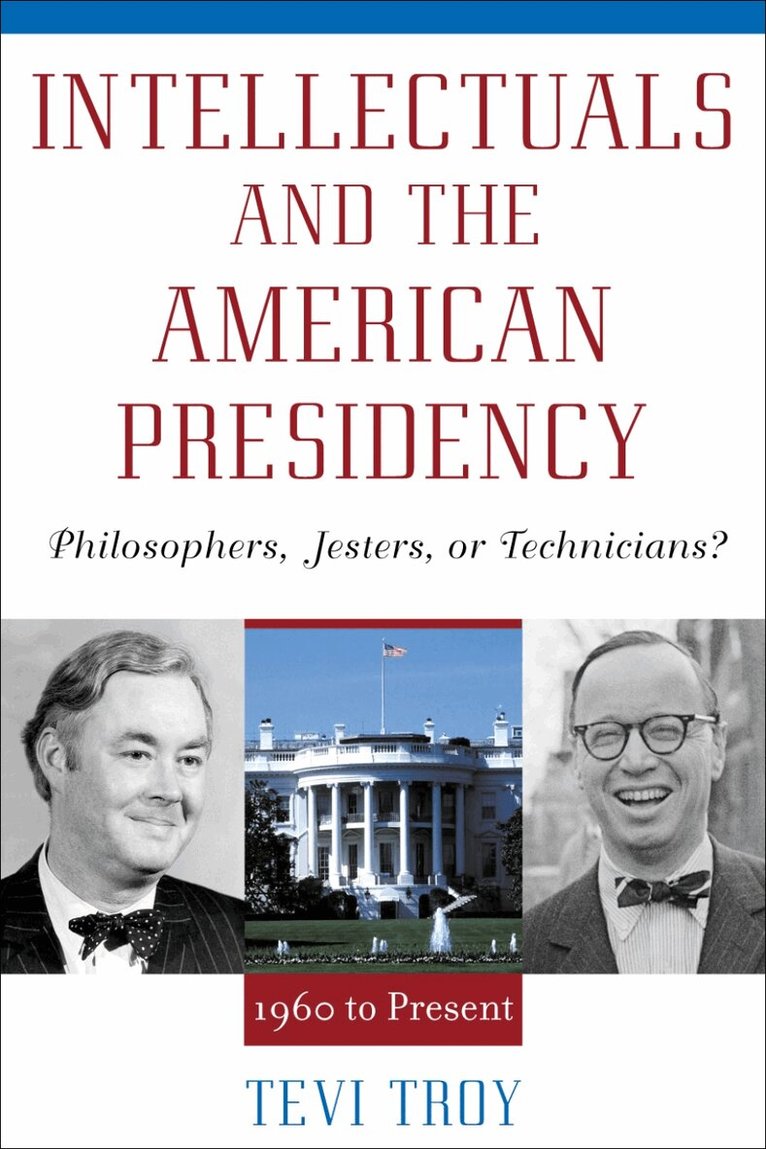
Intellectuals and The American Presidency
Philosophers, Jesters, or Technicians?
Häftad, Engelska, 2003
447 kr
Skickas inom 10-15 vardagar
Intellectuals and the American Presidency examines the complex relationships between Presidents and America's intellectuals since 1960. From Arthur Schlesinger's work in John Kennedy's campaign and administration to Daniel Patrick Moynihan's role as the Democrat in the Nixon White House, through Sidney Blumenthal's efforts to secure intellectual support for a scandal-plagued Bill Clinton, every president since 1960 has had to address the question of intellectual support. Using both popular sources and some never before used archived material, Intellectuals and the American Presidency looks at the advisers who served as liaisons to the academic community, the presidents' views of those intellectuals and how they fit in with the presidents' plans. In this bipartisan study, political insider Tevi Troy analyzes how American presidents have used intellectuals to shape their images and advance their agendas.
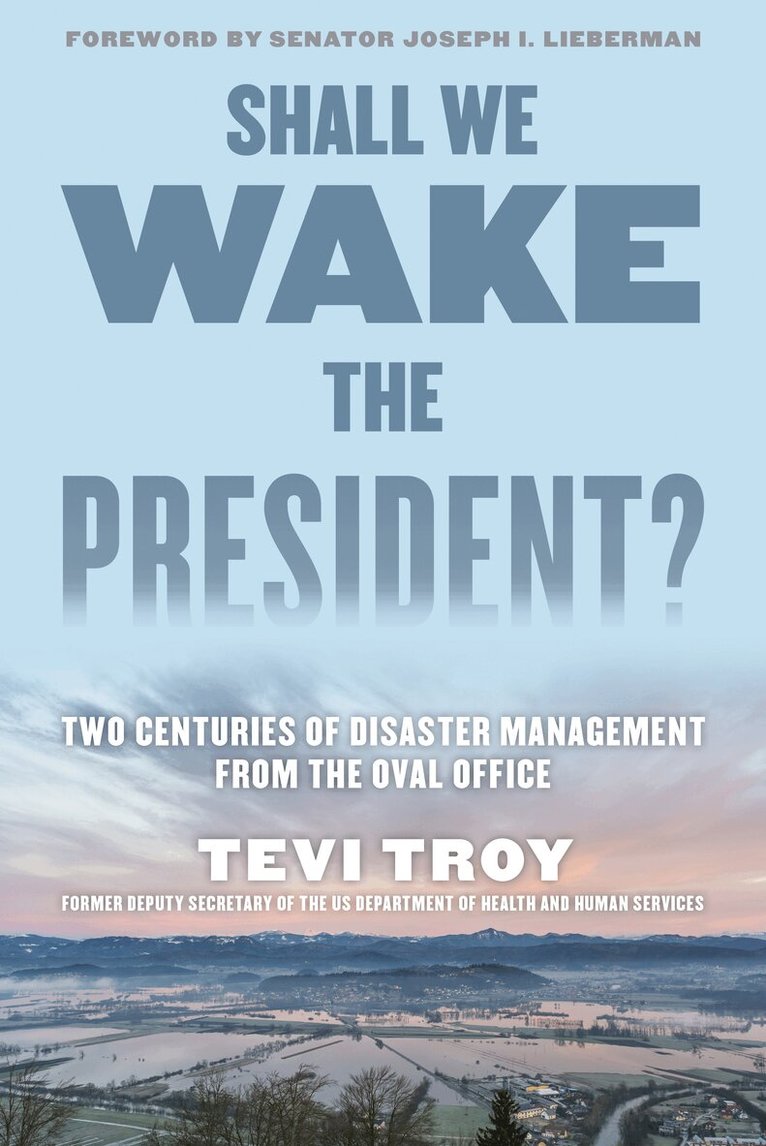
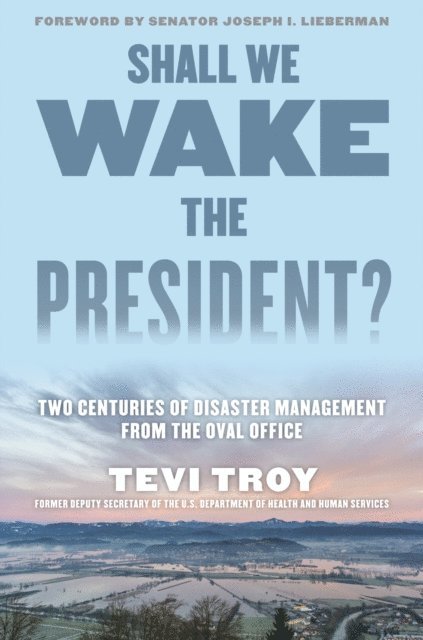
Shall We Wake the President?
Two Centuries of Disaster Management from the Oval Office
Inbunden, Engelska, 2016
290 kr
Tillfälligt slut
The history of presidential dealings with disasters shows that whatever their ideology, presidents need to be prepared to deal with unexpected crises. In recent years, the expectations have grown as the disasters seem to appear to be coming more frequently. Since 2001, numerous unpredictable crises, including terror attacks, massive storms, and an economic collapse, have shaken Americans to their core. It seems as if technology, for all of its beneficences, also provides mankind with increasingly powerful ways to wreak destruction, including nuclear explosions, bioterror attacks, and cyber-attacks. In addition, instantaneous and incessant communications technologies send us word of disasters taking place anywhere in the nation far more rapidly, giving disasters an immediacy that some may have lacked in the past. In 21st century America, the eyes of the American people look to the president to lead the response to whatever disasters happen to strike. President Obama and his team learned this and were taken aback by the sheer number of crises that a president needed to deal with, including swine flu, BP’s Macondo oil spill, and the Somali pirates who attacked an American ship. Many of these did not quite reach disaster status, but Obama’s reaction to the constant stream of crises was both revealing and unnerving: “Who thought we were going to have to deal with pirates?”In Shall We Wake the President?, Tevi Troy, a presidential historian and former senior White House aide and deputy secretary of the Department of Health & Human Services, looks at the evolving role of the president in dealing with disasters, and looks at how our presidents have handled disasters throughout our history. He also looks at the likelihood of similar disasters befalling modern America, and details how smart policies today can help us avoid future crises, or can best react to them should they occur. In addition, he provides information on what individuals can do to prepare for disasters. This book includes sections on how American presidents have dealt with a variety of disasters, including health crises, terror attacks, economic upheaval, bioterror and cyber-attacks, natural disasters, and civil breakdown. In doing so, Shall We Wake the President? will provide lessons from presidents of the past that will inform policy strategies for presidents of the future.
Shall We Wake the President?
Two Centuries of Disaster Management from the Oval Office
Häftad, Engelska, 2020
222 kr
Skickas inom 5-8 vardagar
The history of presidential dealings with disasters shows that whatever their ideology, presidents need to be prepared to deal with unexpected crises. In recent years, the expectations have grown as the disasters seem to appear to be coming more frequently. Since 2001, numerous unpredictable crises, including terror attacks, massive storms, and an economic collapse, have shaken Americans to their core. It seems as if technology, for all of its beneficences, also provides mankind with increasingly powerful ways to wreak destruction, including nuclear explosions, bioterror attacks, and cyber-attacks. In addition, instantaneous and incessant communications technologies send us word of disasters taking place anywhere in the nation far more rapidly, giving disasters an immediacy that some may have lacked in the past. In 21st century America, the eyes of the American people look to the president to lead the response to whatever disasters happen to strike. President Obama and his team learned this and were taken aback by the sheer number of crises that a president needed to deal with, including swine flu, BP’s Macondo oil spill, and the Somali pirates who attacked an American ship. Many of these did not quite reach disaster status, but Obama’s reaction to the constant stream of crises was both revealing and unnerving: “Who thought we were going to have to deal with pirates?”In Shall We Wake the President?, Tevi Troy, a presidential historian and former senior White House aide and deputy secretary of the Department of Health & Human Services, looks at the evolving role of the president in dealing with disasters, and looks at how our presidents have handled disasters throughout our history. He also looks at the likelihood of similar disasters befalling modern America, and details how smart policies today can help us avoid future crises, or can best react to them should they occur. In addition, he provides information on what individuals can do to prepare for disasters. This book includes sections on how American presidents have dealt with a variety of disasters, including health crises, terror attacks, economic upheaval, bioterror and cyber-attacks, natural disasters, and civil breakdown. In doing so, Shall We Wake the President? will provide lessons from presidents of the past that will inform policy strategies for presidents of the future.
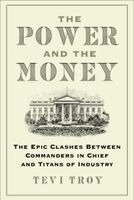
Power and the Money
The Epic Clashes Between Commanders in Chief and Titans of Industry
Häftad, Engelska, 2026
152 kr
Kommande
Best of the Year lists in the Economist, the Guardian, the Jerusalem Post, and the Wall Street JournalIn The Power and the Money, acclaimed presidential historian Tevi Troy takes readers on a riveting journey through the biggest battles between CEOs and the nation’s commander in chief. He unearths the untold stories – both political and personal – that have shaped America.Troy shows how the vast reach of the federal government became a critical fact of life for every business, entrepreneur, and innovator. Today, companies find themselves navigating a competitive landscape defined by stringent regulations, so top CEOs and key business leaders must influence the legislative and regulatory system. As public affairs teams and government relations experts put forward strategies to survive Washington, CEOs have become the most important warrior on the frontlines. The Power and the Money shows how some of the nation’s most important CEOs forged (and fumbled) relationships with the president.Troy also shows how the most powerful man in the world depends on CEOs. CEOs provide assistance in the form of personnel, policy insights, and campaign cash, but they also become essential foils for presidents, serving as both allies and convenient enemies.The Power and the Money reveals an intricate web of power, where CEOs need presidents, and presidents need CEOs. Troy shows how each must step carefully – or risk unpredictable costs and collateral damage. From heavyweights John D. Rockefeller and Mark Zuckerberg to Katherine Graham, Elon Musk, and more, Troy takes readers inside the friendships and the conflicts that shook the American economy and re-shaped America.Drawing on his experiences as bestselling historian and former senior White House aide, Troy offers unique insights and details that shed light on the growing, intertwining behemoths of government and big business – and what it means for the future of our nation.
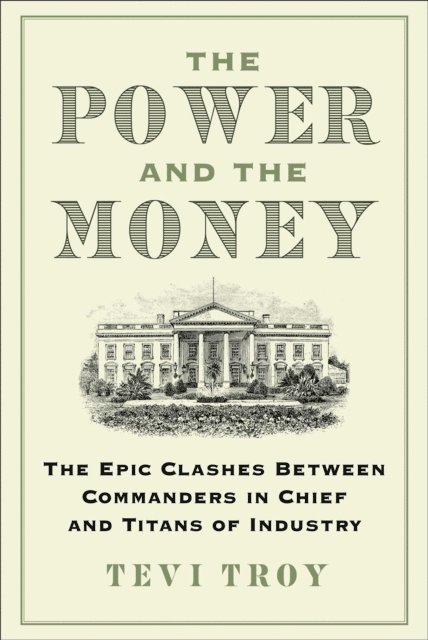
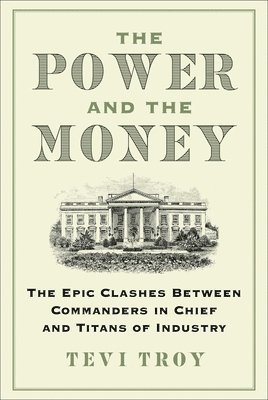
Power and the Money
The Epic Clashes Between Commanders in Chief and Titans of Industry
Inbunden, Engelska, 2024
266 kr
Skickas
When U.S. presidents clash with corporate titans, what tips the balance of power? In The Power and the Money, acclaimed presidential historian Tevi Troy takes readers on a riveting journey through the biggest battles between CEOs and the nation’s commander in chief. He unearths the untold stories – both political and personal – that have shaped America. Troy shows how the vast reach of the federal government become a critical fact of life for every business, entrepreneur, and innovator. Today, companies find themselves navigating a competitive landscape defined by stringent regulations, so top CEOs and key business leaders must influence the legislative and regulatory system. As public affairs teams and government relations experts put forward strategies to survive Washington, CEOs have become the most important warrior on the frontlines. The Power and the Money shows how some of the nation’s most important CEOs forged (and fumbled) relationships with the president. Troy also shows how the most powerful man in the world depends on CEOs. CEOs provide assistance in the form of personnel, policy insights, and campaign cash, but they also become essential foils for presidents, serving as both allies and convenient enemies. The Power and the Money reveals an intricate web of power, where CEOs need presidents, and presidents need CEOs. Troy shows how each must step carefully – or risk unpredictable costs and collateral damage. From heavyweights John D. Rockefeller and Mark Zuckerberg to Katherine Graham, Elon Musk, and more, Troy takes readers inside the friendships and the conflicts that shook the American economy and re-shaped America. Drawing on his experiences as bestselling historian and former senior White House aide, Troy offers unique insights and details that shed light on the growing, intertwining behemoths of government and big business – and what it means for the future of our nation.