Theano Moussouri - Böcker
Visar alla böcker från författaren Theano Moussouri. Handla med fri frakt och snabb leverans.
3 produkter
3 produkter
2 023 kr
Skickas inom 10-15 vardagar
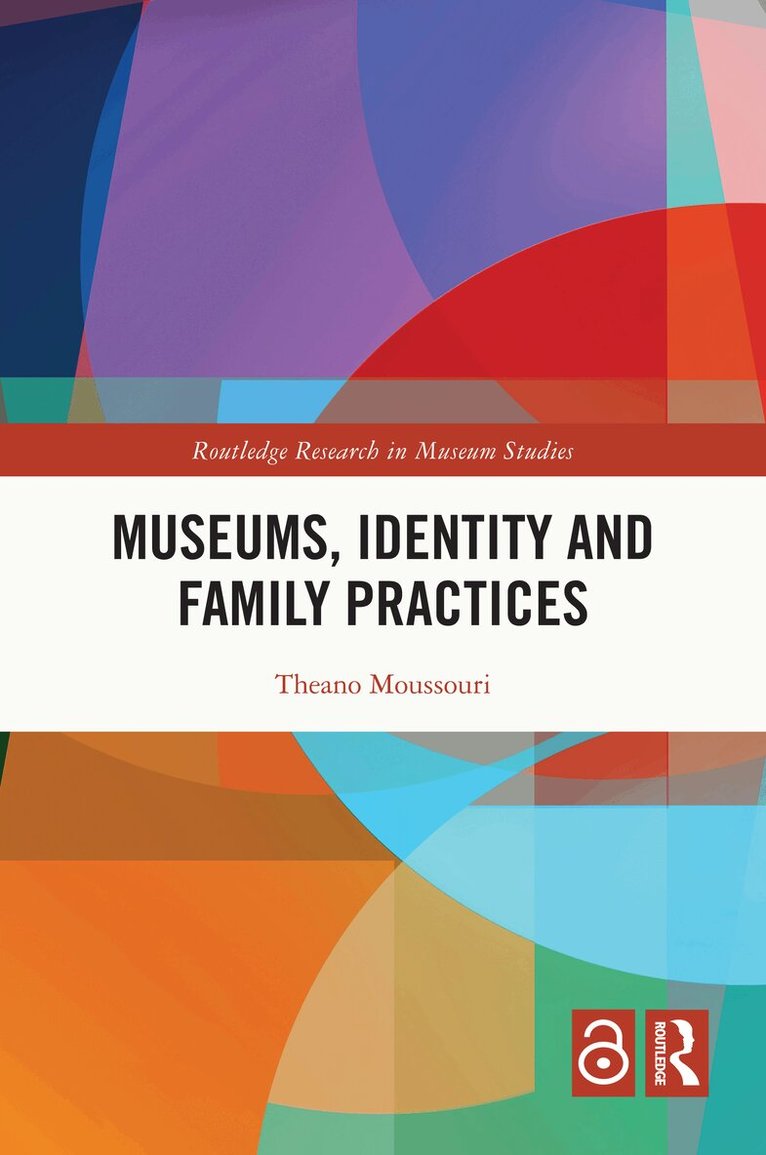
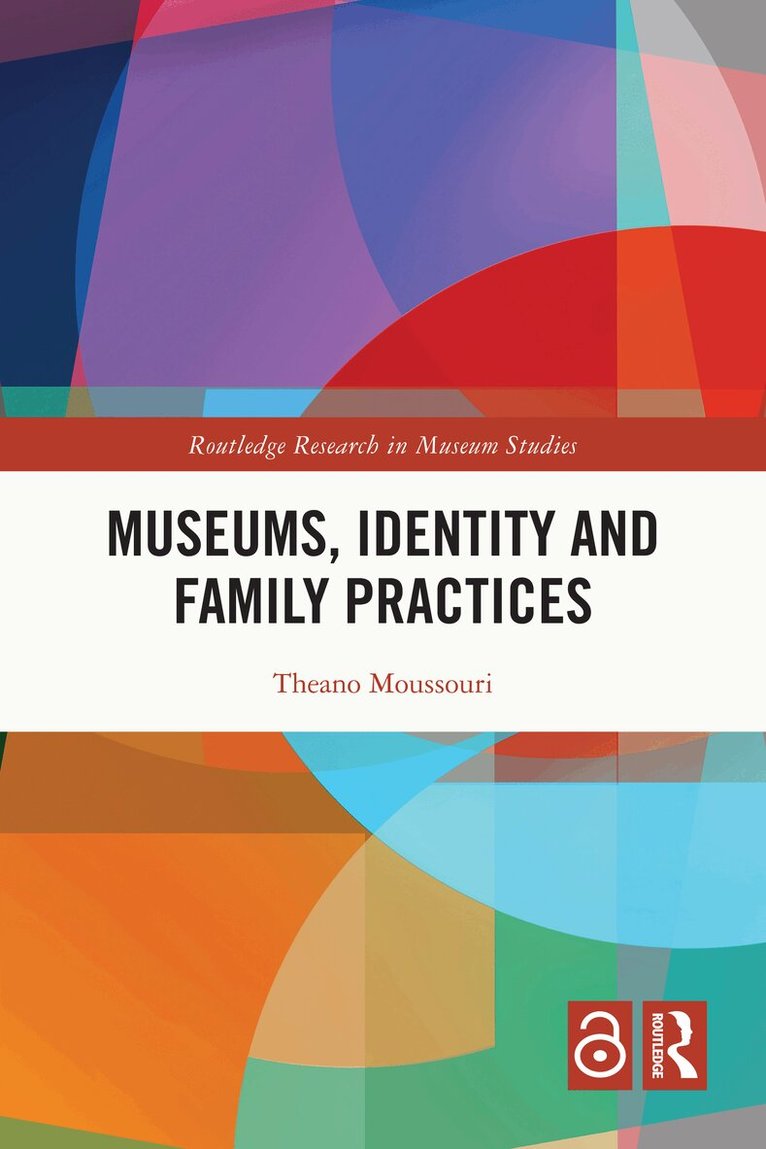
Museums, Identity and Family Practices locates museum participation and meaning making in the realm of everyday family practices, which are central to understanding the role museums play in family social life.Drawing on a substantial amount of data from a wide range of sources, Moussouri discusses the importance of understanding how family practices are enacted across settings and how the arena of the museum can facilitate certain family practices and impede others. Developing and theorising key concepts, the book elucidates the key research themes, including everyday family practice; meaning making; and the structural characteristics of museums as arenas for the family visit activity. The analysis is rooted in a dialectical theoretical framework specifically developed to bridge the macrolevel (social order or the arena of the museum) and microlevel (family practices).Museums, Identity and Family Practices offers a novel and holistic approach to studying contemporary families and, as such, is key reading for scholars and students of museum and heritage studies, family studies, visitor studies, cultural studies, education, sociology and anthropology. Museum and heritage professionals working with families in different communities around the world will also find this book relevant to their practice.The Open Access version of this book, available at http://www.taylorfrancis.com, has been made available under a Creative Commons Attribution-Non Commercial-No Derivatives (CC-BY-NC-ND) 4.0 license.
2 237 kr
Skickas inom 10-15 vardagar
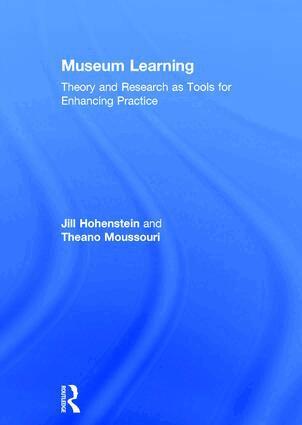
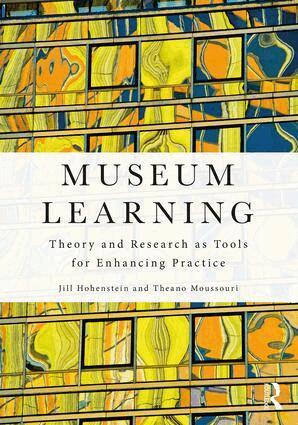
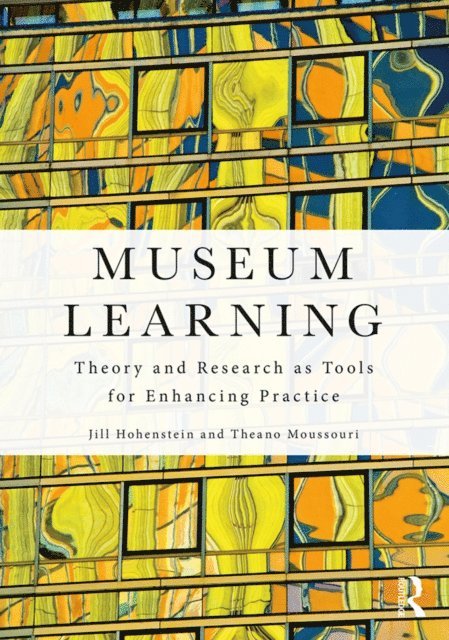
As museums are increasingly asked to demonstrate not only their cultural, but also their educational and social significance, the means to understand how museum visitors learn becomes ever more important. And yet, learning can be conceptualised and investigated in many ways. Coming to terms with how theories about learning interact with one another and how they relate to ‘evidence-based learning’ can be confusing at best.Museum Learning attempts to make sense of multiple learning theories whilst focusing on a set of core learning topics in museums. Importantly, learning is considered not just as a cognitive characteristic, as some perspectives propose, but also as affective, taking into consideration interests, attitudes, and emotions; and as a social practice situated in cultural contexts. This book draws attention to the development of theory and its practical applications in museum situations such as aquariums, zoos, botanical gardens and historical re-enactment sites, among others. This volume will be of interest to museum studies students, practitioners and researchers working in informal learning contexts, and will help them to reflect on what it means to learn in museums and create more effective environments for learning.
597 kr
Skickas inom 10-15 vardagar
As museums are increasingly asked to demonstrate not only their cultural, but also their educational and social significance, the means to understand how museum visitors learn becomes ever more important. And yet, learning can be conceptualised and investigated in many ways. Coming to terms with how theories about learning interact with one another and how they relate to ‘evidence-based learning’ can be confusing at best.Museum Learning attempts to make sense of multiple learning theories whilst focusing on a set of core learning topics in museums. Importantly, learning is considered not just as a cognitive characteristic, as some perspectives propose, but also as affective, taking into consideration interests, attitudes, and emotions; and as a social practice situated in cultural contexts. This book draws attention to the development of theory and its practical applications in museum situations such as aquariums, zoos, botanical gardens and historical re-enactment sites, among others. This volume will be of interest to museum studies students, practitioners and researchers working in informal learning contexts, and will help them to reflect on what it means to learn in museums and create more effective environments for learning.