Theo Papaioannou – författare
Visar alla böcker från författaren Theo Papaioannou. Handla med fri frakt och snabb leverans.
14 produkter
14 produkter
Häftad, Engelska, 2020
340 kr
Skickas inom 10-15 vardagar
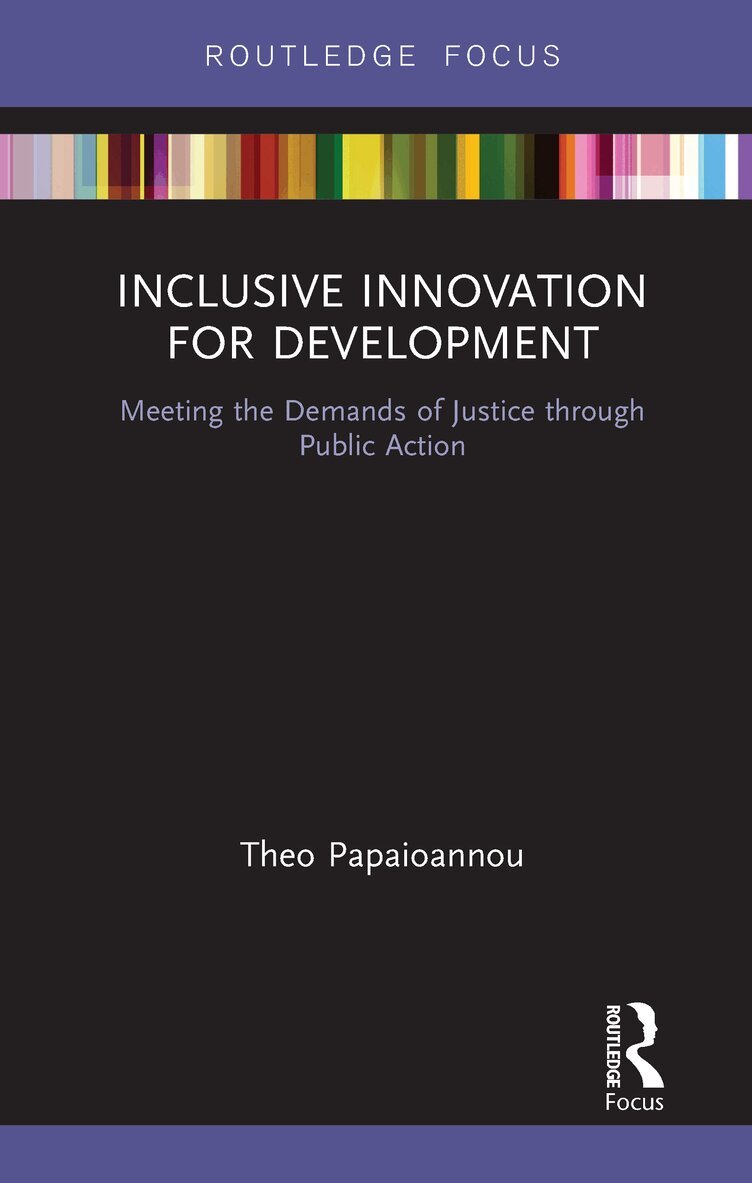
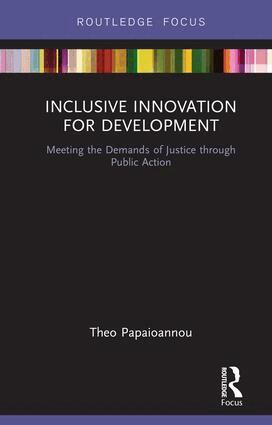
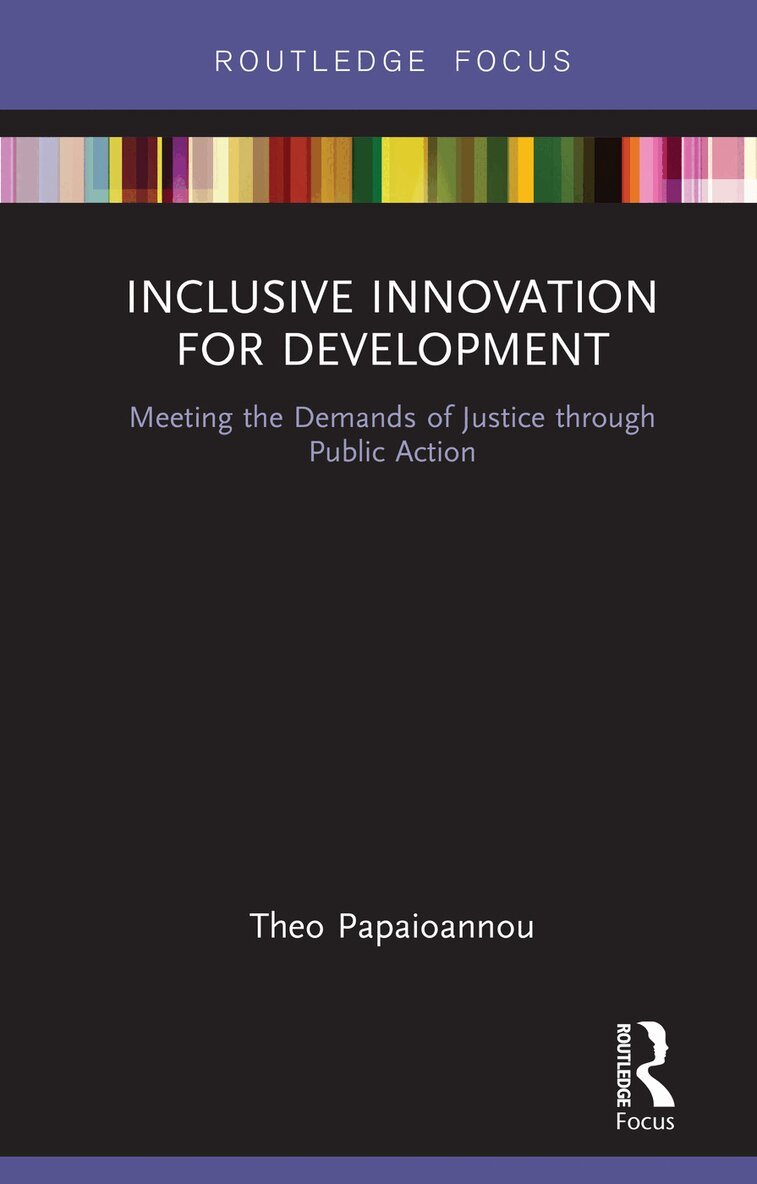
Innovation has the potential to address a number of development challenges such as combating poverty and delivering health services, but all too often technological progress has failed to consider the needs of the poor, and has actually served to increase inequalities, rather than sharing out the benefits of new technologies and economic growth. Inclusive Innovation for Development outlines a theory of justice in innovation, arguing that principles of equity, recognition and participation can guide the direction of contemporary innovation systems towards equalising social relations in the production of knowledge and innovation, and meeting the basic needs of the poor.The book first explores why inclusivity in innovation matters, and how the justice framework can be used to support inclusive innovation. The book then goes on to outline a ‘needs-based’ approach to innovation and development and explains how its principles can be generated through public action. Finally, it asks how we can effectively evaluate inclusive innovation. Drawing on cases from Africa, Latin America and South Asia, this book theorises innovation and justice in political terms, arguing that inclusive innovation is not just a practical necessity but a moral obligation. This book's novel approach to innovation for development will be useful for upper-level students and scholars of development studies, politics, and innovation studies, as well as to local, national and international policy-makers and practitioners dealing with international development and inclusive innovation policies and programmes.
Inbunden, Engelska, 2009
2 049 kr
Skickas inom 10-15 vardagar
Does the state still frame debates about new technology? Can policy-makers ensure the benefits of health developments through genomics while still satisfying the expectations of society and the economic imperatives? In this critique of the new governance agenda for research and innovation in life sciences, the authors discuss the world-wide policy decisions needed, with particular reference to genomics. They suggest the many facets of policy and could be treated as a government-governance continuum, where different aspects of genomics may sit at different points, and co-exist. Their findings offer valuable insights for the future and will help promote a global solution to this problem.
E-bok
PDF, Engelska, 2026357 kr
Läs direkt efter köp
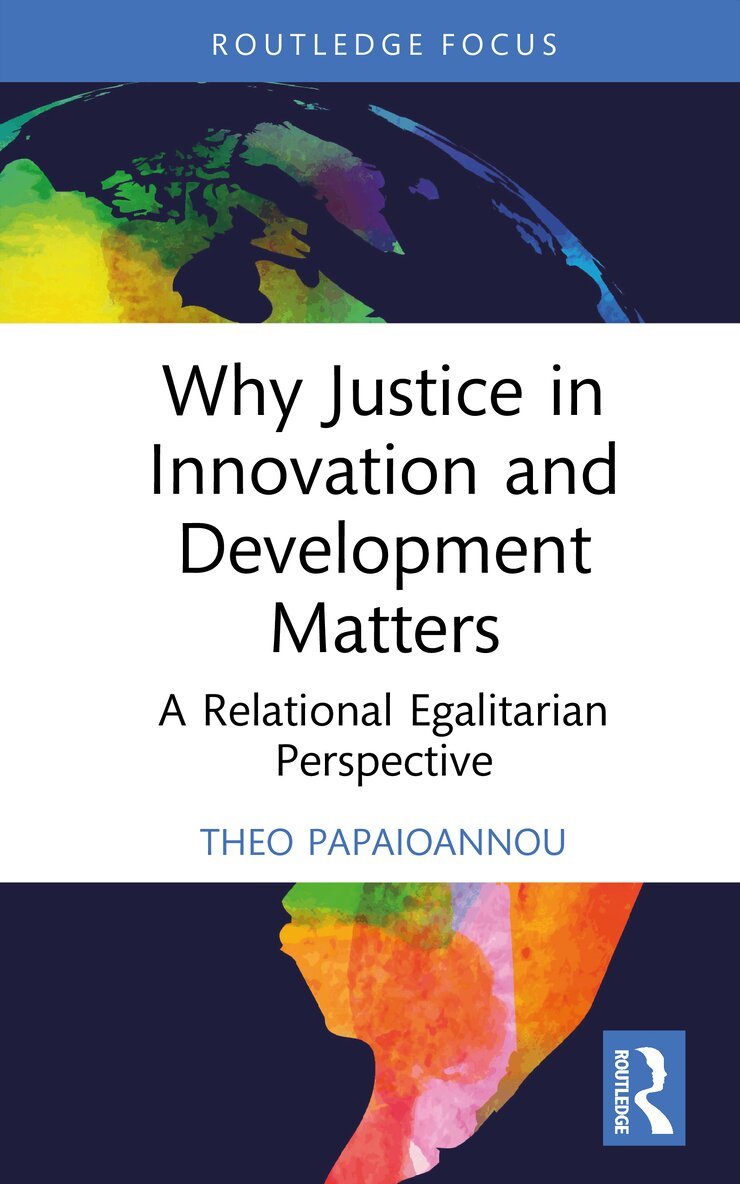
This book argues that justice needs to be imbedded in innovation and development, both so that the fruits of technologies are distributed fairly and to ensure that social relations in the process of generation and application of new knowledge are equalised.Drawing together updated and new writings, in this book Theo Papaioannou puts forward a relational egalitarian theory on justice in innovation and development. Papaioannou argues that it is important to ensure not only that the benefits of new technological products and services are shared equally across society but even more importantly that some level of equal social relations is required for the effective generation and application of new knowledge. By mitigating or eliminating relations of domination and oppression within innovation and ensuring equal relations between innovators, regulators, and publics, we can create an innovative and developmental society of equals.The original relational perspective outlined in this book will be important for researchers across the fields of innovation studies, development studies, politics, and philosophy.
E-bok
Engelska, 2026357 kr
Läs direkt efter köp
This book argues that justice needs to be imbedded in innovation and development, both so that the fruits of technologies are distributed fairly and to ensure that social relations in the process of generation and application of new knowledge are equalised.Drawing together updated and new writings, in this book Theo Papaioannou puts forward a relational egalitarian theory on justice in innovation and development. Papaioannou argues that it is important to ensure not only that the benefits of new technological products and services are shared equally across society but even more importantly that some level of equal social relations is required for the effective generation and application of new knowledge. By mitigating or eliminating relations of domination and oppression within innovation and ensuring equal relations between innovators, regulators, and publics, we can create an innovative and developmental society of equals.The original relational perspective outlined in this book will be important for researchers across the fields of innovation studies, development studies, politics, and philosophy.
Inbunden, Engelska, 2026
742 kr
Skickas inom 10-15 vardagar
This book argues that justice needs to be imbedded in innovation and development, both so that the fruits of technologies are distributed fairly and to ensure that social relations in the process of generation and application of new knowledge are equalised.Drawing together updated and new writings, in this book Theo Papaioannou puts forward a relational egalitarian theory on justice in innovation and development. Papaioannou argues that it is important to ensure not only that the benefits of new technological products and services are shared equally across society but even more importantly that some level of equal social relations is required for the effective generation and application of new knowledge. By mitigating or eliminating relations of domination and oppression within innovation and ensuring equal relations between innovators, regulators, and publics, we can create an innovative and developmental society of equals.The original relational perspective outlined in this book will be important for researchers across the fields of innovation studies, development studies, politics, and philosophy.
Häftad, Engelska, 2016
742 kr
Skickas inom 10-15 vardagar
Does the state still frame debates about new technology? Can policy-makers ensure the benefits of health developments through genomics while still satisfying the expectations of society and the economic imperatives? In this critique of the new governance agenda for research and innovation in life sciences, the authors discuss the world-wide policy decisions needed, with particular reference to genomics. They suggest the many facets of policy and could be treated as a government-governance continuum, where different aspects of genomics may sit at different points, and co-exist. Their findings offer valuable insights for the future and will help promote a global solution to this problem.
Inbunden, Engelska, 2018
839 kr
Skickas inom 10-15 vardagar
Innovation has the potential to address a number of development challenges such as combating poverty and delivering health services, but all too often technological progress has failed to consider the needs of the poor, and has actually served to increase inequalities, rather than sharing out the benefits of new technologies and economic growth. Inclusive Innovation for Development outlines a theory of justice in innovation, arguing that principles of equity, recognition and participation can guide the direction of contemporary innovation systems towards equalising social relations in the production of knowledge and innovation, and meeting the basic needs of the poor.The book first explores why inclusivity in innovation matters, and how the justice framework can be used to support inclusive innovation. The book then goes on to outline a ‘needs-based’ approach to innovation and development and explains how its principles can be generated through public action. Finally, it asks how we can effectively evaluate inclusive innovation. Drawing on cases from Africa, Latin America and South Asia, this book theorises innovation and justice in political terms, arguing that inclusive innovation is not just a practical necessity but a moral obligation. This book's novel approach to innovation for development will be useful for upper-level students and scholars of development studies, politics, and innovation studies, as well as to local, national and international policy-makers and practitioners dealing with international development and inclusive innovation policies and programmes.
E-bok
Engelska, 2016860 kr
Läs direkt efter köp
Does the state still frame debates about new technology? Can policy-makers ensure the benefits of health developments through genomics while still satisfying the expectations of society and the economic imperatives? In this critique of the new governance agenda for research and innovation in life sciences, the authors discuss the world-wide policy decisions needed, with particular reference to genomics. They suggest the many facets of policy and could be treated as a government-governance continuum, where different aspects of genomics may sit at different points, and co-exist. Their findings offer valuable insights for the future and will help promote a global solution to this problem.
E-bok
PDF, Engelska, 2016860 kr
Läs direkt efter köp
Does the state still frame debates about new technology? Can policy-makers ensure the benefits of health developments through genomics while still satisfying the expectations of society and the economic imperatives? In this critique of the new governance agenda for research and innovation in life sciences, the authors discuss the world-wide policy decisions needed, with particular reference to genomics. They suggest the many facets of policy and could be treated as a government-governance continuum, where different aspects of genomics may sit at different points, and co-exist. Their findings offer valuable insights for the future and will help promote a global solution to this problem.
E-bok
Engelska, 2018390 kr
Läs direkt efter köp
Innovation has the potential to address a number of development challenges such as combating poverty and delivering health services, but all too often technological progress has failed to consider the needs of the poor, and has actually served to increase inequalities, rather than sharing out the benefits of new technologies and economic growth. Inclusive Innovation for Development outlines a theory of justice in innovation, arguing that principles of equity, recognition and participation can guide the direction of contemporary innovation systems towards equalising social relations in the production of knowledge and innovation, and meeting the basic needs of the poor.The book first explores why inclusivity in innovation matters, and how the justice framework can be used to support inclusive innovation. The book then goes on to outline a ‘needs-based’ approach to innovation and development and explains how its principles can be generated through public action. Finally, it asks how we can effectively evaluate inclusive innovation. Drawing on cases from Africa, Latin America and South Asia, this book theorises innovation and justice in political terms, arguing that inclusive innovation is not just a practical necessity but a moral obligation. This book's novel approach to innovation for development will be useful for upper-level students and scholars of development studies, politics, and innovation studies, as well as to local, national and international policy-makers and practitioners dealing with international development and inclusive innovation policies and programmes.
E-bok
PDF, Engelska, 2018393 kr
Läs direkt efter köp
Innovation has the potential to address a number of development challenges such as combating poverty and delivering health services, but all too often technological progress has failed to consider the needs of the poor, and has actually served to increase inequalities, rather than sharing out the benefits of new technologies and economic growth. Inclusive Innovation for Development outlines a theory of justice in innovation, arguing that principles of equity, recognition and participation can guide the direction of contemporary innovation systems towards equalising social relations in the production of knowledge and innovation, and meeting the basic needs of the poor.The book first explores why inclusivity in innovation matters, and how the justice framework can be used to support inclusive innovation. The book then goes on to outline a ‘needs-based’ approach to innovation and development and explains how its principles can be generated through public action. Finally, it asks how we can effectively evaluate inclusive innovation. Drawing on cases from Africa, Latin America and South Asia, this book theorises innovation and justice in political terms, arguing that inclusive innovation is not just a practical necessity but a moral obligation. This book's novel approach to innovation for development will be useful for upper-level students and scholars of development studies, politics, and innovation studies, as well as to local, national and international policy-makers and practitioners dealing with international development and inclusive innovation policies and programmes.
E-bok
Engelska, 20132 504 kr
Läs direkt efter köp
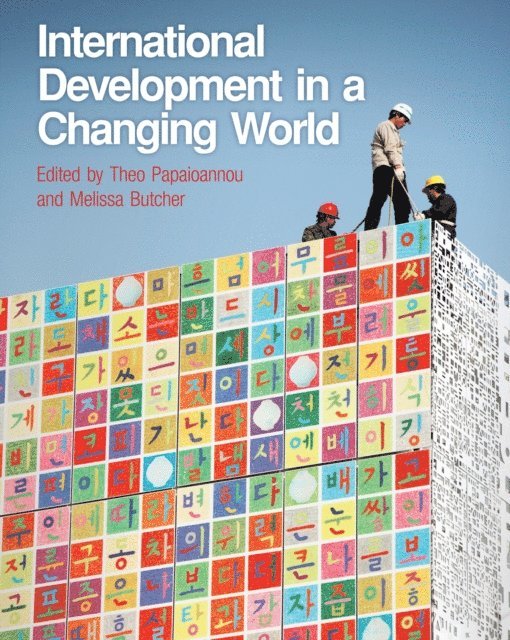
International Development in a Changing World introduces key issues, debates and ideas about development in the 21st century. Uniquely interweaving international relations and development studies, the authorial team examines the contested concepts of poverty, inequality and livelihood, and the emergence of ''new powers'' that will affect the architecture of international development. Themes of power and agency, history and scale integrate the many stories of development covered in the book, highlighting development as a complex process of change and interaction between people as well as between people and institutions, including governments and non-governmental organizations. Interdisciplinary in character, the book incorporates theories and tools from across the social sciences to provide a more holistic understanding of the social, economic and political transformations involved than most textbooks in the field can offer. Chapters are designed to inform policy and practice, moving from the theoretical to look closely, using a series of case studies, at the deliberate actions of people to improve their livelihoods, communities and societies. International Development in a Changing World is the first of two books in The Open University''s International Development series. Whether used as a stand-alone text, or alongside its companion text: New Perspectives in International Development, this is an ideal introduction to the field for students of International Development, International Relations, Global Politics and Global Social Policy.
Inbunden, Engelska, 2012
1 892 kr
Skickas inom 5-8 vardagar
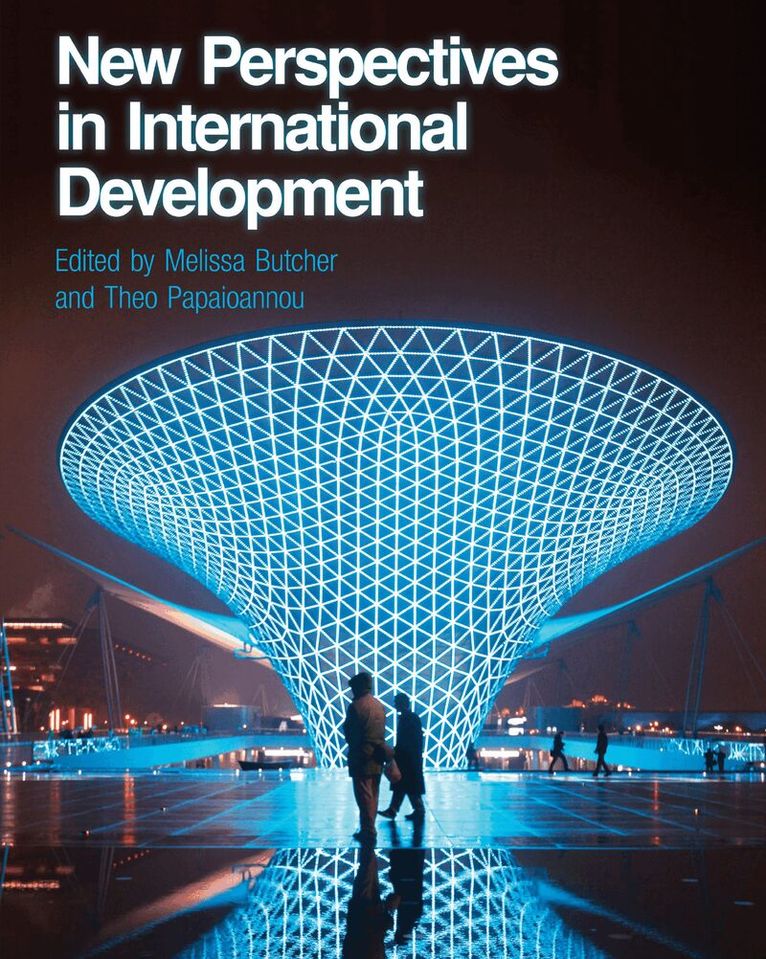
New Perspectives in International Development focuses on the latest thinking in the field, moving the debate into areas such as the connection between security, conflict, and development, managing energy crises, the impact of environmental and climate change, and the role that technology can play in alleviating these challenges. The book explores the theme of development as a process of change; as historical transformation in relation to contested sites of power; it considers how human agency can affect change and the different scales, from the local to the transnational, at which change can occur. The interaction between these threads highlights the complex processes involved in international development that cannot be understood in isolation. Writers bring their own theoretical and empirical tools from social sciences including geography, politics, economics and environmental science. Chapters move from the theoretical to include case studies, placing theory in the context of the deliberate actions of people to improve their lives. The book concludes by suggesting possible ways forward to link development theories, models and practices.New Perspectives in International Development is the second of two books in The Open University's International Development series.
E-bok
Engelska, 20132 044 kr
Läs direkt efter köp
New Perspectives in International Development focuses on the latest thinking in the field, moving the debate into areas such as the connection between security, conflict, and development, managing energy crises, the impact of environmental and climate change, and the role that technology can play in alleviating these challenges. The book explores the theme of development as a process of change; as historical transformation in relation to contested sites of power; it considers how human agency can affect change and the different scales, from the local to the transnational, at which change can occur. The interaction between these threads highlights the complex processes involved in international development that cannot be understood in isolation. Writers bring their own theoretical and empirical tools from social sciences including geography, politics, economics and environmental science. Chapters move from the theoretical to include case studies, placing theory in the context of the deliberate actions of people to improve their lives. The book concludes by suggesting possible ways forward to link development theories, models and practices.New Perspectives in International Development is the second of two books in The Open University''s International Development series.