Theo Schilderman – författare
Visar alla böcker från författaren Theo Schilderman. Handla med fri frakt och snabb leverans.
6 produkter
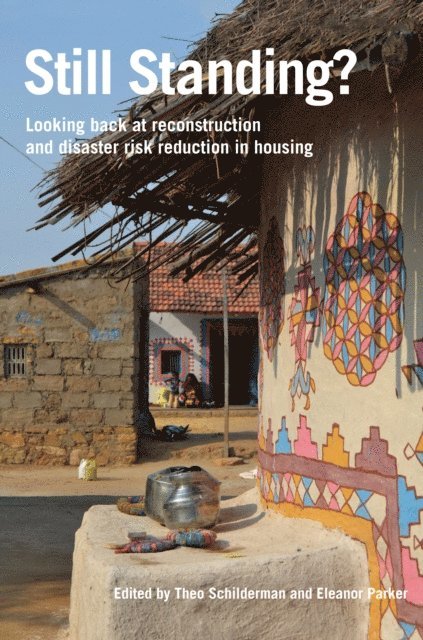
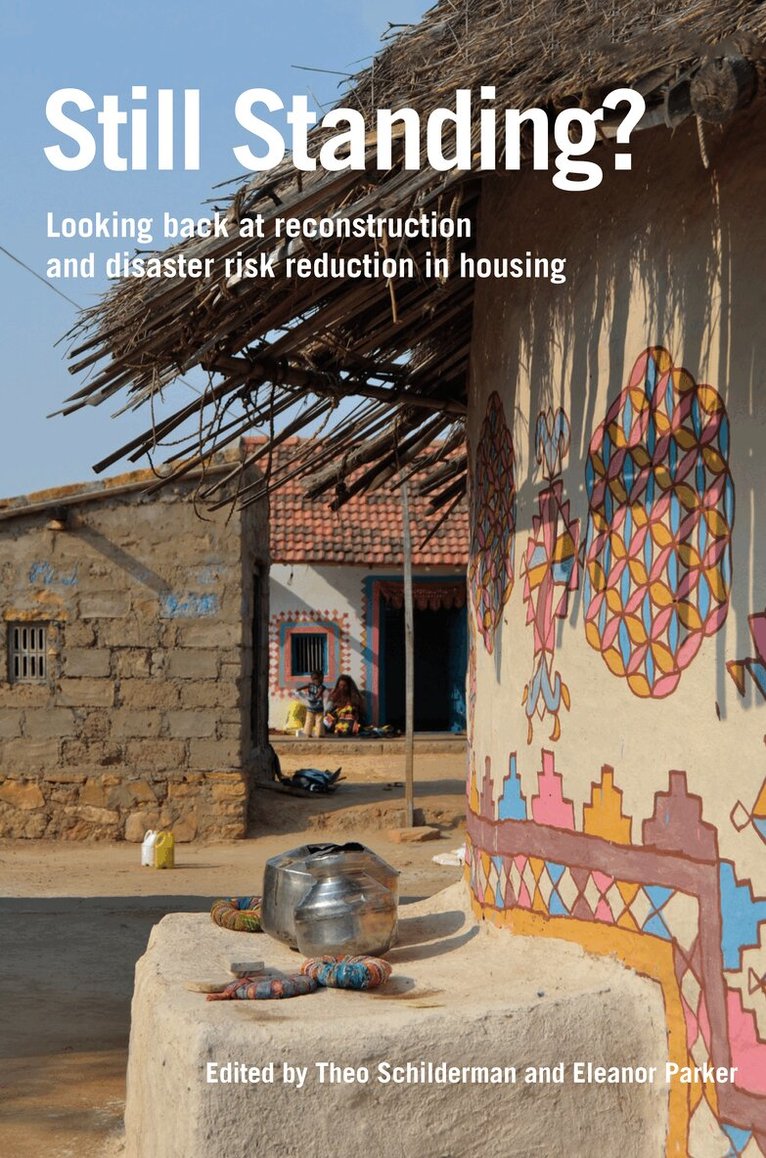
Still Standing?
E-bok, 2014
128 kr
Lägg i varukorg
Huge levels of aid are spent on reconstructing housing after disasters. Have these houses withstood the test of time and hazard? Just as important from the point of view of their owners, has the reconstruction process played a part in restoring their livelihoods and social networks? Unfortunately, …
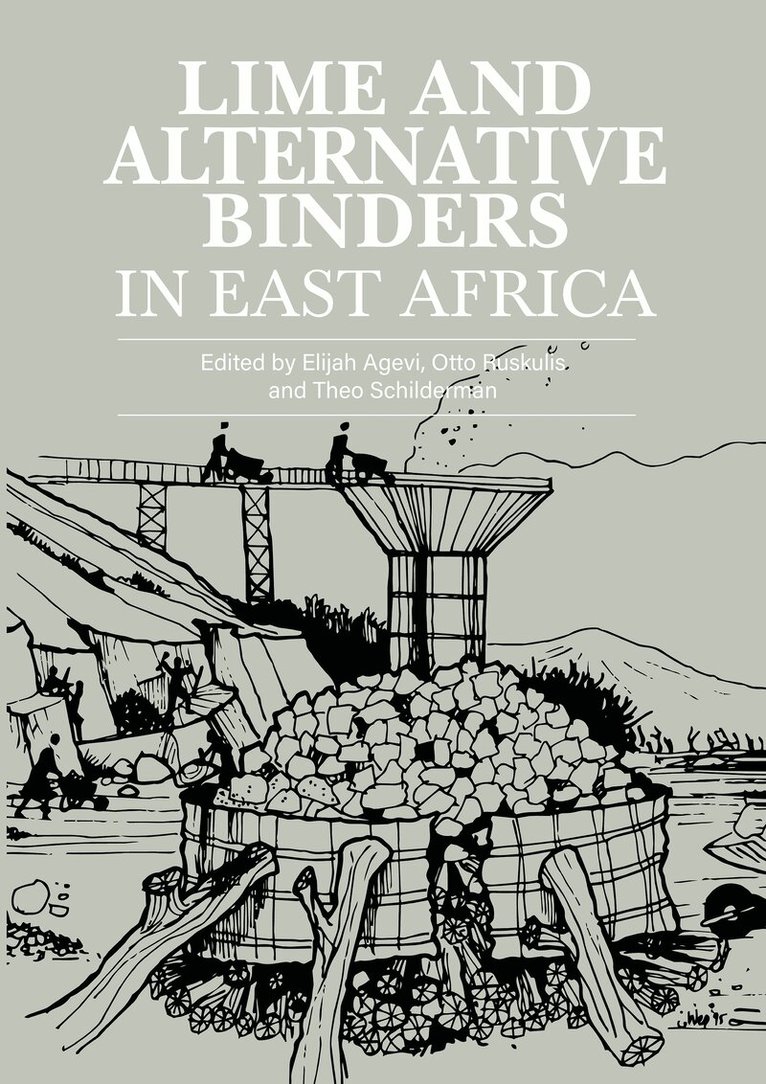
Lime and Alternative Binders In East Africa
Av Elijah Agevi, Otto Ruskulis m. fl.
Häftad, 1995
509 kr
Lägg i varukorg
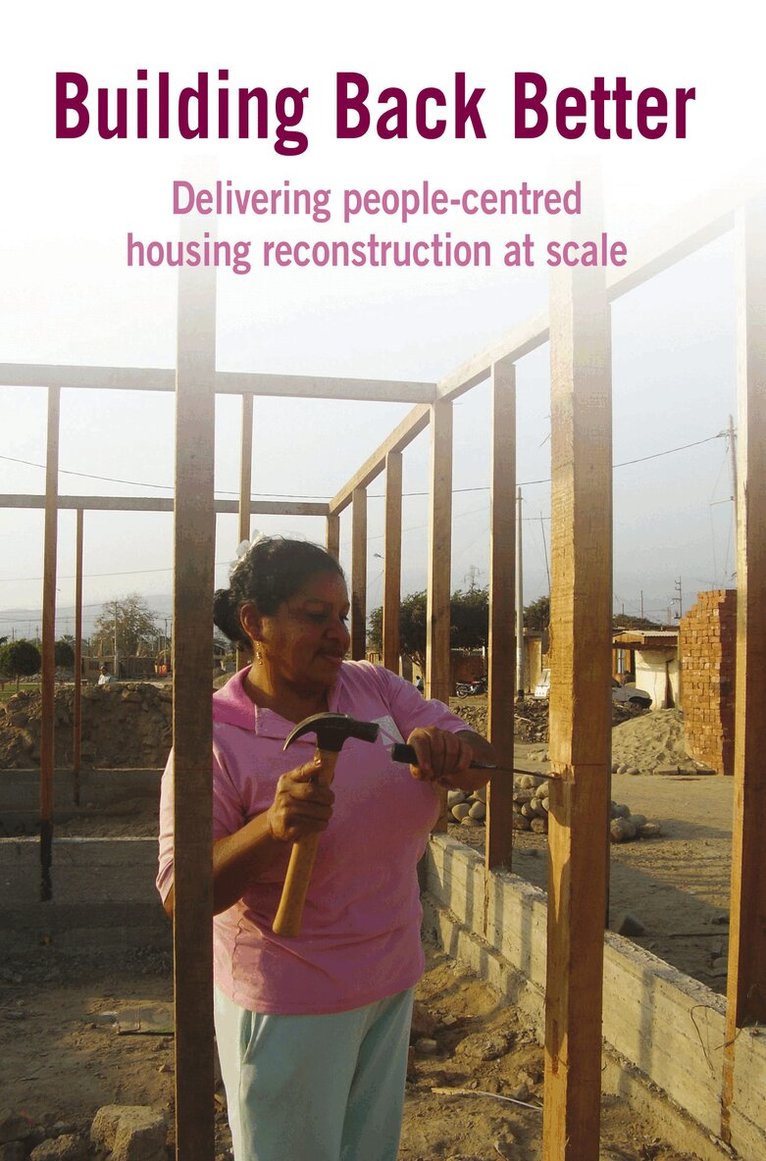
Building Back Better
Delivering people-centred housing reconstruction at scale
Av Michal Lyons, Theo Schilderman
Häftad, 2010
381 kr
Lägg i varukorg
The devastating impact of disasters on the world’s population is on the increase, influenced by climate change, urbanization, and persistent high levels of poverty, among other factors. There is a growing demand for reconstruction at scale. This book asks whether large-scale reconstruction can be …
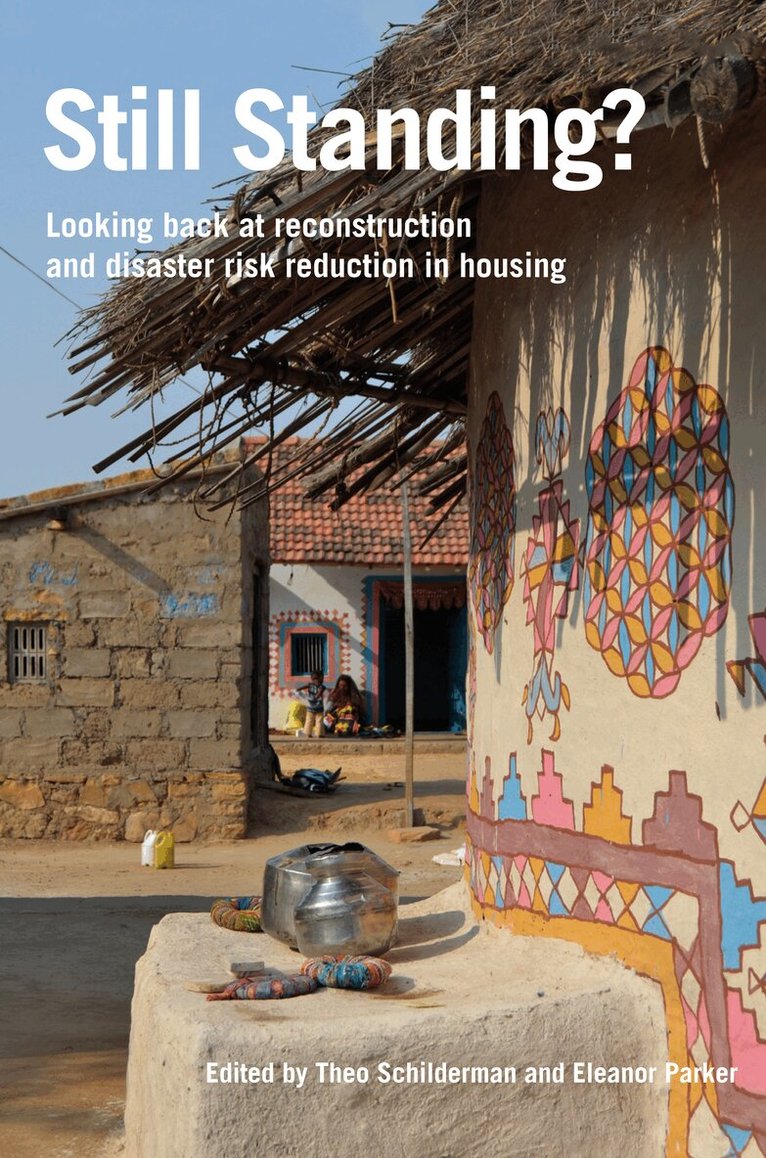
Still Standing?
Looking back at reconstruction and disaster risk reduction in housing
Av Theo Schilderman, Eleanor Parker
Inbunden, 2014
566 kr
Lägg i varukorg
This book describes the stories of the project beneficiaries and how their houses have changed, within contexts that have kept changing too. Still Standing? is essential reading for architects and engineers involved in humanitarian fieldwork as well as students and researchers concerned with …
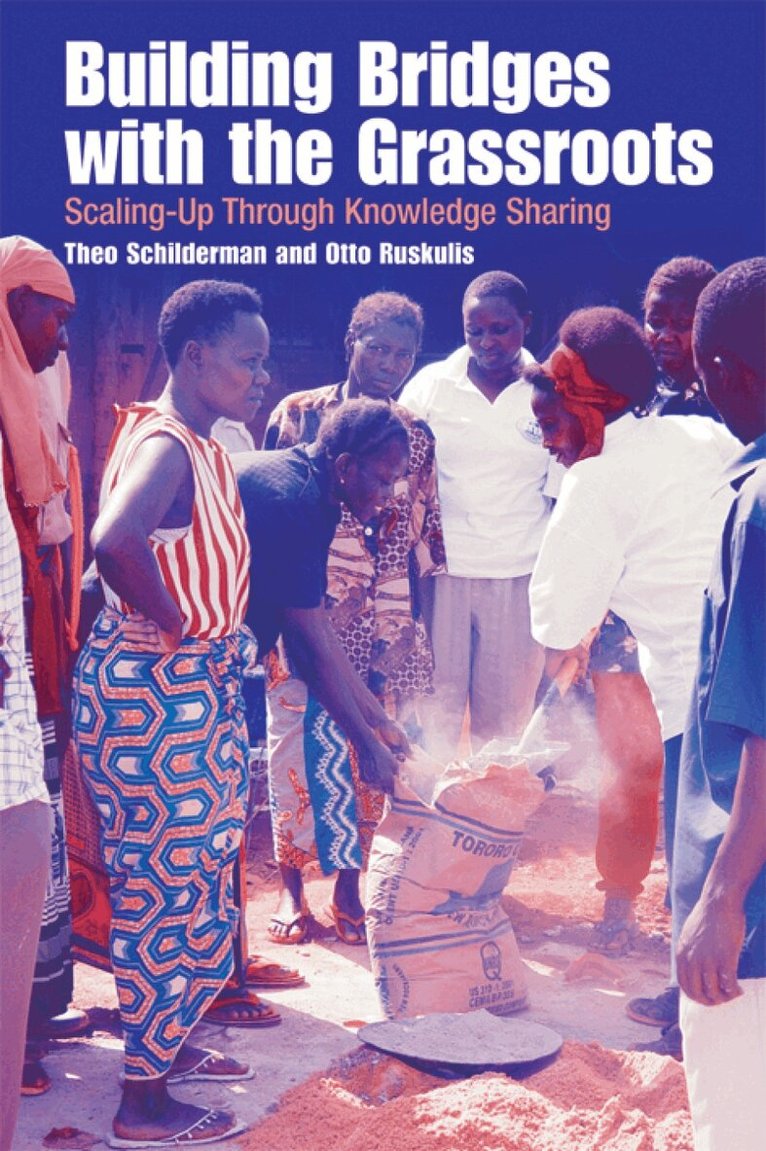
Building Bridges with the Grassroots
Scaling Up Through Knowledge Sharing
Av Otto Ruskulis, Theo Schilderman
Häftad, 2005
249 kr
Tillfälligt slut
Still Standing?
Looking back at reconstruction and disaster risk reduction in housing
Av Theo Schilderman, Eleanor Parker
Häftad, 2014
301 kr
Tillfälligt slut