Theodore Draper – författare
796 kr
Skickas inom 10-15 vardagar
104 kr
Läs direkt efter köp
805 kr
Skickas inom 10-15 vardagar
740 kr
Skickas inom 10-15 vardagar
357 kr
Skickas inom 5-8 vardagar
186 kr
Skickas inom 5-8 vardagar
1 415 kr
Skickas inom 10-15 vardagar
2 503 kr
Skickas inom 10-15 vardagar
2 656 kr
Skickas inom 10-15 vardagar
2 503 kr
Skickas inom 10-15 vardagar
2 431 kr
Skickas inom 10-15 vardagar
337 kr
Skickas inom 3-6 vardagar
952 kr
Läs direkt efter köp
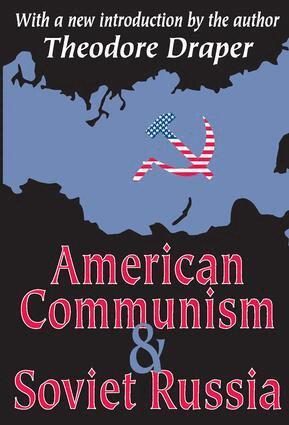
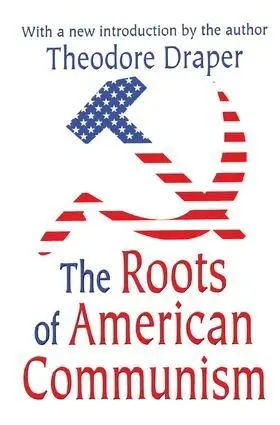
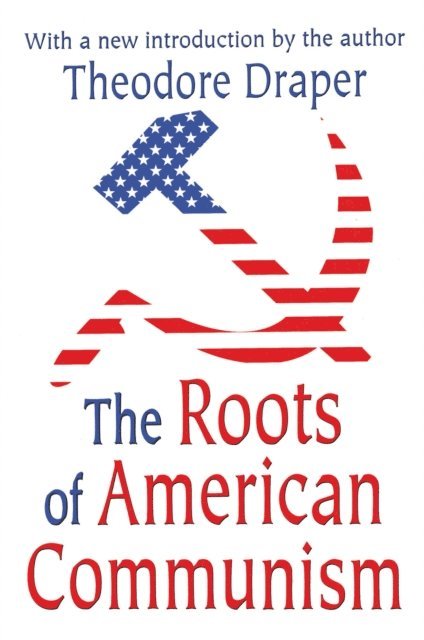
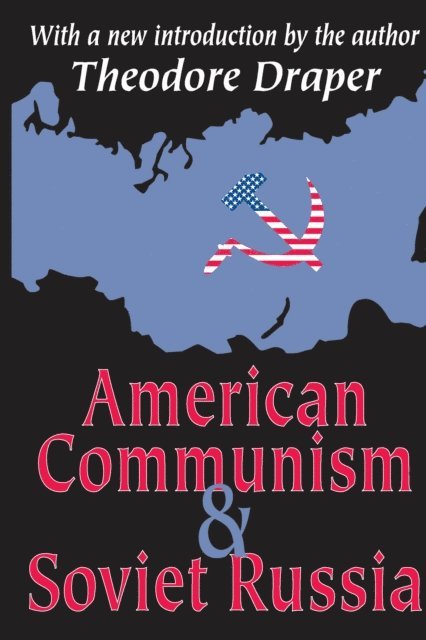
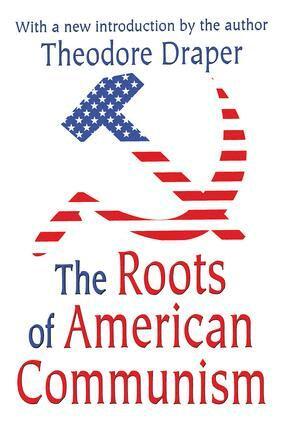
In this definitive history of the evolution of the Com- munist Party in America--from its early background through its founding in 1919 to its emergence as a legal entity in the 1920s--Theodore Draper traces the native and foreign strains that comprised the party. He emphasizes its shifting policies and secrets as well as its open activities. He makes clear how the party in its infancy "was transformed from a new expression of American radicalism to the American appendage of a Russian revolutionary power," a fact that Draper develops in his succeeding volume, American Communism and Soviet Russia.
In his special, prescient way, Theodore Draper himself had the final words on American Communism: "It is like a museum of radical politics. In its various stages, it has virtually been all things to all men... There are many ways of trying to understand such a movement, but the first task is historical. In some respects, there is no other way to understand it, or at least to avoid seriously misunderstanding it. Every other approach tends to be static, one-sided or unbalanced."
Draper correctly notes that the formative period of the American Communist movement has remained a largely untold and even unknown story. In part, the reasons for this are that the Communist movement, although a child of the West, grew to power in the Soviet East. But Draper rescues this chapter with deep appreciation for the fact that communism was not something that happened just in Russia, but also in the United States. This is a must read for scholars and laypersons alike.
This volume is conceived as an independent and self-contained study of the American Communist movement. Draper correctly notes that the formative period is largely untold and even unknown. In part, the reasons for this are that the Communist movement, although a child of the West, grew to power in the Soviet East. Draper appreciates the fact that communism was not something that happened only in Russia, but also took place in the United States. That experience is the focus of this volume.
952 kr
Läs direkt efter köp
In this definitive history of the evolution of the Com- munist Party in America--from its early background through its founding in 1919 to its emergence as a legal entity in the 1920s--Theodore Draper traces the native and foreign strains that comprised the party. He emphasizes its shifting policies and secrets as well as its open activities. He makes clear how the party in its infancy "was transformed from a new expression of American radicalism to the American appendage of a Russian revolutionary power," a fact that Draper develops in his succeeding volume, American Communism and Soviet Russia.
In his special, prescient way, Theodore Draper himself had the final words on American Communism: "It is like a museum of radical politics. In its various stages, it has virtually been all things to all men... There are many ways of trying to understand such a movement, but the first task is historical. In some respects, there is no other way to understand it, or at least to avoid seriously misunderstanding it. Every other approach tends to be static, one-sided or unbalanced."
Draper correctly notes that the formative period of the American Communist movement has remained a largely untold and even unknown story. In part, the reasons for this are that the Communist movement, although a child of the West, grew to power in the Soviet East. But Draper rescues this chapter with deep appreciation for the fact that communism was not something that happened just in Russia, but also in the United States. This is a must read for scholars and laypersons alike.
This volume is conceived as an independent and self-contained study of the American Communist movement. Draper correctly notes that the formative period is largely untold and even unknown. In part, the reasons for this are that the Communist movement, although a child of the West, grew to power in the Soviet East. Draper appreciates the fact that communism was not something that happened only in Russia, but also took place in the United States. That experience is the focus of this volume.
918 kr
Läs direkt efter köp
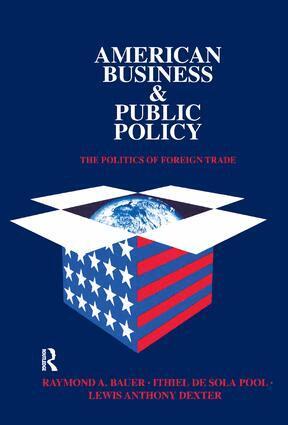
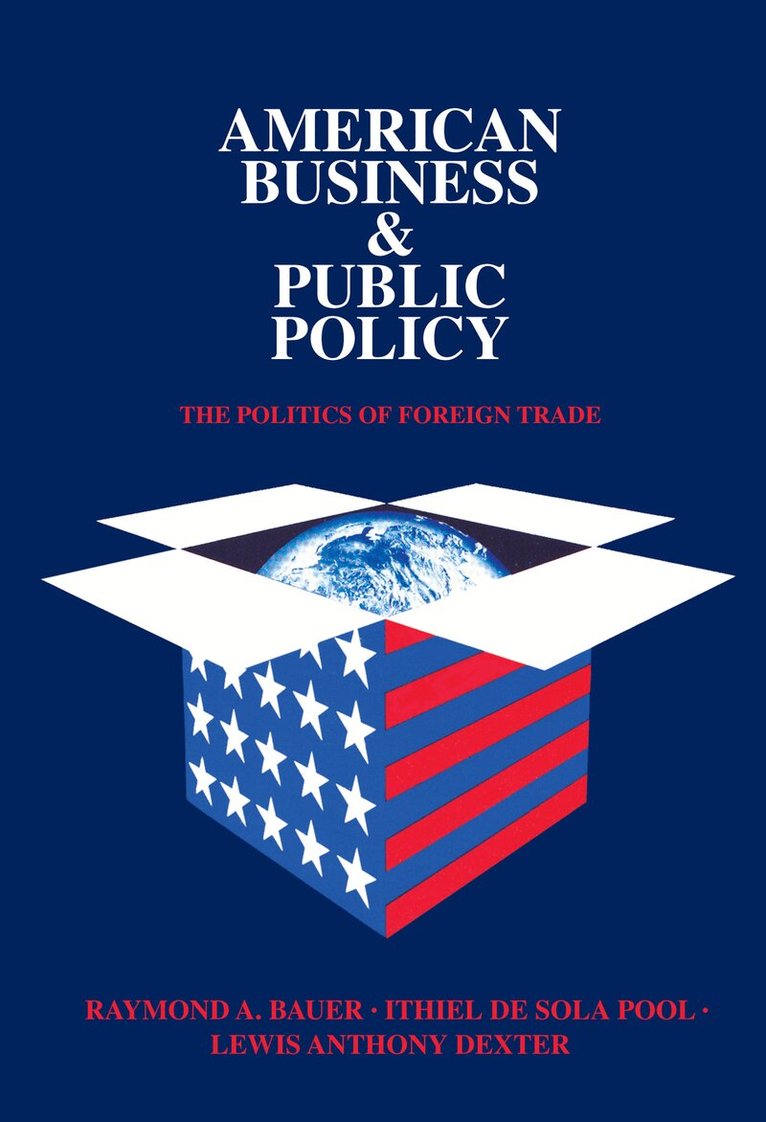
American Business and Public Policy is a study of the politics of foreign trade. It challenges fifty years of writ-ing on pressure politics. It includes nine hundred interviews with heads of corporations, including 166 of the 200 largest corporations; another 500 interviews with congressmen, lob-byists, journalists, and opinion leaders; and eight community studies making this book the most intensive survey in print of the politics of business. It is a realistic behavioral examination of a major type of economic decision.
The authors introduce their study with a history of the tariff as a political issue in American politics and a history of American tariff legislation in the years from Europe''s trade recovery under the Marshall Plan to the challenge of the Common Market. They examine in succession the changing attitudes of the general public and the political actions of the business community, the lobbies, and Congress.
American Business and Public Policy is a contribution to social theory in several of its branches. It is a contribution to understanding the business community, to the social psychol-ogy of communication and attitude change, to the study of political behavior in foreign policy.
American Business and Public Policy is at once a study of a classic issue in American politics the tariff; decision-making, particularly the relation of economic to social-psycho-logical theories of behavior; business communication what businessmen read about world affairs, what effect foreign travel has on them, where they turn for political advice, and how they seek political help; pressure politics, lobbying, and the Congressional process.
918 kr
Läs direkt efter köp
American Business and Public Policy is a study of the politics of foreign trade. It challenges fifty years of writ-ing on pressure politics. It includes nine hundred interviews with heads of corporations, including 166 of the 200 largest corporations; another 500 interviews with congressmen, lob-byists, journalists, and opinion leaders; and eight community studies making this book the most intensive survey in print of the politics of business. It is a realistic behavioral examination of a major type of economic decision.
The authors introduce their study with a history of the tariff as a political issue in American politics and a history of American tariff legislation in the years from Europe''s trade recovery under the Marshall Plan to the challenge of the Common Market. They examine in succession the changing attitudes of the general public and the political actions of the business community, the lobbies, and Congress.
American Business and Public Policy is a contribution to social theory in several of its branches. It is a contribution to understanding the business community, to the social psychol-ogy of communication and attitude change, to the study of political behavior in foreign policy.
American Business and Public Policy is at once a study of a classic issue in American politics the tariff; decision-making, particularly the relation of economic to social-psycho-logical theories of behavior; business communication what businessmen read about world affairs, what effect foreign travel has on them, where they turn for political advice, and how they seek political help; pressure politics, lobbying, and the Congressional process.
568 kr
Läs direkt efter köp
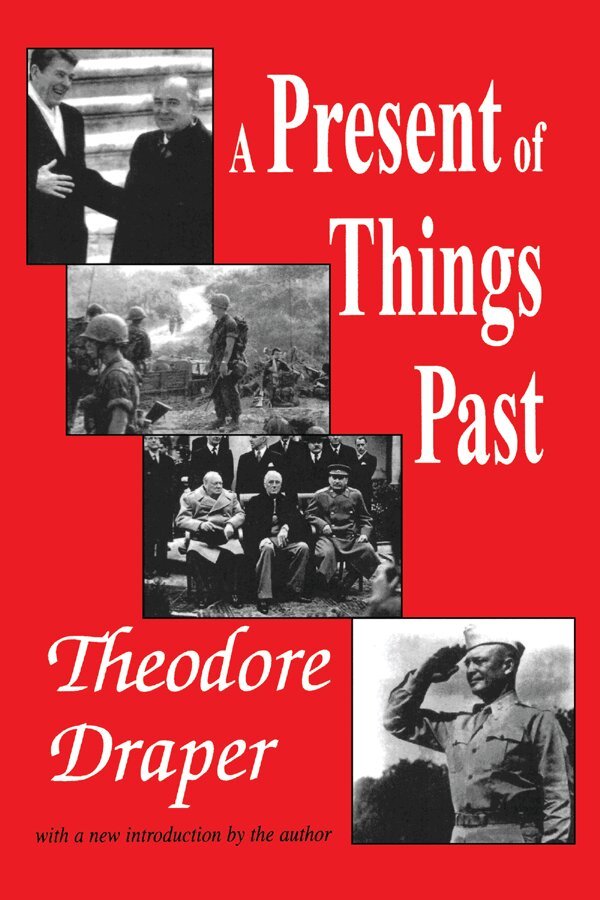
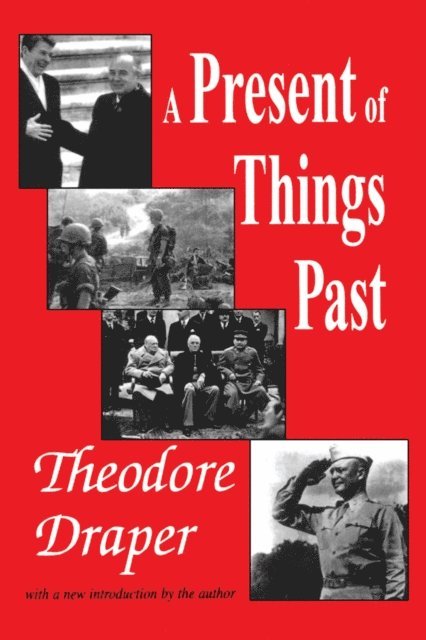
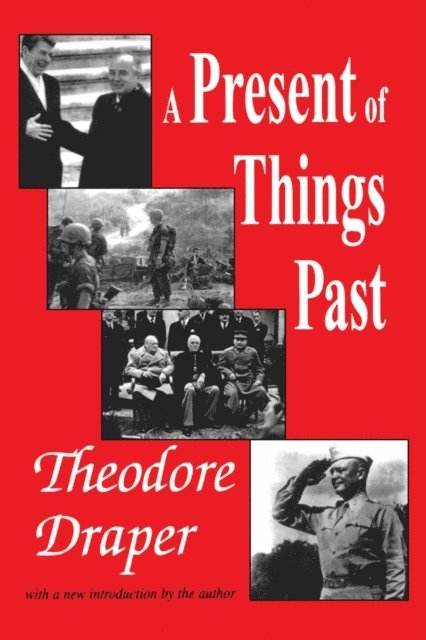
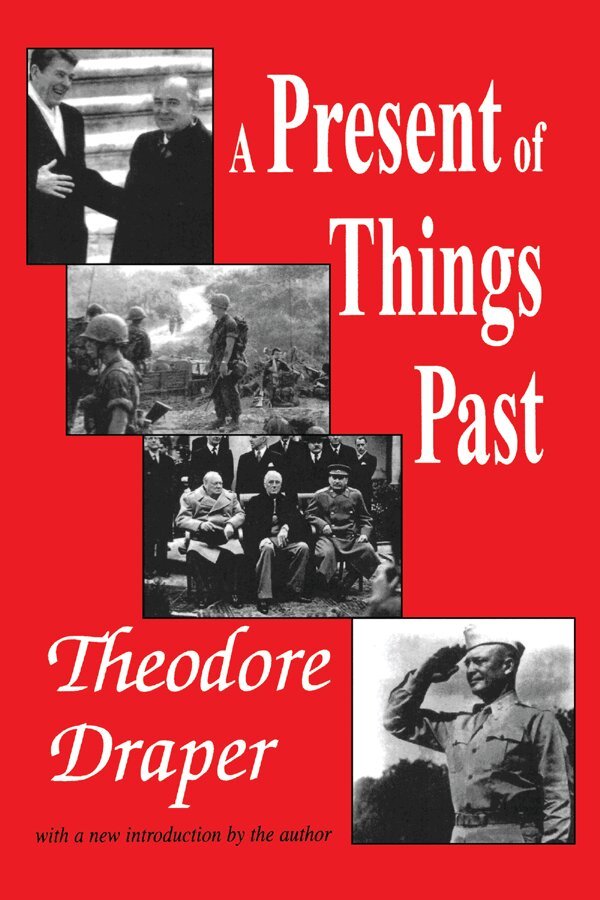
Theodore Draper is one of America''s most trenchant and informed critics. A Present of Things Past gathers together ten of his most recent and most powerful selected essays, in which Draper, with his customary acuity and wit, tackles a host of issues that define America''s political culture. A Present of Things Past is concerned with a reexamination of the Second World War in both its military and its political aspects; the trajectory of American conservatism as it manifested itself during the Reagan years; the rise of Gorbachev and the history of "reform" in the Soviet Union; the revisionist debate over the origins and history of American communism; and the persistent mystery of a man named Max Eitingon, who was, depending on one''s reading of the sources, either an important figure in the history of psychoanalysis or an agent of the Soviet secret police, or both. In "American Hubris," Draper illuminates the assumptions that have guided American foreign policy in the postwar period, and concludes that our costly misadventures--in Korea, Vietnam, Lebanon, and elsewhere--cannot be considered a string of aberrations. They were, he argues, a consequence of the Truman Doctrine. In "Reagan''s Junta," Draper observes: "This is supposed to have been the era of the imperial presidency. It has turned out to be the era of presidencies that have tried to make themselves imperial-and failed." Throughout these compelling essays, Draper demonstrates the uses and abuses to which history has been put by ideologues of both the left and the right. He finds unacceptable, for example, the practice of many journalists of fictionalizing their sources. The New York Times has called Draper "one of the clearer-eyed observers of the issues that torment us." A Present of Things Past enhances that reputation.
589 kr
Läs direkt efter köp
Theodore Draper is one of America''s most trenchant and informed critics. A Present of Things Past gathers together ten of his most recent and most powerful selected essays, in which Draper, with his customary acuity and wit, tackles a host of issues that define America''s political culture. A Present of Things Past is concerned with a reexamination of the Second World War in both its military and its political aspects; the trajectory of American conservatism as it manifested itself during the Reagan years; the rise of Gorbachev and the history of "reform" in the Soviet Union; the revisionist debate over the origins and history of American communism; and the persistent mystery of a man named Max Eitingon, who was, depending on one''s reading of the sources, either an important figure in the history of psychoanalysis or an agent of the Soviet secret police, or both. In "American Hubris," Draper illuminates the assumptions that have guided American foreign policy in the postwar period, and concludes that our costly misadventures--in Korea, Vietnam, Lebanon, and elsewhere--cannot be considered a string of aberrations. They were, he argues, a consequence of the Truman Doctrine. In "Reagan''s Junta," Draper observes: "This is supposed to have been the era of the imperial presidency. It has turned out to be the era of presidencies that have tried to make themselves imperial-and failed." Throughout these compelling essays, Draper demonstrates the uses and abuses to which history has been put by ideologues of both the left and the right. He finds unacceptable, for example, the practice of many journalists of fictionalizing their sources. The New York Times has called Draper "one of the clearer-eyed observers of the issues that torment us." A Present of Things Past enhances that reputation.
874 kr
Läs direkt efter köp
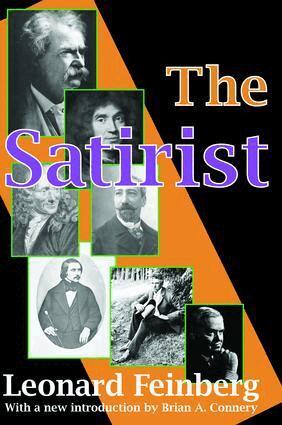
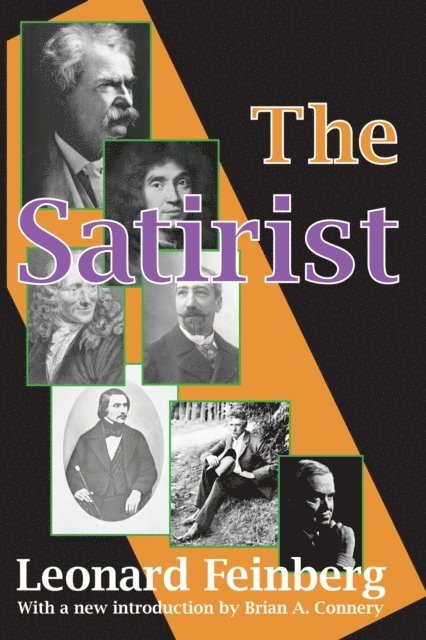
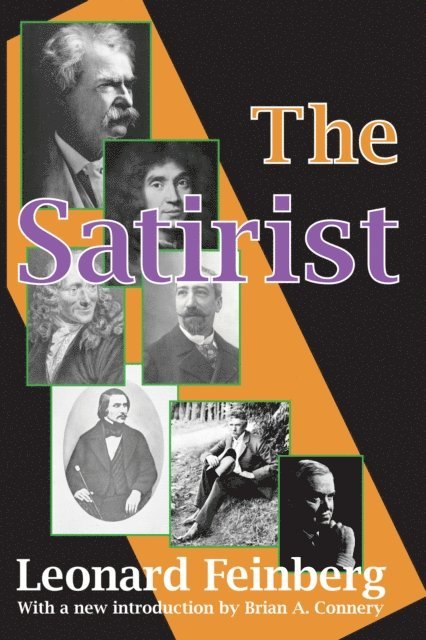
Satire takes as its subject the absurdity of human beings, their societies, and the institutions they create. For centuries, satirists themselves, scholars, critics, and psychologists have speculated about the satirist''s reasons for writing, temperament, and place in society. The conclusions they have reached are sometimes contradictory, sometimes complementary, sometimes outlandish. In this volume, Leonard Feinberg brings together the major theories about the satirist, to provide in one book a summary of the problems that specialists have examined intensively in numerous books and articles.
In part 1, Feinberg examines the major theories about the motivation of the satirist, and then proposes that "adjustment" comes most closely to answering this question. In his view, the satirist resolves his ambivalent relation to society through a playfully critical distortion of the familiar. The personality of the satirist, the apparently paradoxical elements of his nature, the problem of why so many great humorists are sad men, and the contributions of psychoanalysts are explored in part 2, where Feinberg contends that the satirist is not as abnormal as he has sometimes been made to seem, and that if he is a neurotic he shares traits of emotional or social alienation with many others. Part 3 explores the beliefs of satirists and their relation to the environment within which they function, particularly in the contexts of politics, religion, and philosophy. Feinberg stresses the ubiquity of the satirist and suggests that there are a great many people with satiric temperaments who fail to attain literary expression.
Ranging with astonishing breadth, both historical and geographical, The Satirist serves as both an introduction to the subject and an essential volume for scholars. Brian A. Connery''s introduction provides an overview of Feinberg''s career and situates the volume in the intellectual currents in which it was written.
874 kr
Läs direkt efter köp
Satire takes as its subject the absurdity of human beings, their societies, and the institutions they create. For centuries, satirists themselves, scholars, critics, and psychologists have speculated about the satirist''s reasons for writing, temperament, and place in society. The conclusions they have reached are sometimes contradictory, sometimes complementary, sometimes outlandish. In this volume, Leonard Feinberg brings together the major theories about the satirist, to provide in one book a summary of the problems that specialists have examined intensively in numerous books and articles.
In part 1, Feinberg examines the major theories about the motivation of the satirist, and then proposes that "adjustment" comes most closely to answering this question. In his view, the satirist resolves his ambivalent relation to society through a playfully critical distortion of the familiar. The personality of the satirist, the apparently paradoxical elements of his nature, the problem of why so many great humorists are sad men, and the contributions of psychoanalysts are explored in part 2, where Feinberg contends that the satirist is not as abnormal as he has sometimes been made to seem, and that if he is a neurotic he shares traits of emotional or social alienation with many others. Part 3 explores the beliefs of satirists and their relation to the environment within which they function, particularly in the contexts of politics, religion, and philosophy. Feinberg stresses the ubiquity of the satirist and suggests that there are a great many people with satiric temperaments who fail to attain literary expression.
Ranging with astonishing breadth, both historical and geographical, The Satirist serves as both an introduction to the subject and an essential volume for scholars. Brian A. Connery''s introduction provides an overview of Feinberg''s career and situates the volume in the intellectual currents in which it was written.
901 kr
Läs direkt efter köp
901 kr
Läs direkt efter köp
899 kr
Skickas inom 10-15 vardagar
26 kr
Läs direkt efter köp
498 kr
Tillfälligt slut