Theodore Evergates – författare
Visar alla böcker från författaren Theodore Evergates. Handla med fri frakt och snabb leverans.
16 produkter
Feudal Society in Medieval France
Documents from the County of Champagne
E-bok, 2011
437 kr
Lägg i varukorg
Theodore Evergates has assembled, translated, and annotated some two hundred documents from the country of Champagne into a sourcebook that focuses on the political, economic, and legal workings of a feudal society, uncovering the details of private life and social history that are embedded in the …
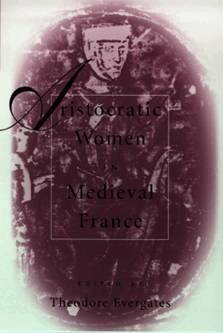
Aristocratic Women in Medieval France
E-bok, 2010
504 kr
Lägg i varukorg
Were aristocratic women in medieval France little more than appendages to patrilineal families, valued as objects of exchange and necessary only for the production of male heirs? Such was the view proposed by the great French historian Georges Duby more than three decades ago and still widely …
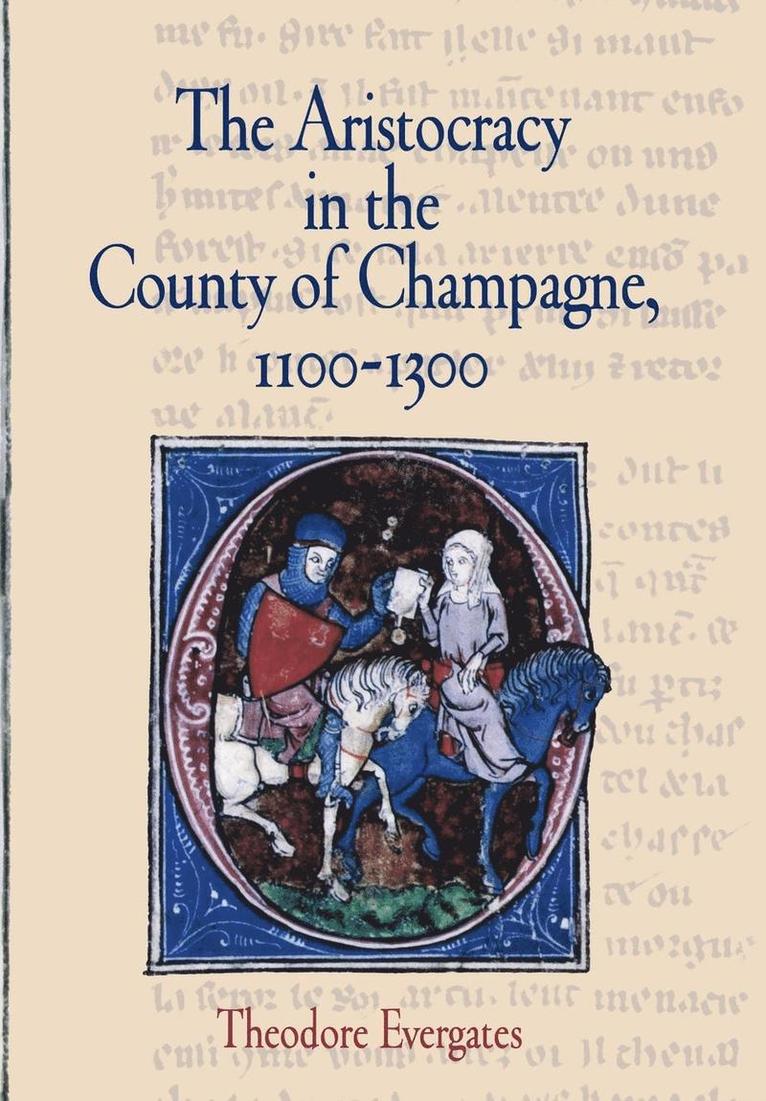
Aristocracy in the County of Champagne, 1100-1300
E-bok, 2013
1561 kr
Lägg i varukorg
Theodore Evergates provides the first systematic analysis of the aristocracy in the county of Champagne under the independent counts. He argues that three factors-the rise of the comital state, fiefholding, and the conjugal family-were critical to shaping a loose assortment of baronial and knightly …
Feudal Society in Medieval France
Documents from the County of Champagne
Häftad, 1993
343 kr
Lägg i varukorg
Theodore Evergates has assembled, translated, and annotated some two hundred documents from the country of Champagne into a sourcebook that focuses on the political, economic, and legal workings of a feudal society, uncovering the details of private life and social history that are embedded in the …
Aristocratic Women in Medieval France
Häftad, 1999
401 kr
Lägg i varukorg
Were aristocratic women in medieval France little more than appendages to patrilineal families, valued as objects of exchange and necessary only for the production of male heirs? Such was the view proposed by the great French historian Georges Duby more than three decades ago and still widely …
Aristocracy in the County of Champagne, 1100-1300
Inbunden, 2007
1287 kr
Lägg i varukorg
Theodore Evergates provides the first systematic analysis of the aristocracy in the county of Champagne under the independent counts. He argues that three factors-the rise of the comital state, fiefholding, and the conjugal family-were critical to shaping a loose assortment of baronial and knightly …
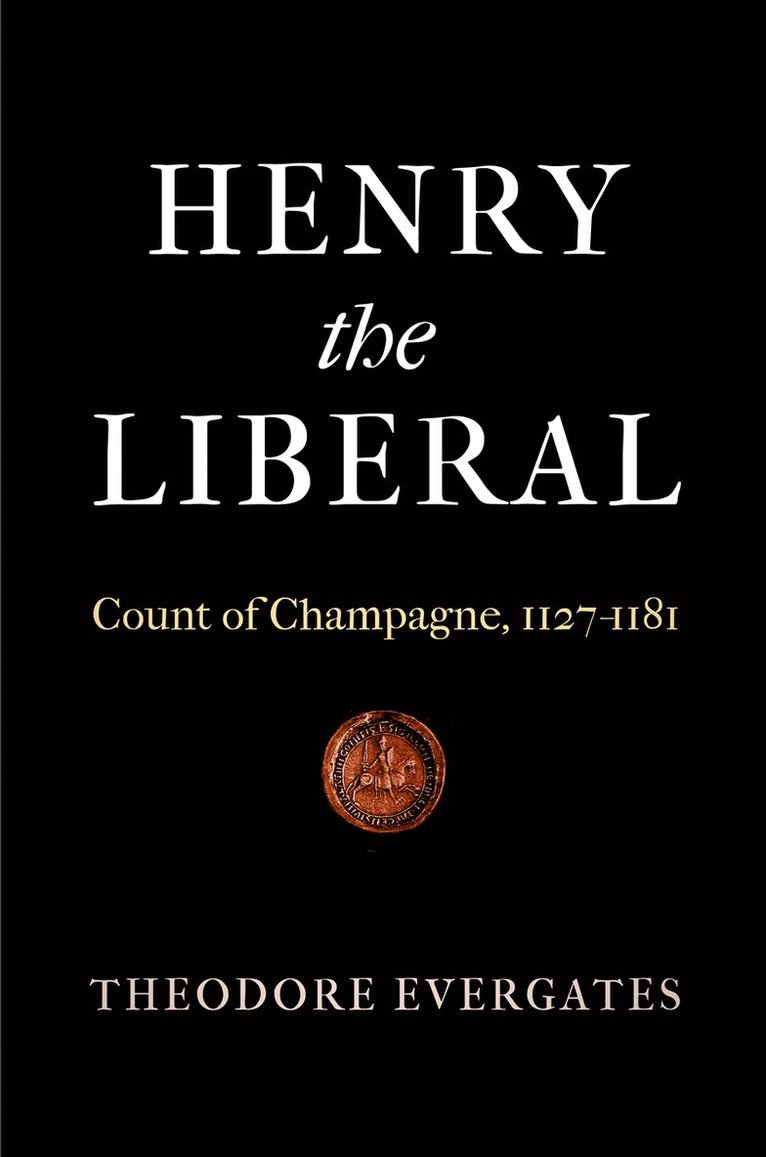
Henry the Liberal
Count of Champagne, 1127-1181
Inbunden, 2016
1136 kr
Lägg i varukorg
Over the course of the twelfth century, the county of Champagne grew into one of the wealthiest and most important of French principalities, home to a large and established aristocracy, the site of international trade fairs, and a center for artistic, literary, and intellectual production. It had …
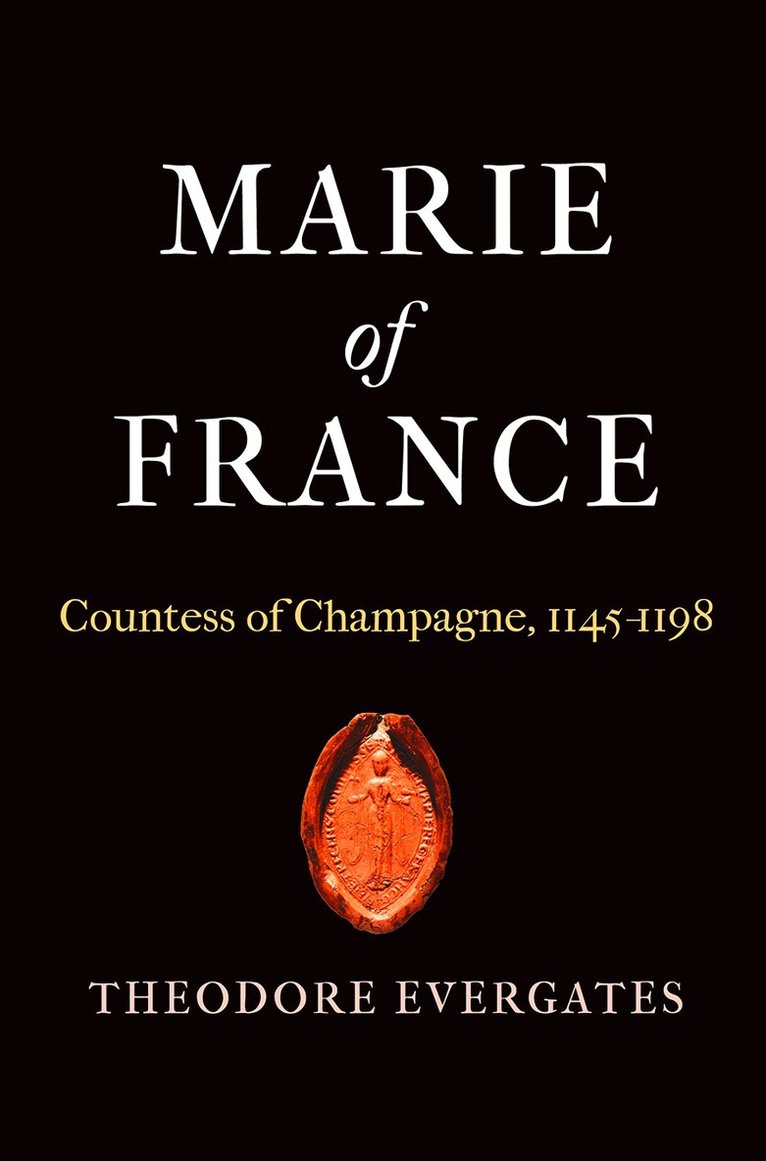
Marie of France
Countess of Champagne, 1145-1198
Inbunden, 2019
880 kr
Lägg i varukorg
Countess Marie of Champagne is primarily known today as the daughter of Louis VII of France and Eleanor of Aquitaine and as a literary patron of ChrÉtien de Troyes. In this engaging biography, Theodore Evergates offers a more rounded view of Marie as a successful ruler of one of the wealthiest and …
Henry the Liberal
Count of Champagne, 1127-1181
E-bok, 2015
1419 kr
Lägg i varukorg
Over the course of the twelfth century, the county of Champagne grew into one of the wealthiest and most important of French principalities, home to a large and established aristocracy, the site of international trade fairs, and a center for artistic, literary, and intellectual production. It had …
Marie of France
Countess of Champagne, 1145-1198
E-bok, 2018
1035 kr
Lägg i varukorg
Countess Marie of Champagne is primarily known today as the daughter of Louis VII of France and Eleanor of Aquitaine and as a literary patron of ChrÉtien de Troyes. In this engaging biography, Theodore Evergates offers a more rounded view of Marie as a successful ruler of one of the wealthiest and …
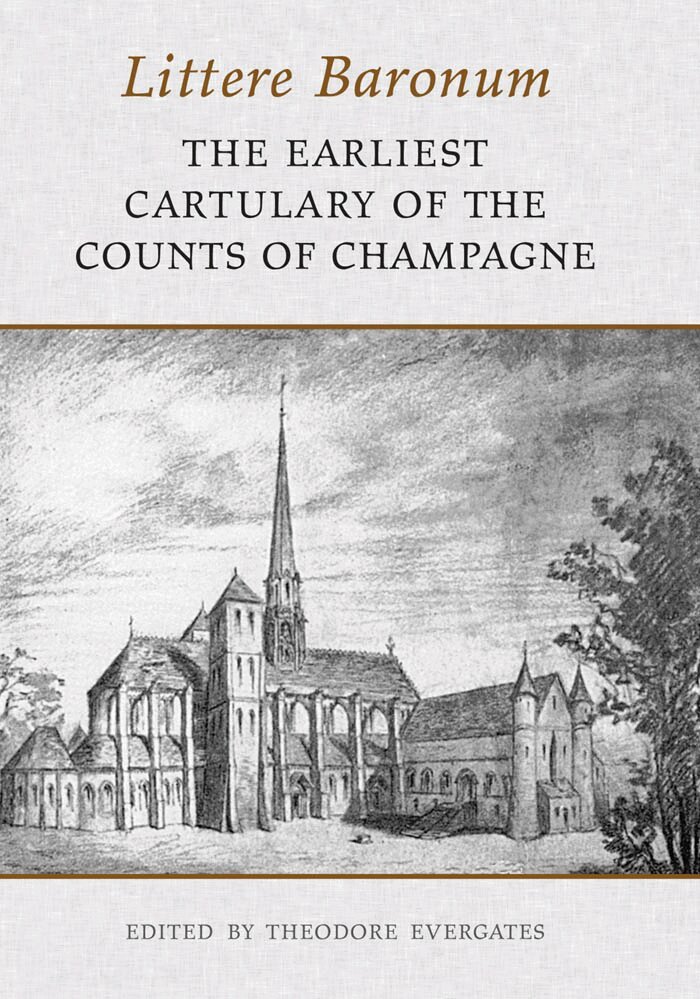
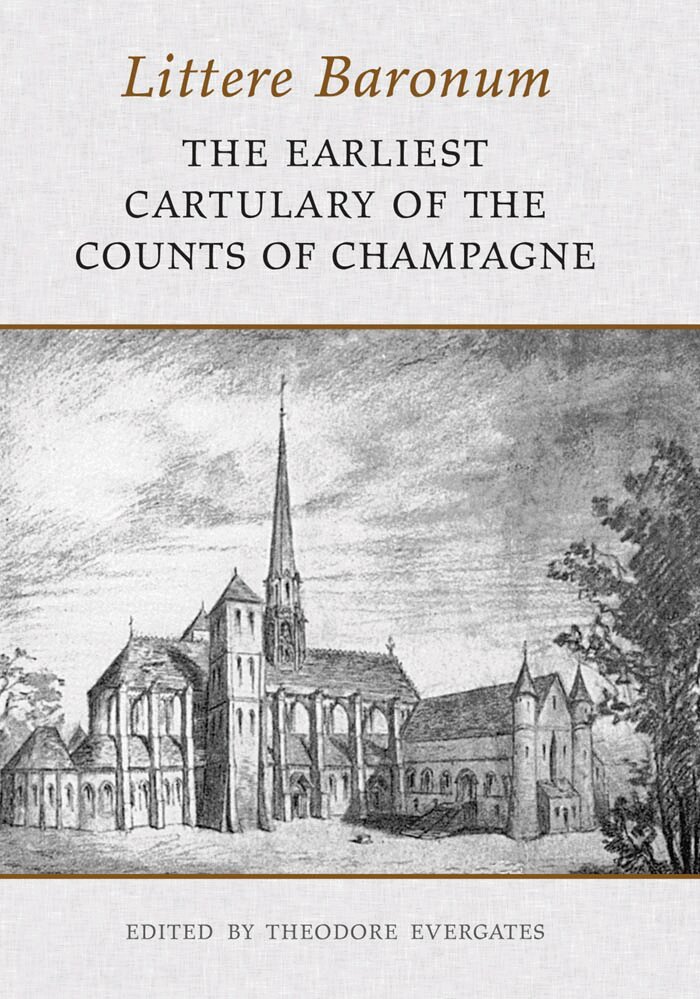
Littere Baronum
The Earliest Cartulary of the Counts of Champagne
E-bok, 2003
444 kr
Lägg i varukorg
The cartulary of 1211 is the oldest surviving register produced by the chancery of the counts of Champagne. This first edition of the cartulary contains 121 letters received from the barons and prelates of the county during the rule of Count Thibaut III (1198-1201) and the first decade of the …
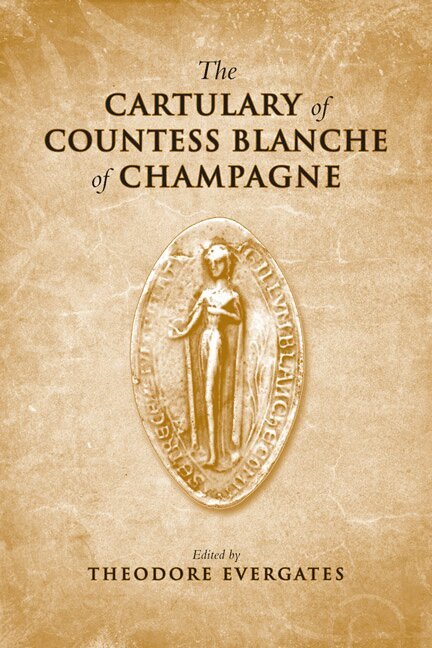
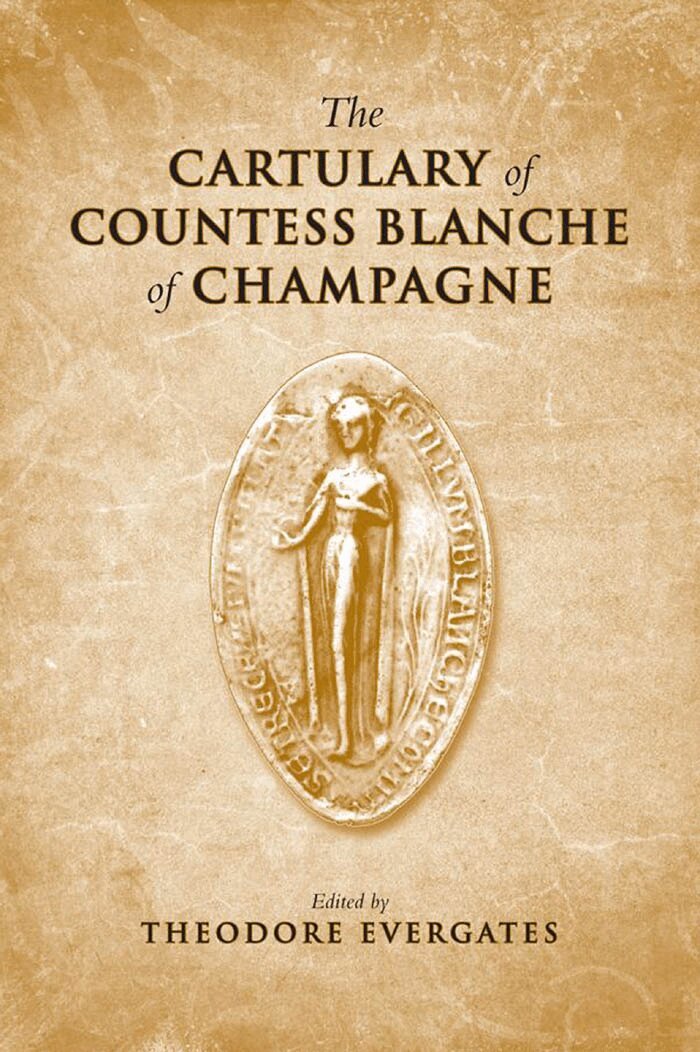
Cartulary of Countess Blanche of Champagne
Inbunden, 2010
1116 kr
Lägg i varukorg
The Cartulary of Countess Blanche of Champagne examines the countess' twenty-one-year regency (1201-22) through her cartulary - a manuscript copy of legal and otherwise public documents usually intended as an archival aid and as a security duplicate. Surviving intact to this day, the 1224 volume is …
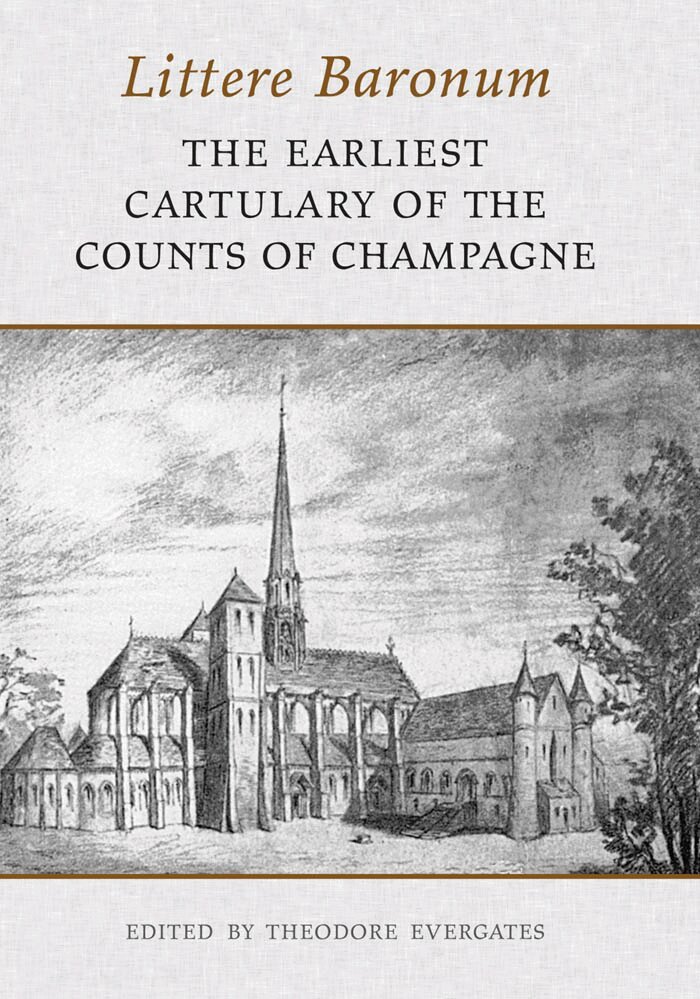
Littere Baronum
The Earliest Cartulary of the Counts of Champagne
Häftad, 2003
396 kr
Lägg i varukorg
The cartulary of 1211 is the oldest surviving register produced by the chancery of the counts of Champagne. This first edition of the cartulary contains 121 letters received from the barons and prelates of the county during the rule of Count Thibaut III (1198-1201) and the first decade of the …
Littere Baronum
The Earliest Cartulary of the Counts of Champagne
E-bok, 2003
487 kr
Lägg i varukorg
The cartulary of 1211 is the oldest surviving register produced by the chancery of the counts of Champagne. This first edition of the cartulary contains 121 letters received from the barons and prelates of the county during the rule of Count Thibaut III (1198-1201) and the first decade of the …
Cartulary of Countess Blanche of Champagne
E-bok, 2010
1578 kr
Lägg i varukorg
The Cartulary of Countess Blanche of Champagne examines the countess' twenty-one-year regency (1201-22) through her cartulary - a manuscript copy of legal and otherwise public documents usually intended as an archival aid and as a security duplicate. Surviving intact to this day, the 1224 volume is …
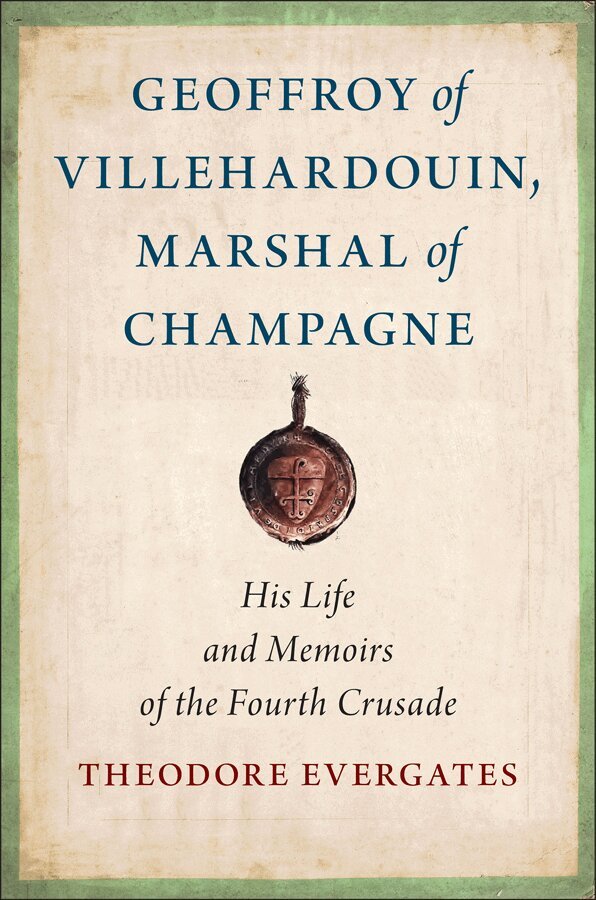
Geoffroy of Villehardouin, Marshal of Champagne
His Life and Memoirs of the Fourth Crusade
Inbunden, 2024
592 kr
Lägg i varukorg
Geoffroy of Villehardouin, Marshal of Champagne by Theodore Evergates traces the remarkable life of Geoffroy of Villehardouin (c. 1148–c. 1217) from his earliest years in Champagne through his last years in Greece after the crusade. The fourth son of a knight, Geoffroy became marshal of Champagne, …