Theodore Jacob - Böcker
Visar alla böcker från författaren Theodore Jacob. Handla med fri frakt och snabb leverans.
3 produkter
3 produkter
2 042 kr
Skickas inom 10-15 vardagar
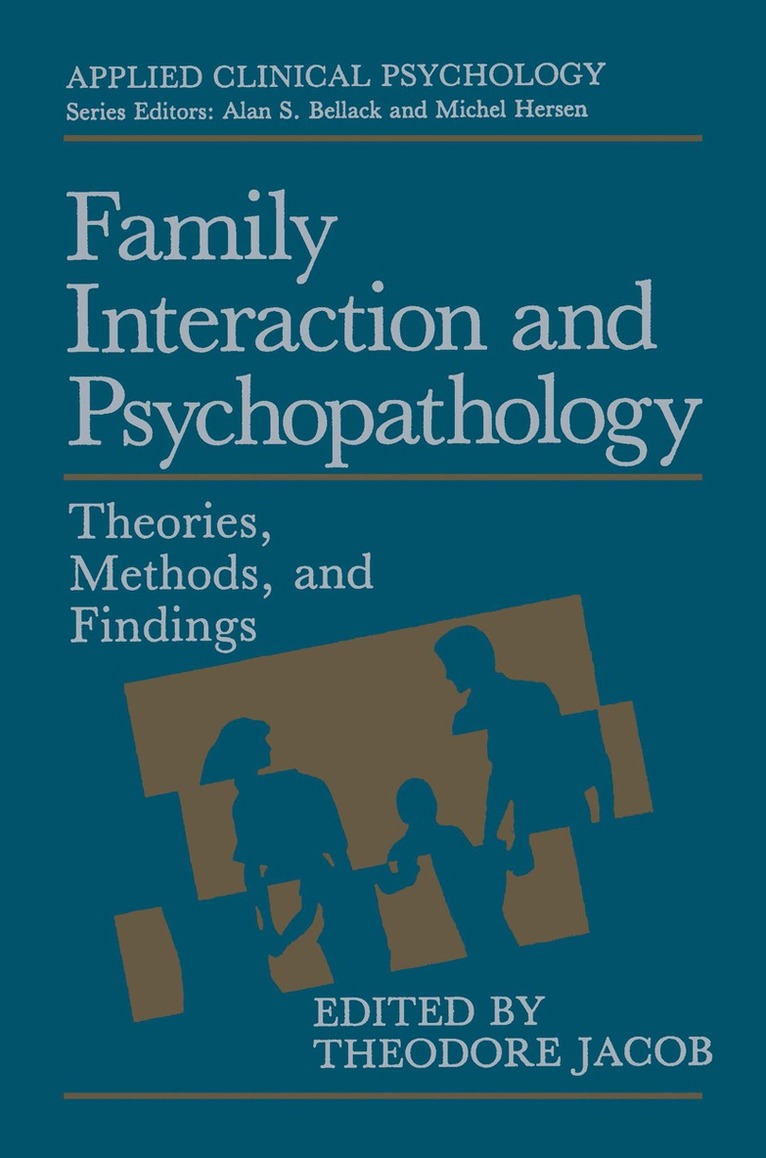
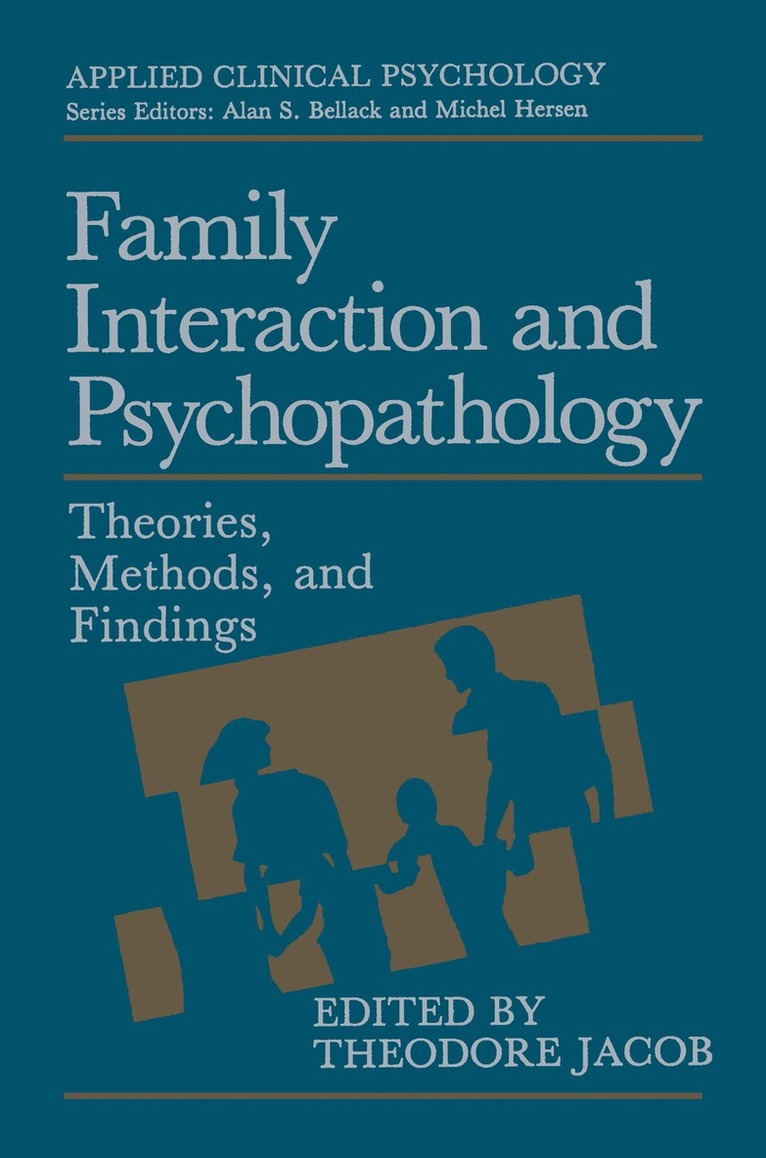
Throughout the past 30 years, there have been significant developments in theory and research relating family variables to various psychopathologies. The potential importance of such efforts is obviously great, given the implications that reliable and valid findings would hold for treatment and preventive inter ventions across a variety of settings and populations. The purpose of this volume is to present a critical evaluation of this field of inquiry through a detailed assessment of the theoretical perspectives, the methodological issues, and the substantive findings that have characterized family studies of psychopathology during the past several decades. The book is divided into four parts, each con taining contributions from leading researchers and theorists in the field. The first part, "Background," presents a review of the major streams of influence that have shaped the development and the present character of the field. The second part, "Conceptual Foundations," contains presentations of gen eral models and orientations relevant to family studies of psychopathology. In most cases, a particular theoretical perspective provides the primary underpin ning of the approach, the exception to this format being the family model of David Reiss based on the concept of the family paradigm. The major objective of this part is to present a broad yet detailed set of chapters that address the conceptual status of the field. It is hoped that this material will provide a rich background against which subsequent discussions of specific theories, methods, and findings can be more fully appreciated.
1 034 kr
Skickas inom 10-15 vardagar
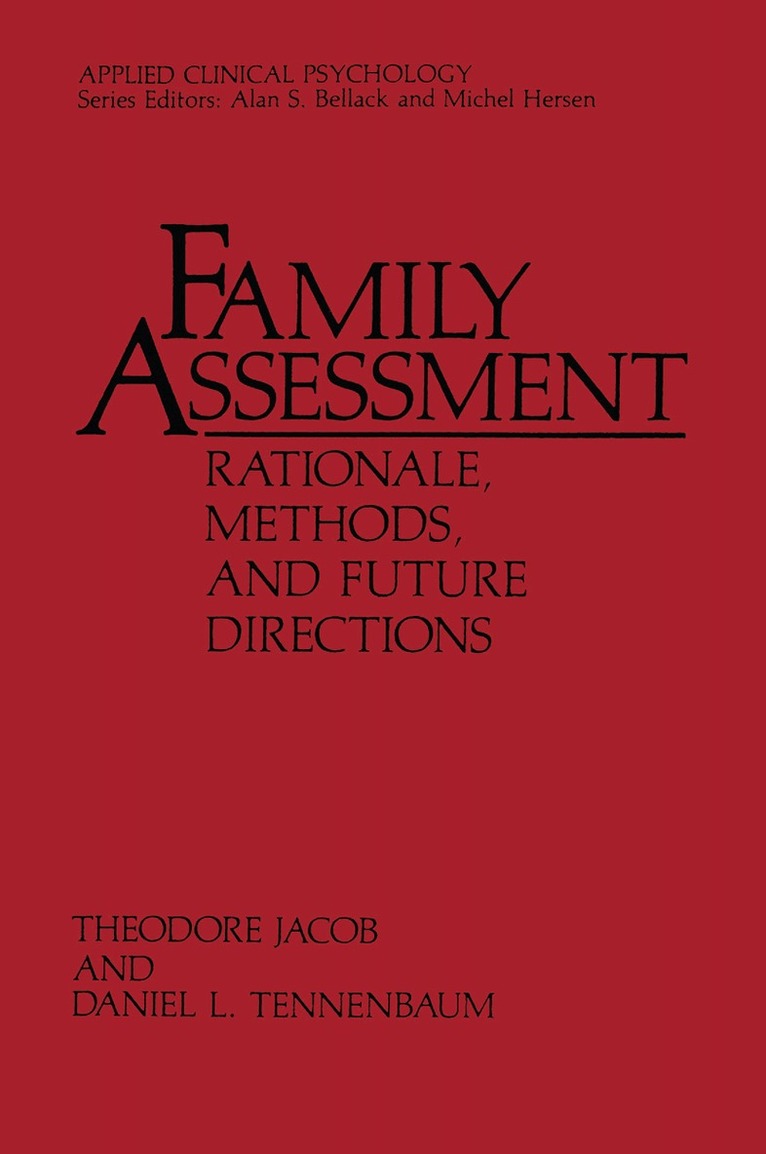
The purpose of this book is to review existing and developing family assessment methods relevant to the study of psycho pathology. It is our intention not only to inform clinical re searchers of the many valuable family assessment methods that are available, but also to encourage the incorporation of such procedures into future research efforts. In so doing, we believe that our understanding of the etiology, course, treatment, and prevention of adult and childhood disorders will be greatly enriched. The book begins with an overview of the larger social and intellectual forces which have led to the current interest in study ing family influences on psychopathology in children and adoles cence. For each "stream of influence," we attempt to highlight theoretical and methodological contributions relevant to the fami ly's role in the etiology, exacerbation, and treatment of childhood disorders. Next, a framework for classifying family measurement procedures is introduced in which three major dimensions are emphasized: unit of analysis, source of data, and construct as sessed. The third and most important chapter provides detailed reviews of a selected number of methods within each of the major groupings that have been delimited, references and brief descrip tions of other measures that cannot be reviewed in detail, and a discussion of the promising and developing techniques that are known to the authors.
2 164 kr
Skickas inom 10-15 vardagar
Throughout the past 30 years, there have been significant developments in theory and research relating family variables to various psychopathologies. The potential importance of such efforts is obviously great, given the implications that reliable and valid findings would hold for treatment and preventive inter ventions across a variety of settings and populations. The purpose of this volume is to present a critical evaluation of this field of inquiry through a detailed assessment of the theoretical perspectives, the methodological issues, and the substantive findings that have characterized family studies of psychopathology during the past several decades. The book is divided into four parts, each con taining contributions from leading researchers and theorists in the field. The first part, "Background," presents a review of the major streams of influence that have shaped the development and the present character of the field. The second part, "Conceptual Foundations," contains presentations of gen eral models and orientations relevant to family studies of psychopathology. In most cases, a particular theoretical perspective provides the primary underpin ning of the approach, the exception to this format being the family model of David Reiss based on the concept of the family paradigm. The major objective of this part is to present a broad yet detailed set of chapters that address the conceptual status of the field. It is hoped that this material will provide a rich background against which subsequent discussions of specific theories, methods, and findings can be more fully appreciated.