Theodore S. Hamerow – författare
Visar alla böcker från författaren Theodore S. Hamerow. Handla med fri frakt och snabb leverans.
19 produkter
International Politics and German History
The Past Informs the Present
Av Theodore S. Hamerow, David Wetzel m. fl.
Inbunden, 1997
1095 kr
Lägg i varukorg
Questions of international politics, as they relate to German history, are explored in this authoritative and controversial volume. Of the seven essays that constitute the book, four—those by Schroeder, Lauren, Rupieper, and Abenheim—center on diplomatic history and international politics, while …
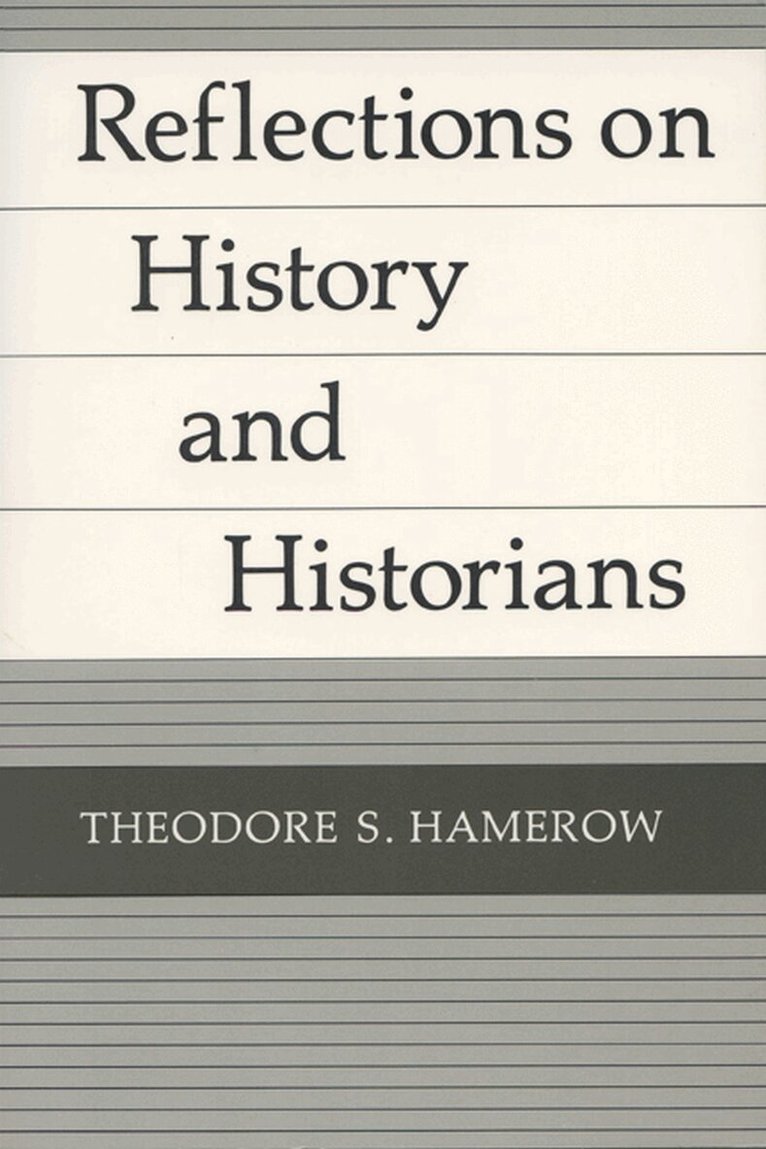
Reflections on History and Historians
Häftad, 1990
254 kr
Lägg i varukorg
History as a field of learning is in a state of crisis. It has lost much of its influence in institutions of higher learning and its place in public esteem. Historians have, in large part, lost touch with the intelligent lay reader and with the undergraduate college student. History's value to …
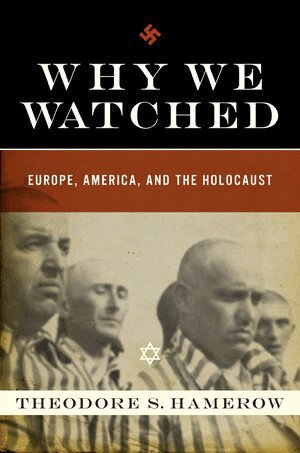
Why We Watched
Europe, America, and the Holocaust
Inbunden, 2008
348 kr
Lägg i varukorg
The Allies stood by and watched Nazi Germany imprison and then murder six million Jews during World War II. How could the unthinkable have been allowed to happen? Theodore Hamerow reveals in the pages of this compelling book that each Western nation had its own version of the Jewish Question—its …
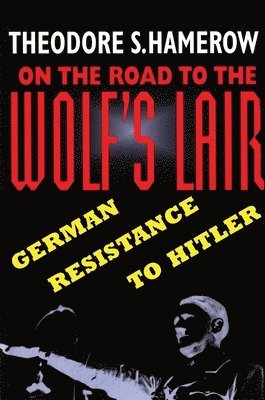
On the Road to the Wolf’s Lair
German Resistance to Hitler
Häftad, 1999
323 kr
Lägg i varukorg
In the beginning, they rallied behind Hitler in the national interest of Germany; in the end, they sacrificed their lives to assassinate him. A history of German resistance to Hitler in high places, this book offers a glimpse into one of the most intractable mysteries. Why did high-ranking army …
Restoration, Revolution, Reaction
Economics and Politics in Germany, 1815-1871
Häftad, 1966
756 kr
Lägg i varukorg
A study of the economic and social changes which shaped the movement for German unification. The author emphasizes the effect of industrialism on urban life, traces the decline of manorialism in agriculture and seeks to show that the political movements of these years were profoundly influenced by …
Social Foundations of German Unification, 1858-1871, Volume I
Ideas and Institutions
Häftad, 2015
1328 kr
Lägg i varukorg
The diplomatic and political events leading to the establishment of the German Empire have been studied extensively, but the social matrix of civic activity has been sadly neglected. Professor Hamerow fills this gap by dealing first with the development of the economy and the community under the …
Social Foundations of German Unification, 1858-1871, Volume II
Struggles and Accomplishments
Häftad, 2015
1373 kr
Lägg i varukorg
This volume, together with its predeccessor (Ideas and Institutions, 1969), is an examinataion of the social and economic foreces that helped shape Germany in the mid-nineteenth century. The previous volume established the ideological and institutional framework; in Struggles and Accomplishments …
Social Foundations of German Unification, 1858-1871, Volume I
Ideas and Institutions
Inbunden, 2016
3082 kr
Lägg i varukorg
The diplomatic and political events leading to the establishment of the German Empire have been studied extensively, but the social matrix of civic activity has been sadly neglected. Professor Hamerow fills this gap by dealing first with the development of the economy and the community under the …
Social Foundations of German Unification, 1858-1871, Volume II
Struggles and Accomplishments
Inbunden, 2016
3139 kr
Lägg i varukorg
This volume, together with its predeccessor (Ideas and Institutions, 1969), is an examinataion of the social and economic foreces that helped shape Germany in the mid-nineteenth century. The previous volume established the ideological and institutional framework; in Struggles and Accomplishments …
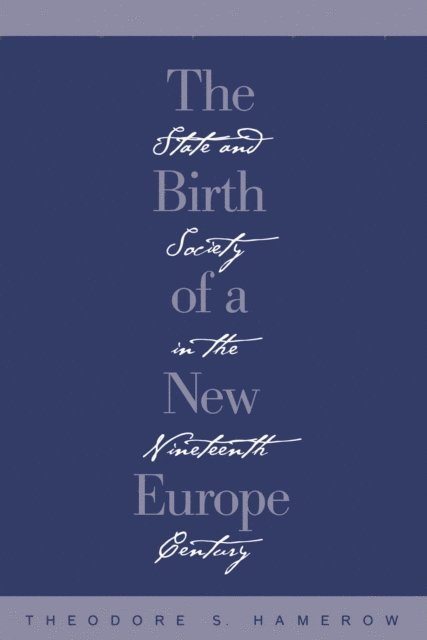
Birth of a New Europe
State and Society in the Nineteenth Century
Häftad, 1989
674 kr
Lägg i varukorg
Between the conclusion of the Napoleonic Wars and the outbreak of the First World War, Europe underwent a transformation unparalleled in its history. No comparable degree of change had occurred on the Continent since the New Stone Age. Theodore Hamerow examines the innovations that challenged …
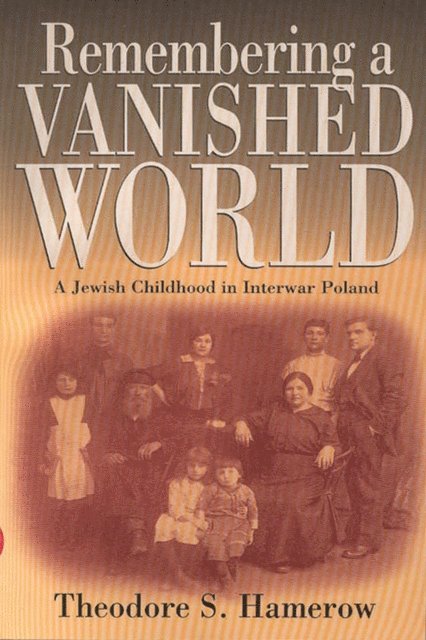
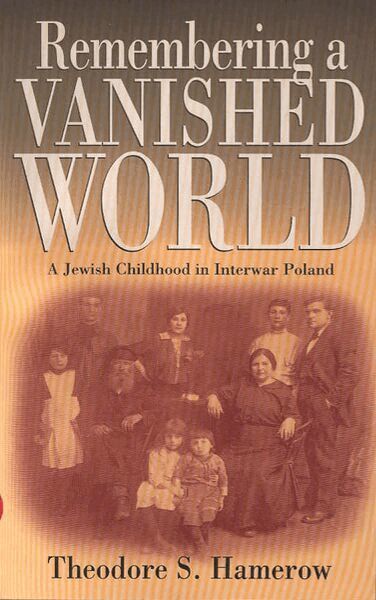
Remembering a Vanished World
A Jewish Childhood in Interwar Poland
E-bok, 2001
325 kr
Lägg i varukorg
Theodore Hamerow, a prominent historian, was born in Warsaw in 1920 and spent his childhood in Poland and Germany. His parents were members of the best-known Yiddish theater ensemble, the Vilna Company. They were part of an important movement in the Jewish community of Eastern Europe which sought, …
Social Foundations of German Unification, 1858-1871, Volume I
Ideas and Institutions
E-bok, 2015
970 kr
Lägg i varukorg
The diplomatic and political events leading to the establishment of the German Empire have been studied extensively, but the social matrix of civic activity has been sadly neglected. Professor Hamerow fills this gap by dealing first with the development of the economy and the community under the …
Social Foundations of German Unification, 1858-1871, Volume II
Struggles and Accomplishments
E-bok, 2015
1058 kr
Lägg i varukorg
This volume, together with its predeccessor (Ideas and Institutions, 1969), is an examinataion of the social and economic foreces that helped shape Germany in the mid-nineteenth century. The previous volume established the ideological and institutional framework; in Struggles and Accomplishments …
Restoration, Revolution, Reaction
Economics and Politics in Germany, 1815-1871
E-bok, 2016
996 kr
Lägg i varukorg
A study of the economic and social changes which shaped the movement for German unification. The author emphasizes the effect of industrialism on urban life, traces the decline of manorialism in agriculture and seeks to show that the political movements of these years were profoundly influenced by …
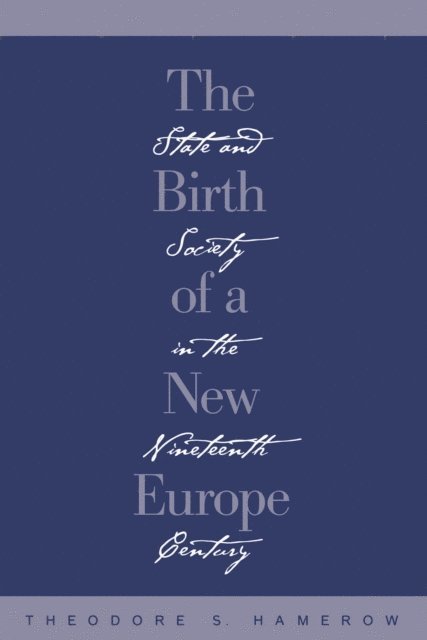
Birth of a New Europe
State and Society in the Nineteenth Century
E-bok, 2016
524 kr
Lägg i varukorg
Between the conclusion of the Napoleonic Wars and the outbreak of the First World War, Europe underwent a transformation unparalleled in its history. No comparable degree of change had occurred on the Continent since the New Stone Age. Theodore Hamerow examines the innovations that challenged …
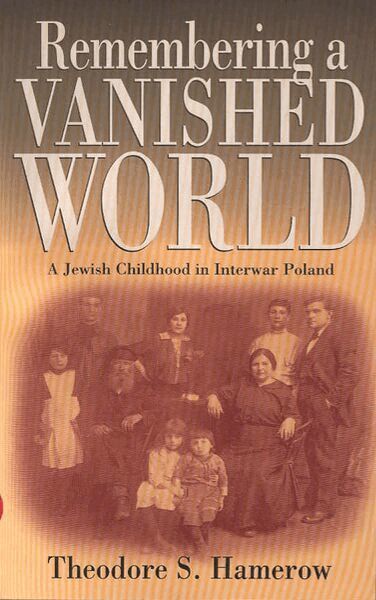
Remembering a Vanished World
A Jewish Childhood in Interwar Poland
Inbunden, 2001
1979 kr
Lägg i varukorg
Theodore Hamerow, a prominent historian, was born in Warsaw in 1920 and spent his childhood in Poland and Germany. His parents were members of the best-known Yiddish theater ensemble, the Vilna Company. They were part of an important movement in the Jewish community of Eastern Europe which sought, …
Remembering a Vanished World
A Jewish Childhood in Interwar Poland
Häftad, 2001
526 kr
Lägg i varukorg
Theodore Hamerow, a prominent historian, was born in Warsaw in 1920 and spent his childhood in Poland and Germany. His parents were members of the best-known Yiddish theater ensemble, the Vilna Company. They were part of an important movement in the Jewish community of Eastern Europe which sought, …
Birth of a New Europe
State and Society in the Nineteenth Century
E-bok, 2016
535 kr
Lägg i varukorg
Between the conclusion of the Napoleonic Wars and the outbreak of the First World War, Europe underwent a transformation unparalleled in its history. No comparable degree of change had occurred on the Continent since the New Stone Age. Theodore Hamerow examines the innovations that challenged …