Theophus H. Smith – författare
Visar alla böcker från författaren Theophus H. Smith. Handla med fri frakt och snabb leverans.
4 produkter
4 produkter
E-bok
PDF, Engelska, 1995498 kr
Läs direkt efter köp
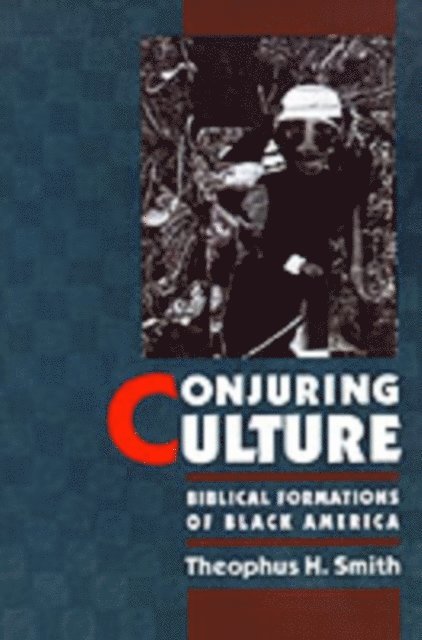
This book provides a sophisticated new interdisciplinary interpretation of the formulation and evolution of African American religion and culture. Theophus Smith argues for the central importance of "conjure"--a magical means of transforming reality--in black spirituality and culture. Smith shows that the Bible, the sacred text of Western civilization, has in fact functioned as a magical formulary for African Americans. Going back to slave religion, and continuing in black folk practice and literature to the present day, the Bible has provided African Americans with ritual prescriptions for prophetically re-envisioning, and thereby transforming, their history and culture. In effect the Bible is a "conjure book" for prescribing cures and curses, and for invoking extraordinary and Divine powers to effect changes in the conditions of human existence--and to bring about justice and freedom. Biblical themes, symbols, and figures like Moses, the Exodus, the Promised Land, and the Suffering Servant, as deployed by African Americans, have crucially formed and reformed not only black culture, but American society as a whole. Smith examines not only the religious and political uses of conjure, but its influence on black aesthetics, in music, drama, folklore, and literature. The concept of conjure, he shows, is at the heart of an indigenous and still vital spirituality, with exciting implications for reformulating the next generation of black studies and black theology. Even more broadly, Smith proposes, "conjuring culture" can function as a new paradigm for understanding Western religious and cultural phenomena generally.
Inbunden, Engelska, 2026
1 407 kr
Skickas inom 5-8 vardagar
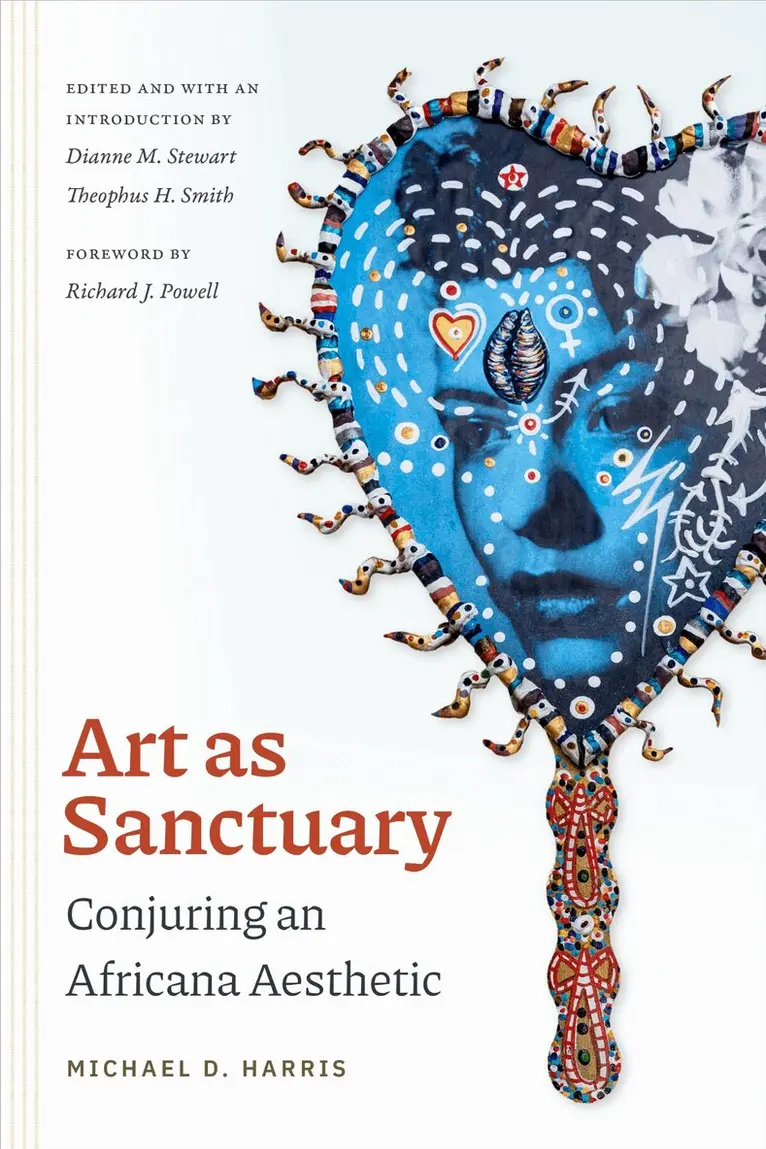
In Art as Sanctuary, Michael D. Harris considers literal and metaphorical uses of sanctuary in the Black experience and African diaspora art, including locales of spiritual expression, self-renewal, and cultural celebration. Harris offers an alternative framework to the Duboisian philosophy of double consciousness, pushing the boundaries of Africana aesthetic analysis by exploring the cultural signifiers embedded consciously or unconsciously in African diaspora art. Within these works, he reveals how these cultural cues speak to the vibrancy of African American life. While acknowledging the presence of the white observer’s gaze, Harris wishes to relieve the black interior from the panoptic assumptions of that gaze and its disciplines. Art as Sanctuary provides innovative pathways to understand African American visual culture and music as autobiographies of cultural identity and experience.
Häftad, Engelska, 2026
365 kr
Skickas
In Art as Sanctuary, Michael D. Harris considers literal and metaphorical uses of sanctuary in the Black experience and African diaspora art, including locales of spiritual expression, self-renewal, and cultural celebration. Harris offers an alternative framework to the Duboisian philosophy of double consciousness, pushing the boundaries of Africana aesthetic analysis by exploring the cultural signifiers embedded consciously or unconsciously in African diaspora art. Within these works, he reveals how these cultural cues speak to the vibrancy of African American life. While acknowledging the presence of the white observer’s gaze, Harris wishes to relieve the black interior from the panoptic assumptions of that gaze and its disciplines. Art as Sanctuary provides innovative pathways to understand African American visual culture and music as autobiographies of cultural identity and experience.
E-bok
PDF, Engelska, 2025582 kr
Läs direkt efter köp
In Art as Sanctuary, Michael D. Harris considers literal and metaphorical uses of sanctuary in the black experience and African diaspora art, including locales of spiritual expression, self-renewal, and cultural celebration. Harris offers an alternative framework to the Duboisian philosophy of double consciousness, pushing the boundaries of Africana aesthetic analysis by exploring the cultural signifiers embedded consciously or unconsciously in African diaspora art. Within these works, he reveals how these cultural cues speak to the vibrancy of African American life. While acknowledging the presence of the white observer's gaze, Harris wishes to relieve the black interior from the panoptic assumptions of that gaze and its disciplines. Art as Sanctuary provides innovative pathways to understand African American visual culture and music as autobiographies of cultural identity and experience.