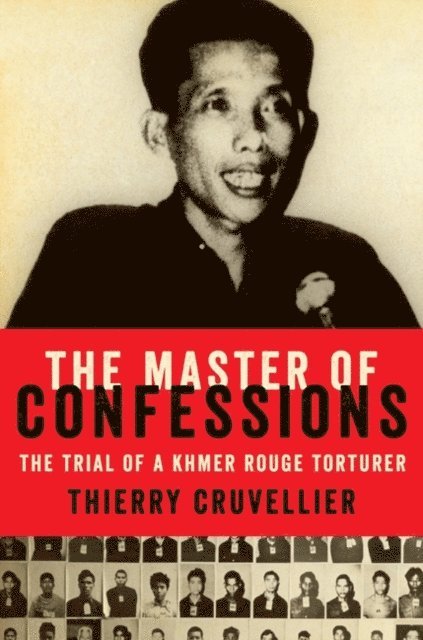
Renowned journalist Thierry Cruvellier takes us into the dark heart of Cambodia''s Khmer Rouge with The Master of Confessions, a suspenseful account of a Chief Interrogator''s trial for war crimes.On April 17, 1975, the communist Khmer Rouge, led by its secretive prime minister Pol Pot, took over Cambodia. Renaming the country Democratic Kampuchea, they cut the nation off from the world and began systematically killing and starving two million of their people.Thirty years after their fall, a man named Duch (pronounced "Doïk"), who had served as Chief Prison officer of S21, the regime''s central prison complex, stood trial for war crimes and crimes against humanity. Unlike any other tribunal defendant, Duch acknowledged his personal responsibility, pleaded guilty, and asked for forgiveness from his victims. In The Master of Confessions, Thierry Cruvellier uses the trial to tell the horrifying story of this terrible chapter in history.Cruvellier offers a psychologically penetrating, devastating look at the victims, the torturers, and the regime itself, searching to answer crucial questions about culpability. Self-drawing on his knowledge, and experience, Cruvellier delivers a startling work of journalistic history—by turns deeply moving, horrifying, and darkly funny.
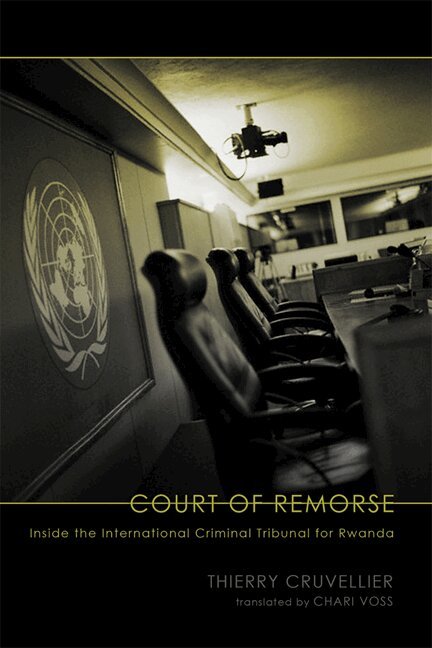
When genocidal violence gripped Rwanda in 1994, the international community recoiled, hastily withdrawing its peacekeepers. Late that year, in an effort to redeem itself, the United Nations Security Council created the International Criminal Tribunal for Rwanda to seek accountability for some of the worst atrocities since World War II: the genocide suffered by the Tutsi and crimes against humanity suffered by the Hutu. But faced with competing claims, the prosecution focused exclusively on the crimes of Hutu extremists. No charges would be brought against the Tutsi-led Rwandan Patriotic Front, which ultimately won control of the country. The UN, as if racked by guilt for its past inaction, gave in to pressure by Rwanda’s new leadership. With the Hutu effectively silenced, and the RPF constantly reminding the international community of its failure to protect the Tutsi during the war, the Tribunal pursued an unusual form of one-sided justice, born out of contrition. Fascinated by the Tribunal’s rich complexities, journalist Thierry Cruvellier came back day after day to watch the proceedings, spending more time there than any other outside observer. Gradually he gained the confidence of the victims, defendants, lawyers, and judges. Drawing on interviews with these protagonists and his close observations of their interactions, Cruvellier takes readers inside the courtroom to witness the motivations, mechanisms, and manipulations of justice as it unfolded on the stage of high-stakes, global politics. It is this ground-level view that makes his account so valuable—and so absorbing. A must-read for those who want to understand the dynamics of international criminal tribunals, Court of Remorse reveals both the possibilities and the challenges of prosecuting human rights violations.
Renowned journalist Thierry Cruvellier takes us into the dark heart of Cambodia''s Khmer Rouge with The Master of Confessions, a suspenseful account of a Chief Interrogator''s trial for war crimes.On April 17, 1975, the communist Khmer Rouge, led by its secretive prime minister Pol Pot, took over Cambodia. Renaming the country Democratic Kampuchea, they cut the nation off from the world and began systematically killing and starving two million of their people.Thirty years after their fall, a man named Duch (pronounced "Doïk"), who had served as Chief Prison officer of S21, the regime''s central prison complex, stood trial for war crimes and crimes against humanity. Unlike any other tribunal defendant, Duch acknowledged his personal responsibility, pleaded guilty, and asked for forgiveness from his victims. In The Master of Confessions, Thierry Cruvellier uses the trial to tell the horrifying story of this terrible chapter in history.Cruvellier offers a psychologically penetrating, devastating look at the victims, the torturers, and the regime itself, searching to answer crucial questions about culpability. Self-drawing on his knowledge, and experience, Cruvellier delivers a startling work of journalistic history—by turns deeply moving, horrifying, and darkly funny.
When genocidal violence gripped Rwanda in 1994, the international community recoiled, hastily withdrawing its peacekeepers. Late that year, in an effort to redeem itself, the United Nations Security Council created the International Criminal Tribunal for Rwanda to seek accountability for some of the worst atrocities since World War II: the genocide suffered by the Tutsi and crimes against humanity suffered by the Hutu. But faced with competing claims, the prosecution focused exclusively on the crimes of Hutu extremists. No charges would be brought against the Tutsi-led Rwandan Patriotic Front, which ultimately won control of the country. The UN, as if racked by guilt for its past inaction, gave in to pressure by Rwanda’s new leadership. With the Hutu effectively silenced, and the RPF constantly reminding the international community of its failure to protect the Tutsi during the war, the Tribunal pursued an unusual form of one-sided justice, born out of contrition. Fascinated by the Tribunal’s rich complexities, journalist Thierry Cruvellier came back day after day to watch the proceedings, spending more time there than any other outside observer. Gradually he gained the confidence of the victims, defendants, lawyers, and judges. Drawing on interviews with these protagonists and his close observations of their interactions, Cruvellier takes readers inside the courtroom to witness the motivations, mechanisms, and manipulations of justice as it unfolded on the stage of high-stakes, global politics. It is this ground-level view that makes his account so valuable—and so absorbing. A must-read for those who want to understand the dynamics of international criminal tribunals, Court of Remorse reveals both the possibilities and the challenges of prosecuting human rights violations.