
Thierry P.F. Verburgh – författare
Visar alla böcker från författaren . Handla med fri frakt och snabb leverans.
3 produkter
3 produkter
Inbunden, Engelska, 2020
1 336 kr
Skickas inom 10-15 vardagar
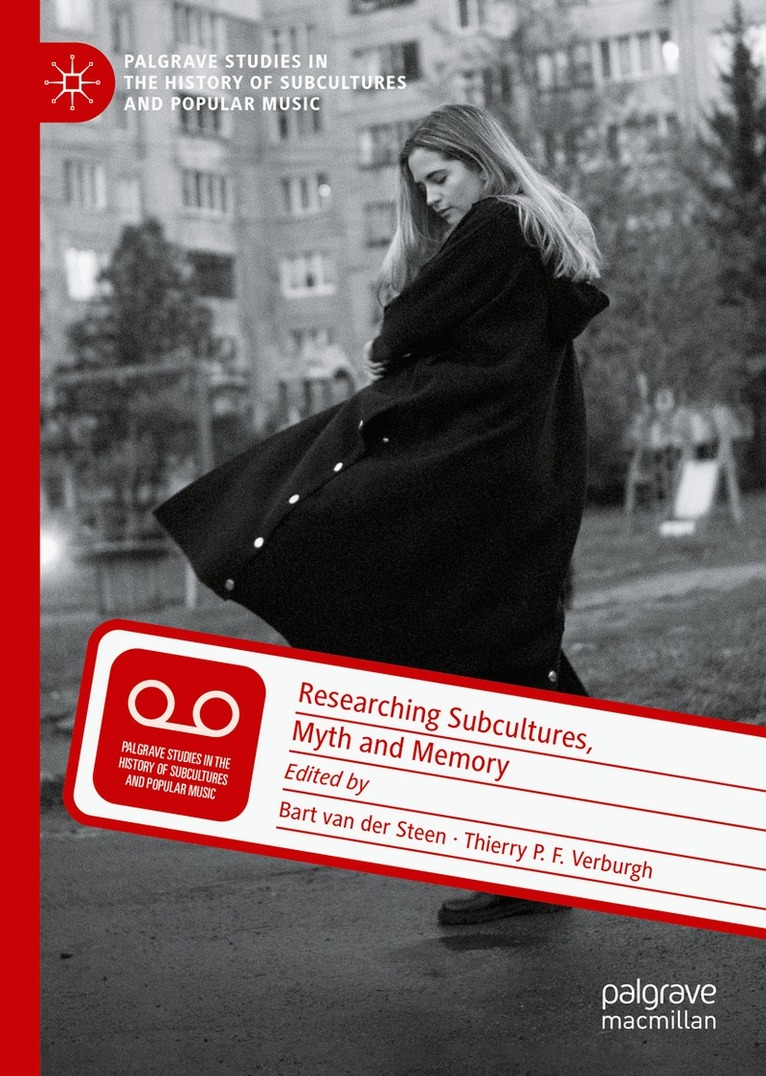
This book brings together contributions that analyse how subcultural myths develop and how they can be studied. Through critical engagement with (history) writing and other sources on subcultures by contemporaries, veterans, popular media and researchers, it aims to establish: how stories and histories of subcultures emerge and become canonized through the process of mythification; which developments and actors are crucial in this process; and finally how researchers like historians, sociologists, and anthropologists should deal with these myths and myth-making processes. By considering these issues and questions in relation to mythmaking, this book provides new insights on how to research the identity, history, and cultural memory of youth subcultures.
E-bok
Engelska, 20201 785 kr
Läs direkt efter köp
This book brings together contributions that analyse how subcultural myths develop and how they can be studied. Through critical engagement with (history) writing and other sources on subcultures by contemporaries, veterans, popular media and researchers, it aims to establish: how stories and histories of subcultures emerge and become canonized through the process of mythification; which developments and actors are crucial in this process; and finally how researchers like historians, sociologists, and anthropologists should deal with these myths and myth-making processes. By considering these issues and questions in relation to mythmaking, this book provides new insights on how to research the identity, history, and cultural memory of youth subcultures.
Häftad, Engelska, 2021
1 336 kr
Skickas inom 10-15 vardagar
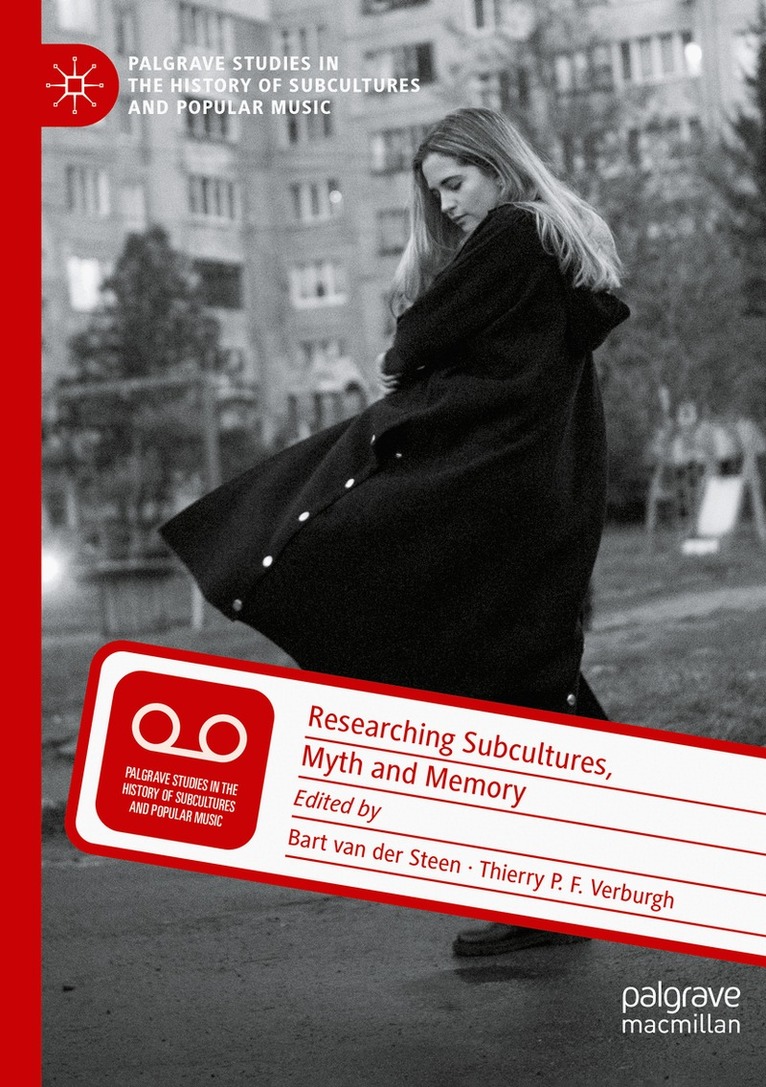
This book brings together contributions that analyse how subcultural myths develop and how they can be studied. Through critical engagement with (history) writing and other sources on subcultures by contemporaries, veterans, popular media and researchers, it aims to establish: how stories and histories of subcultures emerge and become canonized through the process of mythification; which developments and actors are crucial in this process; and finally how researchers like historians, sociologists, and anthropologists should deal with these myths and myth-making processes. By considering these issues and questions in relation to mythmaking, this book provides new insights on how to research the identity, history, and cultural memory of youth subcultures.