Thimmaiah Govindaraju – författare
2 322 kr
Läs direkt efter köp
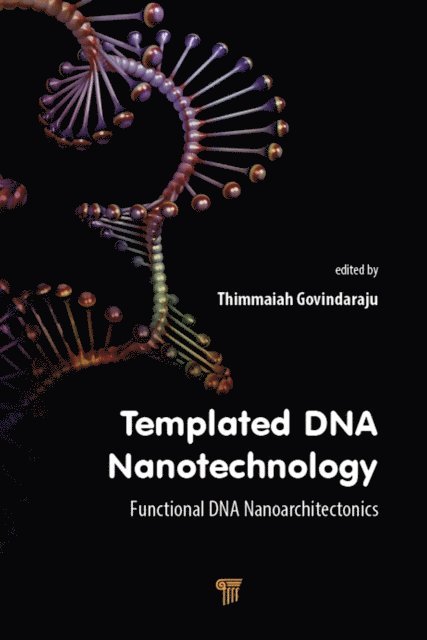
Nucleic acids have structurally evolved over billions of years to effectively store and transfer genetic information. In the 1980s, Nadrian Seeman’s idea of constructing a 3D lattice from DNA led to utilizing DNA as nanomolecular building blocks to create emergent molecular systems and nanomaterial objects. This bottom-up approach to construct nanoscale architectures with DNA marked the beginning of a new field, DNA nanotechnology, contributing significantly to the broad area of nanoscience and nanotechnology. The molecular architectonics of small "designer" molecules and short DNA sequences through complementary binding interaction engenders well-defined functional nanoarchitectures with realistic applications in areas ranging from biology to materials science and is termed "DNA nanoarchitectonics."
This book discusses novel approaches adapted by leading researchers from all over the world to create functional nucleic acid molecular systems and nanoarchitectures. Individual chapters contributed by active practitioners provide fundamental and advanced knowledge emanated from their own and others’ work. Each chapter includes numerous illustrations, historical perspectives, case studies and practical examples, critical discussions, and future prospects. This book can serve as a practical handbook or as a textbook for advanced undergraduate- and graduate-level students of nanotechnology and DNA nanotechnology, supramolecular chemistry, and nanoarchitectonics and researchers working on macromolecular science, nanotechnology, chemistry, biology, and medicine, especially those with an interest in sensors, biosensors, nanoswitches and nanodevices, diagnostics, drug delivery, and therapeutics.
2 407 kr
Läs direkt efter köp
Nucleic acids have structurally evolved over billions of years to effectively store and transfer genetic information. In the 1980s, Nadrian Seeman’s idea of constructing a 3D lattice from DNA led to utilizing DNA as nanomolecular building blocks to create emergent molecular systems and nanomaterial objects. This bottom-up approach to construct nanoscale architectures with DNA marked the beginning of a new field, DNA nanotechnology, contributing significantly to the broad area of nanoscience and nanotechnology. The molecular architectonics of small "designer" molecules and short DNA sequences through complementary binding interaction engenders well-defined functional nanoarchitectures with realistic applications in areas ranging from biology to materials science and is termed "DNA nanoarchitectonics."
This book discusses novel approaches adapted by leading researchers from all over the world to create functional nucleic acid molecular systems and nanoarchitectures. Individual chapters contributed by active practitioners provide fundamental and advanced knowledge emanated from their own and others’ work. Each chapter includes numerous illustrations, historical perspectives, case studies and practical examples, critical discussions, and future prospects. This book can serve as a practical handbook or as a textbook for advanced undergraduate- and graduate-level students of nanotechnology and DNA nanotechnology, supramolecular chemistry, and nanoarchitectonics and researchers working on macromolecular science, nanotechnology, chemistry, biology, and medicine, especially those with an interest in sensors, biosensors, nanoswitches and nanodevices, diagnostics, drug delivery, and therapeutics.
3 640 kr
Skickas inom 5-8 vardagar
1 887 kr
Läs direkt efter köp
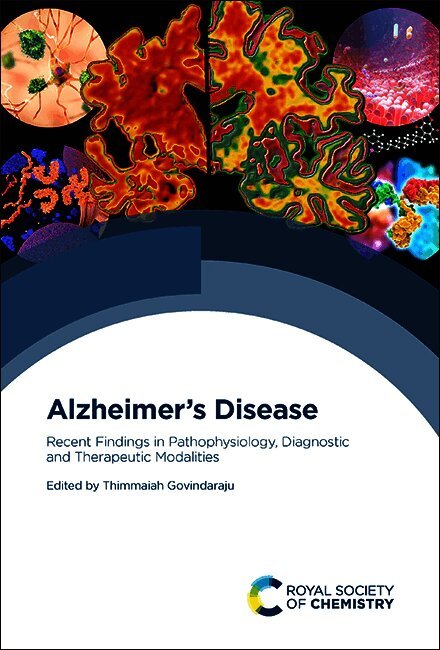
Alzheimer’s disease is an increasingly common form of dementia and despite rising interest in discovery of novel treatments and investigation into aetiology, there are no currently approved treatments that directly tackle the causes of the condition. Due to its multifactorial pathogenesis, current treatments are directed against symptoms and even precise diagnosis remains difficult as the majority of cases are diagnosed symptomatically and usually confirmed only by autopsy. Alzheimer’s Disease: Recent Findings in Pathophysiology, Diagnostic and Therapeutic Modalities provides a comprehensive overview from aetiology and neurochemistry to diagnosis, evaluation and management of Alzheimer''s disease, and latest therapeutic approaches. Intended to provide an introduction to all aspects of the disease and latest developments, this book is ideal for students, postgraduates and researchers in neurochemistry, neurological drug discovery and Alzheimer’s disease.
1 956 kr
Läs direkt efter köp
Alzheimer’s disease is an increasingly common form of dementia and despite rising interest in discovery of novel treatments and investigation into aetiology, there are no currently approved treatments that directly tackle the causes of the condition. Due to its multifactorial pathogenesis, current treatments are directed against symptoms and even precise diagnosis remains difficult as the majority of cases are diagnosed symptomatically and usually confirmed only by autopsy. Alzheimer’s Disease: Recent Findings in Pathophysiology, Diagnostic and Therapeutic Modalities provides a comprehensive overview from aetiology and neurochemistry to diagnosis, evaluation and management of Alzheimer''s disease, and latest therapeutic approaches. Intended to provide an introduction to all aspects of the disease and latest developments, this book is ideal for students, postgraduates and researchers in neurochemistry, neurological drug discovery and Alzheimer’s disease.
1 838 kr
Skickas inom 10-15 vardagar
1 733 kr
Läs direkt efter köp
1 299 kr
Skickas inom 10-15 vardagar
1 972 kr
Skickas inom 10-15 vardagar