Thomas Dahnhardt – författare
Visar alla böcker från författaren . Handla med fri frakt och snabb leverans.
6 produkter
6 produkter
Inbunden, Engelska, 2016
1 201 kr
Skickas inom 5-8 vardagar
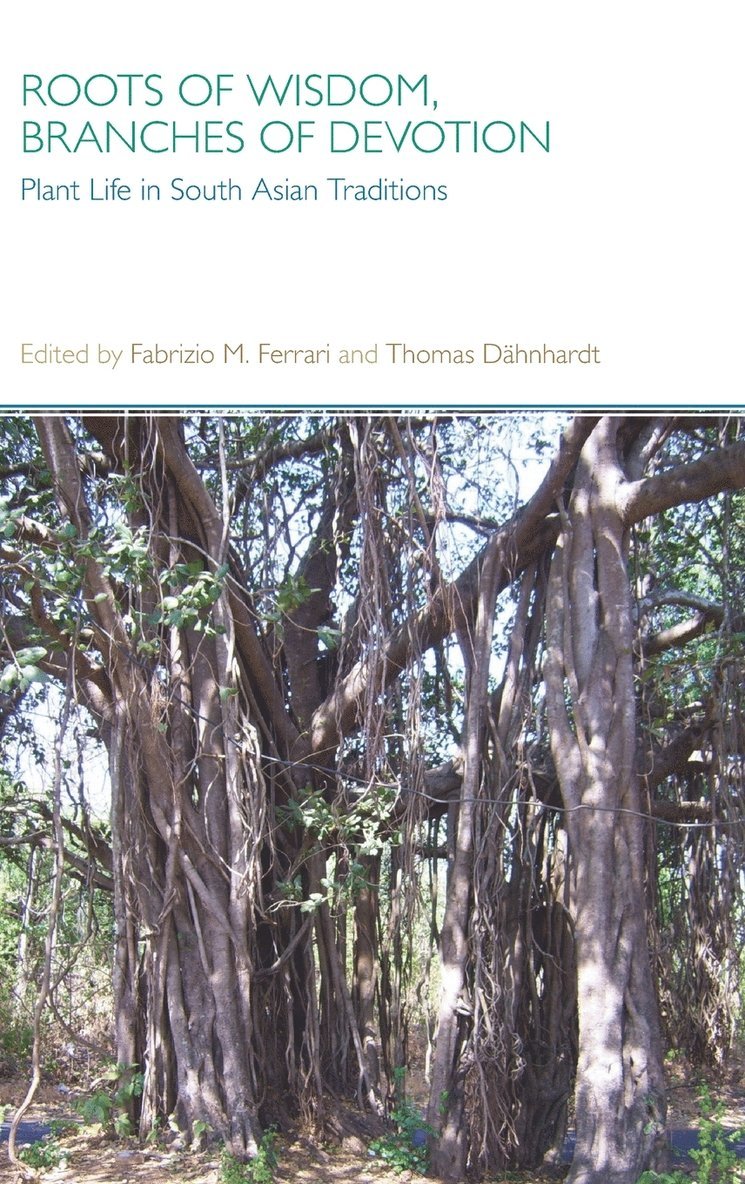
Roots of Wisdom, Branches of Devotion is the natural continuation of the two previous edited collections on animals and minerals in South Asian religions. This volume reflects on plant life in South Asian traditions. It explores the way in which various religious traditions, including Hinduism, Jainism and Buddhism, have represented and reflected upon the botanical environment - the sacred nature of trees and flora, the significance of plants as food and medicine, agriculture and the use of plants in ritual and myth. The volume is multidisciplinary in its approach and includes studies ranging from anthropology, history, religious studies, medicine and medical humanities to folklore, literature, hermeneutics and philosophy.
Häftad, Engelska, 2016
365 kr
Skickas inom 5-8 vardagar
Roots of Wisdom, Branches of Devotion is the natural continuation of the two previous edited collections on animals and minerals in South Asian religions. This volume reflects on plant life in South Asian traditions. It explores the way in which various religious traditions, including Hinduism, Jainism and Buddhism, have represented and reflected upon the botanical environment - the sacred nature of trees and flora, the significance of plants as food and medicine, agriculture and the use of plants in ritual and myth. The volume is multidisciplinary in its approach and includes studies ranging from anthropology, history, religious studies, medicine and medical humanities to folklore, literature, hermeneutics and philosophy.
Inbunden, Engelska, 2016
1 201 kr
Skickas inom 5-8 vardagar
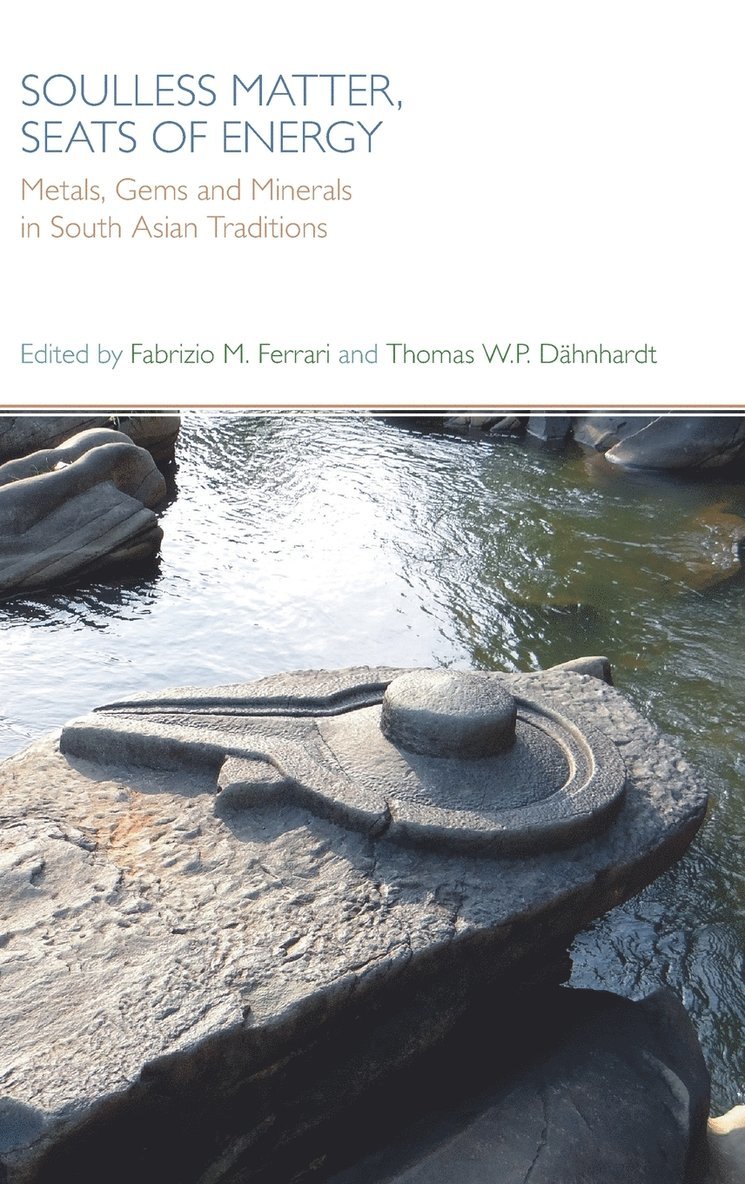
Soulless Matter, Seats of Energy is the natural continuation of the two previous edited collections on animals and plants in South Asian religions. This volume reflects on the mineral world in South Asian traditions. It explores the way in which various religious traditions, including Hinduism, Jainism and Buddhism, have represented and reflected upon the environment - in this case: minerals, gems, metals but also geological formations such as mountains and the earth itself. The volume is multidisciplinary in its approach and includes studies ranging from anthropology, history, religious studies, medicine and medical humanities to folklore, literature, hermeneutics and philosophy.
Häftad, Engelska, 2016
378 kr
Skickas inom 5-8 vardagar
Soulless Matter, Seats of Energy is the natural continuation of the two previous edited collections on animals and plants in South Asian religions. This volume reflects on the mineral world in South Asian traditions. It explores the way in which various religious traditions, including Hinduism, Jainism and Buddhism, have represented and reflected upon the environment - in this case: minerals, gems, metals but also geological formations such as mountains and the earth itself. The volume is multidisciplinary in its approach and includes studies ranging from anthropology, history, religious studies, medicine and medical humanities to folklore, literature, hermeneutics and philosophy.
Inbunden, Engelska, 2013
1 160 kr
Skickas inom 5-8 vardagar
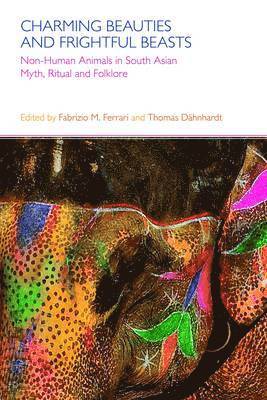
Discussions on non-human animals, other-than-human persons and religion originally emerged within the context of Christian theology, eco-theology and Western-based environmentalism. In response to that, and by adhering to post-modern discourses on, for instance, indigeneity, mimicry and hybridity, the volume explores South Asian cultural manifestations and aspects of localised knowledge in relation to the construction and the Otherisation of the concept of body and behaviour in non-human animals. The study of non-human animals as other-than-human persons (actual animals, but also animal-spirits, animal deities, etc.) has marked a significant shift in the ethics/politics of the academic study of religion. The chapters in this book investigate how South Asian religions, with their sacred narratives, ritualised practices and popular performances, bear witness to the active presence of non-human animals as both culture makers/bearers and symbols of spirituality. Further to that, with bourgeoning debates on religion, indigeneity, eco-theology and environmentalism, the volume urges for a consolidation and promotion of an analysis of the twofold epistemic violence exerted towards animals as subaltern to human animals and to animals in Western and Christian traditions. The book is divided into fifteen chapters, each dealing with non-human animals and the concept of animality in different South Asian traditions, or various aspects of the same tradition. The structure of the book reflects that of what is probably the most popular collection of folk tales on animals in South Asia, the Pancatantra. Like the original text, the volume is divided into five books (tantras) whose single stories (our chapters) act as sub-strings inscribed in larger narrative frames. As in the original Pancatantra, the principal themes of each book are signalled by key words which provide the link between successive narrative cycles. Such a structural arrangement creates the backbone for the main body of the book allowing for an articulate, clear and reasoned discussion of single themes, such as 1) non-human animals as divine portents in situations of imbalance; 2) non-human animals as restorers of order and symbols of cultural identity; 3) non-human animals as exemplary beings and spiritual teachers in sacred narratives; 4) non-human animals as symbols of love and object of human reverence; 5) non-human animals as portents symbolising the life cycle, including its inevitable end. In the conclusion, the editors summarise what has been achieved with this academic 'narrative' and reflect constructively on its outcomes as well as future developments with respect to past and present scholarship.
Häftad, Engelska, 2013
378 kr
Skickas inom 5-8 vardagar
Discussions on non-human animals, other-than-human persons and religion originally emerged within the context of Christian theology, eco-theology and Western-based environmentalism. In response to that, and by adhering to post-modern discourses on, for instance, indigeneity, mimicry and hybridity, the volume explores South Asian cultural manifestations and aspects of localised knowledge in relation to the construction and the Otherisation of the concept of body and behaviour in non-human animals. The study of non-human animals as other-than-human persons (actual animals, but also animal-spirits, animal deities, etc.) has marked a significant shift in the ethics/politics of the academic study of religion. The chapters in this book investigate how South Asian religions, with their sacred narratives, ritualised practices and popular performances, bear witness to the active presence of non-human animals as both culture makers/bearers and symbols of spirituality. Further to that, with bourgeoning debates on religion, indigeneity, eco-theology and environmentalism, the volume urges for a consolidation and promotion of an analysis of the twofold epistemic violence exerted towards animals as subaltern to human animals and to animals in Western and Christian traditions. The book is divided into fifteen chapters, each dealing with non-human animals and the concept of animality in different South Asian traditions, or various aspects of the same tradition. The structure of the book reflects that of what is probably the most popular collection of folk tales on animals in South Asia, the Pancatantra. Like the original text, the volume is divided into five books (tantras) whose single stories (our chapters) act as sub-strings inscribed in larger narrative frames. As in the original Pancatantra, the principal themes of each book are signalled by key words which provide the link between successive narrative cycles. Such a structural arrangement creates the backbone for the main body of the book allowing for an articulate, clear and reasoned discussion of single themes, such as 1) non-human animals as divine portents in situations of imbalance; 2) non-human animals as restorers of order and symbols of cultural identity; 3) non-human animals as exemplary beings and spiritual teachers in sacred narratives; 4) non-human animals as symbols of love and object of human reverence; 5) non-human animals as portents symbolising the life cycle, including its inevitable end. In the conclusion, the editors summarise what has been achieved with this academic 'narrative' and reflect constructively on its outcomes as well as future developments with respect to past and present scholarship.