Thomas Diefenbach – författare
Visar alla böcker från författaren Thomas Diefenbach. Handla med fri frakt och snabb leverans.
17 produkter
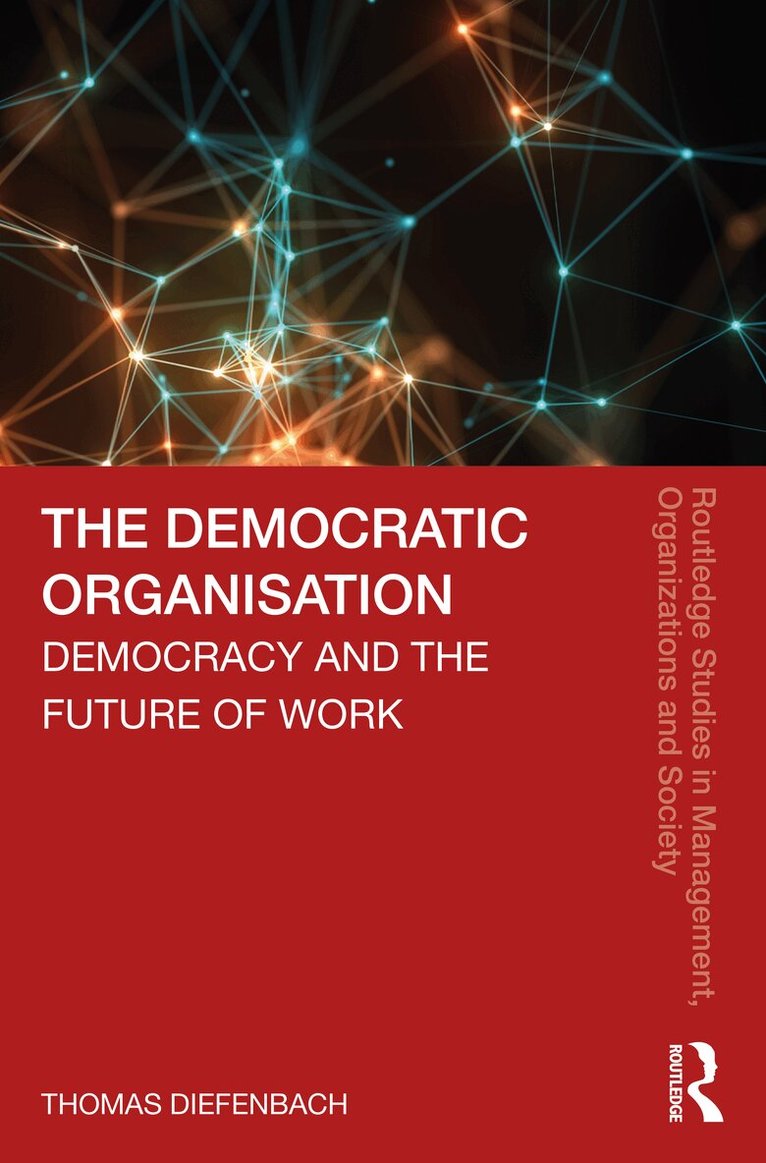
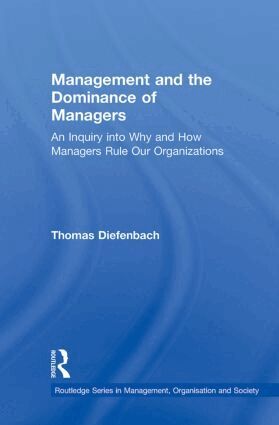
Democratic Organisation
Democracy and the Future of Work
Häftad, 2020
733 kr
Lägg i varukorg
Prevailing models of organisation divide people into owners, managers and employees, forcing especially the latter to obey, to behave, and to function well within a hierarchical and managerial pecking order. However, there is no natural law suggesting the need for such organisations, not in market …
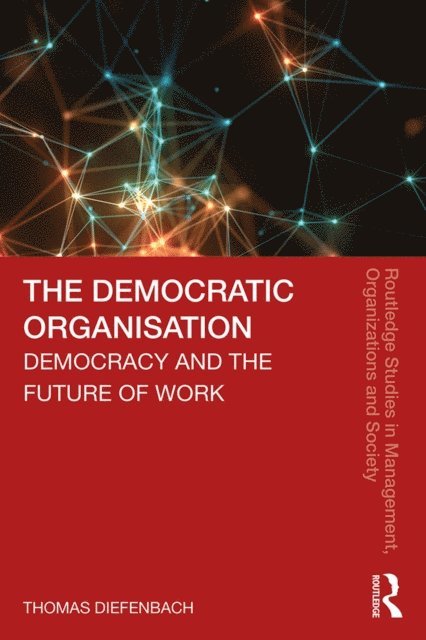
Democratic Organisation
Democracy and the Future of Work
Inbunden, 2020
2504 kr
Lägg i varukorg
Prevailing models of organisation divide people into owners, managers and employees, forcing especially the latter to obey, to behave, and to function well within a hierarchical and managerial pecking order. However, there is no natural law suggesting the need for such organisations, not in market …
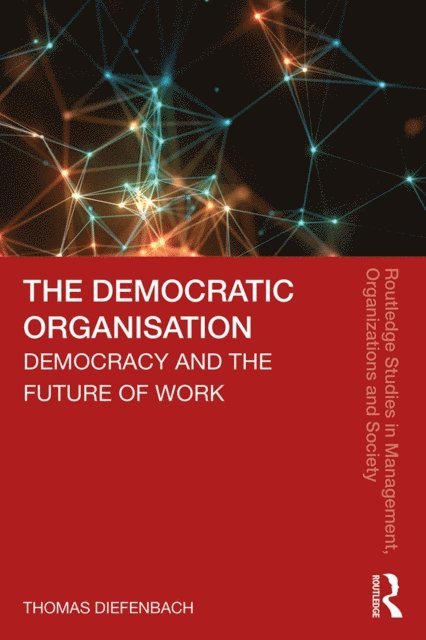
Management and the Dominance of Managers
Inbunden, 2009
1027 kr
Lägg i varukorg
Managers are powerful. The organizations of our time are in essence managerial organizations, even our societies are managerial societies. This book looks behind the portrait of management as value-free ‘technicality’ and challenges the image of managers as the selfless pursuer of an organization’s …
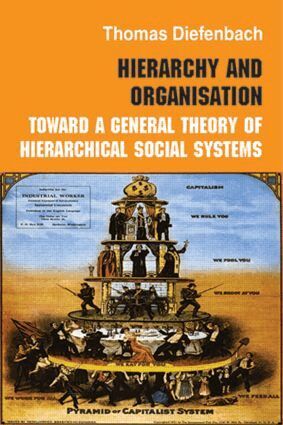
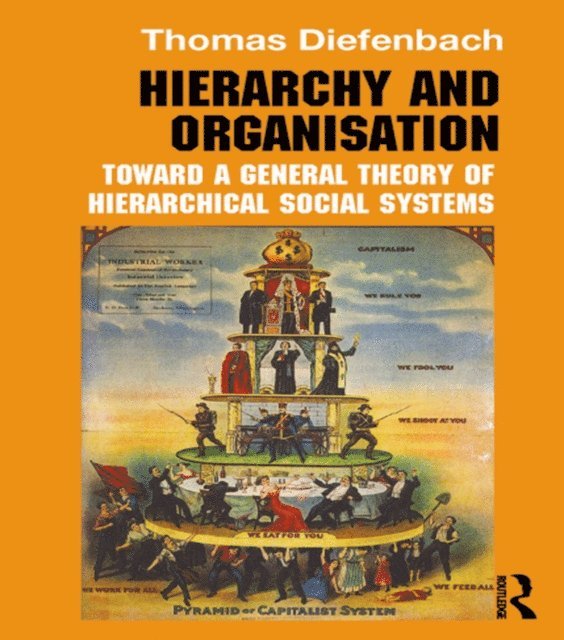
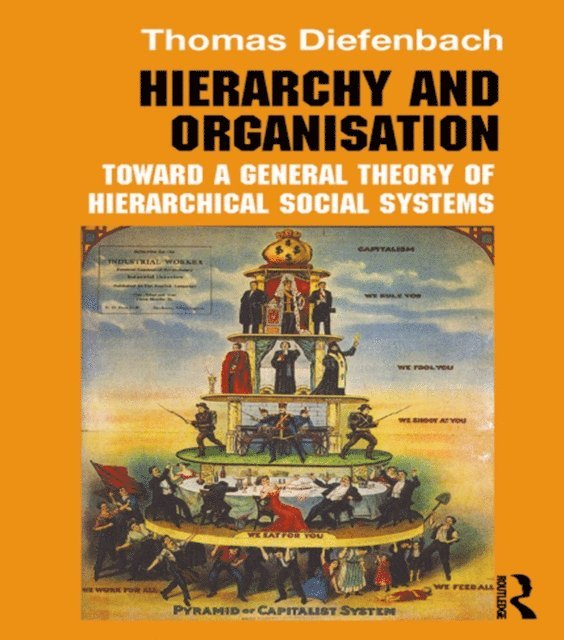
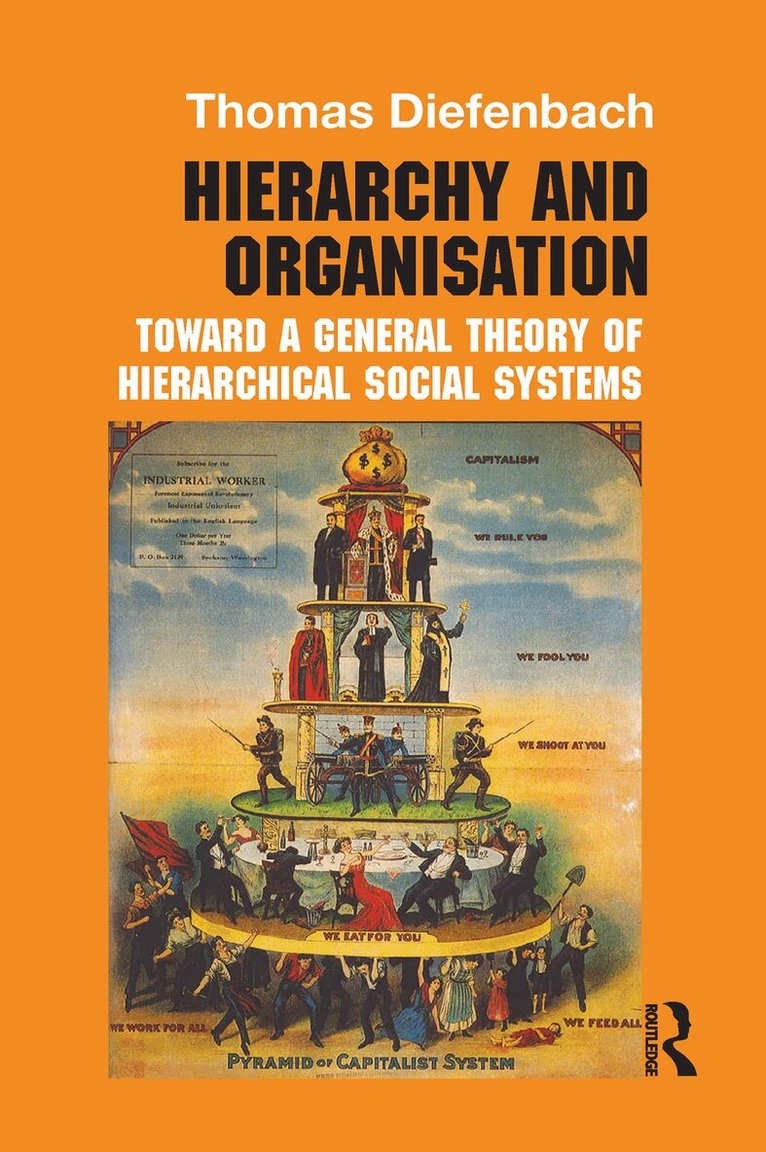
Hierarchy and Organisation
Toward a General Theory of Hierarchical Social Systems
Inbunden, 2013
2736 kr
Lägg i varukorg
Most people take the conditions they work and live in as a given, believing it to be normal that societies are stratified and that organisations are hierarchical. Many even think that this is the way it should be - and are neither willing nor able to think that it could be otherwise. This book …
Management and the Dominance of Managers
Häftad, 2010
426 kr
Lägg i varukorg
Managers are powerful. The organizations of our time are in essence managerial organizations, even our societies are managerial societies. This book looks behind the portrait of management as value-free ‘technicality’ and challenges the image of managers as the selfless pursuer of an organization’s …
Democratic Organisation
Democracy and the Future of Work
E-bok, 2020
892 kr
Lägg i varukorg
Prevailing models of organisation divide people into owners, managers and employees, forcing especially the latter to obey, to behave, and to function well within a hierarchical and managerial pecking order. However, there is no natural law suggesting the need for such organisations, not in market …
Democratic Organisation
Democracy and the Future of Work
E-bok, 2020
873 kr
Lägg i varukorg
Prevailing models of organisation divide people into owners, managers and employees, forcing especially the latter to obey, to behave, and to function well within a hierarchical and managerial pecking order. However, there is no natural law suggesting the need for such organisations, not in market …
Hierarchy and Organisation
Toward a General Theory of Hierarchical Social Systems
E-bok, 2013
1051 kr
Lägg i varukorg
Most people take the conditions they work and live in as a given, believing it to be normal that societies are stratified and that organisations are hierarchical. Many even think that this is the way it should be - and are neither willing nor able to think that it could be otherwise. This book …
Hierarchy and Organisation
Toward a General Theory of Hierarchical Social Systems
E-bok, 2013
1051 kr
Lägg i varukorg
Most people take the conditions they work and live in as a given, believing it to be normal that societies are stratified and that organisations are hierarchical. Many even think that this is the way it should be - and are neither willing nor able to think that it could be otherwise. This book …
Management and the Dominance of Managers
E-bok, 2009
475 kr
Lägg i varukorg
Managers are powerful. The organizations of our time are in essence managerial organizations, even our societies are managerial societies. This book looks behind the portrait of management as value-free ‘technicality’ and challenges the image of managers as the selfless pursuer of an …
Management and the Dominance of Managers
E-bok, 2009
485 kr
Lägg i varukorg
Managers are powerful. The organizations of our time are in essence managerial organizations, even our societies are managerial societies. This book looks behind the portrait of management as value-free ‘technicality’ and challenges the image of managers as the selfless pursuer of an …
Hierarchy and Organisation
Toward a General Theory of Hierarchical Social Systems
Häftad, 2015
907 kr
Lägg i varukorg
Most people take the conditions they work and live in as a given, believing it to be normal that societies are stratified and that organisations are hierarchical. Many even think that this is the way it should be - and are neither willing nor able to think that it could be otherwise. This book …
Reinventing Hierarchy and Bureaucracy
From the Bureau to Network Organizations
Av Thomas Diefenbach, Rune Todnem By
Inbunden, 2012
1388 kr
Lägg i varukorg
This special volume brings together leading scholars in the field of organisation studies to reflect on the universal phenomena of hierarchy (vertical organisation of tasks) and bureaucracy (rule-bound execution of tasks). The result is a colourful kaleidoscope of thought-provoking, critical and …
Reinventing Hierarchy and Bureaucracy
From the Bureau to Network Organizations
Av Rune Todnem By, Thomas Diefenbach
E-bok, 2012
1513 kr
Lägg i varukorg
This special volume brings together leading scholars in the field of organisation studies to reflect on the universal phenomena of hierarchy (vertical organisation of tasks) and bureaucracy (rule-bound execution of tasks). The result is a colourful kaleidoscope of thought-provoking, critical and …
Kritik und Neukonzeption der Allgemeinen Betriebswirtschaftslehre auf sozialwissenschaftlicher Basis
E-bok, 2013
917 kr
Lägg i varukorg
Kritik Und Neukonzeption Der Allgemeinen Betriebswirtschaftslehre Auf Sozialwissenschaftlicher Basis
Häftad, 2003
688 kr
Lägg i varukorg