Inbunden, Engelska, 2023
1 012 kr
Skickas inom 7-10 vardagar
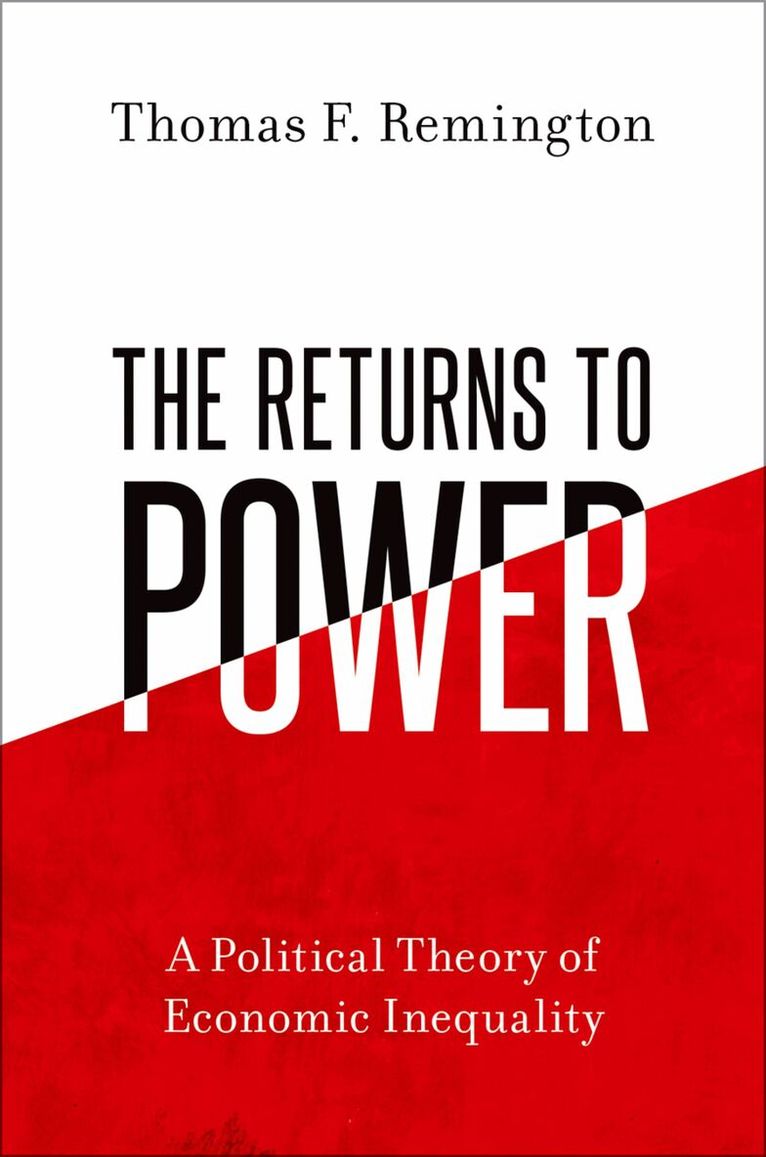
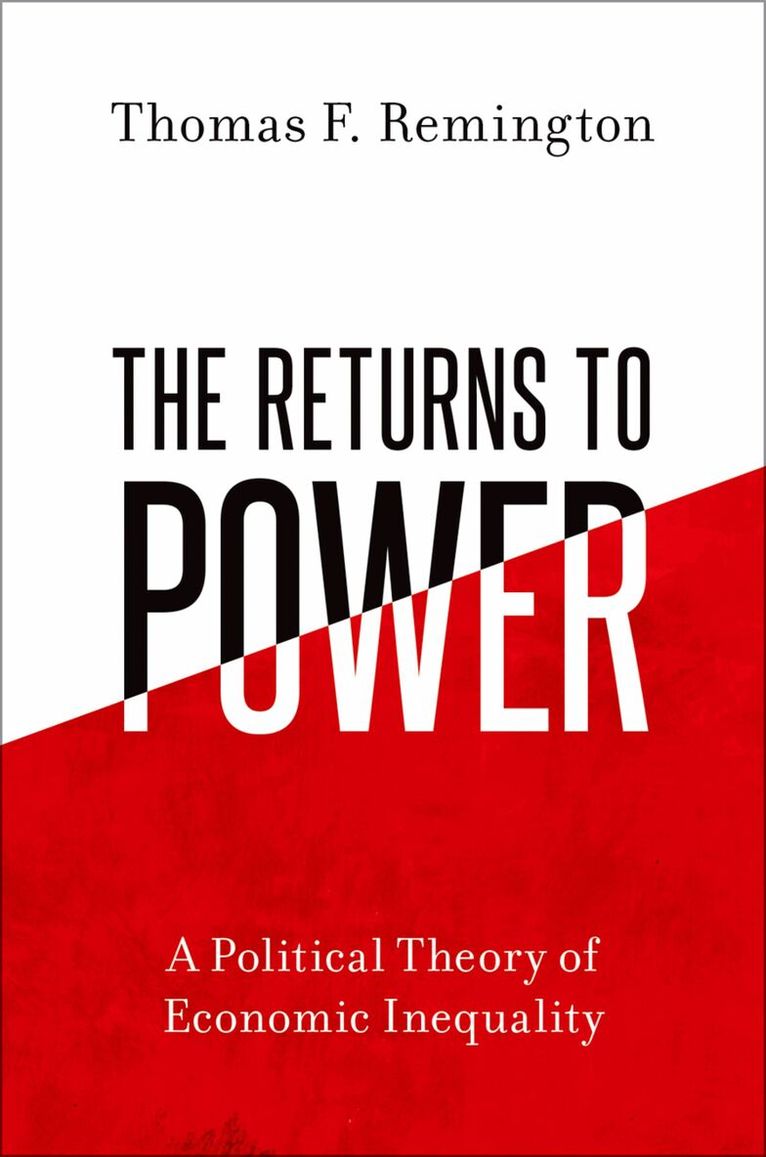
An unconventional perspective on contemporary economic inequality in America and its dangers for democracy, using comparisons with Russia, China and Germany.Since the economic liberalization wave that began in the late 1970s, inequality around the world has skyrocketed. In The Returns to Power, Thomas F. Remington examines the rise of extreme economic inequality in the United States since the late 1970s by drawing comparisons to the effects of market reforms in transition countries such as Russia, China, and Germany. Employing an unconventional comparative framework, he brings together the latest scholarship in economics and political science and draws on Russian, Chinese, and German-language sources. As he shows, the US embraced deregulation and market-based solutions around the same time that China and Russia implemented major privatization and liberalization reforms. The long-term result was increasing inequality in all three nations. To illustrate why, Remington contrasts the effects of these policies with the postwar economic recovery program in Germany, which succeeded in protecting market competition within the framework of a social market economy that provides widely shared prosperity, high growth, and robust democracy. The book concludes with an analysis of the political dangers posed by high inequality and calls for a new public philosophy of liberal capitalism and liberal democracy that would restore political equality and inclusive growth by strengthening political and market competition, expanding the provision of public goods, and broadening social insurance protection. An ambitious account of why political and economic inequality has increased so much in recent times, The Returns to Power's emphasis on policy variation across democracies also reminds us that it did not have to turn out this way.