Thomas Fleiner – författare
Visar alla böcker från författaren Thomas Fleiner. Handla med fri frakt och snabb leverans.
11 produkter
Routledge Handbook of Constitutional Law
Av Mark Tushnet, Thomas Fleiner m. fl.
Inbunden, 2012
3898 kr
Lägg i varukorg
The Routledge Handbook of Constitutional Law is an advanced level reference work which surveys the current state of constitutional law. Featuring new, specially commissioned papers by a range of leading scholars from around the world, it offers a comprehensive overview of the field as well as …
Routledge Handbook of Constitutional Law
Av Mark Tushnet, Thomas Fleiner m. fl.
E-bok, 2013
1013 kr
Lägg i varukorg
The Routledge Handbook of Constitutional Law is an advanced level reference work which surveys the current state of constitutional law. Featuring new, specially commissioned papers by a range of leading scholars from around the world, it offers a comprehensive overview of the field as well as …
Routledge Handbook of Constitutional Law
Av Mark Tushnet, Thomas Fleiner m. fl.
E-bok, 2013
1036 kr
Lägg i varukorg
The Routledge Handbook of Constitutional Law is an advanced level reference work which surveys the current state of constitutional law. Featuring new, specially commissioned papers by a range of leading scholars from around the world, it offers a comprehensive overview of the field as well as …
Routledge Handbook of Constitutional Law
Av Mark Tushnet, Thomas Fleiner m. fl.
Häftad, 2015
879 kr
Lägg i varukorg
The Routledge Handbook of Constitutional Law is an advanced level reference work which surveys the current state of constitutional law. Featuring new, specially commissioned papers by a range of leading scholars from around the world, it offers a comprehensive overview of the field as well as …
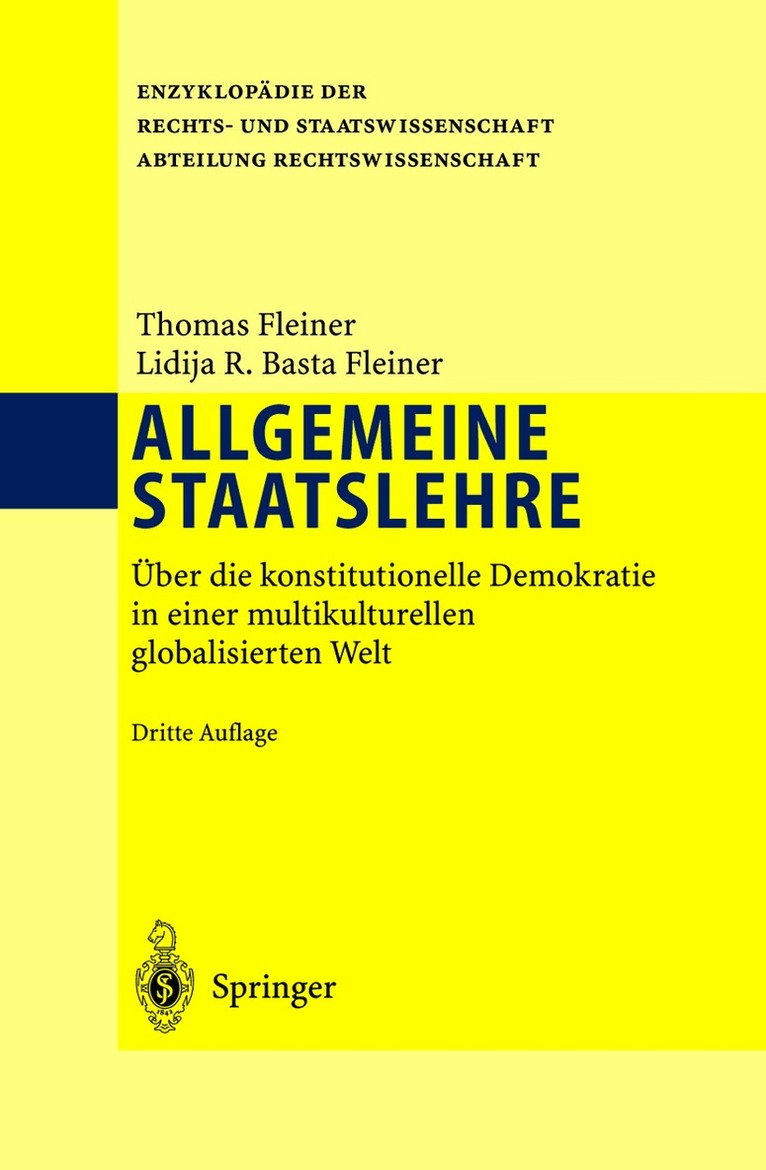
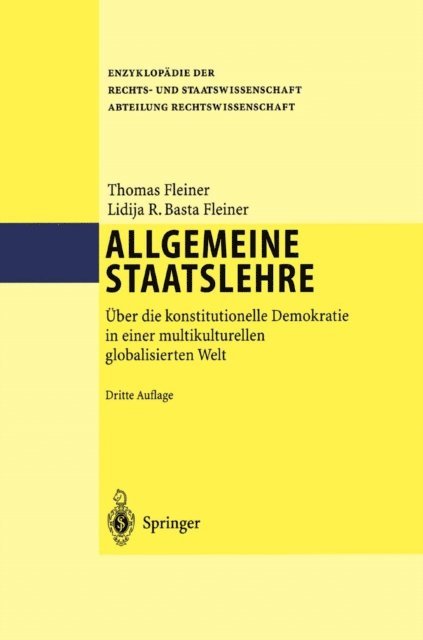
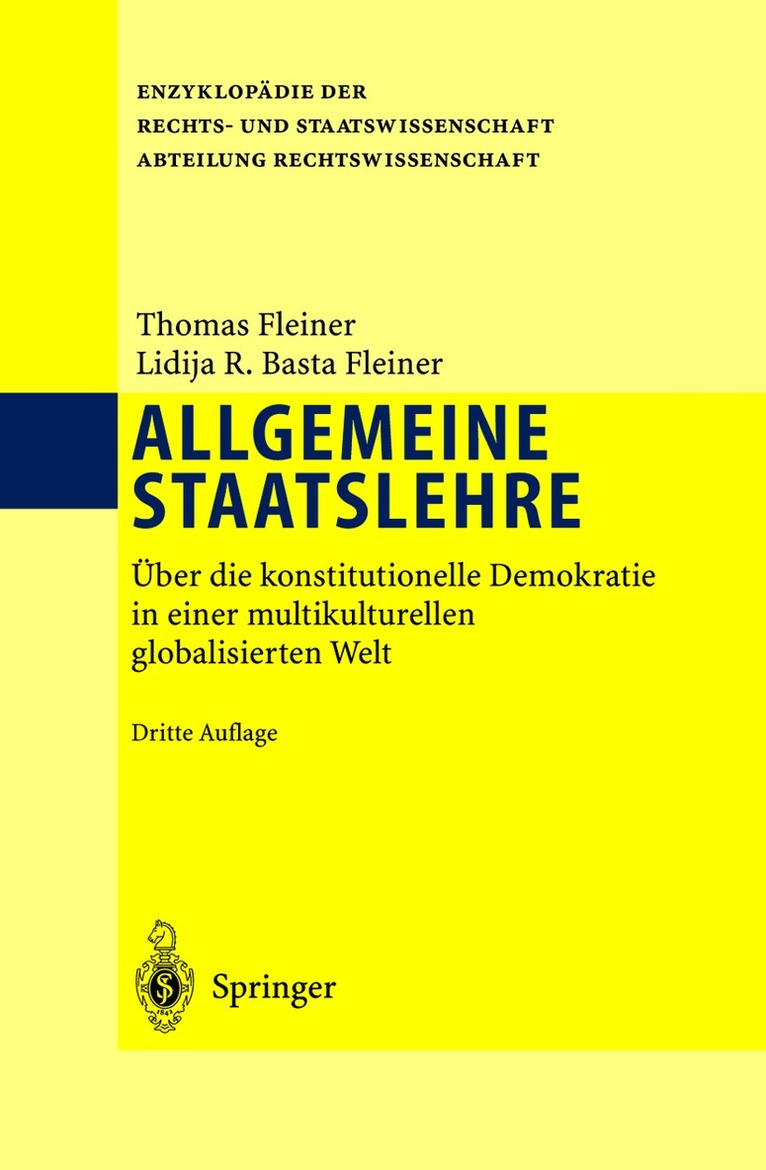
Allgemeine Staatslehre
Über die konstitutionelle Demokratie in einer multikulturellen globalisierten Welt
Av Thomas Fleiner, Lidija Basta Fleiner
Inbunden, 2003
849 kr
Lägg i varukorg
Diese Staatslehre nimmt Bezug auf die seit 1989 veränderte Weltordnung. Sie setzt sich mit den Problemen der Legitimation des marginalisierten Nationalstaats angesicht der Herausforderungen der globalisierten Weltordnung auseinander. Behandelte Themen sind u.a. die Universalität der Menschenrechte, …
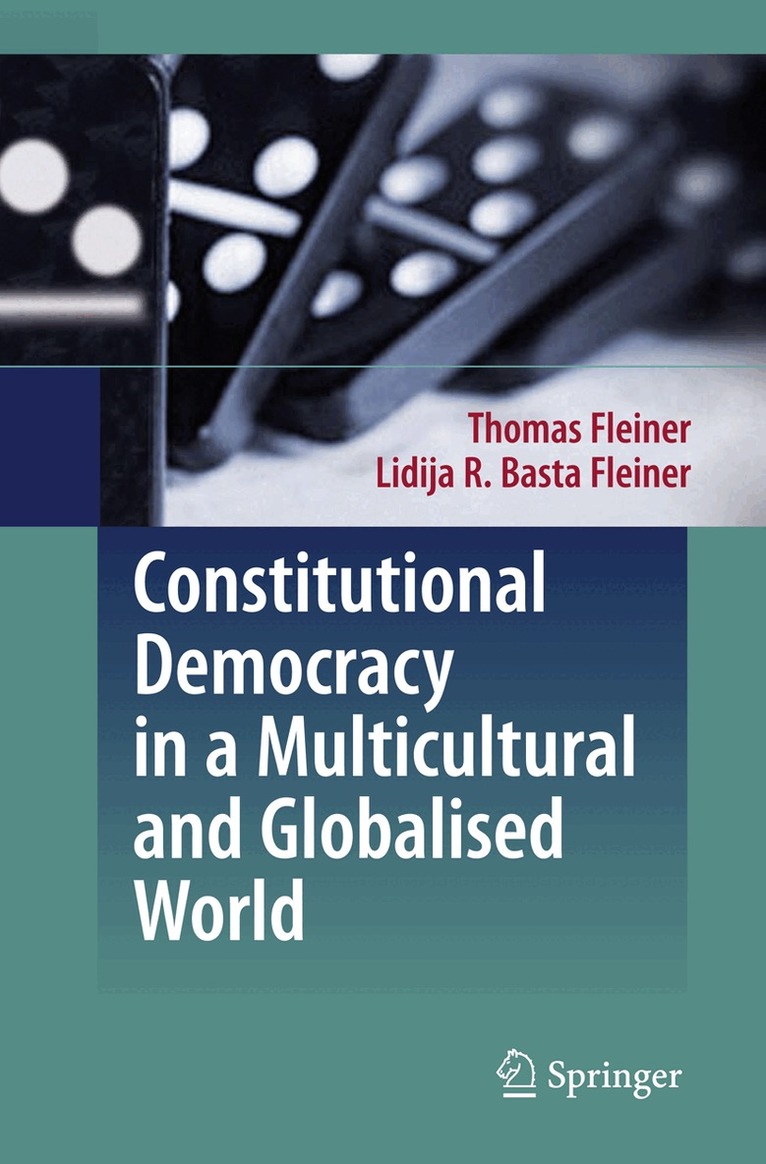
Constitutional Democracy in a Multicultural and Globalised World
Av Thomas Fleiner, Lidija Basta Fleiner
Inbunden, 2009
1096 kr
Lägg i varukorg
After World War II, states transformed into ‘collective fortresses’ in order to protect competing ideological systems. The debate on post-modern statehood heavily built on ideological disputes between liberalism and communism, over the nature of the economic and social system, and the state and …
Constitutional Democracy in a Multicultural and Globalised World
Av Lidija Basta Fleiner, Thomas Fleiner
E-bok, 2009
1342 kr
Lägg i varukorg
After World War II, states transformed into ‘collective fortresses’ in order to protect competing ideological systems. The debate on post-modern statehood heavily built on ideological disputes between liberalism and communism, over the nature of the economic and social system, and the state and …
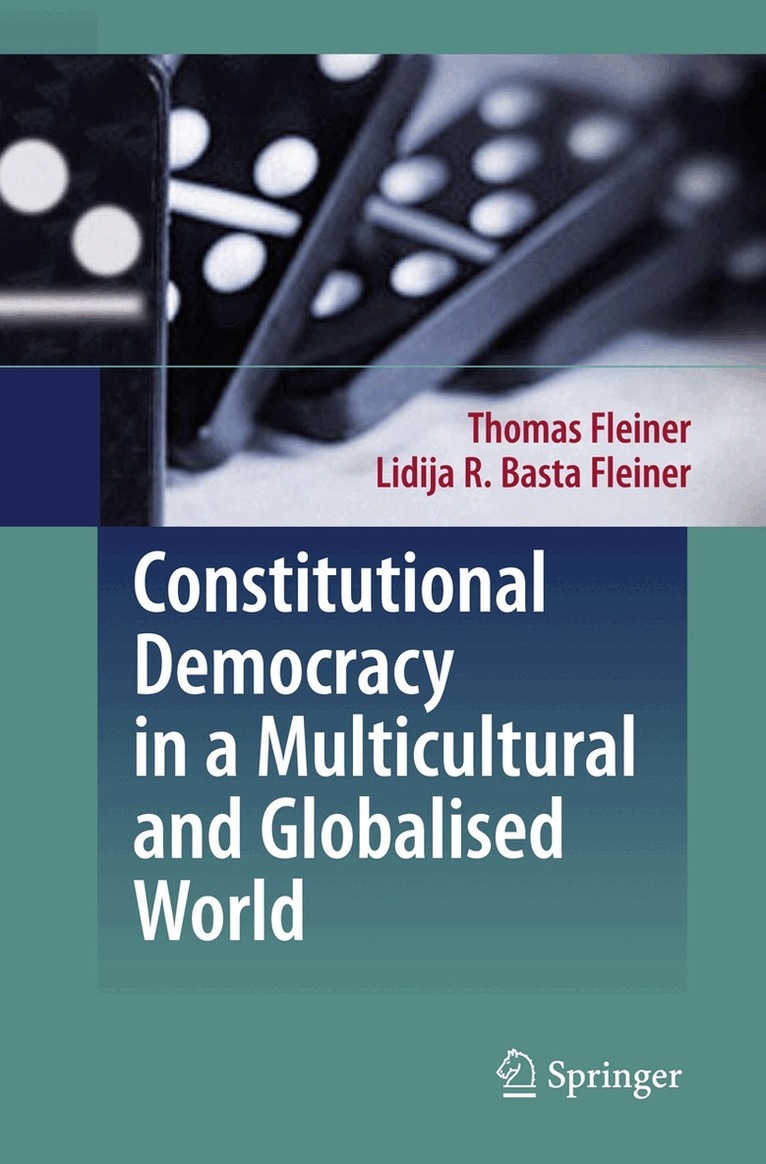
Constitutional Democracy in a Multicultural and Globalised World
Av Thomas Fleiner, Lidija Basta Fleiner
Häftad, 2010
1209 kr
Lägg i varukorg
After World War II, states transformed into ‘collective fortresses’ in order to protect competing ideological systems. The debate on post-modern statehood heavily built on ideological disputes between liberalism and communism, over the nature of the economic and social system, and the state and …
Allgemeine Staatslehre
Über die konstitutionelle Demokratie in einer multikulturellen globalisierten Welt
Av Lidija Basta Fleiner, Thomas Fleiner
E-bok, 2013
880 kr
Lägg i varukorg
Allgemeine Staatslehre
Über die konstitutionelle Demokratie in einer multikulturellen globalisierten Welt
Av Thomas Fleiner, Lidija Basta Fleiner
Häftad, 2012
943 kr
Lägg i varukorg
Diese Staatslehre nimmt Bezug auf die seit 1989 veränderte Weltordnung. Sie setzt sich mit den Problemen der Legitimation des marginalisierten Nationalstaats angesicht der Herausforderungen der globalisierten Weltordnung auseinander. Behandelte Themen sind u.a. die Universalität der Menschenrechte, …
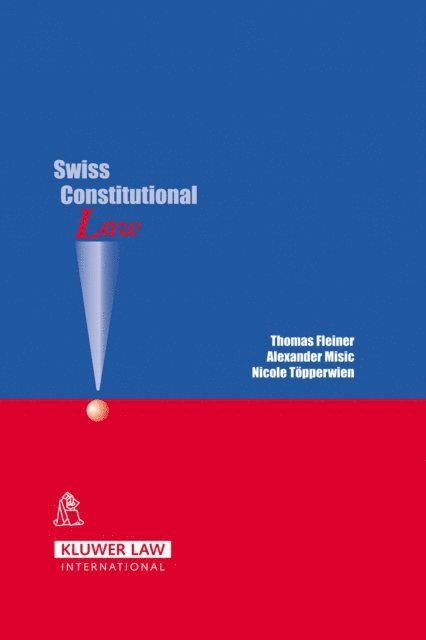
Swiss Constitutional Law
Av Alexander Misic, Thomas Fleiner
E-bok, 2005
1567 kr
Lägg i varukorg
Switzerland is not only one of the oldest democracies in the world, but also an enduring model of a peaceful multiethnic polity, characterized by a Constitution which is in constant flux. The new Federal Constitution of the Swiss Confederation took effect on 1 January 2000, and it is with the …