Thomas Huang – författare
Visar alla böcker från författaren Thomas Huang. Handla med fri frakt och snabb leverans.
7 produkter
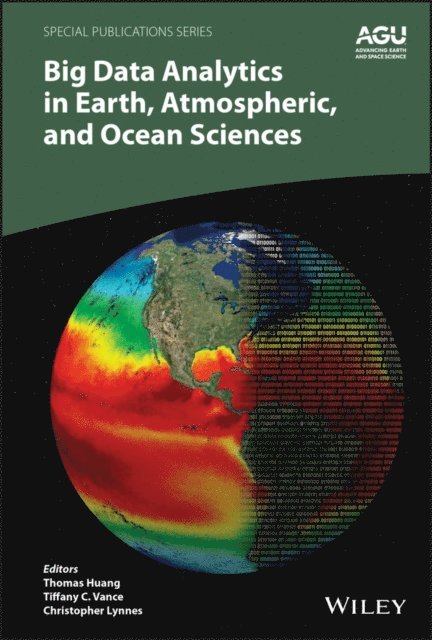
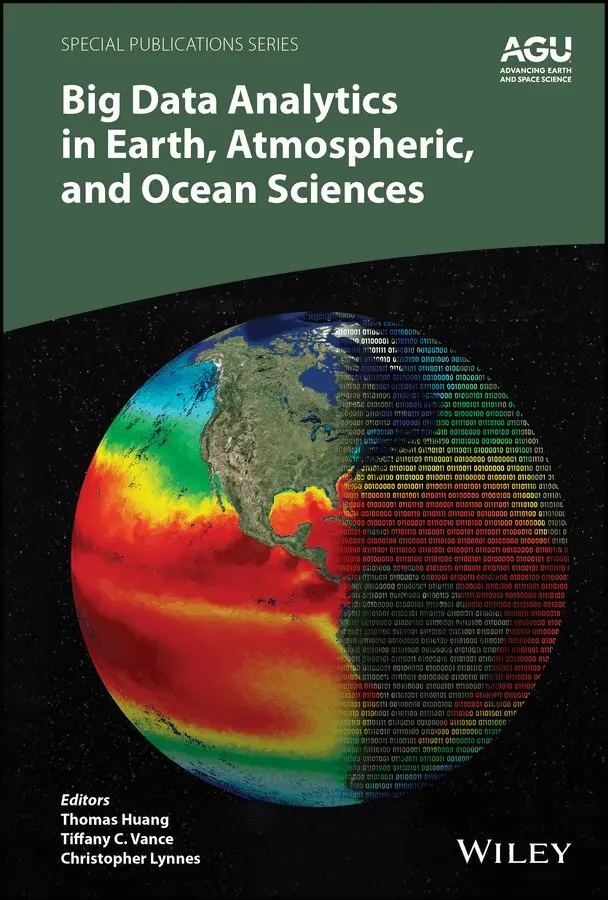
Big Data Analytics in Earth, Atmospheric, and Ocean Sciences
Av Christopher Lynnes, Tiffany C. Vance m. fl.
E-bok, 2022
2313 kr
Lägg i varukorg
Applying tools for data analysis to the rapidly increasing volume of data about the Earth An ever-increasing volume of Earth data is being gathered. These data are “big” not only in size but also in their complexity, different formats, and varied scientific disciplines. As such, big data are …
Big Data Analytics in Earth, Atmospheric, and Ocean Sciences
Av Christopher Lynnes, Tiffany C. Vance m. fl.
E-bok, 2022
2313 kr
Lägg i varukorg
Applying tools for data analysis to the rapidly increasing volume of data about the Earth An ever-increasing volume of Earth data is being gathered. These data are “big” not only in size but also in their complexity, different formats, and varied scientific disciplines. As such, big data are …
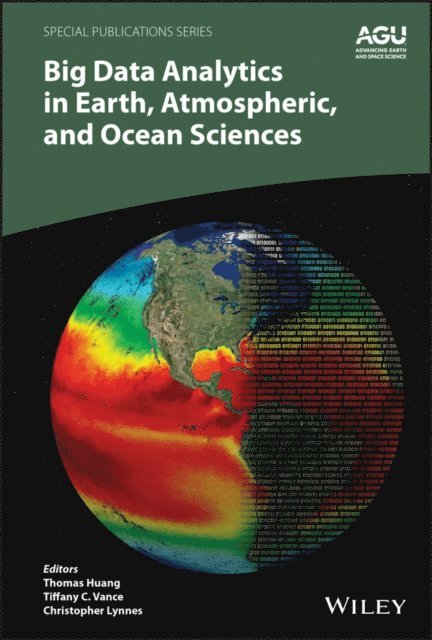
Big Data Analytics in Earth, Atmospheric, and Ocean Sciences
Av Thomas Huang, Tiffany C. Vance m. fl.
Inbunden, 2022
2005 kr
Lägg i varukorg
Applying tools for data analysis to the rapidly increasing volume of data about the EarthAn ever-increasing volume of Earth data is being gathered. These data are “big” not only in size but also in their complexity, different formats, and varied scientific disciplines. As such, big data are …
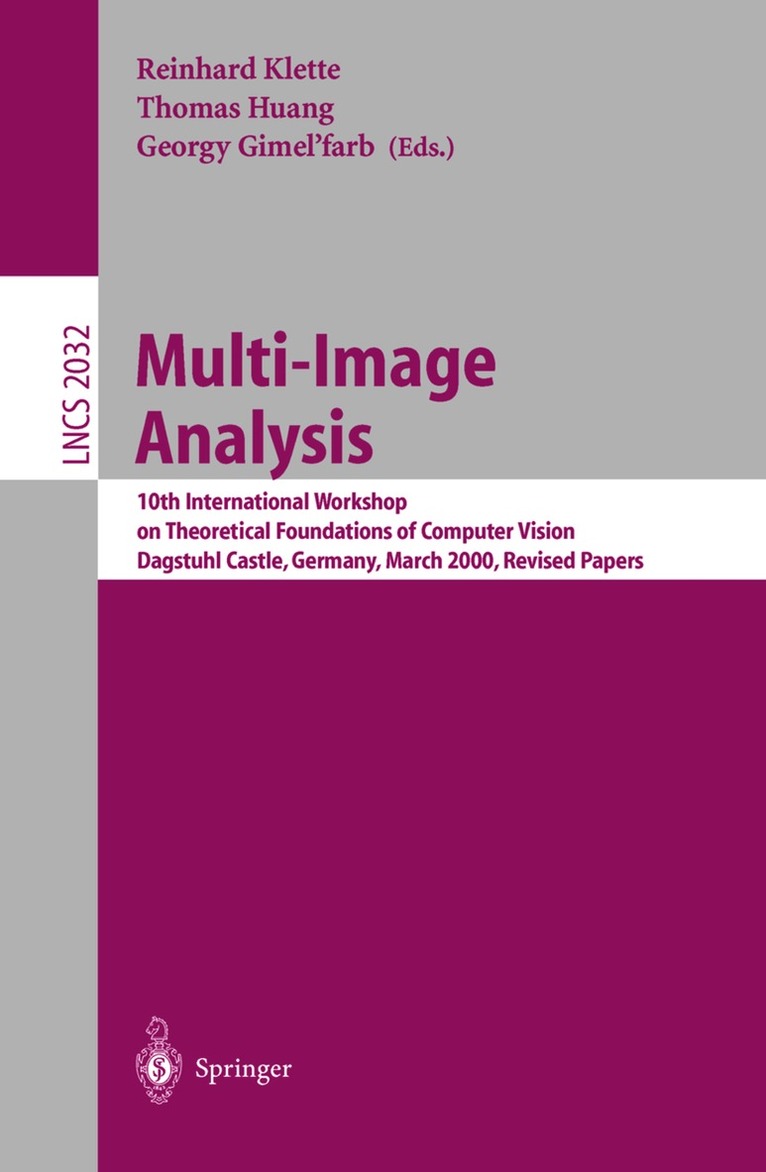
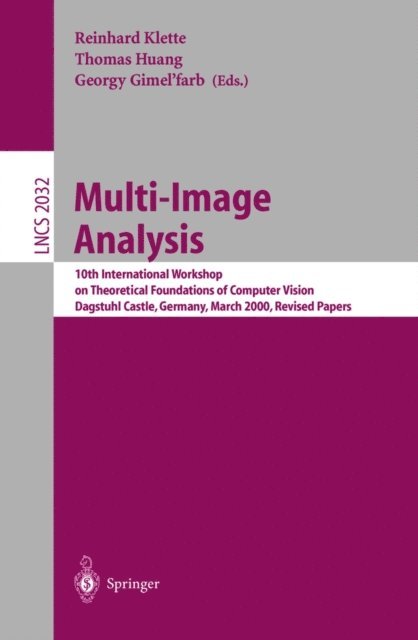
Multi-Image Analysis
10th International Workshop on Theoretical Foundations of Computer Vision Dagstuhl Castle, Germany, March 12-17, 2000 Revised Papers
Av Reinhard Klette, Thomas Huang m. fl.
Häftad, 2001
567 kr
Lägg i varukorg
This book constitutes the thoroughly refereed post-proceedings of the 10th International Workshop on Theoretical Foundations of Computer Vision, held at Dagstuhl Castle, Germany, in March 2000.The 20 revised full papers presented have been through two rounds of reviewing, selection, and revision …
Multi-Image Analysis
10th International Workshop on Theoretical Foundations of Computer Vision Dagstuhl Castle, Germany, March 12-17, 2000 Revised Papers
Av Georgy Gimel'farb, Thomas Huang m. fl.
E-bok, 2003
755 kr
Lägg i varukorg
This book constitutes the thoroughly refereed post-proceedings of the 10th International Workshop on Theoretical Foundations of Computer Vision, held at Dagstuhl Castle, Germany, in March 2000. The 20 revised full papers presented have been through two rounds of reviewing, selection, and revision …
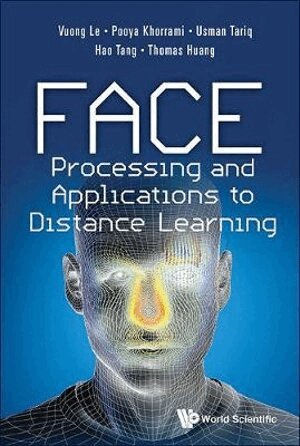
FACE PROCESSING AND APPLICATIONS TO DISTANCE LEARNING
Av Vuong Le, Pooya Khorrami m. fl.
Inbunden, 2016
1106 kr
Lägg i varukorg
This special compendium provides a concise and unified vision of facial image processing. It addresses a collection of state-of-the-art techniques, covering the most important areas for facial biometrics and behavior analysis. These techniques also converge to serve an emerging practical …
Big Data Analytics in Earth, Atmospheric and Ocean Sciences
Av Thomas Huang, Tiffany C. Vance m. fl.
2022
2364 kr
Tillfälligt slut