Thomas Kwasi Tieku - Böcker
Visar alla böcker från författaren Thomas Kwasi Tieku. Handla med fri frakt och snabb leverans.
4 produkter
4 produkter
2 096 kr
Skickas inom 10-15 vardagar
This interdisciplinary book brings together innovative chapters that address the entire spectrum of the African peacebuilding landscape and showcases findings from original studies on peacebuilding. With a range of perspectives, the chapters cover the full gamut of peacebuilding (i.e. the continuum between conflict prevention and post-war reconstruction) and address both micro and macro peacebuilding issues in the five regions of Africa. Moving beyond the tendency to focus on a single case study or few case studies in peacebuilding scholarship, the chapters examine critical peacebuilding issues at the local, state, regional, extra-regional, and continental levels in Africa. This book will be of key interest to scholars and students of African politics, peace and security studies, regional organizations, development studies, state-building, and more broadly to international relations, public policy, diplomacy, international organizations, and the wider social sciences.
613 kr
Skickas inom 10-15 vardagar
This interdisciplinary book brings together innovative chapters that address the entire spectrum of the African peacebuilding landscape and showcases findings from original studies on peacebuilding. With a range of perspectives, the chapters cover the full gamut of peacebuilding (i.e. the continuum between conflict prevention and post-war reconstruction) and address both micro and macro peacebuilding issues in the five regions of Africa. Moving beyond the tendency to focus on a single case study or few case studies in peacebuilding scholarship, the chapters examine critical peacebuilding issues at the local, state, regional, extra-regional, and continental levels in Africa. This book will be of key interest to scholars and students of African politics, peace and security studies, regional organizations, development studies, state-building, and more broadly to international relations, public policy, diplomacy, international organizations, and the wider social sciences.
1 142 kr
Skickas inom 10-15 vardagar
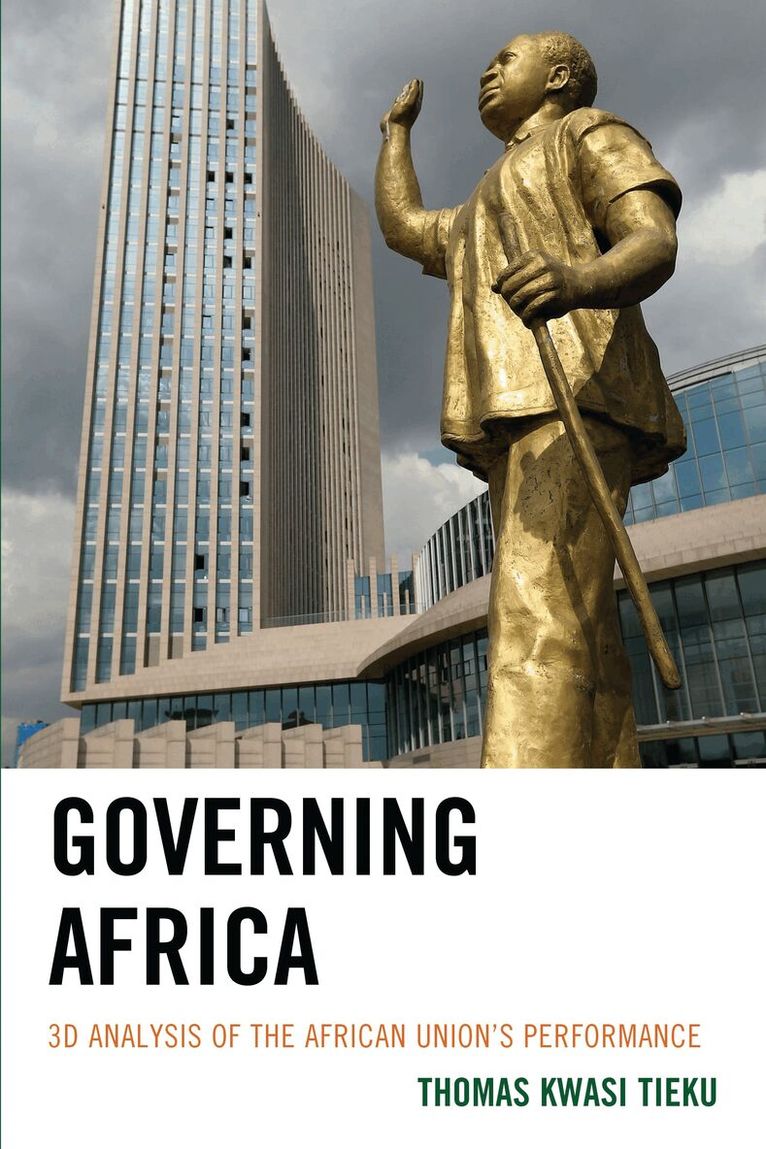
The African Union (AU) is the leading international organization on the African continent. Established in 2001, it consists of fifty-four members, a ten-member Commission, political organs, such as the Assembly, Pan-African Parliament, and a body where civil society groups are represented. The AU seeks the political and socio-economic integration of the African continent and has emerged as a key player in international politics.Since its creation, the AU has tackled a wide range of issues, including health epidemics (Ebola), undemocratic change of governments, gender inequality, wars, poverty and climate change. It has also led military interventions in Burundi, Comoros, Sudan, and Somalia and adopted key legal instruments to prevent transnational terrorism, bad governance, human rights abuses, corruption and promoted economic development.Governing Africa shows how the AU has faced these challenges by providing a comprehensive and critical examination of AU's performance and role, explaining the innovative and homegrown solutions it has developed in the last decade. Going beyond the traditional security-centric discussion of AU, it analyzes other equally important issues that the AU has dealt with, such as human rights and democracy promotion. For those interested in global studies, the 3D model advanced in this book provides excellent theoretical model for studying IOs anywhere in the world. The first book to deal with the AU as a multi-dimensional, dynamic political organization, Governing Africa takes stock of AU’s successes and failures in its first decade.
488 kr
Skickas inom 10-15 vardagar
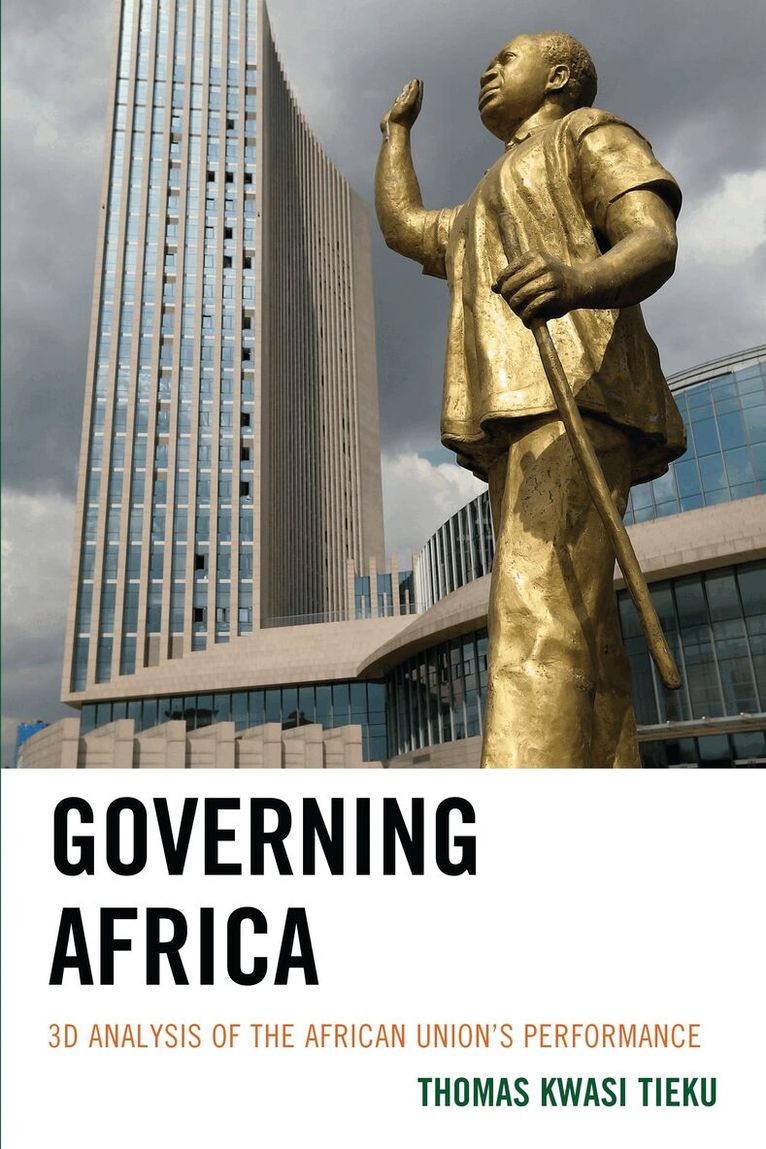
The African Union (AU) is the leading international organization on the African continent. Established in 2001, it consists of fifty-four members, a ten-member Commission, political organs, such as the Assembly, Pan-African Parliament, and a body where civil society groups are represented. The AU seeks the political and socio-economic integration of the African continent and has emerged as a key player in international politics.Since its creation, the AU has tackled a wide range of issues, including health epidemics (Ebola), undemocratic change of governments, gender inequality, wars, poverty and climate change. It has also led military interventions in Burundi, Comoros, Sudan, and Somalia and adopted key legal instruments to prevent transnational terrorism, bad governance, human rights abuses, corruption and promoted economic development.Governing Africa shows how the AU has faced these challenges by providing a comprehensive and critical examination of AU's performance and role, explaining the innovative and homegrown solutions it has developed in the last decade. Going beyond the traditional security-centric discussion of AU, it analyzes other equally important issues that the AU has dealt with, such as human rights and democracy promotion. For those interested in global studies, the 3D model advanced in this book provides excellent theoretical model for studying IOs anywhere in the world. The first book to deal with the AU as a multi-dimensional, dynamic political organization, Governing Africa takes stock of AU’s successes and failures in its first decade.