Thomas McKelvey Cleaver - Böcker
Visar alla böcker från författaren Thomas McKelvey Cleaver. Handla med fri frakt och snabb leverans.
18 produkter
18 produkter
307 kr
Skickas inom 7-10 vardagar
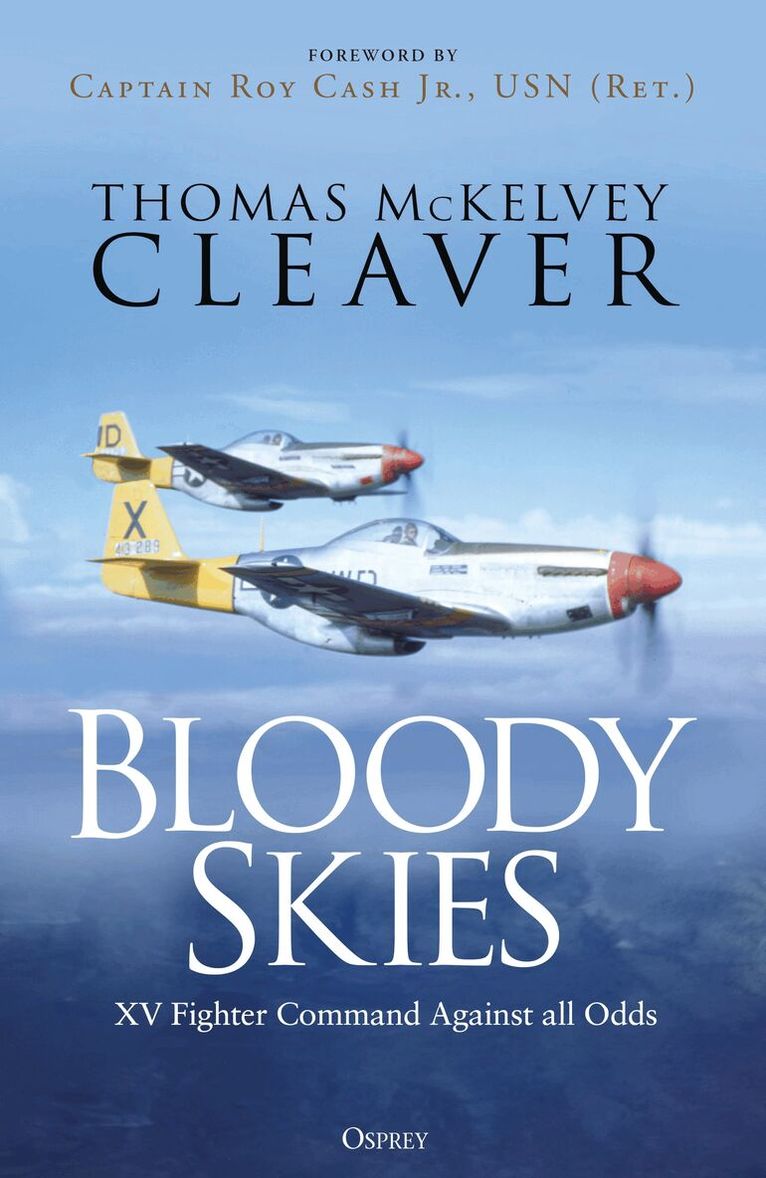
This book details the operations of the USAAF’s overlooked XV Fighter Command that protected the bombers during the campaign against the Romanian oil fields in World War II.Formed in the fall of 1943, the Fifteenth Air Force was popularly known as the “The Forgotten Fifteenth,” as its achievements were overshadowed by more glamorous exploits of the Eighth Air Force in the air war over Germany. Nevertheless, the Fifteenth’s contribution to Allied victory was crucial, and a vital part of that was the role played by the escorting fighter groups from the XV Fighter Command who protected the B-17s and B-24s from the Luftwaffe in the skies over Romania.In this new history of the campaign, renowned aviation historian Tom Cleaver tells the story of the Fifteenth’s air war through first-person accounts of the fighter pilots of the Fifteenth Fighter Command, including such famous units as the Red Tails – the Tuskegee Airmen – the 82nd Fighter Group and the 325th’s “Checkertail Clan,” and with his ability to place wartime events in their greater context.
198 kr
Skickas inom 10-15 vardagar
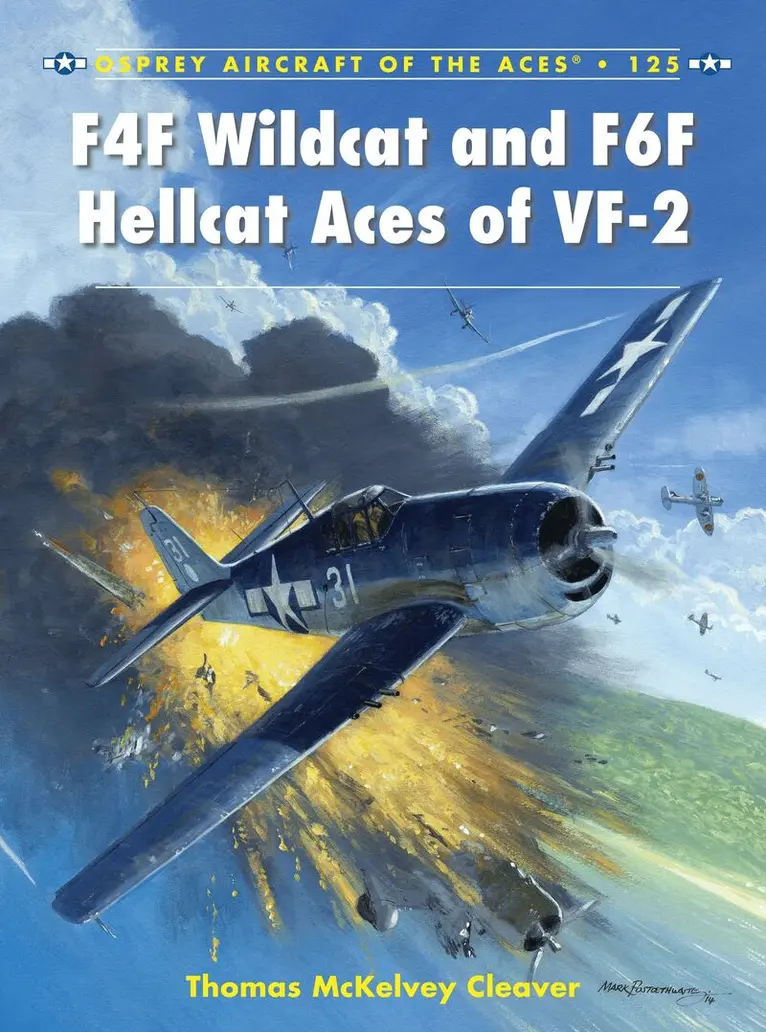
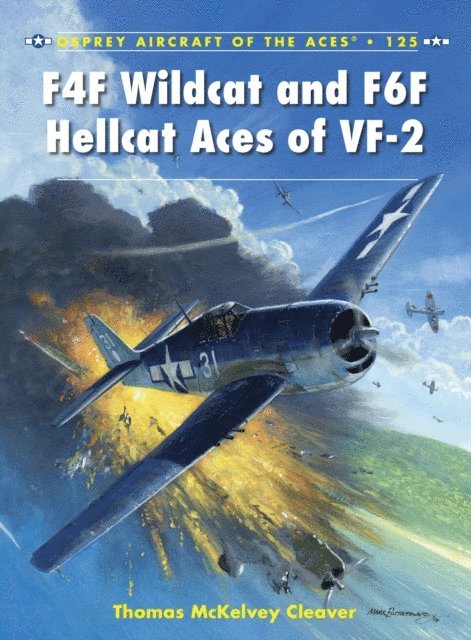
An illustrated history of the pilots of VF-2 who had a spectacular scoring rate and fought in many of the major aerial campaigns of the Pacific War.The first VF-2 was a prewar unit that had been dubbed the ‘hottest outfit afloat’ due to the skill of their non-commissioned pilots. This first unit only saw combat at the Battle of the Coral Sea, although VF-2 pilots flying Grumman F4F Wildcats were able to rack up 17 claims there during the bitter 48-hour period of fighting.The second ‘Fighting Two’ was armed with the new Grumman F6F-3 Hellcat fighter. Arriving in Hawaii in October 1943, the squadron so impressed Cdr Edward H ‘Butch’ O’Hare, the Medal of Honor-winning first US Navy ace of World War 2, that he requested the squadron replace VF-6 in his CAG-6 aboard USS Enterprise. No unit US Navy unit created more aces than VF-2, whose pilots went into action over the Carolines, Marianas, Guam, Iwo Jima and the Battle of the Philippine Sea.Using exquisite photographs and first-hand accounts from the elite fliers themselves, this volume tells the story of the ace pilots who comprised the original VF-2 and the second.
126 kr
Tillfälligt slut
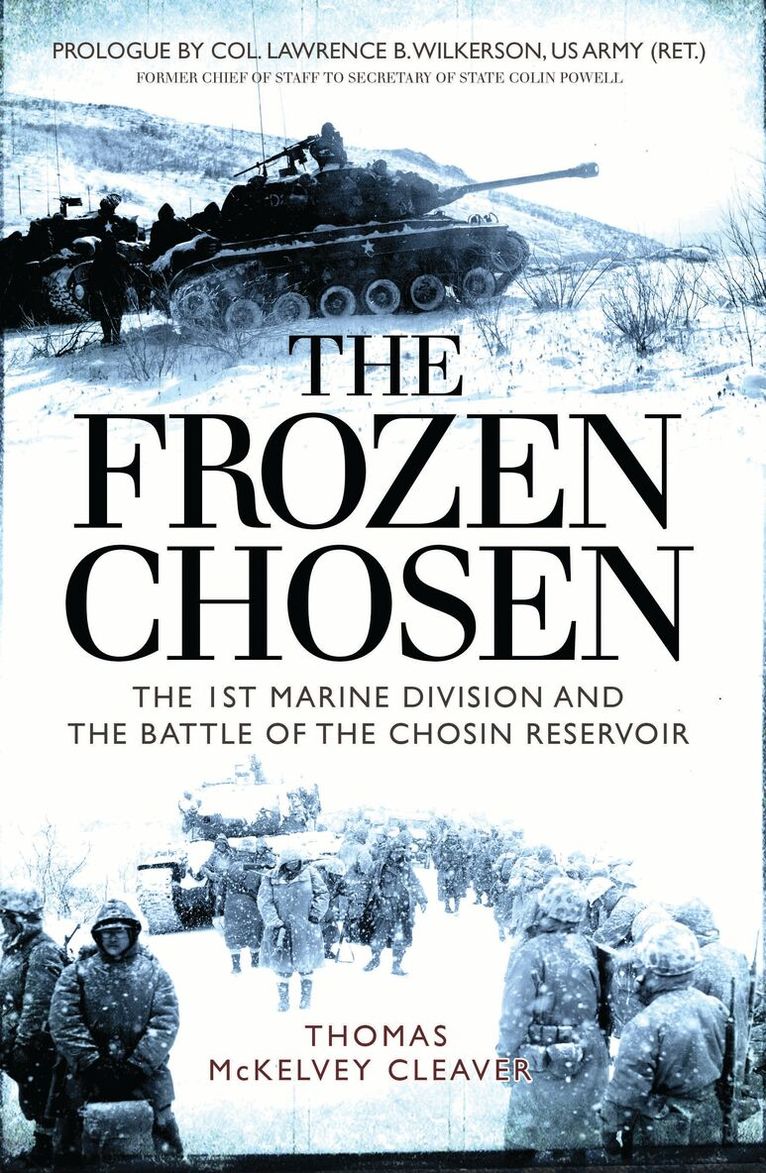
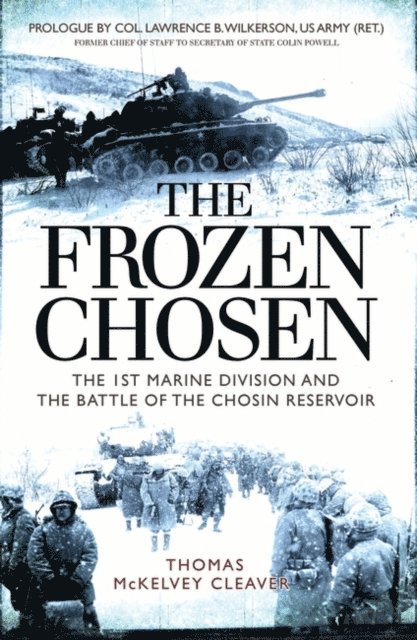
Based on unpublished first-hand accounts of the battle, this is a dramatic retelling of the desperate Battle of the Chosin Reservoir, where the heavily outnumbered US 1st Marine Division held off vastly superior Chinese forces before successfully withdrawing in good order.In November 1950 The US 1st Marine Division was trapped in the Chosin Reservoir following the intervention of Red China in the Korean War. Fought during the worst blizzard in a century, the ensuing battle is considered by the United States Marine Corps to be 'the Corps' Finest Hour.' The soldiers who fought there would later become known as the ‘Frozen Chosen’.This incredible story is based on first hand interviews from surviving veterans, telling of heroism and bravery in the face of overwhelming odds, as a handful of Marines fought desperately against wave after wave of Chinese forces. Sometimes forced into desperate hand to hand combat, the fighting retreat from Chosin marked one of the darkest moments for Western forces in Korea, but would go on to resonate with generations of Marines as a symbol of the Marine Corps' dogged determination, fighting skill, and never-say-die attitude on the battlefield.
173 kr
Skickas inom 7-10 vardagar
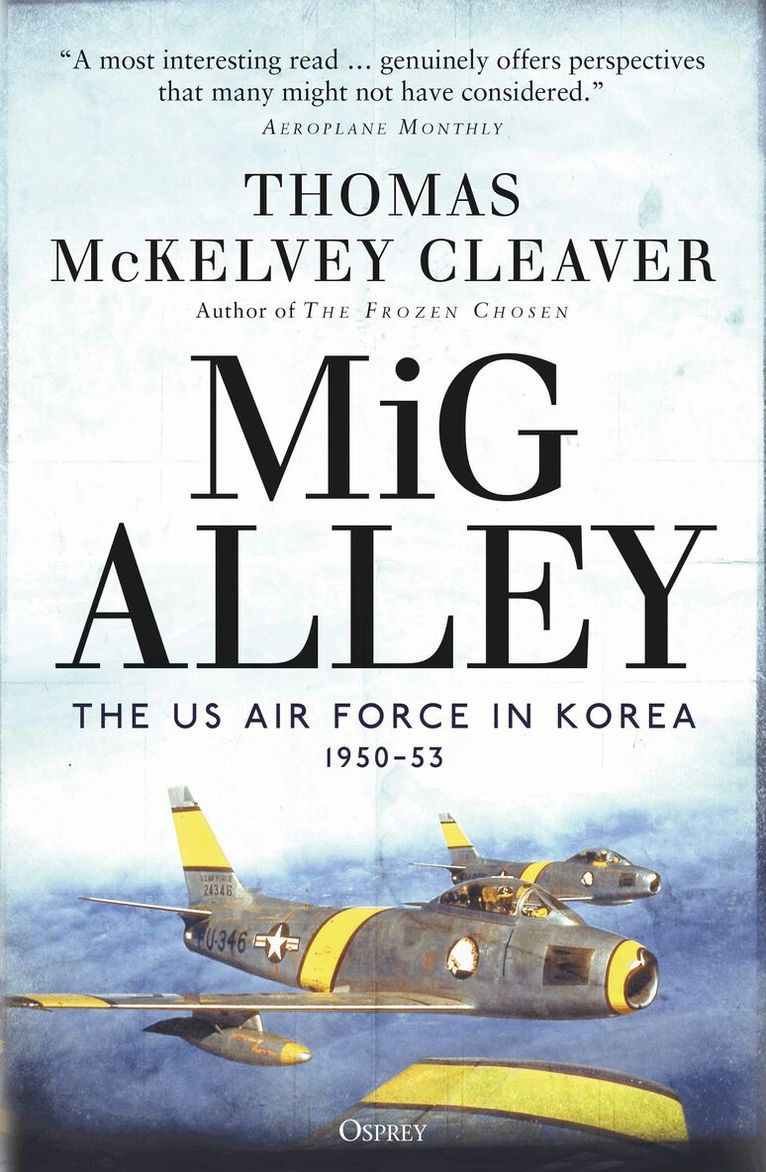
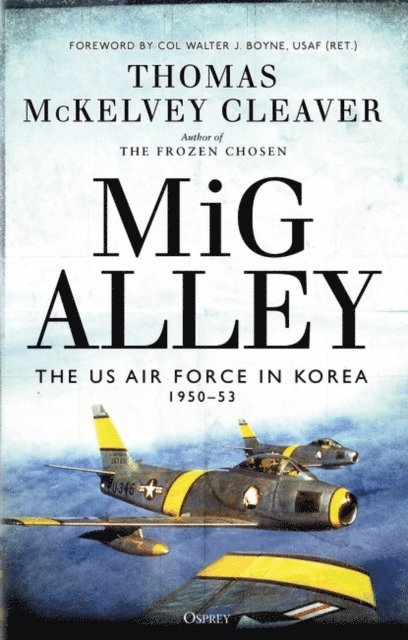
Thomas McKelvey Cleaver expertly threads together US and Russian sources to reveal the complete story of this bitter struggle in the Eastern skies.Following the end of the Korean War, the prevailing myth in the West was that of the absolute supremacy of US Air Force pilots and aircraft over their Soviet-supplied opponents. The claims of the 10:1 victory-loss ratio achieved by the US Air Force fighter pilots flying the North American F-86 Sabre against their communist adversaries, among other such fabrications, went unchallenged until the end of the Cold War, when Soviet records of the conflict were finally opened.Packed with first-hand accounts and covering the full range of US Air Force activities over Korea, MiG Alley brings the war vividly to life and the record is finally set straight on a number of popular fabrications
284 kr
Skickas inom 7-10 vardagar
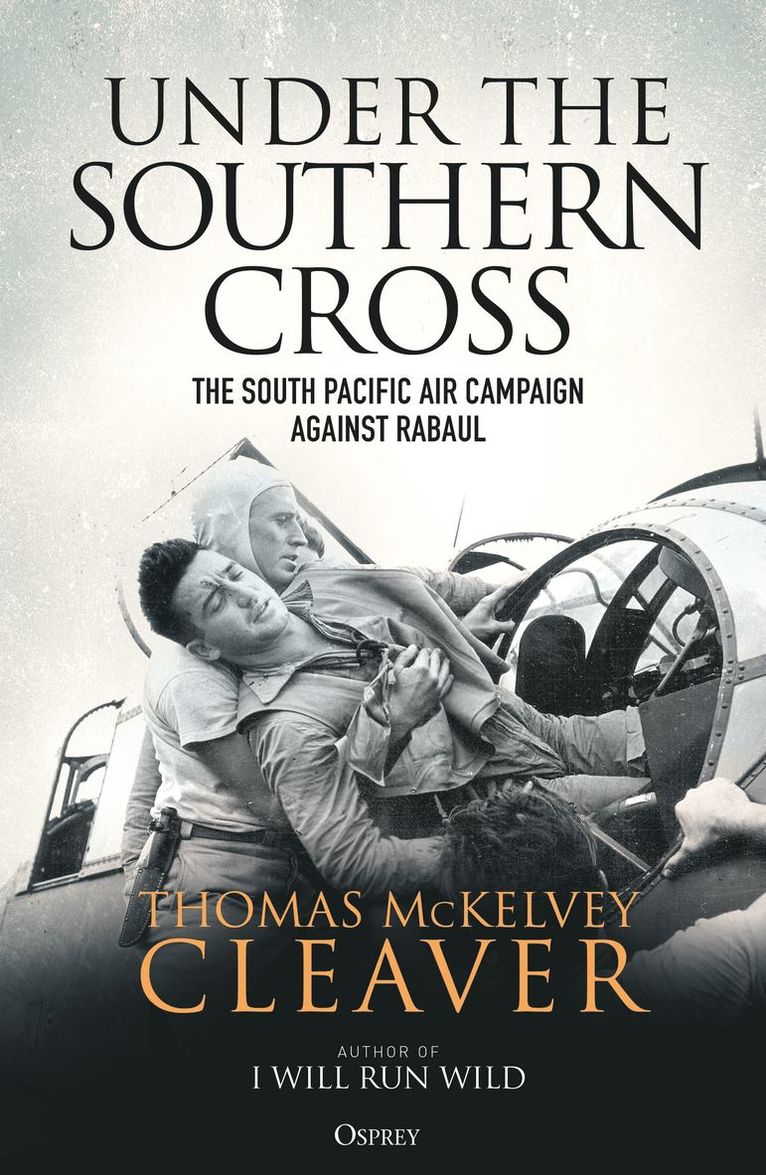
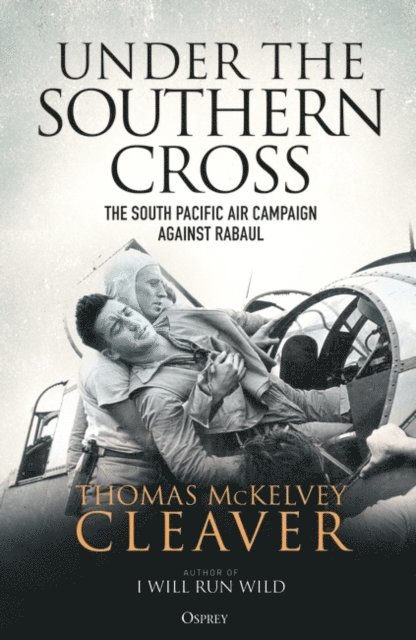
A vivid narrative history of the Solomons and New Guinea campaigns of World War II, which represented key turning points in the U.S. Navy's campaign against the Japanese in the Pacific.From August 7, 1942 until February 24, 1944, the US Navy fought the most difficult campaign in its history. Between the landing of the 1st Marine Division on Guadalcanal and the final withdrawal of the Imperial Japanese Navy from its main South Pacific base at Rabaul, the US Navy suffered such high personnel losses that for years it refused to publicly release total casualty figures. The Solomons campaign saw the US Navy at its lowest point, forced to make use of those ships that had survived the Japanese attack on Pearl Harbor and other units of the pre-war navy that had been hastily transferred to the Pacific. 140 days after the American victory at Midway, USS Enterprise was the only pre-war carrier left in the South Pacific and the US Navy would have been overwhelmed in the face of Japanese naval power had there been a third major fleet action.At the same time, another under-resourced campaign had broken out on the island of New Guinea. The Japanese attempt to reinforce their position there had led to the Battle of the Coral Sea in May and through to the end of the year, American and Australian armed forces were only just able to prevent a Japanese conquest of New Guinea. The end of 1942 saw the Japanese stopped in both the Solomons and New Guinea, but it would take another 18 hard-fought months before Japan was forced to retreat from the South Pacific.Under the Southern Cross draws on extensive first-hand accounts and new analysis to examine the Solomons and New Guinea campaigns which laid the groundwork for Allied victory in the Pacific War.
173 kr
Skickas inom 7-10 vardagar
A vivid narrative history of the Solomons and New Guinea campaigns of World War II, which represented key turning points in the U.S. Navy's campaign against the Japanese in the Pacific.From August 7, 1942 until February 24, 1944, the US Navy fought the most difficult campaign in its history. Between the landing of the 1st Marine Division on Guadalcanal and the final withdrawal of the Imperial Japanese Navy from its main South Pacific base at Rabaul, the US Navy suffered such high personnel losses that for years it refused to publicly release total casualty figures. The Solomons campaign saw the US Navy at its lowest point, forced to make use of those ships that had survived the Japanese attack on Pearl Harbor and other units of the pre-war navy that had been hastily transferred to the Pacific. 140 days after the American victory at Midway, USS Enterprise was the only pre-war carrier left in the South Pacific and the US Navy would have been overwhelmed in the face of Japanese naval power had there been a third major fleet action.At the same time, another under-resourced campaign had broken out on the island of New Guinea. The Japanese attempt to reinforce their position there had led to the Battle of the Coral Sea in May and through to the end of the year, American and Australian armed forces were only just able to prevent a Japanese conquest of New Guinea. The end of 1942 saw the Japanese stopped in both the Solomons and New Guinea, but it would take another 18 hard-fought months before Japan was forced to retreat from the South Pacific.Under the Southern Cross draws on extensive first-hand accounts and new analysis to examine the Solomons and New Guinea campaigns which laid the groundwork for Allied victory in the Pacific War.
173 kr
Skickas inom 7-10 vardagar
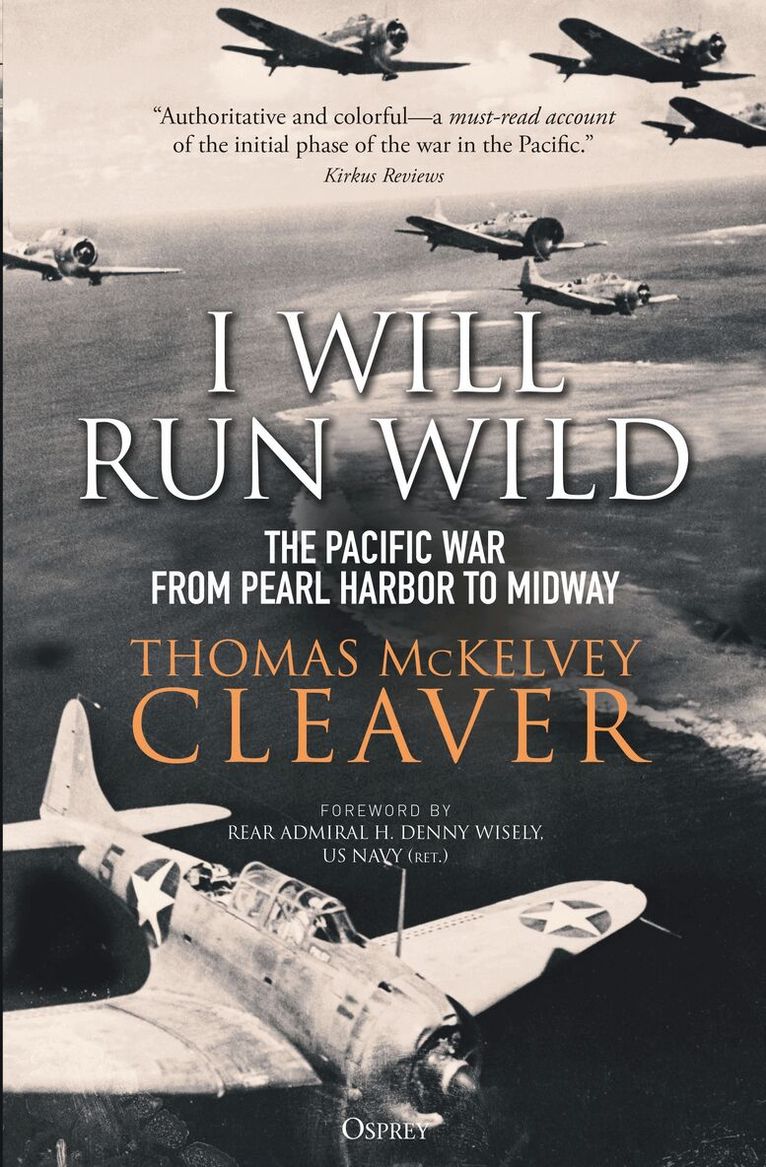
This fascinating volume - now available in paperback offers a vivid narrative history of the early stages of the Pacific War, as US and Allied forces desperately tried to slow the Japanese onslaught that began with the sudden attack on Pearl Harbor in December 1941.In many popular histories of the Pacific War, the period from the Japanese attack at Pearl Harbor to the US victory at Midway is often passed over because it is seen as a period of darkness. Indeed, it is easy to see the period as one of unmitigated disaster for the Allies, with the fall of the Philippines, Malaya, Burma and the Dutch East Indies, and the wholesale retreat and humiliation at the hands of Japan throughout Southeast Asia.However, there are also stories of courage and determination in the face of overwhelming odds: the stand of the Marines at Wake Island; the fighting retreat in the Philippines that forced the Japanese to take 140 days to accomplish what they had expected would take 50; the fight against the odds at Singapore and over Java; the stirring tale of the American Volunteer Group in China; and the beginnings of resistance to further Japanese expansion. In these events, there are many individual stories that have either not been told or not been told widely which are every bit as gripping as the stories associated with the turning tide after Midway.I Will Run Wild draws on extensive first-hand accounts and fascinating new analysis to tell the story of Americans, British, Dutch, Australians and New Zealanders taken by surprise from Pearl Harbor to Singapore that first Sunday of December 1941, who went on to fight with what they had at hand against a stronger and better-prepared foe, and in so doing built the basis for a reversal of fortune and an eventual victory.
184 kr
Skickas inom 7-10 vardagar
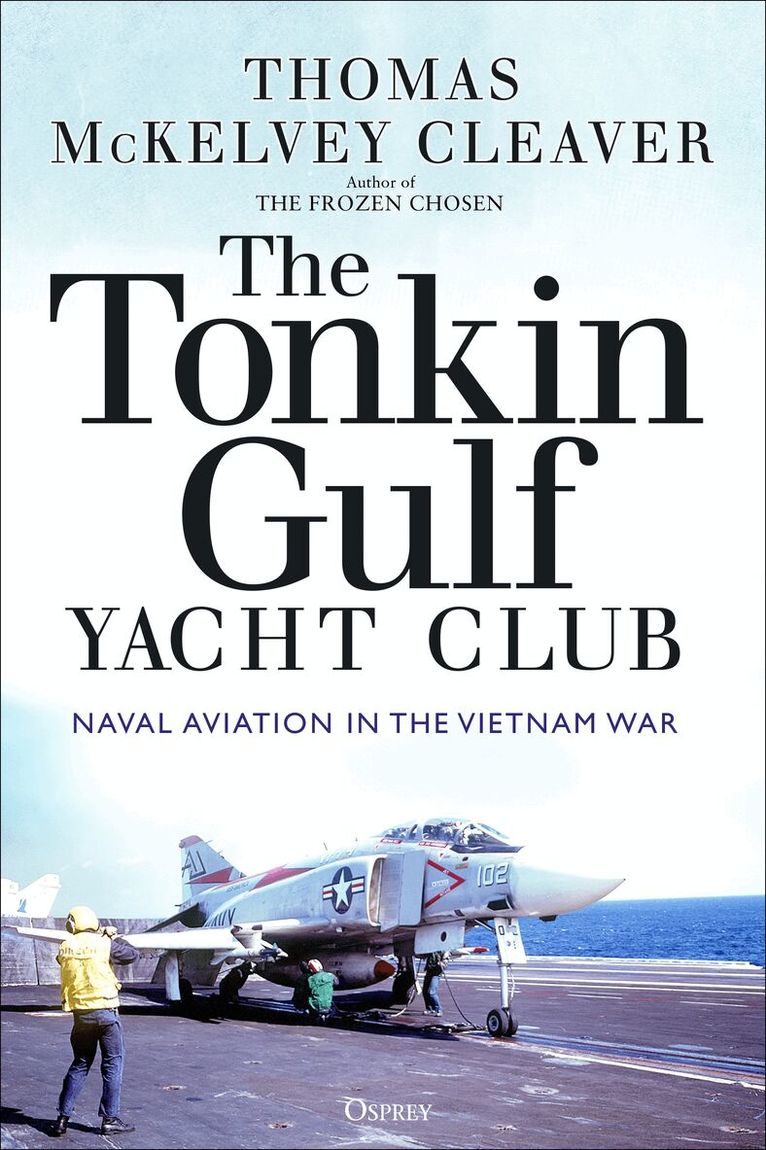
This book tells the full story of the US Naval air campaign during the Vietnam War between 1965 to 1975, where the US Seventh Fleet, stationed off the Vietnamese coast, was given the tongue-in-cheek nickname 'The Tonkin Gulf Yacht Club'.On August 2, 1964, USS Maddox became embroiled in the infamous 'Gulf of Tonkin incident’ that lead directly to America's increased involvement in the Vietnam War. Supporting the Maddox that day were four F-8E Crusaders from the USS Ticonderoga, signalling the start of the US Navy’s commitment to the air war over Vietnam.The Tonkin Gulf Yacht Club was the nickname for the US Navy’s Seventh Fleet, Task Force 77, stationed off the coast of Vietnam which, at various points throughout the war, comprised as many as six carriers with 70–100 aircraft on board. The Seventh Fleet played an essential role in supporting operations over Vietnam, providing vital air support to combat troops on the ground and taking part in major operations such as Rolling Thunder and Linebacker I and II.Serving with the US Seventh Fleet during this period and involved in the dramatic history of The Tonkin Gulf Yacht Club was author Tom Cleaver, who was a 20-year-old member of Commander Patrol Forces Seventh Fleet which had operational control over Maddox and Turner Joy. His use of dramatic first-hand experiences from interviews with both American and Vietnamese pilots plus official Vietnamese accounts of the war provides a balanced and personal picture of the conflict from both sides. Detailing the very earliest incident in the Gulf of Tonkin through to the final evacuation of US nationals in 1975, he brings the story of US air intervention into Vietnam vividly to life.
173 kr
Skickas inom 7-10 vardagar
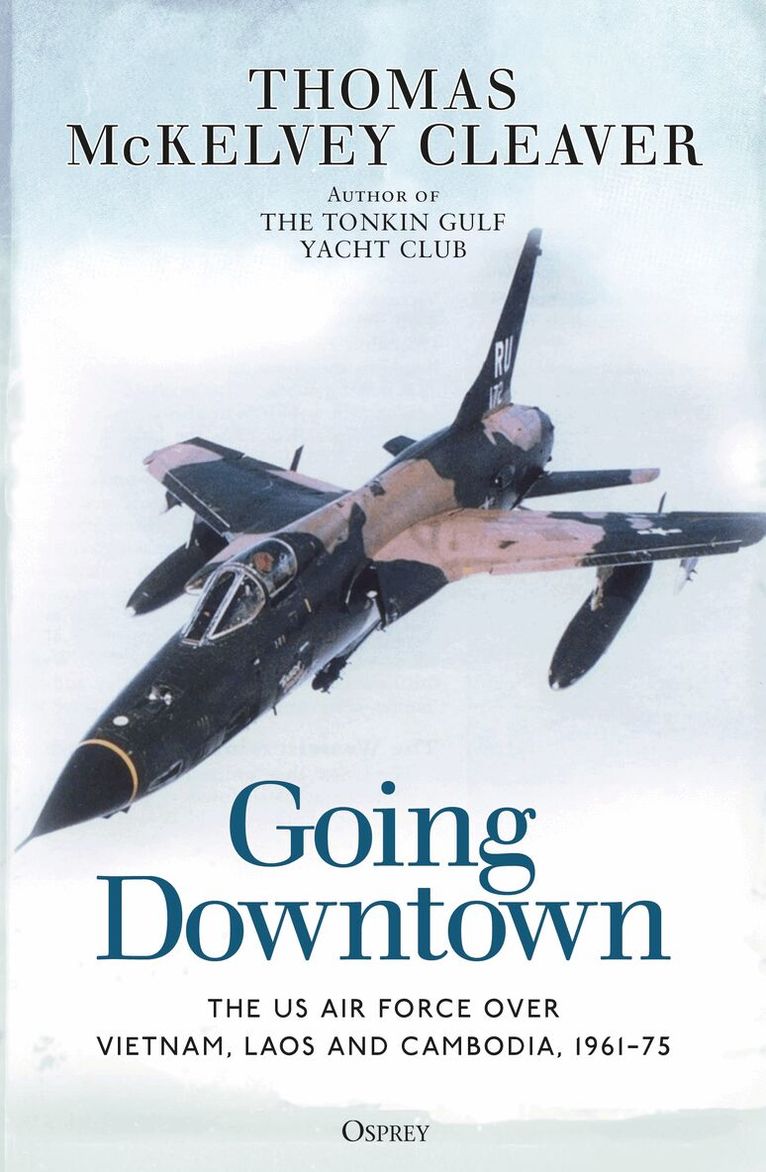
This vivid narrative history tells the full story of the US Air Force’s involvement in the wars in the air over Vietnam, Laos and Cambodia.The involvement of the US Air Force in the Southeast Asian Wars began in 1962 with crews sent to train Vietnamese pilots, and with conflict in Laos, and finally ended in 1972 with the B-52 bombing of Hanoi, though there were Air Force pilots unofficially flying combat in Laos up to the end in 1975. The missions flown by USAF aircrews during those years in Southeast Asia differed widely, from attacking the Ho Chi Minh Trail at night with modified T-28 trainers, to missions “Downtown,” the name aircrew gave Hanoi, the central target of the war.This aerial war was dominated by the major air operations against the north: Rolling Thunder from 1965 to 1968, and then Linebacker I and II in 1972, with the latter seeing the deployment of America’s fearsome B-52 bombers against the North Vietnamese capital Hanoi. These operations were carried out in the face of a formidable Soviet-inspired air defence system bristling with anti-aircraft guns and SAM missile sites. Beyond this, the US Air Force was intimately involved in secret air wars against Laos and Cambodia – one cannot speak of a war only in Vietnam regarding US Air Force operations. The war the Air Force fought was a war in Southeast Asia.Following on from the same author’s The Tonkin Gulf Yacht Club, which told the story of the US Navy’s involvement in the Vietnam War, Downtown completes the picture. Featuring a wide range of personal accounts and previously untold stories, this fascinating history brings together the full story of the US Air Force’s struggle in the skies over Southeast Asia.
172 kr
Skickas
Using diary entries, interviews and first-hand accounts, this vivid narrative brings to life the struggle in the air over the island of Guadalcanal between August 20 and November 15, 1942.The battle of Guadalcanal was the first offensive operation undertaken by the US and its allies in the Pacific War. The three months of air battles between August 20, 1942, when the first Marine air unit arrived on the island, and November 15, when the last enemy attempt to retake the island was defeated, were perhaps the most important of the Pacific War. “Cactus,” the code name for the island, became a sinkhole for Japanese air and naval power, as they experienced losses that could never be made good. For 40 years, the late Eric Hammel interviewed more than 150 American participants in the air campaign at Guadalcanal, none of whom are still alive. These interviews are the most comprehensive first-person accounts of the battle assembled by any historian. More importantly, they involved the junior officers and enlisted men whose stories and memories were not part of the official history, and thus provide a unique insight. In The Cactus Air Force, Pacific War expert Thomas McKelvey Cleaver worked closely with Eric to build on his collection of diary entries, interviews and first-hand accounts to create a vivid narrative of the struggle in the air over the island of Guadalcanal between August 20 and November 15, 1942.
173 kr
Skickas inom 7-10 vardagar
This is the history of how the mighty Gothic Line was defeated by American air power, in one of the most pivotal but least-known air campaigns of World War II.By late 1944, the Italian Campaign was secondary to the campaigns in France, and Allied forces were not strong enough to break the Germans’ mighty Gothic Line. These fortifications were supplied by rail through the Alps, with trains arriving hourly and delivering 600,000 tons of supplies a month, enough to keep the German Army going forever.But in the bitter winter of 1944–45, the mighty Gothic Line would be defeated by American air power in one of the most pivotal but least-known air campaigns of World War II. It would not be a direct assault; instead Operation Bingo would ruthlessly cut the Germans’ supply lines and leave them starved. However, it would not be easy. The rail routes were defended by a formidable array of heavy flak, and every raid was expected. Conditions were freezing, and even in electric flying suits, men suffered both hypoxia and frostbite.By the end of February, the previous eight-hour rail journey took the Germans 3-4 days on the wrecked railroad, and soon supplies were barely enough to keep the army alive. On April 12, the Allied ground attack began, and within ten days the German command in Northern Italy sued for surrender, the first German force in Europe to do so.Packed with first-hand accounts and rare photos from the 57th Bomb Wing Archives, this book is a fascinating history of the most successful US battlefield interdiction campaign in history, immortalized in the writing of bombardier Joseph Heller, in his novel Catch 22.
194 kr
Skickas
A vivid history, packed with first-hand accounts, of the US Eighth Air Force's VIII Fighter Command from its foundation in 1942 through to its victory in the skies over Nazi Germany.On August 7, 1942, two major events occurred on opposite sides of the planet. In the South Pacific, the United States went on the offensive with the First Marine Division landing on Guadalcanal. In England, 12 B-17 bombers of Eighth Air Force bombed the Rouen–Sotteville railroad marshalling yards in France. While the mission was small, the aerial struggle that began that day would ultimately cost the United States more men killed and wounded by the end of the war in Europe than the Marines would lose in the Pacific War.Clean Sweep is the story of the creation, development and operation of the Eighth Air Force Fighter Command and the battle to establish daylight air superiority over the Luftwaffe so that the invasion of Europe could be successful.Thomas McKelvey Cleaver has had a lifelong interest in the history of the fighter force that defeated the Luftwaffe over Germany. He has collected many first-hand accounts from participants over the past 50 years, getting to know pilots such as the legendary “Hub” Zemke, Don Blakeslee and Chuck Yeager, as well as meeting and interviewing leading Luftwaffe pilots Adolf Galland, Gunther Rall and Walter “Count Punski” Krupinski. This story is told through accounts gathered from both sides.
282 kr
Skickas
Packed with personal accounts of the action, this is a vivid narrative history of the often-overlooked USAAF campaign in North Africa and Sicily in World War II.In 1942, the Western Allies needed to take the offensive against the Axis powers to relieve pressure on the Soviet Union. With planning for a cross-Channel invasion beset by logistical and operational difficulties, in May President Roosevelt ordered his military leaders to prepare to support the British in the Mediterranean. This led to the first USAAF units arriving in the Middle East in July, firstly as reinforcements for the British and later as part of the Operation Torch landings in French Morocco and Algeria in November. This is the story of how, in only 11 months, the USAAF grew from these small beginnings in North Africa to become the senior partner in the region, providing aircraft and crews the other Allies were unable to match. In those 11 months, the Axis forces that had controlled almost the entire southern shore of the Mediterranean had been swept from the African continent and the island of Sicily – thanks in no small part to the efforts of the USAAF. Using first-hand accounts from pilots and other aircrew, renowned aviation historian Tom Cleaver describes how the USAAF units that landed in 1942 faced an intense baptism of fire in combat with veteran Luftwaffe units, and how the experience gained in the skies over North Africa and Sicily was invaluable in developing the air forces that would dominate the skies over Europe in the latter years of the war.
173 kr
Skickas inom 7-10 vardagar
Packed with personal accounts of the action, this is a vivid narrative history of the often-overlooked USAAF campaign in North Africa and Sicily in World War II.In 1942, the Western Allies needed to take the offensive against the Axis powers to relieve pressure on the Soviet Union and President Roosevelt ordered his military leaders to support the British in the Mediterranean. This led to the first USAAF units arriving in the Middle East as reinforcements for the British in July and as part of the Operation Torch landings in French Morocco and Algeria in November. This is the story of how, in only 11 months, the USAAF grew from these small beginnings in to become the senior partner in North Africa, providing aircraft and crews the other Allies were unable to match. In those 11 months, the Axis forces that had controlled almost the entire southern shore of the Mediterranean had been swept from the African continent and the island of Sicily.Using first-hand accounts from pilots and other aircrew, renowned aviation historian Tom Cleaver describes how the USAAF units that landed in 1942 faced an intense baptism of fire in combat with veteran Luftwaffe units, and how the experience gained in the skies over North Africa and Sicily was invaluable in developing the air forces that would dominate the skies over Europe in the latter years of the war.
282 kr
Skickas
Filled with personal accounts of the action, this book details the USAAF’s tactical and strategic campaigns in the skies over Italy in World War II.With the defeat of the Germans and Italians on Sicily in mid-July 1943, the focus of the war in the air shifted toward the battle for the Italian mainland itself. This campaign took place in the context of the coming invasion of northwest Europe, with many of the best units from the North African and Sicilian campaigns withdrawn to prepare for the new front, while those units that remained had a lower priority for replacements of men and material. Despite these difficulties, the air war in the Italian campaign is a study in the successful application of tactical air power. Mediterranean Sweep describes how USAAF forces, alongside Free French, Italian Co-Belligerent, British and Commonwealth units, and even a squadron of the Brazilian Air Force, took the war to the Axis in both the fighter-bomber war and Operation Bingo, the successful bombing campaign to withhold supplies from the German forces fighting on the Gothic Line. Building on the story of the USAAF in North Africa and over Sicily told in his previous work Turning The Tide, renowned aviation expert Tom Cleaver uses a wide range of first-hand accounts from American, Allied, German, and Italian pilots and other aircrew to bring to life the bitter struggle in the skies over Italy from mid-1943 through to the end of World War II.
368 kr
Kommande
274 kr
Skickas inom 11-20 vardagar
"He had decided to live forever, or die in the attempt." Catch-22 The men of the 57th Bomb Wing flew out of Corsica during World War II and bombed vital bridges throughout Italy to sabotage German supply routes. Their missions were dangerous and never-ending. One bombardier in the wing was a young New Yorker named Joseph Heller, who would later turn his experience into the classic 1961 war novel Catch-22. Now aviation historian Thomas McKelvey Cleaver takes a closer look at the real-life men of the 57th, whose camaraderie in the face of death inspired the raucous cast of heroes and antiheros in Catch-22.
198 kr
Skickas inom 10-15 vardagar
Dubbed the ‘Eagles of Duxford’, the 78th Fighter Group (FG) was unique in being the only fighter unit in the ‘Mighty Eighth’ to fly the P-38 Lightning, P-47 Thunderbolt and P-51 Mustang operationally. The 78th FG produced the very first Eighth Air Force ace, and flew exclusively from Duxford throughout its time in the UK. Initially equipped with the P-38 Lightning, the group received P-47 Thunderbolts in March 1943, followed by the iconic American ace-maker, the P-51 Mustang, in December 1944. Arriving in the European Theatre of Operations (ETO) in November 1942, and eventually committed to combat five months later, the 78th, along with the 4th and 56th FGs, ‘wrote the book’ on long-range fighter escort by VIII Fighter Command in the ETO.This volume charts the group’s highs and lows during its two years in action from Duxford, focusing on the exploits of the 51 pilots who achieved ace status with the 78th during World War 2. These men included Capt Charles London, the very first Eighth Air Force ace, and Maj Quince Brown, who was the 78th’s most successful aerial ace prior to being murdered by the SS after he was shot down over Germany.Alongside stunning illustrations, Thomas McKelvey Cleaver explains how, by VE Day, the ‘Eagles of Duxford’ had downed 316 aircraft and destroyed a further 320 machines on the ground during strafing attacks on German airfields.