Thomas Munck – författare
608 kr
Läs direkt efter köp
2 248 kr
Skickas inom 10-15 vardagar
658 kr
Skickas inom 10-15 vardagar
338 kr
Skickas inom 7-10 vardagar
1 237 kr
Skickas inom 7-10 vardagar
779 kr
Läs direkt efter köp
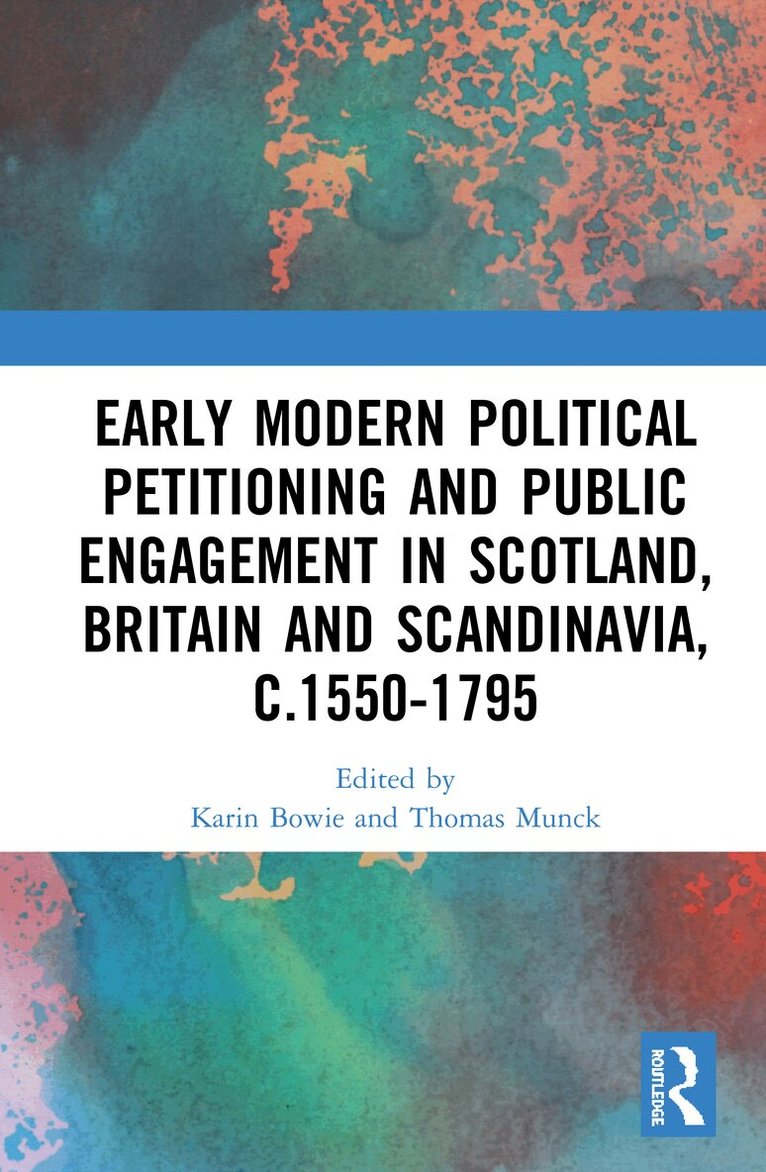
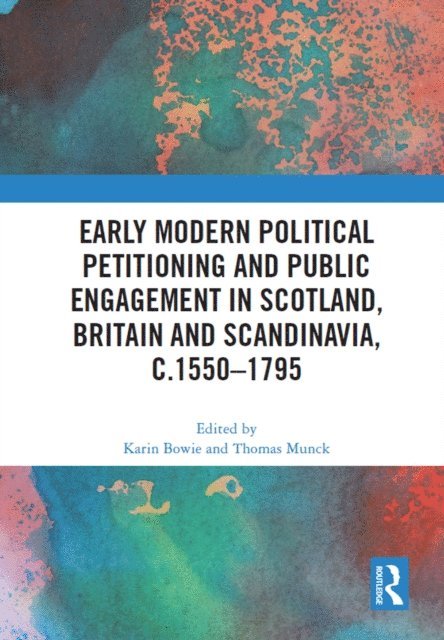
This book assesses the everyday use of petitions in administrative and judicial settings and contrasts these with more assertive forms of political petitioning addressed to assemblies or rulers.
A petition used to be a humble means of asking a favour, but in the early modern period, petitioning became more assertive and participative. This book shows how this contrasted to ordinary petitioning, often to the consternation of authorities. By evaluating petitioning practices in Scotland, England and Denmark, the book traces the boundaries between ordinary and adversarial petitioning and shows how non-elites could become involved in politics through petitioning. Also observed are the responses of authorities to participative petitions, including the suppression or forgetting of unwelcome petitions and consequent struggles to establish petitioning as a right rather than a privilege. Together the chapters in this book indicate the significance of collective petitioning in articulating early modern public opinion and shaping contemporary ideas about opinion at large.
The chapters in this book were originally published in the journal Parliaments, Estates & Representation.
779 kr
Läs direkt efter köp
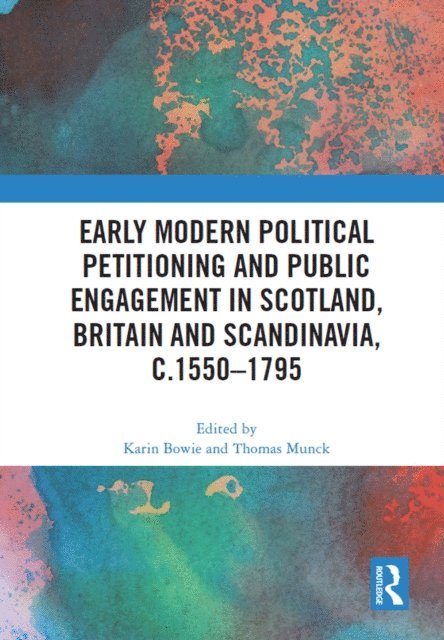
This book assesses the everyday use of petitions in administrative and judicial settings and contrasts these with more assertive forms of political petitioning addressed to assemblies or rulers.
A petition used to be a humble means of asking a favour, but in the early modern period, petitioning became more assertive and participative. This book shows how this contrasted to ordinary petitioning, often to the consternation of authorities. By evaluating petitioning practices in Scotland, England and Denmark, the book traces the boundaries between ordinary and adversarial petitioning and shows how non-elites could become involved in politics through petitioning. Also observed are the responses of authorities to participative petitions, including the suppression or forgetting of unwelcome petitions and consequent struggles to establish petitioning as a right rather than a privilege. Together the chapters in this book indicate the significance of collective petitioning in articulating early modern public opinion and shaping contemporary ideas about opinion at large.
The chapters in this book were originally published in the journal Parliaments, Estates & Representation.
793 kr
Läs direkt efter köp
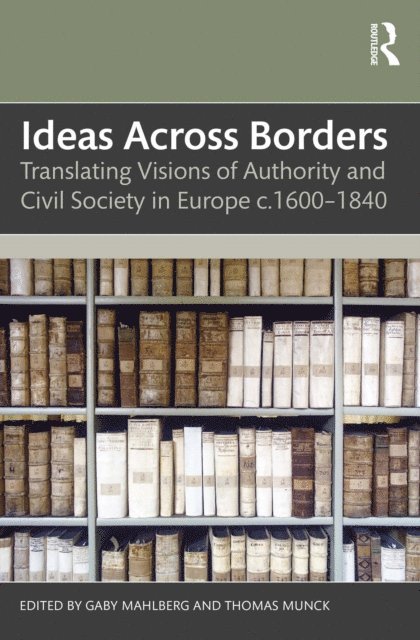
Building on the historical study of cultural translation, this volume brings together a range of case studies and fresh approaches to early modern intellectual history by scholars from across Europe reflecting on ideological and political change from c. 1600 to 1840.
Translations played a crucial role in the transmission of political ideas across linguistic and cultural borders in early modern Europe. Yet intellectual historians have been slow to adopt the study of translations as an analytical tool for the understanding of such cultural transfers. Recently, a number of different approaches to transnational intellectual history have emerged, allowing historians of early modern Europe to draw on work not just in translation studies, literary studies, conceptual history, the history of political thought and the history of scholarship, but also in the history of print and its significance for cultural transfer. Thorough qualitative and quantitative analysis of texts in translation can place them more accurately in time and space. This book provides a better understanding of the extent to which ideas crossed linguistic and cultural divides, and how they were re-shaped in the process.
Written in an accessible style, this volume is aimed at scholars in cognate disciplines as well as at postgraduate students.
765 kr
Läs direkt efter köp
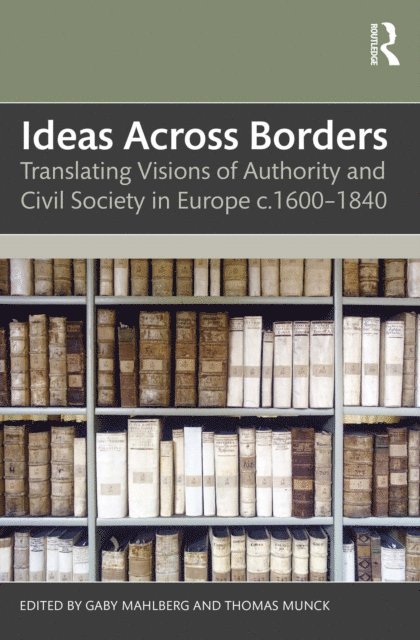
Building on the historical study of cultural translation, this volume brings together a range of case studies and fresh approaches to early modern intellectual history by scholars from across Europe reflecting on ideological and political change from c. 1600 to 1840.
Translations played a crucial role in the transmission of political ideas across linguistic and cultural borders in early modern Europe. Yet intellectual historians have been slow to adopt the study of translations as an analytical tool for the understanding of such cultural transfers. Recently, a number of different approaches to transnational intellectual history have emerged, allowing historians of early modern Europe to draw on work not just in translation studies, literary studies, conceptual history, the history of political thought and the history of scholarship, but also in the history of print and its significance for cultural transfer. Thorough qualitative and quantitative analysis of texts in translation can place them more accurately in time and space. This book provides a better understanding of the extent to which ideas crossed linguistic and cultural divides, and how they were re-shaped in the process.
Written in an accessible style, this volume is aimed at scholars in cognate disciplines as well as at postgraduate students.
2 248 kr
Skickas inom 10-15 vardagar
600 kr
Skickas inom 10-15 vardagar
440 kr
Läs direkt efter köp
425 kr
Läs direkt efter köp
587 kr
Läs direkt efter köp
1 999 kr
Skickas inom 10-15 vardagar
562 kr
Skickas inom 10-15 vardagar