Thomas Oatley – författare
Visar alla böcker från författaren Thomas Oatley. Handla med fri frakt och snabb leverans.
7 produkter
7 produkter
3 268 kr
Skickas inom 7-10 vardagar
This extensive Handbook provides an in-depth exploration of the political economy dynamics associated with the international monetary and financial systems. Leading experts offer a fresh take on research into the interaction between system structure, the self-interest of private firms, the political institutions within which governments make policy, and the ideas that influence beliefs about appropriate policy responses. Crucially they also assess how these factors have shaped the political economy of various facets of monetary and financial systems.Organized into four comprehensive sections, the Handbook begins with a focus on the international system and explores how the distribution of power in the system shapes its structure and dynamics. The next section then considers the politics of exchange rate regime choice before analyzing current research on financial crises and financial regulation. Key questions are asked, such as: what drives financial crises and why do some economies suffer banking and currency crises while others do not? How does politics shape the central characteristics of the IMF s approach to crisis management? And how does change in the distribution of power in the international system change the structure of the global monetary and financial systems? The Handbook addresses these concerns and concludes with an examination of international governance, including the IMF and institutional reform in the post-crisis eurozone.This detailed Handbook brings together original contributions from some of the leading authorities in the field, making it an invaluable resource to academics and students of international relations, governance, and political economy.Contributors: L.E. Armijo, D.H. Bearce, G. Bird, P.G. Cerny, M. Chang, H.-k. Chey, E.M.P. Chiu, S. Cooper, J. Echeverri-Gent, K.A. English, Y.H. Ferguson, J. Grittersová, M.J. Lee, R.W. Mansbach, B. Momani, T. Oatley, T.B. Pepinsky, D. Rowlands, H. Schwartz, W.T. Selmier II, A.C. Sobel, S. Walter, H. Wang, T.D. Willett, W.K. Winecoff, K. Young, E. Yujuico
2 656 kr
Skickas inom 10-15 vardagar
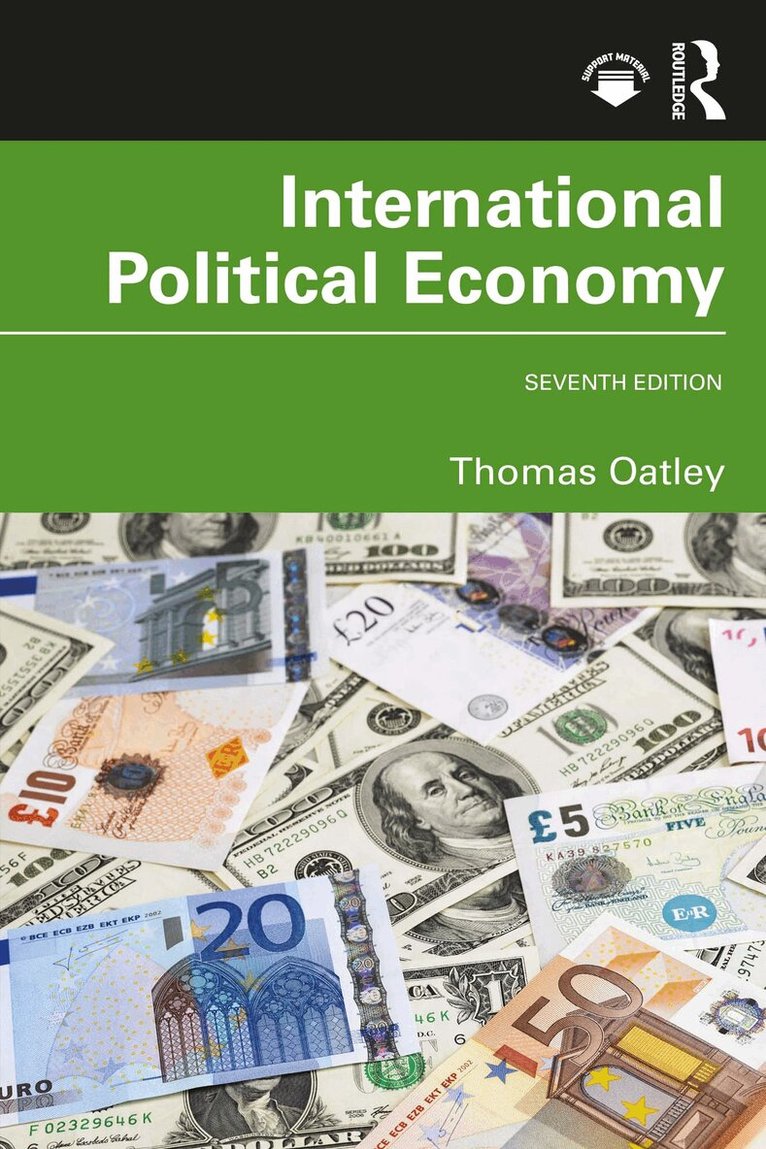
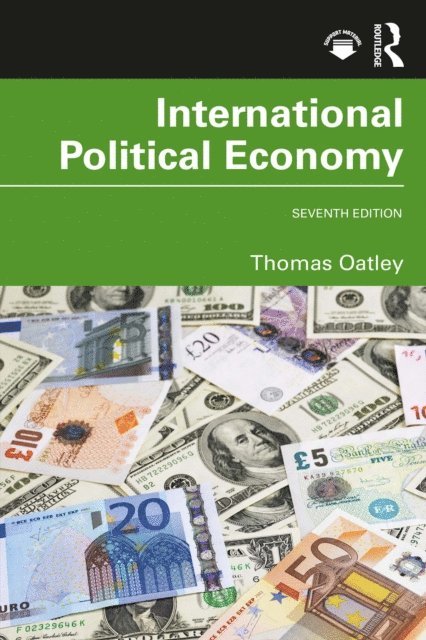
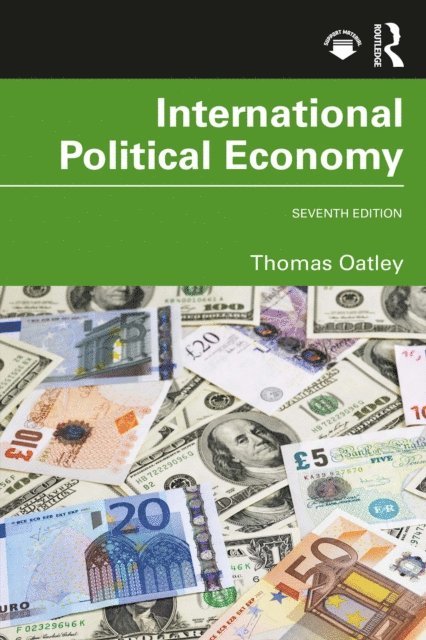
Broadly viewing the global economy as a political competition that produces winners and losers, International Political Economy holistically and accessibly introduces the field of IPE to students with limited background in political theory, history, and economics. This text surveys major interests and institutions and examines how state and non-state actors pursue wealth and power. Emphasizing fundamental economic concepts as well as the interplay between domestic and international politics, International Political Economy not only explains how the global economy works, it also encourages students to think critically about how economic policy is made in the context of globalization.New to the Seventh EditionIncludes the disruptive impact of the pandemic on the global economyIncludes discussion of climate change, the Green New Deal, and Green Industrial PolicyExtended discussion of the impact of great power competition on the global economy and the role weaponized interdependence might play in this competitionConsiders the impact that Russia’s invasion of Ukraine will have on globalizationIntroduces full color format
673 kr
Skickas inom 10-15 vardagar
Broadly viewing the global economy as a political competition that produces winners and losers, International Political Economy holistically and accessibly introduces the field of IPE to students with limited background in political theory, history, and economics. This text surveys major interests and institutions and examines how state and non-state actors pursue wealth and power. Emphasizing fundamental economic concepts as well as the interplay between domestic and international politics, International Political Economy not only explains how the global economy works, it also encourages students to think critically about how economic policy is made in the context of globalization.New to the Seventh Edition Includes the disruptive impact of the pandemic on the global economy. Includes discussion of climate change, the Green New Deal, and Green Industrial Policy. Extended discussion of the impact of great power competition on the global economy and the role weaponized interdependence might play in this competition. Considers the impact that Russia’s invasion of Ukraine will have on globalization. Introduces full color format.
995 kr
Skickas inom 7-10 vardagar
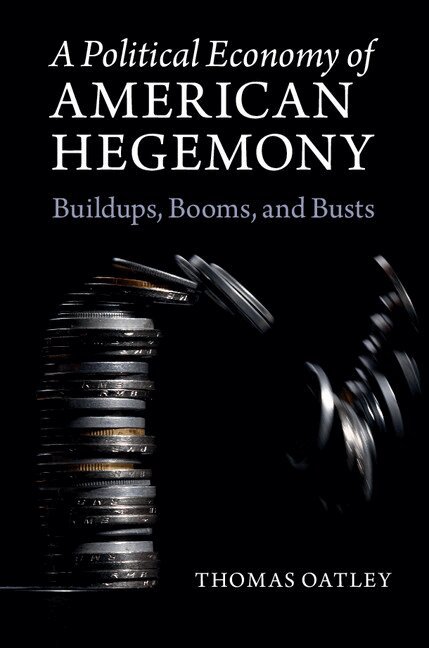
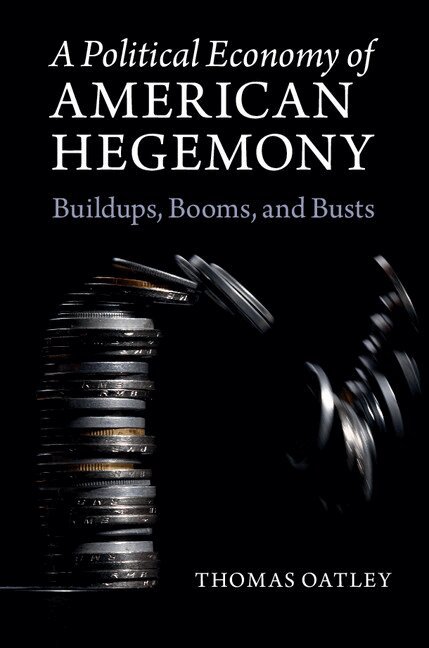
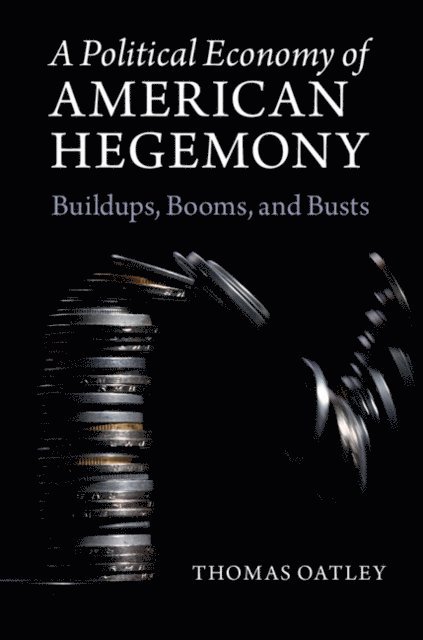
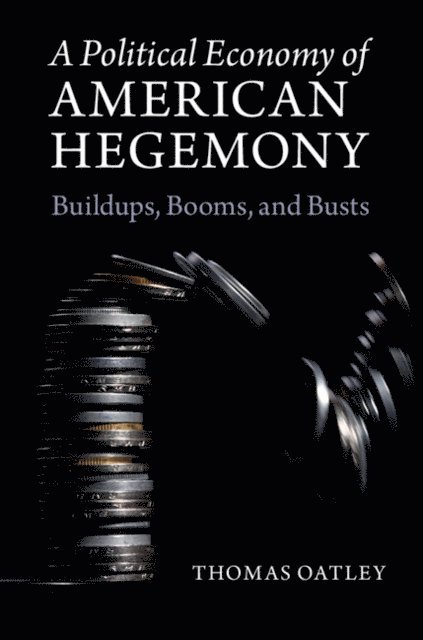
In A Political Economy of American Hegemony, Thomas Oatley explores how America's military buildups have produced postwar economic booms that have culminated in monetary and financial crises. The 2008 subprime crisis - as well as the housing bubble that produced it - was the most recent manifestation of this buildup, boom, and bust cycle, developing as a consequence of the decision to deficit-finance the wars in Afghanistan and Iraq. Earlier instances of financial crises were generated by deficit-financed buildups in the 1980s and the late 1960s. The buildup, boom, and bust pattern results from the way political institutions and financial power shape America's response to military challenges: political institutions transform increased military spending into budget deficits, and financial power enables the United States to finance these deficits by borrowing cheaply from the rest of the world. Oatley examines how this cycle has had a powerful impact on American and global economic and financial performance.
347 kr
Skickas inom 7-10 vardagar
In A Political Economy of American Hegemony, Thomas Oatley explores how America's military buildups have produced postwar economic booms that have culminated in monetary and financial crises. The 2008 subprime crisis - as well as the housing bubble that produced it - was the most recent manifestation of this buildup, boom, and bust cycle, developing as a consequence of the decision to deficit-finance the wars in Afghanistan and Iraq. Earlier instances of financial crises were generated by deficit-financed buildups in the 1980s and the late 1960s. The buildup, boom, and bust pattern results from the way political institutions and financial power shape America's response to military challenges: political institutions transform increased military spending into budget deficits, and financial power enables the United States to finance these deficits by borrowing cheaply from the rest of the world. Oatley examines how this cycle has had a powerful impact on American and global economic and financial performance.
706 kr
Tillfälligt slut
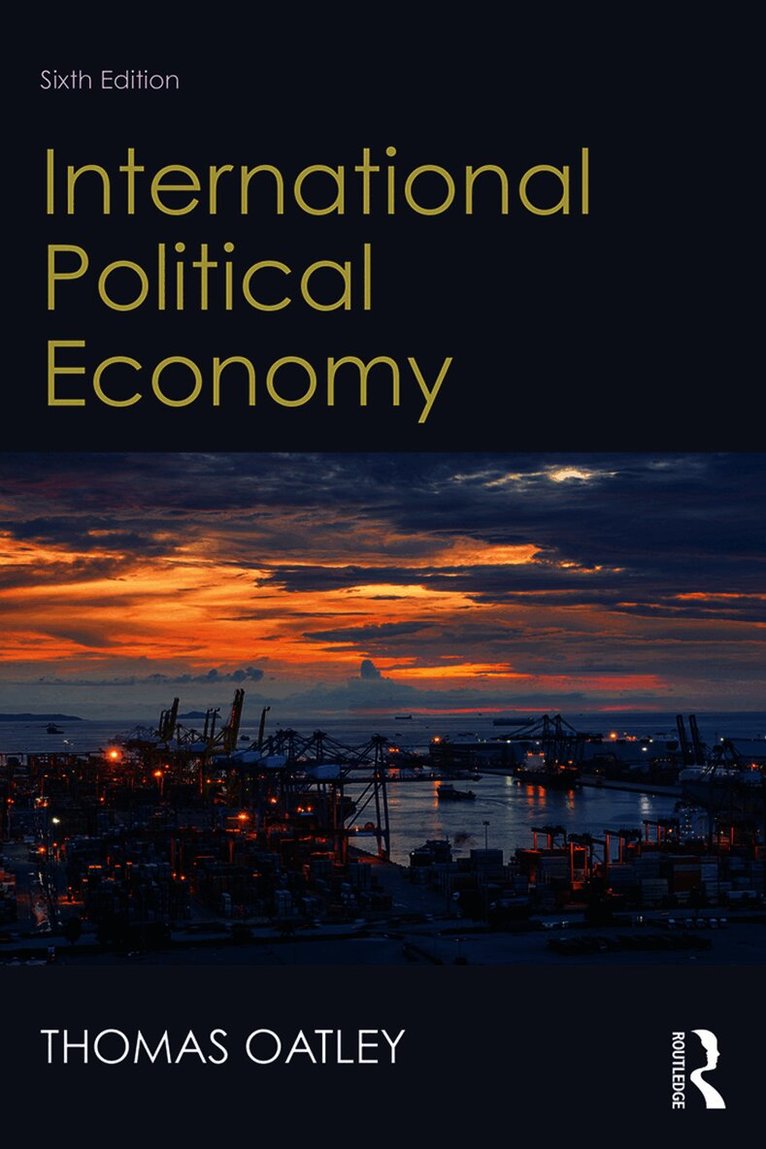
Broadly viewing the global economy as a political competition that produces winners and losers, International Political Economy holistically and accessibly introduces the field of IPE to students with limited background in political theory, history, and economics. This text surveys major interests and institutions and examines how state and non-state actors pursue wealth and power. Emphasizing fundamental economic concepts as well as the interplay between domestic and international politics, International Political Economy not only explains how the global economy works, it also encourages students to think critically about how economic policy is made in the context of globalization. New to the Sixth EditionCovers the economic impacts of 2016 electoral events, including new Trump administration initiatives related to TPP and NAFTA; the UK and Brexit, and the European populist wave. Examines the global financial crisis, EU debt crisis, quantitative easing, global capital flow cycles, and currency wars. Probes the death of the Doha Round and explores individual trade preferences, WTO dispute settlement, bilateral investment treaties and global value chains, labor standards, and the role of institutions for economic development.Considers how U.S. monetary and fiscal policy shapes the flow of financial capital into and out of emerging market economies with a focus on the "Fragile Five," whether the Chinese Renminbi can displace the dollar as a global currency, and the newly constructed Asian Infrastructure Investment Bank.Explores the impact of migration on wages and income inequality, and the growing importance of working remittances as a source of capital for developing countries.
781 kr
Skickas inom 7-10 vardagar
This extensive Handbook provides an in-depth exploration of the political economy dynamics associated with the international monetary and financial systems. Leading experts offer a fresh take on research into the interaction between system structure, the self-interest of private firms, the political institutions within which governments make policy, and the ideas that influence beliefs about appropriate policy responses. Crucially they also assess how these factors have shaped the political economy of various facets of monetary and financial systems.Organized into four comprehensive sections, the Handbook begins with a focus on the international system and explores how the distribution of power in the system shapes its structure and dynamics. The next section then considers the politics of exchange rate regime choice before analyzing current research on financial crises and financial regulation. Key questions are asked, such as: what drives financial crises and why do some economies suffer banking and currency crises while others do not? How does politics shape the central characteristics of the IMF s approach to crisis management? And how does change in the distribution of power in the international system change the structure of the global monetary and financial systems? The Handbook addresses these concerns and concludes with an examination of international governance, including the IMF and institutional reform in the post-crisis eurozone.This detailed Handbook brings together original contributions from some of the leading authorities in the field, making it an invaluable resource to academics and students of international relations, governance, and political economy.Contributors: L.E. Armijo, D.H. Bearce, G. Bird, P.G. Cerny, M. Chang, H.-k. Chey, E.M.P. Chiu, S. Cooper, J. Echeverri-Gent, K.A. English, Y.H. Ferguson, J. Grittersová, M.J. Lee, R.W. Mansbach, B. Momani, T. Oatley, T.B. Pepinsky, D. Rowlands, H. Schwartz, W.T. Selmier II, A.C. Sobel, S. Walter, H. Wang, T.D. Willett, W.K. Winecoff, K. Young, E. Yujuico